



Build a Beetle
Beetles are insects, which means that their body is made up of three parts; a head, a thorax and an abdomen. Antennae are found on the head, and six legs attach to the thorax in the middle. If a beetle has wings for flying, they are usually found protected underneath a hard carapace on the abdomen. Beetles come in many different shapes and sizes. Discover … Continue reading Build a Beetle


Animal Alphabet: Q is for Quoll
Join us every Tuesday as we make an alphabet from the animals in the Museum of Zoology. Today is the letter Q: Q is for quoll, quill, quetzal, quahog and quilt (not an animal at all, but a beautiful patchwork animal map of the world created for us by a brilliant team of volunteers). Can you think of any others? Join us next week as … Continue reading Animal Alphabet: Q is for Quoll


Can you tell a zebra by its stripes?
To celebrate International Women’s Day and Women’s History Month the Museum is sharing the stories of 27 inspirational women, alongside the animals they work with the most. Dr Rebecca Smith Department of Zoology “Cape mountain zebras declined to fewer than 80 animals in the 1950s. Following conservation initiatives, by 2000 there were around 1,600 animals, but the subspecies was still listed as Endangered. To help … Continue reading Can you tell a zebra by its stripes?
Basking Beetles
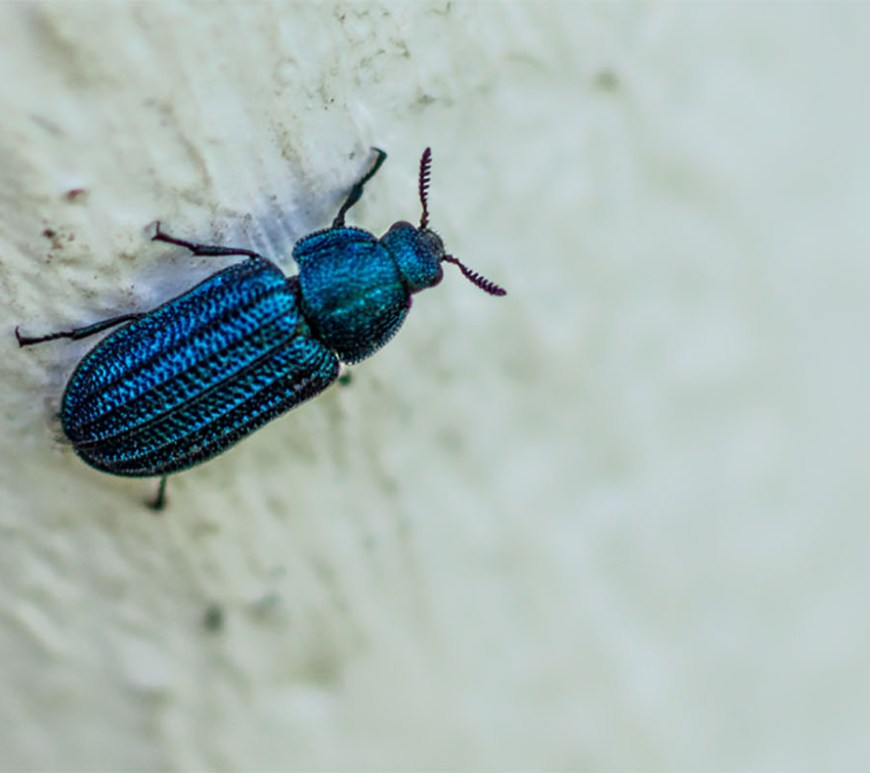
Sara Steele, Museum learning assistant says: With 400,000 named species of beetle found across the world and over 4,000 species in the British Isles, beetles are a diverse bunch even among invertebrates. They come in all shapes and sizes, from long and thin soldier beetles to rounded ladybirds. This diversity points in part to their distribution; being found in every habitat except the sea and … Continue reading Basking Beetles

Dragonfly Week
Did you know it is Dragonfly Week this week? An initiative by the British Dragonfly Society, you can find fun online activities and inspired by these beautiful insects on their website: https://british-dragonflies.org.uk/what-we-do/outreach-projects/dragonfly-week/ If you are looking for an introduction to dragonflies and damselflies look no further. For Zoology Live this year, local dragonfly expert Duncan Mackay put together a beautiful film of some of our … Continue reading Dragonfly Week
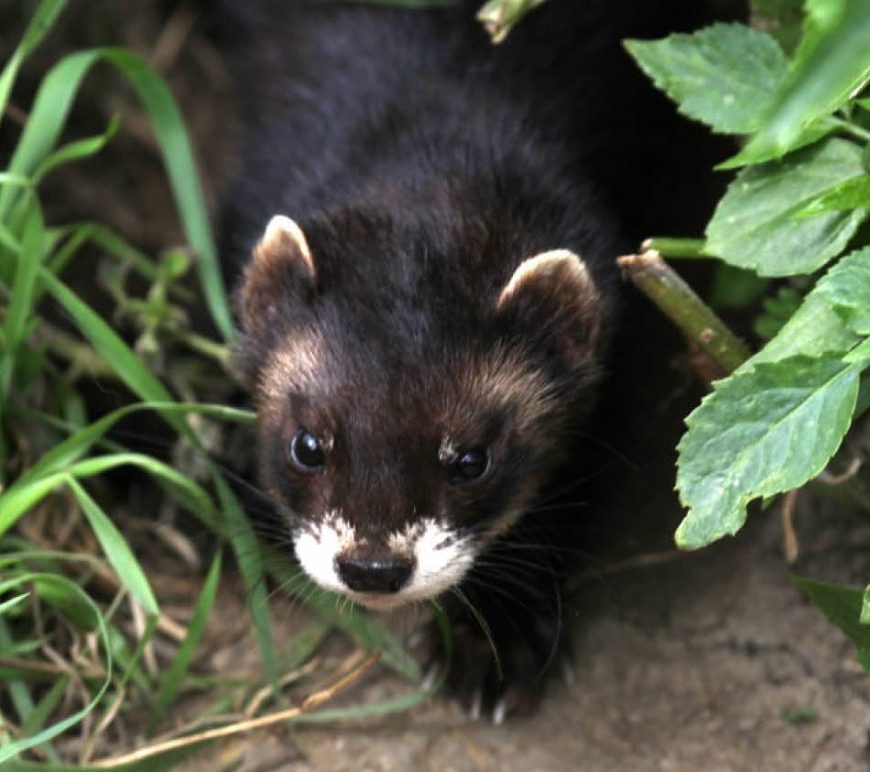
Bringing polecats back to Britain
To celebrate International Women’s Day and Women’s History Month the Museum is sharing the stories of 27 inspirational women, alongside the animals they work with the most. Dr Katie Sainsbury Department of Zoology “For my PhD, I researched ecological and social aspects of the changing status of polecats in Great Britain. Since almost being eradicated from Britain in the nineteenth century, polecats have been recolonising … Continue reading Bringing polecats back to Britain

Make a Wildlife Film
Are you looking for a wildlife project for the summer holidays? Why not have a go at making a wildlife film? Here is Ellie Bladon, a researcher from the Department of Zoology, with her top tips on making a wildlife film on a budget. If have access to a smart phone or digital SLR camera, you have equipment suitable for making a short film for … Continue reading Make a Wildlife Film
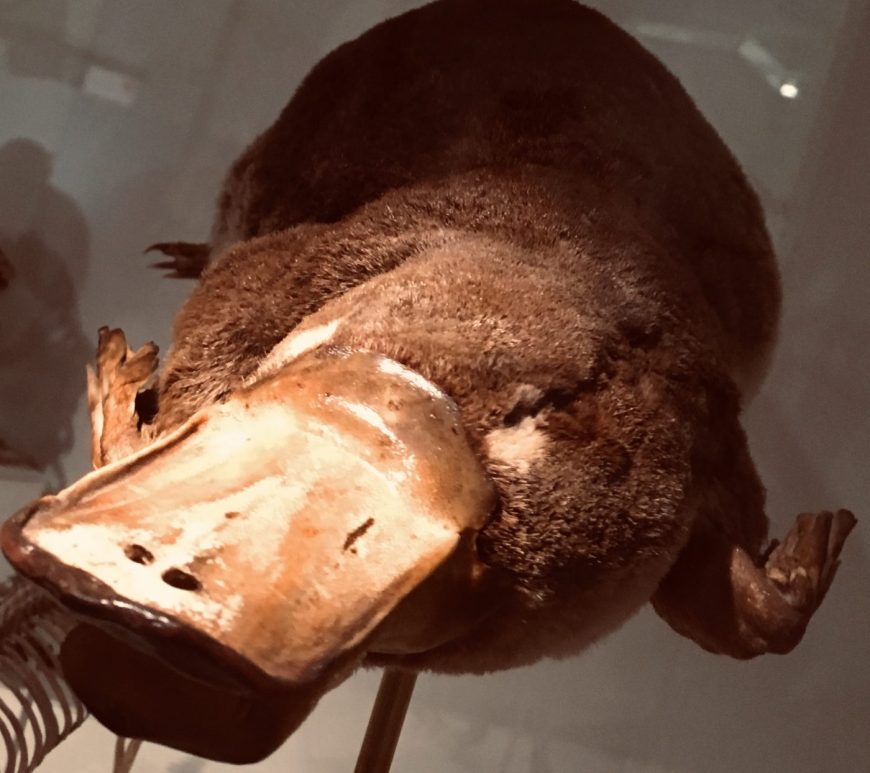
Animal Alphabet: P is for Platypus
Join us every Tuesday as we make an alphabet from the animals in the Museum of Zoology. Today is the letter P: P is for platypus, puffin, penguin, polar bear, porcupine fish, porcupine and parrot. Can you think of any others? Join us next week as we explore the animals in the Museum beginning with the letter Q – can you think of any? Continue reading Animal Alphabet: P is for Platypus
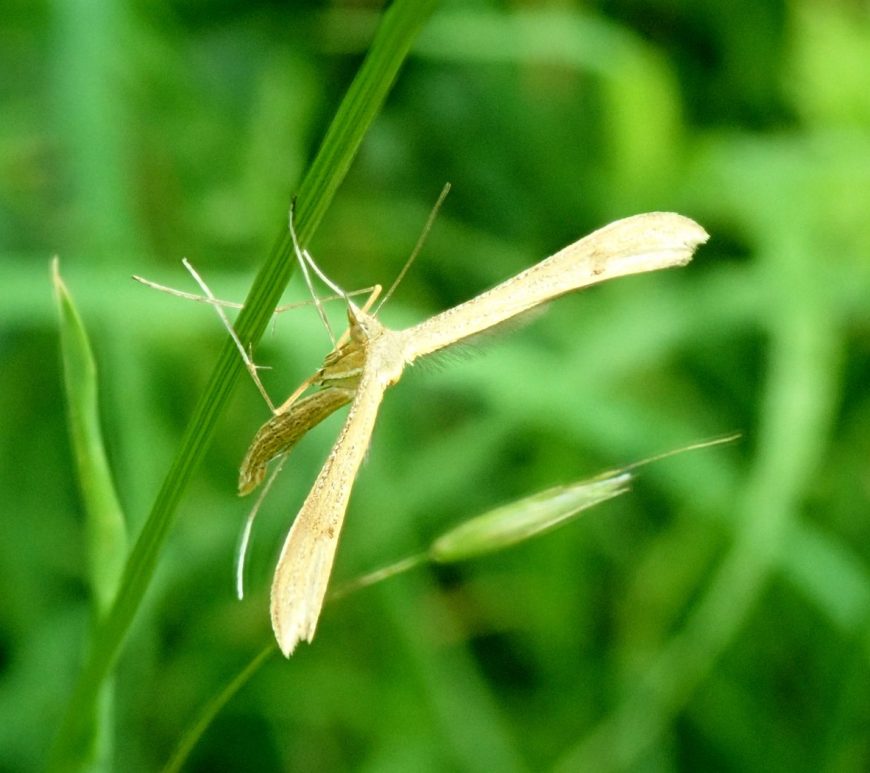
An Insect A Day Part 10
Have you been following the insect photo diary of Prof Bill Amos of the Department of Zoology? Here it continues with beautiful butterflies, unusual moths, and surprising flies. You can see more of Bill’s photographs on the blog: An Insect A Day for bee fly, orange tip buttefly and parasitic wasp. An Insect A Day continues for scorpion fly, shield bug and click beetle. An … Continue reading An Insect A Day Part 10

Reversing the decline of priority species
To celebrate International Women’s Day and Women’s History Month the Museum is sharing the stories of 27 inspirational women, alongside the animals they work with the most. Dr Jennifer Smart RSPB “Species conservation is at the heart of everything I do, and my favourite group of birds are waders like the black-tailed godwit. I work for the RSPB where as a scientist, I was trying … Continue reading Reversing the decline of priority species

Watching Summer Wildlife
This is the final Nature Classroom post before the summer holidays. We hope you have been enjoying exploring the natural world with us this term. We thought we would finish the term with some fun activities engaging with the wildlife on your doorstep. There is information about a fantastic citizen science project from Butterfly Conservation, as well as wildlife-watching activities as part of Summer at … Continue reading Watching Summer Wildlife
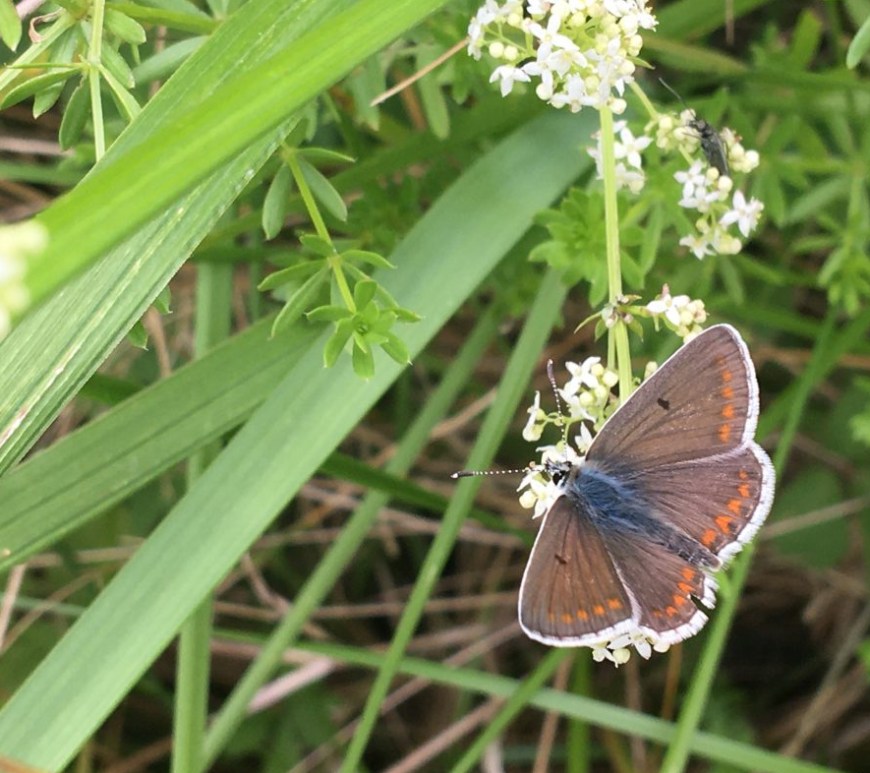
Zoology Live: your sightings on iRecord
Thank you to everyone who took part in our Zoology Live iRecord challenge. We asked you to send in wildlife sightings from where you live and we received over 100 entries, which included 86 different species. Our involvement with national insect week clearly struck a chord as 79 of these species were minibeasts and the most common sightings were hoverflies. We also had sightings of … Continue reading Zoology Live: your sightings on iRecord
Conserving migratory species through mapping
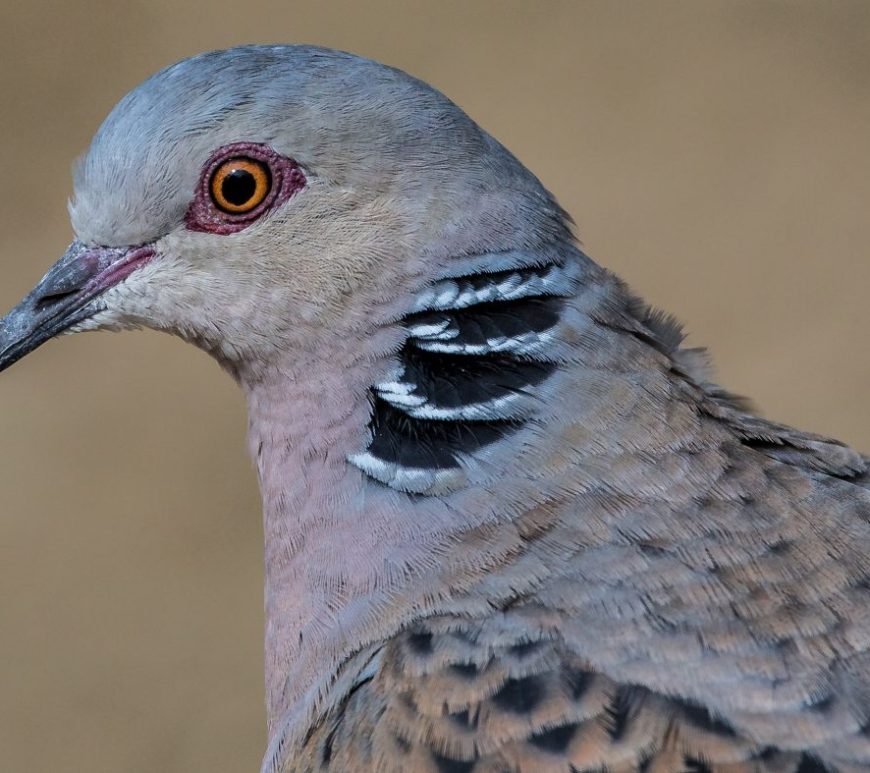
To celebrate International Women’s Day and Women’s History Month the Museum is sharing the stories of 27 inspirational women, alongside the animals they work with the most. Dr Susana Requena-Moreno RSPB, International Science Team “The European turtle dove is threatened with extinction. I analyse the information from satellite tracking and remote sensing to help identify the drivers of population decline throughout the doves’ migratory cycle. … Continue reading Conserving migratory species through mapping

Create a sloth bear
Sloth bears live in the tropical forests, scrublands and grasslands of south Asia; countries such as Sri Lanka, Indian and Nepal. They are smaller than brown or polar bears, with long shaggy black fur. Sloth bears are omnivorous and eat a range of fruit, nuts, insects, eggs and plants. They use their long claws to dig into the mounds and nests of ants and termites, … Continue reading Create a sloth bear
Animal Alphabet: O is for Okapi
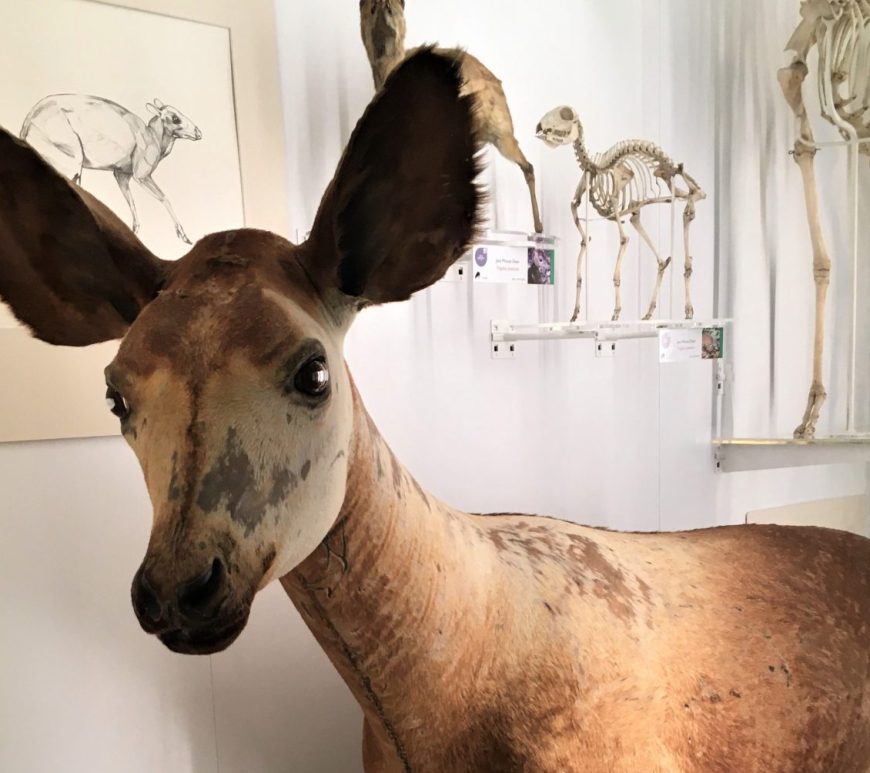
Join us every Tuesday as we make an alphabet from the animals in the Museum of Zoology. Today is the letter O: O is for okapi, owl, octopus, orangutan, otter, orca and ostrich. Can you think of any others? Join us next week as we explore the animals in the Museum beginning with the letter P, including a black and white seabird or two… Continue reading Animal Alphabet: O is for Okapi
 Museum of Zoology Blog