

 Sticky post
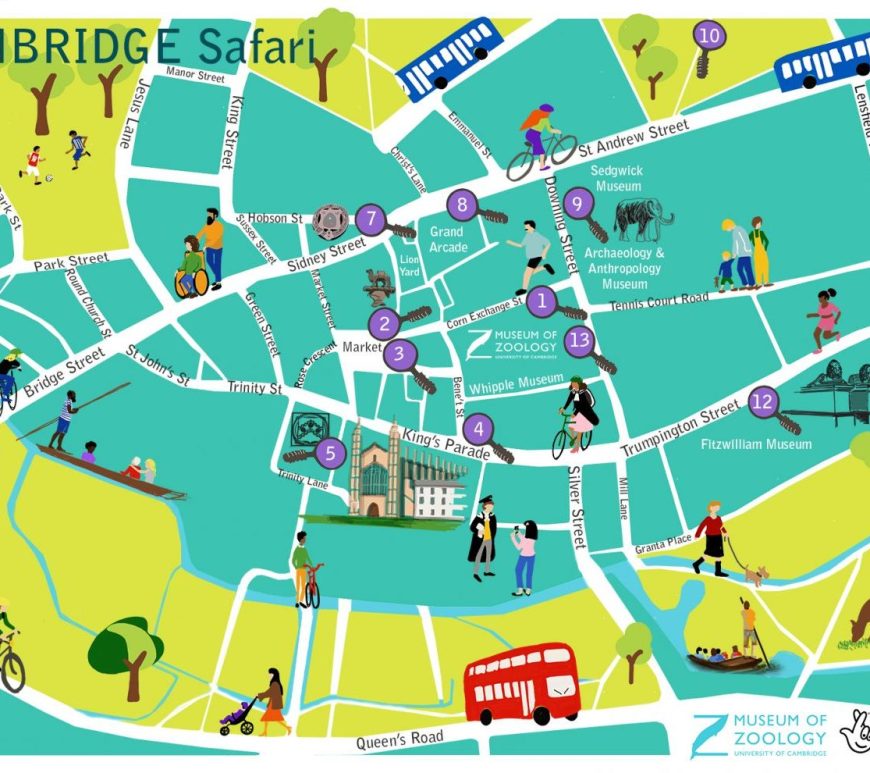
Cambridge Wildlife Safari Trail
Go on safari in Cambridge’s green spaces to discover the plants and animals that live in these city centre wildlife havens. Follow the map and clues below to discover the wildlife of central Cambridge. Our Wildlife Safari Trail can be followed on a smartphone here, downloaded to your own device, or printed at home before your journey: Use the Cambridge Wildlife Safari map and the clues below to find … Continue reading Cambridge Wildlife Safari Trail

 Sticky post
Animal Adventurers: the game
The natural world is full of stories to discover. Use the Museum of Zoology collection to explore habitats, complete puzzles and build a team of the animals you meet along the way. Before you begin: Grab a pencil and piece of paper so that you can record your favourite stories or animals while you play. Draw a picture of your ultimate animal team to share … Continue reading Animal Adventurers: the game
 Sticky post
Cambridge Urban Safari Trail
Go on safari in Cambridge’s urban jungle and search for animals of land and sea in the buildings. Follow the map and clues below to discover animals in the architecture of the city’s buildings. Our Urban Safari Trail can be followed on a smartphone here, downloaded to your own device, or printed at home before your expedition: Use the Cambridge Safari map and the clues … Continue reading Cambridge Urban Safari Trail
 Sticky post
Community Gallery
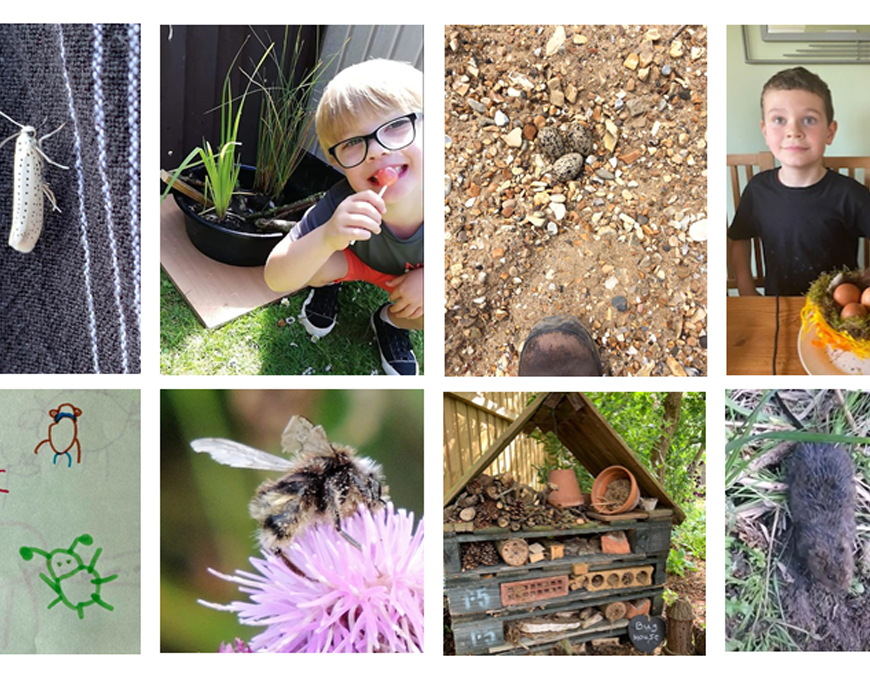
We’re noticing the wildlife around our homes, gardens and during our daily exercise more and more. As the seasons change there are many opportunities to see the creatures that live around us. This page is for our community and that includes you! We’ll be featuring your wildlife sightings, Crafty Creature makes and creations. Check back later for updates and see below for how you can … Continue reading Community Gallery
Living Links
In April 2026, a group of 28 Year 12 students from schools and colleges across the UK attended a residential programme run jointly between the Museum of Zoology, Clare College and Cambridge University Botanic Garden to create a temporary exhibition exploring connections in nature. Living Links was the result. The title and all the text you can see on this blog post was written by … Continue reading Living Links

Design a Museum Trail: Nature Through her Eyes
Be part of designing an upcoming trail that will be featured in the Museum! We are collecting feedback on our trail ‘Nature through her Eyes: Women in STEM’, that showcases the amazing research being undertaken by some of the brilliant women in the Department of Zoology. From ancient fossils to large-scale conservation, our researchers are exploring all facets of the natural world, so join us … Continue reading Design a Museum Trail: Nature Through her Eyes

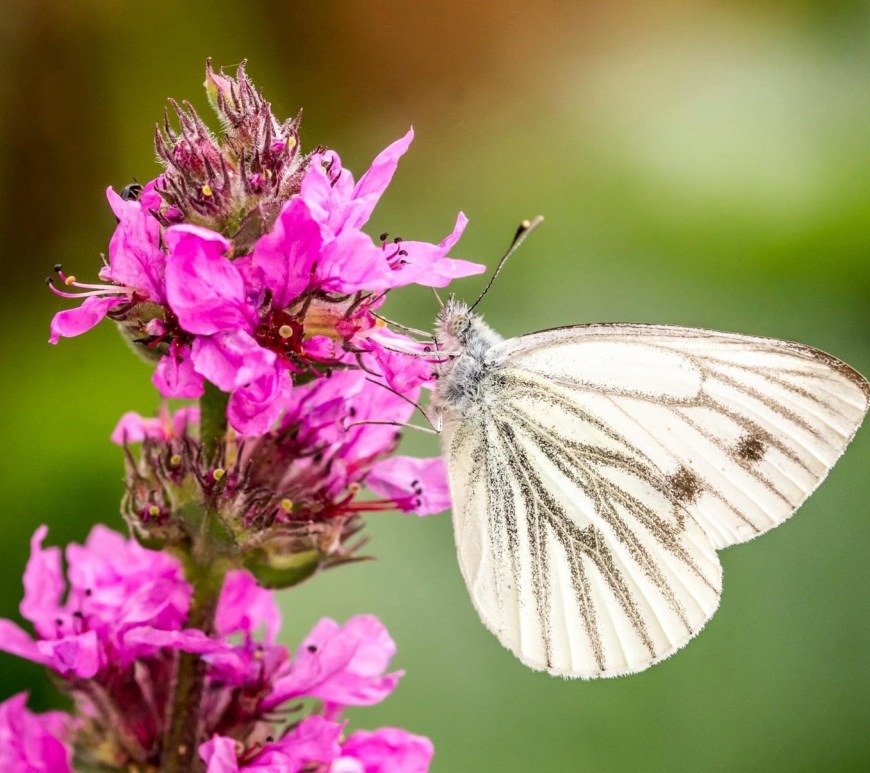
Zoology Live! 2026
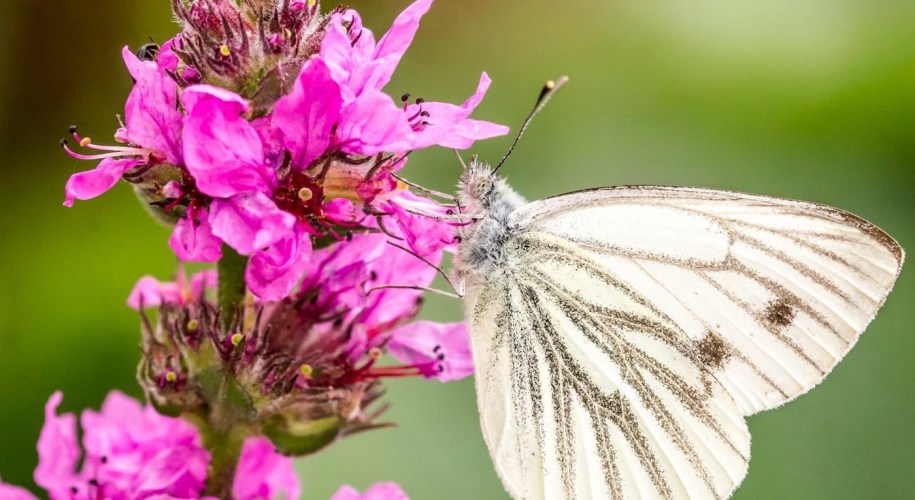
For Zoology Live! 2026, we are exploring the incredible world of insects. Insects are the little things that rule the world. We can’t survive without them. Insects pollinate our crops, control pests and process poo, amongst other important roles within habitats the world over. On Thursday 2nd July, we went live on YouTube, joined by ladybird expert Prof Helen Roy, and butterfly expert Matt Hayes, … Continue reading Zoology Live! 2026

Winter Wildlife: Ice Age Earth
Join us as we step back in time to see the changing climate of East Anglia over the years, in fact, over the millenia. That’s right, we are going back into the Pleistocene, sometimes referred to as the Ice Age (but I’m sure you all know that 1. the temperatures went up and down during this time, it wasn’t always cold; and 2. there have … Continue reading Winter Wildlife: Ice Age Earth

Fragile Harmony
In April 2025, a group of 30 Year 12 students from schools and colleges across the UK attended a residential programme run jointly between the Museum of Zoology, Clare College and Kettle’s Yard to create a temporary exhibition exploring art and nature. Fragile Harmony was the result. The title and all the text you can see on this blog post was written by the students. … Continue reading Fragile Harmony
Zoology Live! Insectopia
It’s that time of year again – time for our Zoology Live! festival. This year we are working in partnership with the Amateur Entomologist’s Society to bring you a livestream and family event all on a theme of insects! Scroll down to catch up on our live interview with Dr Erica McAlister, all about the amazing world of flies, to find out about techniques to … Continue reading Zoology Live! Insectopia

Zines for Pollinators
Earlier this year, we had on display a small exhibition of zines on a theme of pollinators in the Museum. To celebrate World Bee Day on May 20th, we wanted to share these inspiring pieces more widely. Follow the Zines for Pollinators below, and learn how to make your own. This exhibition was curated by Nynke Blömer, PhD student in the Museum of Zoology, and … Continue reading Zines for Pollinators
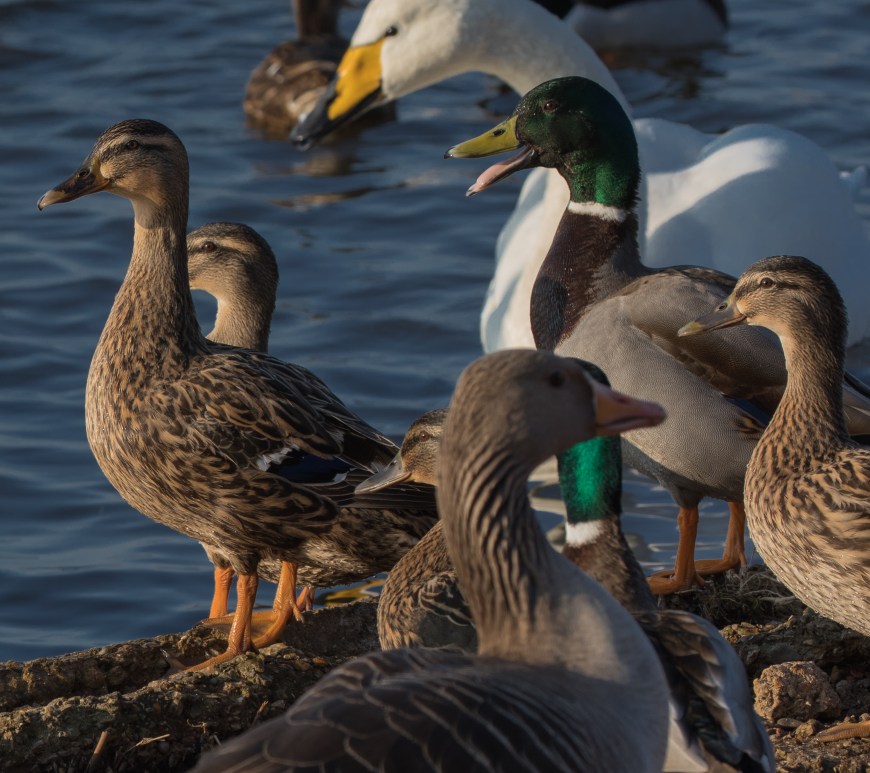
Bird Palates and Feeding
Dr Olivia Plateau, Department of Earth Sciences, writes: Birds, the only surviving branch of the theropod dinosaurs, are one of the most species-rich extant vertebrate groups with more than 11,000 species. They show great diversity in terms of size, colour, shape and ecology, occupying almost all habitats on the surface of the Earth. I am an evolutionary biologist, and I am particularly interested in the … Continue reading Bird Palates and Feeding
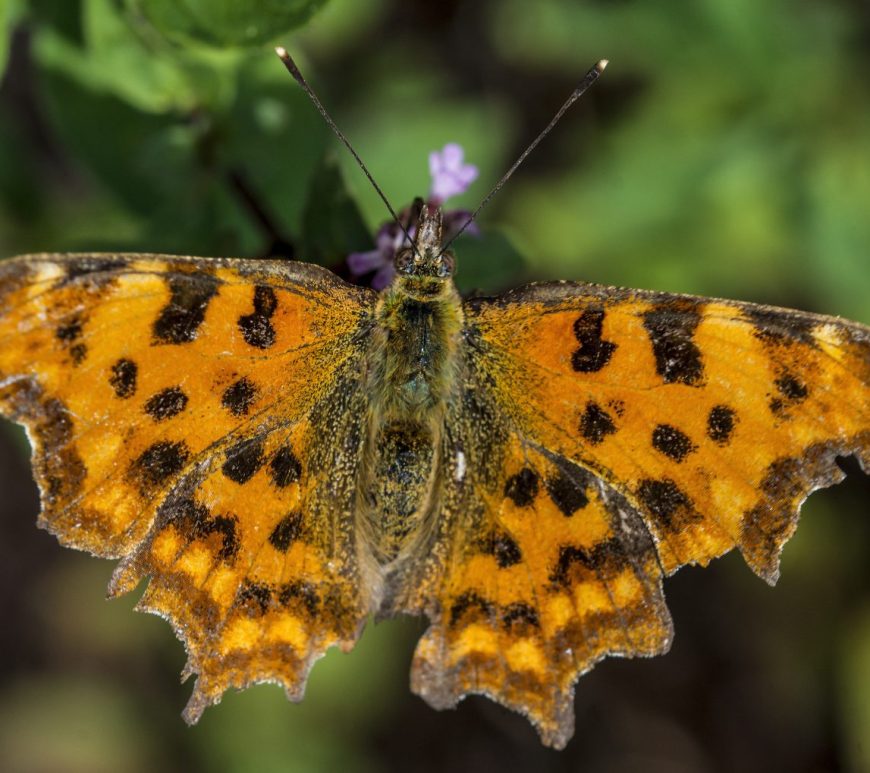
Butterfly Banks and the Public
Rosalind Mackay, Museum of Zoology, writes: I am currently studying for a master’s in the Department of Zoology here at the University of Cambridge. My project is about insect conservation and public engagement. These two seemingly disparate aspects are connected by the intervention we’re trialling. Prof Ed Turner, my supervisor, has been collaborating with the Wildlife Trust for Bedfordshire, Cambridgeshire and Northamptonshire for several years … Continue reading Butterfly Banks and the Public

Imaging Dinosaurs
Annabel Hunt, Department of Earth Sciences, writes: I study dinosaur skull anatomy for my PhD research at the University of Cambridge. I am a member of the Field Palaeobiology Research Group and I am supervised by Professor Daniel Field and co-supervised by Professor Steve Brusatte. Prior to starting my PhD here in Cambridge, I studied a four-year Integrated Master’s degree in Earth Sciences at the … Continue reading Imaging Dinosaurs
Mapping Viruses
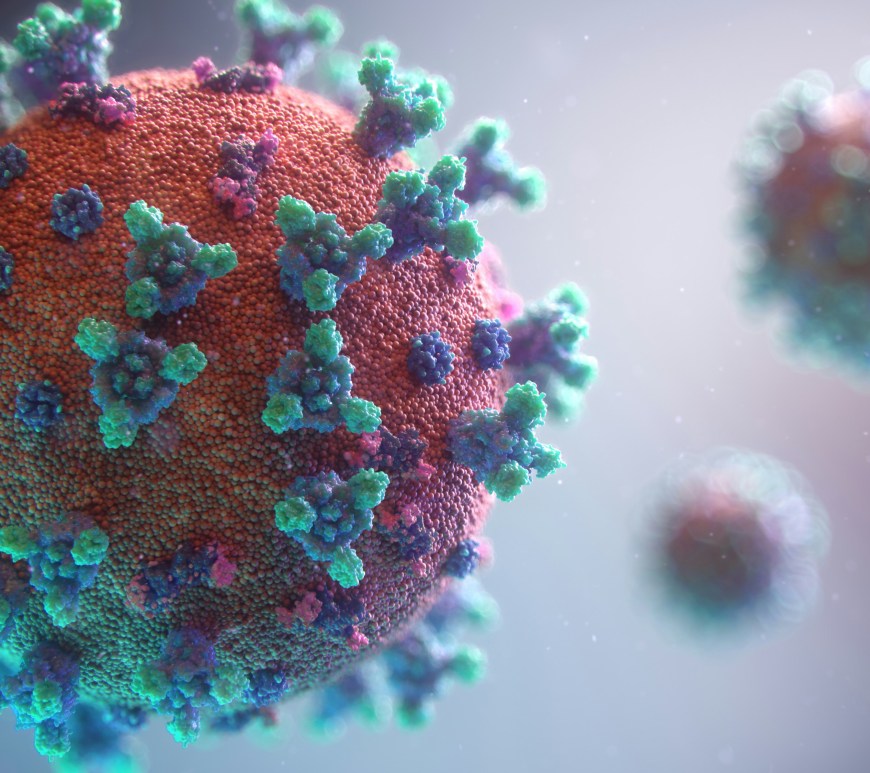
Antonia Netzl, Department of Zoology, writes: I research vaccination strategies against SARS-CoV-2, the causative agent of COVID-19. SARS-CoV-2 is a virus that evolves, which means that it changes over time. These changes lead to its escape from immunity that was generated against a previous strain – the evolved strain is too different to be recognized by our immune system. To keep up with virus evolution … Continue reading Mapping Viruses
Conservation Evidence – supporting practitioners to do more of what works and less of what doesn’t
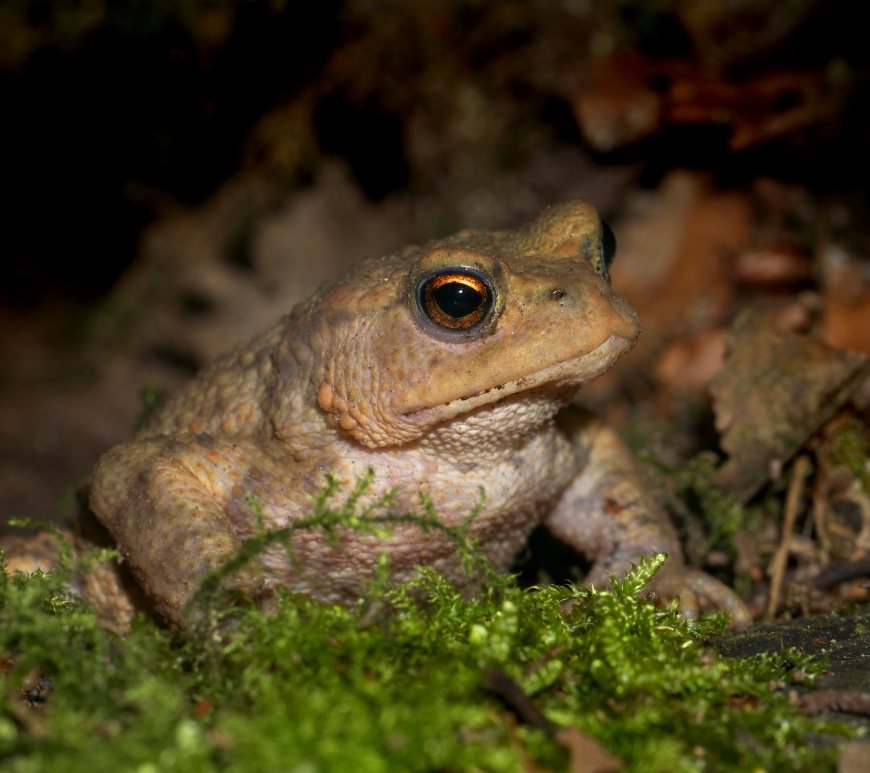
Dr Rebecca Smith, Conservation Evidence Manager, writes: Does helping toads across roads actually help increase their populations, or using different coloured tree guards improve the survival of newly planted trees? Conservation actions are often not as good as they need to be to protect and restore species and habitats because information about which actions work (or don’t) is not used by those deciding what to … Continue reading Conservation Evidence – supporting practitioners to do more of what works and less of what doesn’t

Balancing Agriculture and Conservation: A Journey in Restoration Ecology
Sacchi Shin-Clayton, Museum of Zoology, writes: When we think about conservation, our minds often go to preserving untouched natural forests. While this is undeniably important, we sometimes overlook the pressing need to restore the landscapes we’ve already transformed through human activity. Agriculture, for instance, is one of the biggest drivers of landscape change worldwide, and with the ever-growing demand for food, it’s only intensifying. The … Continue reading Balancing Agriculture and Conservation: A Journey in Restoration Ecology

Saving the Gharial: Combining Science and Conservation
Aramish Fatima, PhD student in the Department of Zoology, writes: When you think of crocodiles, you might imagine powerful, fearsome predators lurking in murky waters. But not all crocodylians fit that image. The Indian gharial (Gavialis gangeticus) is a unique and fascinating species—distinguished by its long, slender snout adapted for catching fish and a more peaceful nature compared to its relatives. Once found in abundance … Continue reading Saving the Gharial: Combining Science and Conservation


Why and how organisms diversify?
Emilia Santos NERC Independent Research Fellow and Assistant Professor: As an evolutionary biologist, I study the origins and maintenance of Earth’s remarkable organismal diversity. My research focuses on understanding how organisms function and diversify into different species. I use Lake Malawi cichlid fishes as a model system –an extraordinary example of recent adaptive radiation, with over 700 species evolving in just the past million years. Despite … Continue reading Why and how organisms diversify?

