



Recycled Rockpool
Did you make a rainforest with us last summer? With the end of the summer holidays coming, why not relive seaside memories and make your own rockpool habitat out of recycled materials? We have some inspiration and ideas for you here, but you can let your imagination run wild and make creatures from crabs to sea anemones, starfish to periwinkles… Read on to discover rockpool … Continue reading Recycled Rockpool

Portals to the World: Exploring Breaking Point
Please note that the Breaking Point exhibition has now ended. These resources remain here to be stand-alone and hope to still spark conversations around conservation, plastics and the natural world. Explore our Breaking Point exhibition with dementia friendly resources. These resources have been created in partnership with Dementia Compass, for adults with dementia and their care partners in mind. While they were initially created for participants … Continue reading Portals to the World: Exploring Breaking Point


Pondwatch: Rockpools
It’s the summer, and so in the last of our posts celebrating National Marine Week we are having a go at our favourite beach holiday activity: rockpooling. Join Learning Officer Dr Roz Wade as she explores the animals living in the rockpools of the west coast of Scotland. Watch the feeding tentacles of sea anemones, the slow but steady movements of sea snails, darting fish, … Continue reading Pondwatch: Rockpools
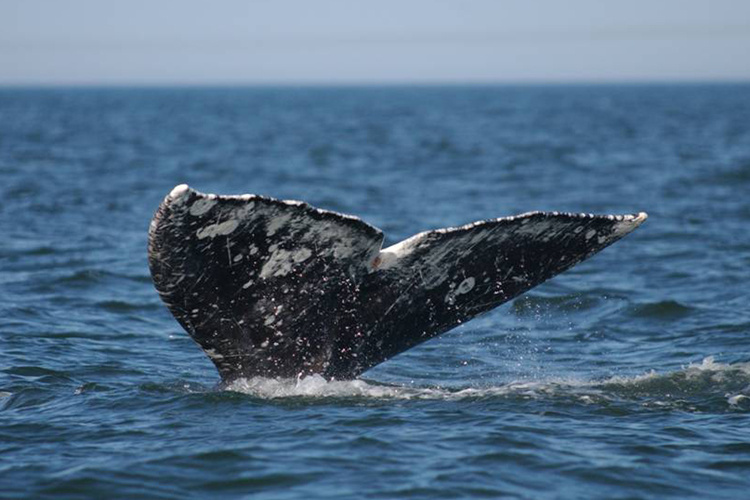
How to Study: Whales
Anna Guasco: Interdisciplinary Methods to Study Stories Told About Whales I’m Anna, the author of the blogs in this series for National Marine Week and a PhD student in the Department of Geography. I’m from the United States. What do I Study, why do I study it, and how did I come to study it? I study the stories people tell about historical and contemporary … Continue reading How to Study: Whales

How to Study: Pearls of the Past
In this blog series for National Marine Week, Geography PhD Student Anna Guasco describes the many ways Cambridge postgraduate researchers study life in the ocean. Here she interviews: Tamara Fernando: Marine Historical Ecology and Archival Methods Tamara is a PhD student in the Faculty of History. She is from Sri Lanka. Using a historian’s tools to explore these stories of underwater change, ecosystem variance, and … Continue reading How to Study: Pearls of the Past
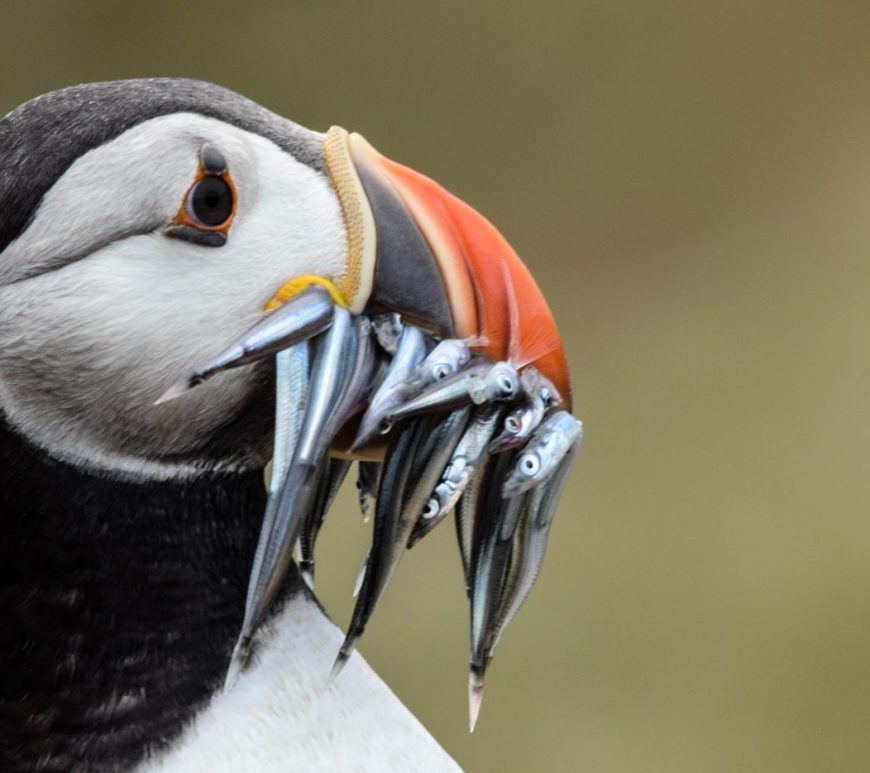
How to Study: Seabirds
In this blog series for National Marine Week, Geography PhD Student Anna Guasco describes the many ways Cambridge postgraduate researchers study life in the ocean. Here she interviews: Lily Bentley: Seabird Movement Ecology Lily Bentley is PhD Student in the Department of Zoology. She is from Australia. “We can’t hope to conserve or manage populations of animals that travel vast distances unless we know where … Continue reading How to Study: Seabirds
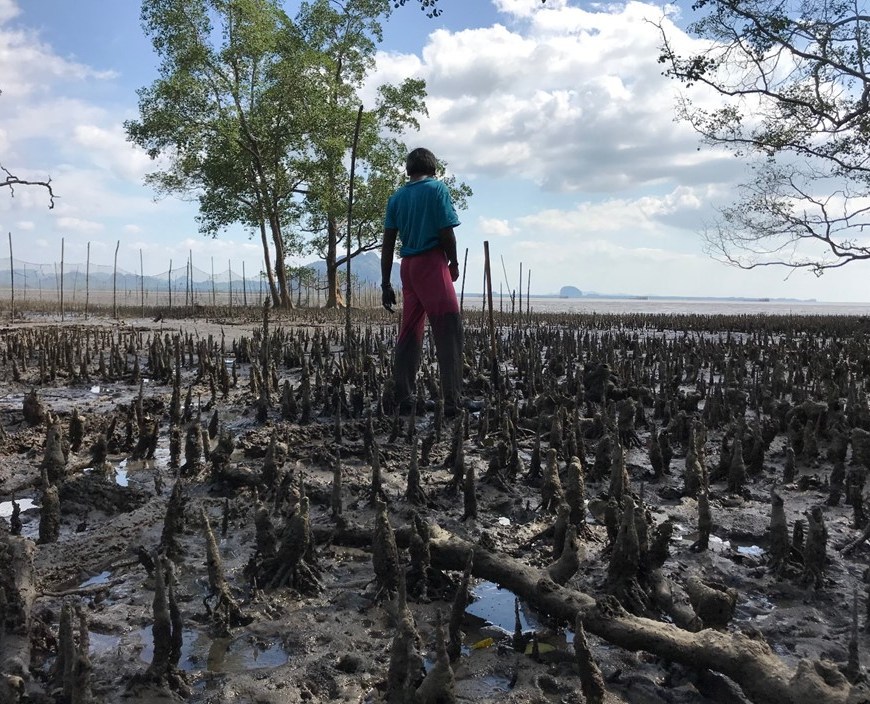
How to Study: Coastal Ecosystems and Conservation
In this blog series for National Marine Week, Geography PhD Student Anna Guasco describes the many ways Cambridge postgraduate researchers study life in the ocean. Here she interviews: Frédérique Fardin: Mangroves, Fisheries, and Conservation Frédérique is a PhD student with the Department of Geography and the UN Environment World Conservation Monitoring Centre. She is an affiliated researcher with the Nippon Foundation Nereus Program and a … Continue reading How to Study: Coastal Ecosystems and Conservation
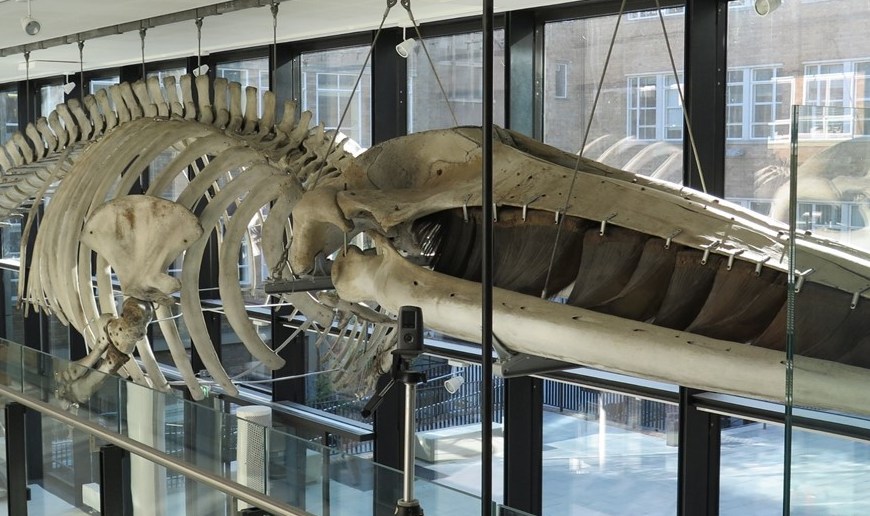
How to Study Marine Life in the World’s Changing Seas
In this blog series for National Marine Week, Geography PhD Student Anna Guasco describes the many ways Cambridge postgraduate researchers study life in the ocean: Cambridge isn’t exactly known for marine life. Instead, when thinking of Cambridge, you might picture cows grazing in Midsummer Common or along the River Cam. Pathways winding along the Backs of the old Colleges. Weeping willows and wildflowers. Swans and … Continue reading How to Study Marine Life in the World’s Changing Seas

Crochet a Nautilus: beginners guide
Volunteer Natasha says: This quick and easy little crochet shell is a brilliant way to use up those leftover scraps of yarn and would look great as a decorative addition to any crafty project, like on a cosy blanket or hanging on a mobile! You can use any fibre/material yarn of your choice but be aware that thicker yarns will produce larger shells and the … Continue reading Crochet a Nautilus: beginners guide
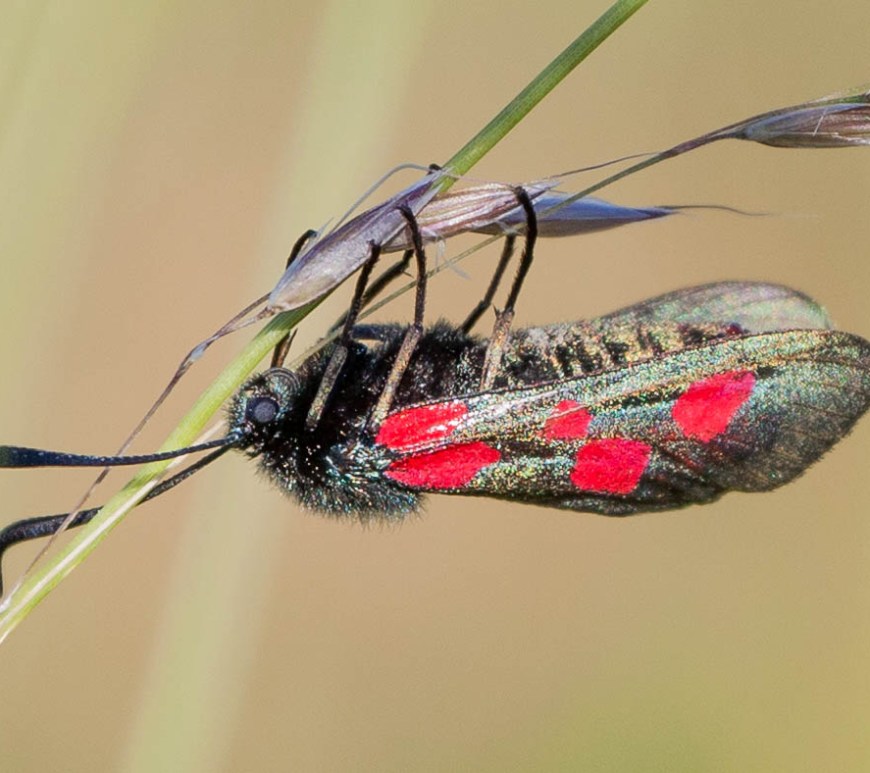
National Moth Week 2021
July 17-25 is National Moth Week 2021. To celebrate, we are revisiting a moth trap from 2020, and finding out more about some of the British moths in our collections with Research Assistant Matt Hayes. Why not join us at the BioBlitz in the Cambridge University Botanic Garden on Friday 23 and Saturday 24 July to find out more about moth surveying and see some … Continue reading National Moth Week 2021

The Duke of Burgundy Butterfly
Conserving an endangered butterfly into the future: long term requirements of the Duke of Burgundy. Research Assistant at the Museum of Zoology Matt Hayes writes: Seeing butterflies on the wing is usually a sure-fire sign that warmer weather has arrived and for most of us, I hope they are a common sight on sunny days in spring and summer. In fact, one of my favourite … Continue reading The Duke of Burgundy Butterfly

BioBlitz Cambridge 2021
We are working again with the Botanic Garden to try to count as many species as possible in 24 hours, and we would love you to join us. This year’s BioBlitz is taking place from 5pm on Friday 23 July to 5pm on Saturday 24 July. From hands-on wildlife surveying activities to natural history walks with experts at the top of their field, there is … Continue reading BioBlitz Cambridge 2021
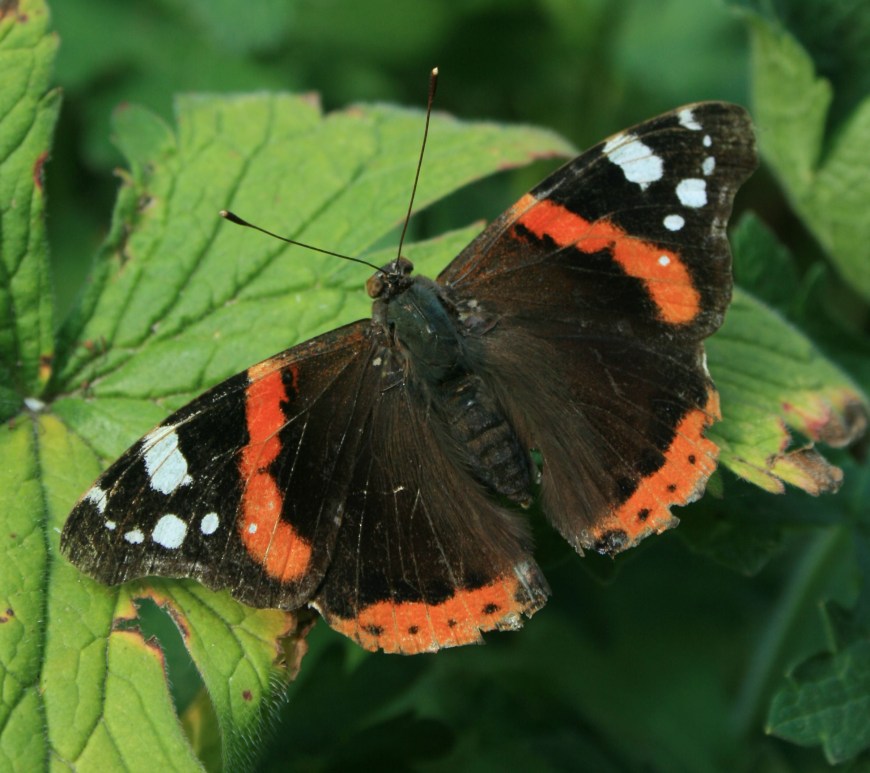
Butterfly Challenge 2021
Recording butterflies is a great way to engage with wildlife and what’s more, it can help us monitor the health of the environment. Butterflies are sensitive to change, so recording where we see them and what they are doing can help us keep track of the natural world. Please note that our Butterfly Challenge 2021 competition has now ended, but you can still record and … Continue reading Butterfly Challenge 2021

Protest Plastics Challenge 2021
This year for Zoology Live and in celebration of our summer exhibition Breaking Point, we are challenging you to take part in a Protest Plastics challenge. There’s a few ways to get involved, from creating a Protest Plastics sculpture to pledging to swap a plastic item. Please note that our Protest Plastics Challenge 2021 competition has now ended. You can still create a sculpture of … Continue reading Protest Plastics Challenge 2021
 Sticky post
Cambridge Wildlife Safari Trail
Go on safari in Cambridge’s green spaces to discover the plants and animals that live in these city centre wildlife havens. Follow the map and clues below to discover the wildlife of central Cambridge. Our Wildlife Safari Trail can be followed on a smartphone here, downloaded to your own device, or printed at home before your journey: Use the Cambridge Wildlife Safari map and the clues below to find … Continue reading Cambridge Wildlife Safari Trail
 Museum of Zoology Blog