



Museum of Zoology E-Newsletter
Stay in touch and receive our latest news, events, crafts, films & all things zoological. Packed full of interesting reads, activities for the whole family and virtual live events to be coming soon: Your privacy is important to us. The University Museum of Zoology will use your details to contact you with information about events and news at the Museum. By completing this form you are indicating that you are … Continue reading Museum of Zoology E-Newsletter


World Bee Day
May 20th is World Bee Day. But why should we care about bees? Museum Research Assistant Matt Hayes explains why we should celebrate these amazing insects. Continue reading World Bee Day

Bird Brainteaser
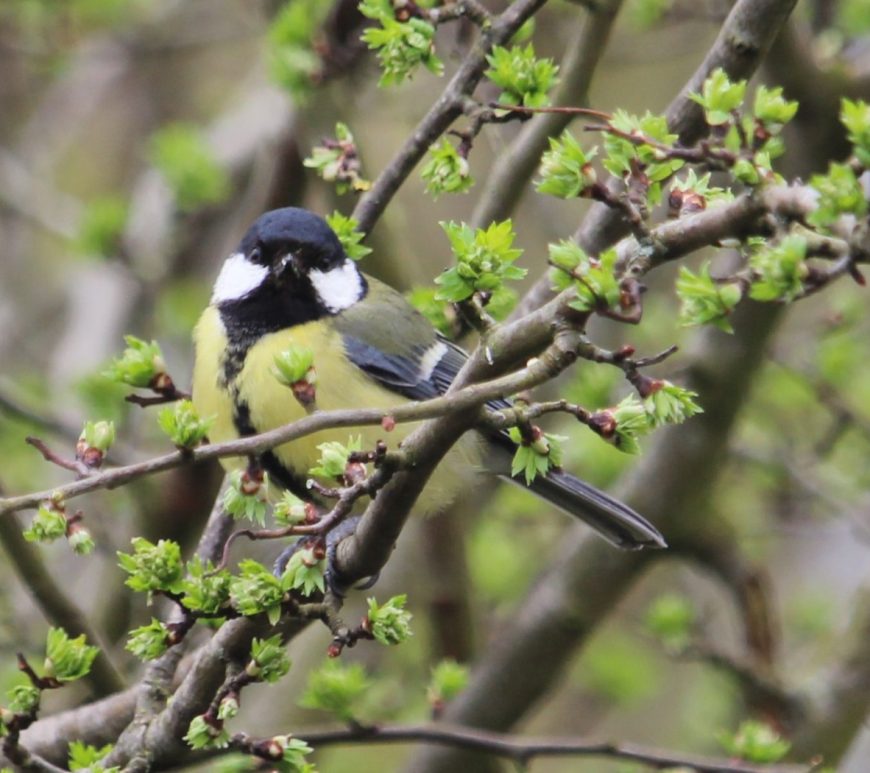
We have something a little different for you for Wildlife From Your Window today: can you spot the British birds (and other animal) in these cryptic clues? This British Birds Crossword was created by Department of Zoology PhD student Tanmay Dixit, working on African cuckoos. Find out more on the African cuckoos research group website. Enjoy! You can find the answers here: Continue reading Bird Brainteaser

Animal Alphabet: G is for Giraffe
Join us every Tuesday as we make an alphabet from the animals in the Museum of Zoology. Today is the letter G: G is for giraffe, gibbon, goldfinch, greenfinch, grasshopper, giant ground sloth and gannet. Can you think of any others? Join us next week for animals in the Museum beginning with the letter H. Expect something prickly and some fascinating birds… Continue reading Animal Alphabet: G is for Giraffe
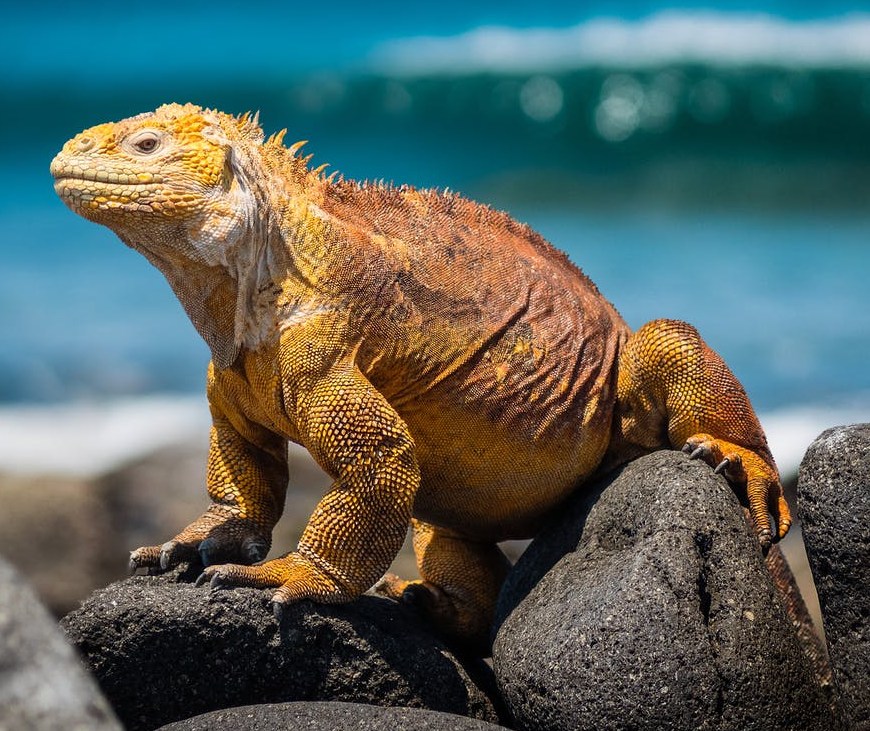
Urbanisation on the Galápagos Islands
To celebrate International Women’s Day and Women’s History Month the Museum is sharing the stories of 27 inspirational women, alongside the animals they work with the most. Dr Kiyoko Gotanda Department of Zoology “My research centres on how animals are adapting to human influences such as urbanisation. Permanent human populations now live on four of the Galápagos Islands. For animals, urbanisation drastically changes the environment … Continue reading Urbanisation on the Galápagos Islands

#BiodiversityWeek: Our Solutions are in Nature
The theme for the day shows that biodiversity remains the answer to a number of sustainable development challenges that we all face. From nature-based solutions to climate, food and water security, and sustainable livelihoods, biodiversity remains the basis for a sustainable future. Continue reading #BiodiversityWeek: Our Solutions are in Nature

Darwin and the bears ‘as monstrous as whales’
Museum Manager Jack Ashby writes: ‘As this week is Bear Awareness week it’s a good chance to share a story from the history of science involving Charles Darwin’s interpretations of what some bears’ behaviour might mean for the evolution of future bear species. ‘He had become aware of observations of a black bear catching insects in the water by swimming for hours with its mouth … Continue reading Darwin and the bears ‘as monstrous as whales’
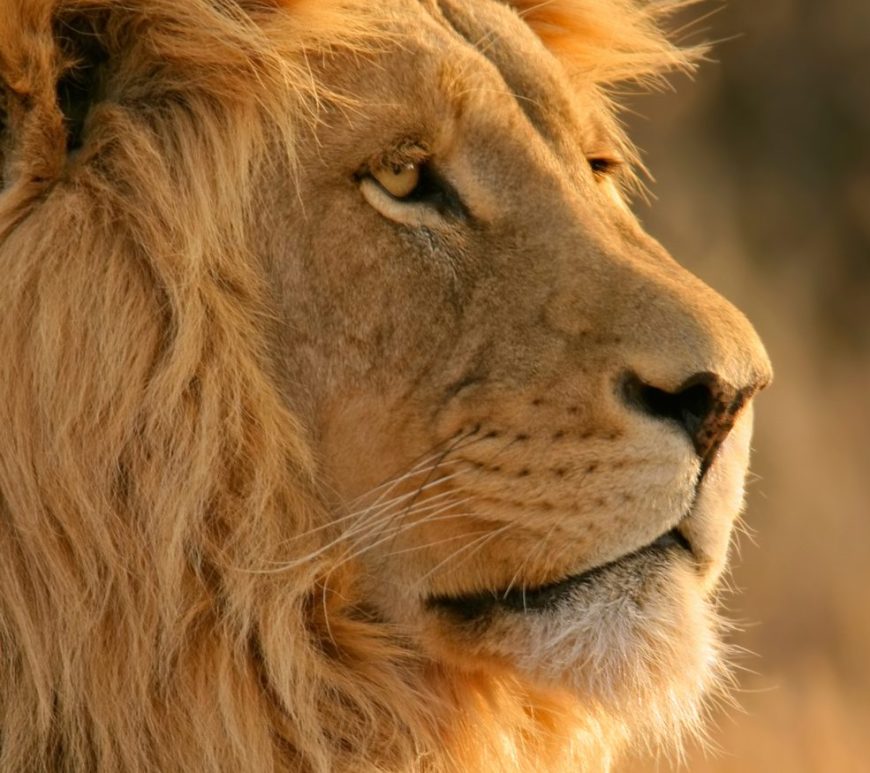
Jaws! Feeding Adaptations in Mammals
Animals have to eat. Unlike plants, we can’t make our own food. We can see that animals have lots of features geared up to making sure they don’t go hungry, from the senses that help them find food to the mouthparts that eat it and digestive system needed to break it down. In this Nature Classroom we will be exploring some of thefeeding adapations found … Continue reading Jaws! Feeding Adaptations in Mammals

An Insect A Day continues
It’s been a treat every Friday to share with you some of the wonderful close-up photographs of insects from Prof Bill Amos of the Department of Zoology. Scroll down for the latest batch from his insect photo diary. These beasties have some pretty amazing stories to tell! Why not have a go yourself? We would love to see your photos of wildlife where you are. … Continue reading An Insect A Day continues

Rhinos in art: not just a pretty picture
Oscar Wilson, graduate student says, Not being conventionally beautiful, cute or colourful, rhinos might not seem like the obvious choice for most artists. However they have a much more important role in art history than most animals and the importance of art to the five modern rhino species continues to this day. “How did it die?” One of the scariest questions you can be asked … Continue reading Rhinos in art: not just a pretty picture

Build your own Mini-Pond
Creating a pond is one of the best ways to provide a diverse range of habitats and attract a wide variety of new species to any outdoor space. You are likely to encounter wildlife you would otherwise never see, which makes pond dipping popular amongst children and adults alike. If you only have a small garden, or no outdoor space at all, then don’t worry … Continue reading Build your own Mini-Pond

Sunshine and Scales: British Reptiles
Alex Howard, PhD Student, writes: While our trademark rainy and cold weather are not always the most conducive to ‘herping’ (going outside to look for reptiles), the UK is in fact home to six different species of reptile. If you’re going on walks early in the morning, you may spot some of our native scaly friends. You’ll be lucky to see them, as all of … Continue reading Sunshine and Scales: British Reptiles

Climate responses in the absence of humans
To celebrate International Women’s Day and Women’s History Month the Museum is sharing the stories of 27 inspirational women, alongside the animals they work with the most. Dr Michela Leonardi Department of Zoology “If we want to improve conservation strategies in the face of the current climate emergency, we need to understand how climate influences animal distribution in the absence of human activity. This is … Continue reading Climate responses in the absence of humans
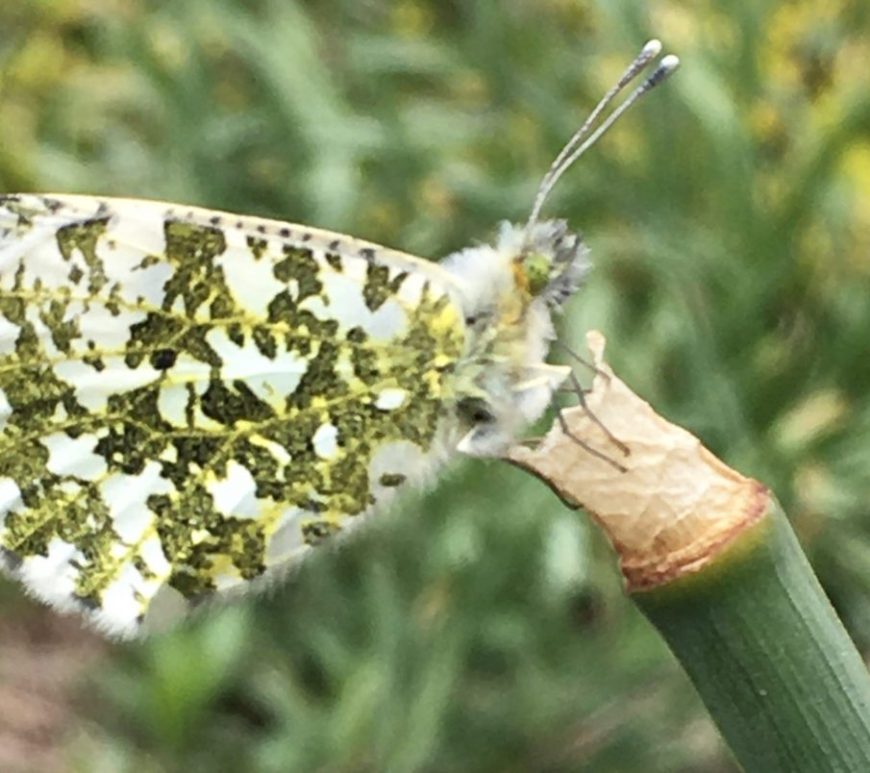
Butterfly Eggs
The Orange-tip (Anthocharis cardamines) is one of the most recognisable springtime butterflies. Over the last few weeks, many of you will have seen the males, with their distinctive orange wingtips, and the cloudy white females in your gardens. Now is a good time to see the start of the next generation of the butterflies, by searching for the butterfly’s beautiful amphora-shaped orange eggs on Garlic … Continue reading Butterfly Eggs

Create Arctic animal puppets
Animals in the Arctic are all connected. Sat on top of the world, the Arctic is made up of sea ice surrounded by land. It is very cold, and contains very little plant life. The animals that live there rely on each other for their food and survival in this unique environment. A food chain shows how the animals are related with each other by … Continue reading Create Arctic animal puppets
 Museum of Zoology Blog