



An Insect A Day part 9
Prof Bill Amos of the Department of Zoology continues his insect photo diary with soe wonderful portraits of damselflies, a bush cricket, and images of predation in action as a spider and a robber fly feast on hoverflies. You can see more of Bill’s photographs on the blog: An Insect A Day for bee fly, orange tip buttefly and parasitic wasp. An Insect A Day … Continue reading An Insect A Day part 9

Understanding dippers, understanding impact
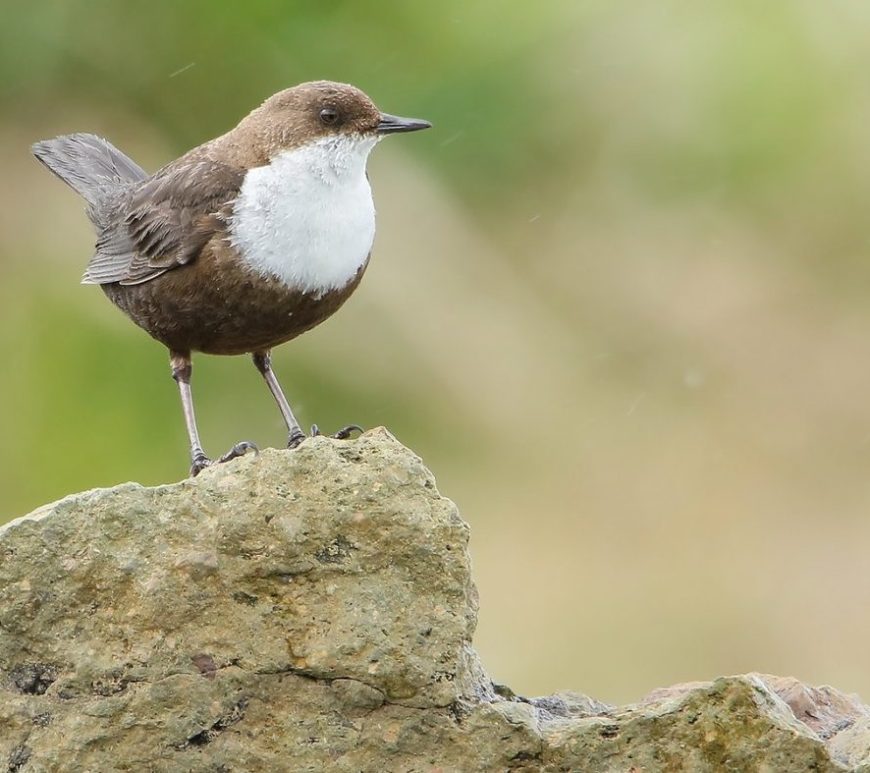
To celebrate International Women’s Day and Women’s History Month the Museum is sharing the stories of 27 inspirational women, alongside the animals they work with the most. Prof Juliet Vickery Head of International Research, Conservation Science RSPB “I firmly believe that effective conservation action should be under-pinned by science. My research has always focussed on understanding the impact of human-related environmental change on the natural … Continue reading Understanding dippers, understanding impact


Teachers: How can we help you?
As schools plan for a very different academic year to begin, we appreciate the new challenges being faced by teachers and pupils, and the amount of extra work and stress being placed on you at this time. The Museum’s learning team would like to support you however we can, and are looking to reimagine our schools programme with digital technologies in mind.To make this the best offer … Continue reading Teachers: How can we help you?

Exploring Skulls: Badger
Have you taking part in our Nature Classroom this term? A few weeks ago we looked in detail at feeding adaptations in mammals, from enormous lion canines to the grinding teeth of herbivores. Check out the animals and activities in our Jaws post here. This week’s nature classroom is an extension of this. Join Learning Offer Roz Wade as she shows you one of her … Continue reading Exploring Skulls: Badger
Reflections: Wildlife Trusts’ 30 Days Wild
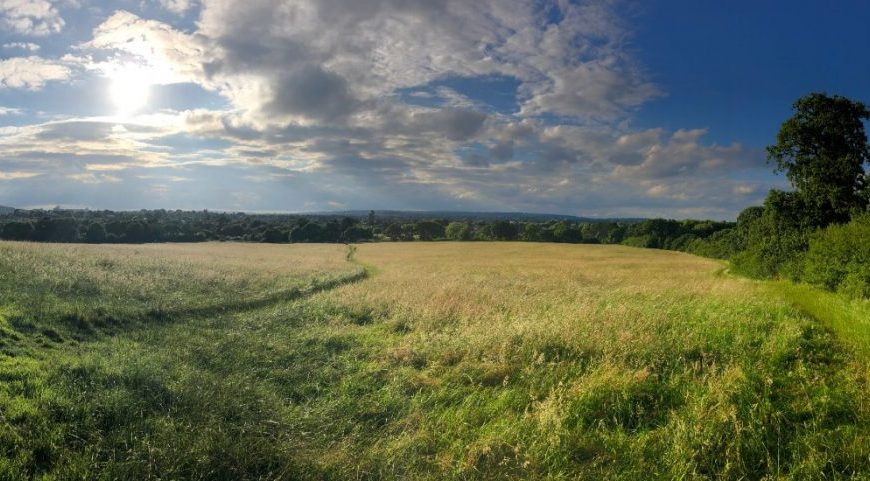
Kate Howlett, NERC-funded PhD student says: Back at the end of May, I set myself the challenge of taking part in the Wildlife Trusts’ 30 Days Wild initiative, so for every day in June I chose a ‘random act of wildness’ to complete. In a nutshell, I’m happy to report that all the hype and positive effects are true. I’ve spent a beautiful month, over … Continue reading Reflections: Wildlife Trusts’ 30 Days Wild
Garden Wildlife After Dark
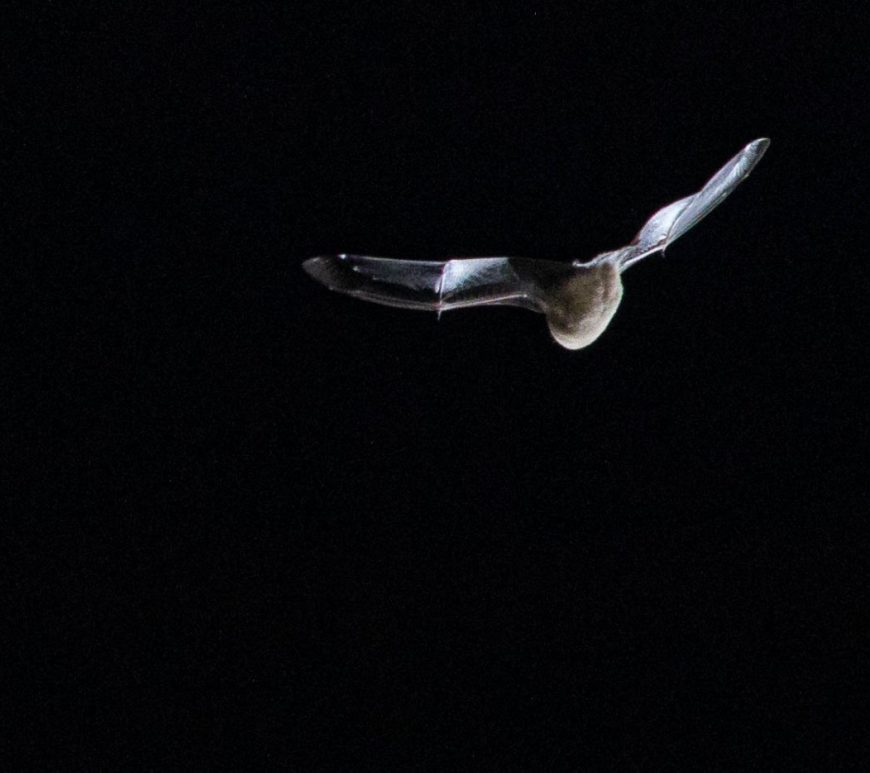
Join our Curator of Insects, Dr Ed Turner, as he explores the wildlife in his garden after the sun has set. Want to find out more about nighttime wildlife? Watch our Zoology Live broadcast with moth expert Annette Shelford and bat expert Henry Stanier: And find more activities related to nighttime wildlife on our post about Day 5 of Zoology Live. Observe the moths in … Continue reading Garden Wildlife After Dark

Bird Beaks and Evolution
A few weeks ago in Nature Classroom we explored feeding adaptations in mammals (you can find it here). There we saw how mammal teeth are adapted to the food they eat. But what about birds? Birds don’t have any teeth, but we can see adaptations to their diets in the shape of the beak. In this Nature Classroom we will be exploring evolution and adaptation … Continue reading Bird Beaks and Evolution
Animal Alphabet: N is for Narwhal
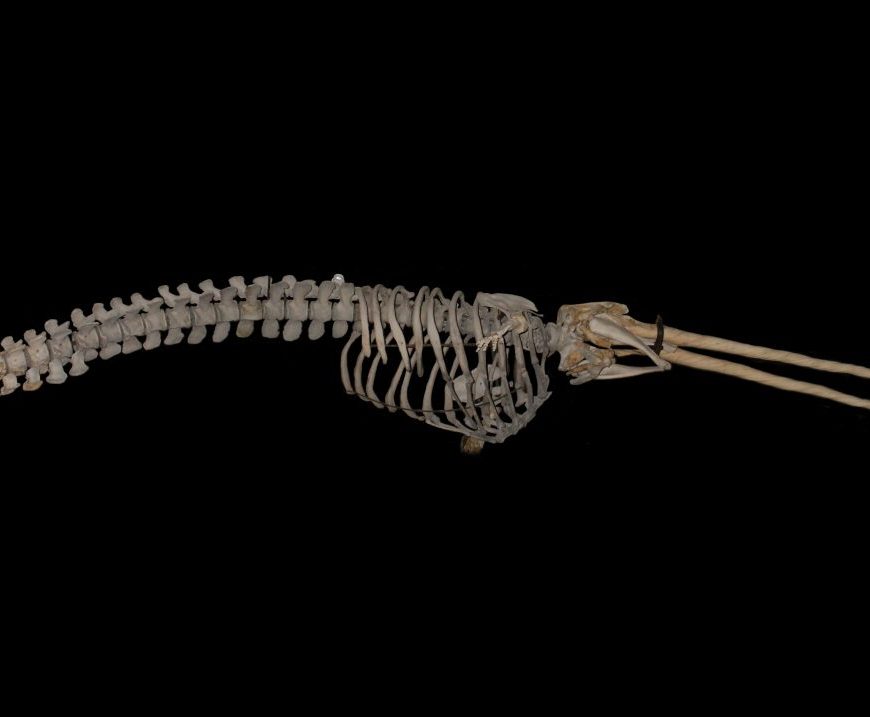
Join us every Tuesday as we make an alphabet from the animals in the Museum of Zoology. Today is the letter N: N is for narwhal, nightjar, nautilus, numbat, nuthatch, nyala and nest. Can you think of any others? Join us next week as we explore the animals in the Museum beginning with the letter O, including a big mammal with stripy legs… Continue reading Animal Alphabet: N is for Narwhal

An Insect a Day Part 8
Prof Bill Amos of the Department of Zoology continues his insect photo diary with a beautiful longhorn beetle, a selection of fascinating flies, and a wonderfully camouflaged caterpillar. You can see more of Bill’s photographs on the blog: An Insect A Day for bee fly, orange tip buttefly and parasitic wasp. An Insect A Day continues for scorpion fly, shield bug and click beetle. An … Continue reading An Insect a Day Part 8
Citizen Science
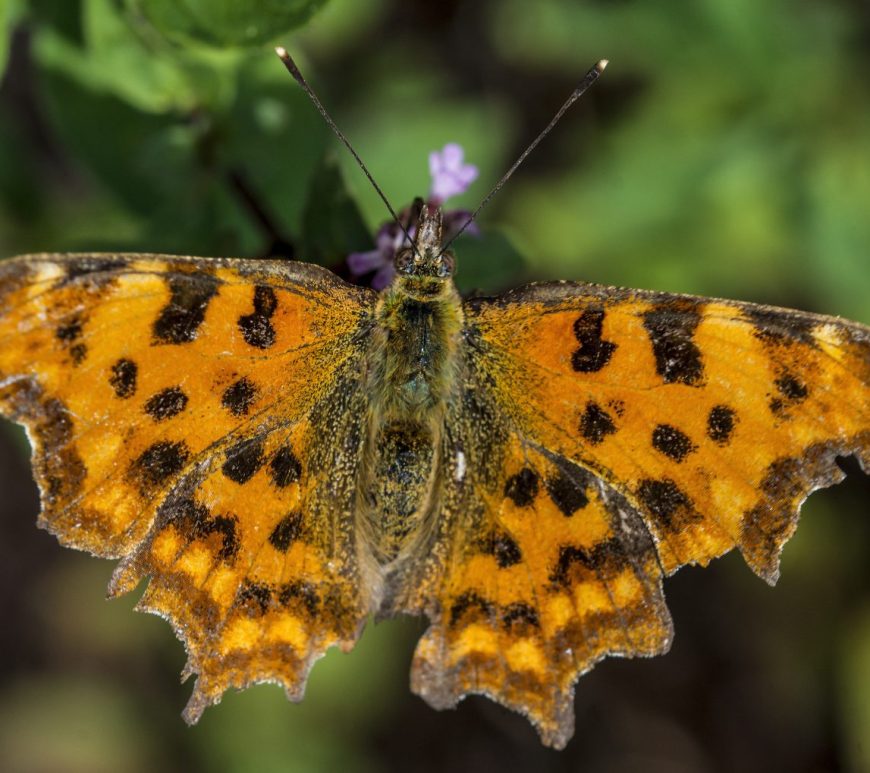
Did you take part in our Zoology Live 2020 event on iRecord? Have you thought about taking part in a wildlife survey as a citizen scientist? Museum Research Assistant Matt Hayes takes a deep dive into the world of citizen science, discussing how it benefits our understanding of the natural world, and how you can get involved: What is Citizen Science? Citizen science is the … Continue reading Citizen Science
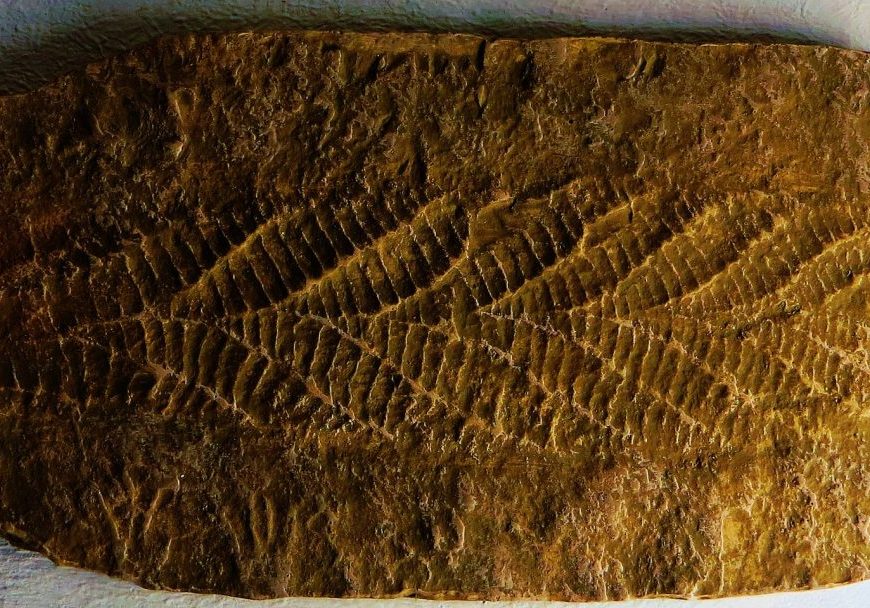
Some of the first animals that ever existed
To celebrate International Women’s Day and Women’s History Month the Museum is sharing the stories of 27 inspirational women, alongside the animals they work with the most. Dr. Emily Mitchell Department of Zoology “My research focuses on some of the first animals that ever existed. These first animals are found during the Ediacaran time period, around 580 million years ago. I was totally unaware about … Continue reading Some of the first animals that ever existed
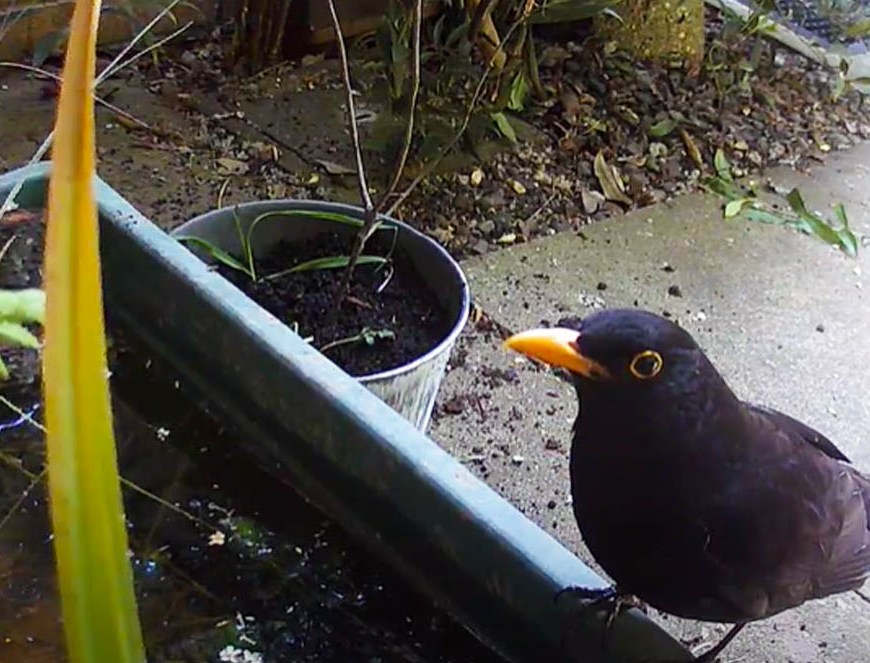
The Animals that Visit my Pond
All animals need water to survive. Some live in the water itself whilst others need it to drink and wash. Sadly, ponds in the UK have been disappearing and wildlife relying on a supply of still, freshwater has been suffering as a result. If you can add a mini pond to our garden or even just a bowl of water, this will help a lot … Continue reading The Animals that Visit my Pond
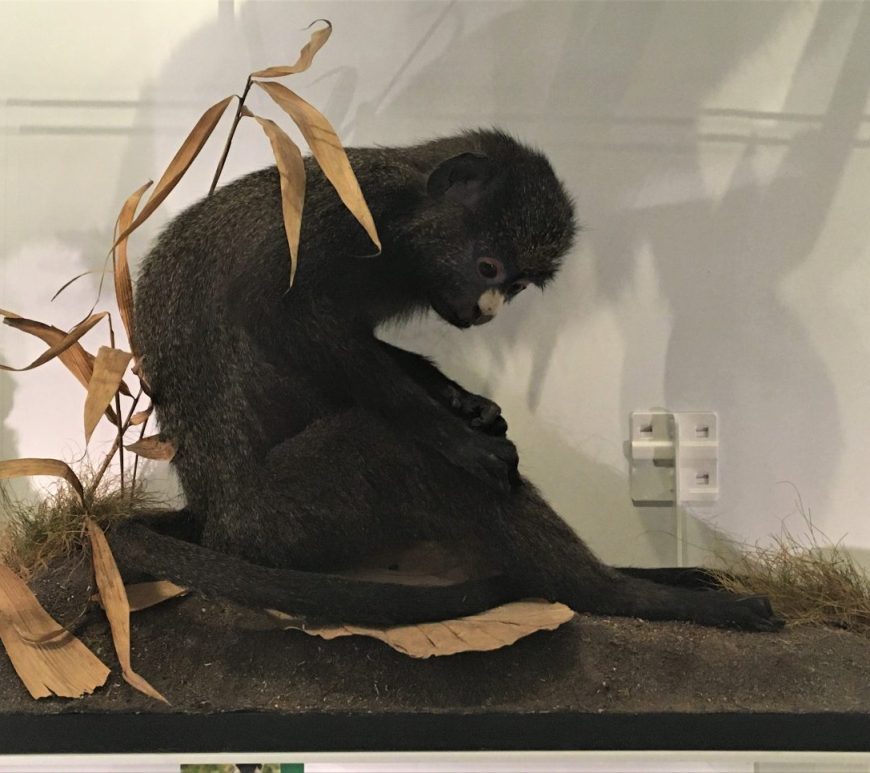
Animal Alphabet: M is for Monkey
Join us every Tuesday as we make an alphabet from the animals in the Museum of Zoology. Today is the letter M: M is for monkey, moth, mudskipper, mole, millipede, moonrat and motmot. Can you think of any others? Join us next week as we explore the animals in the Museum beginning with the letter N, including an underwater animal with tusks… Continue reading Animal Alphabet: M is for Monkey

An Insect A Day Part 7
Prof Bill Amos of the Department of Zoology continues his insect photo diary with a portrait of a beautiful pearly lacewing, butterflies, damselflies, hoverflies and more. You can see more of Bill’s photographs on the blog: An Insect A Day for bee fly, orange tip buttefly and parasitic wasp. An Insect A Day continues for scorpion fly, shield bug and click beetle. An Insect A … Continue reading An Insect A Day Part 7
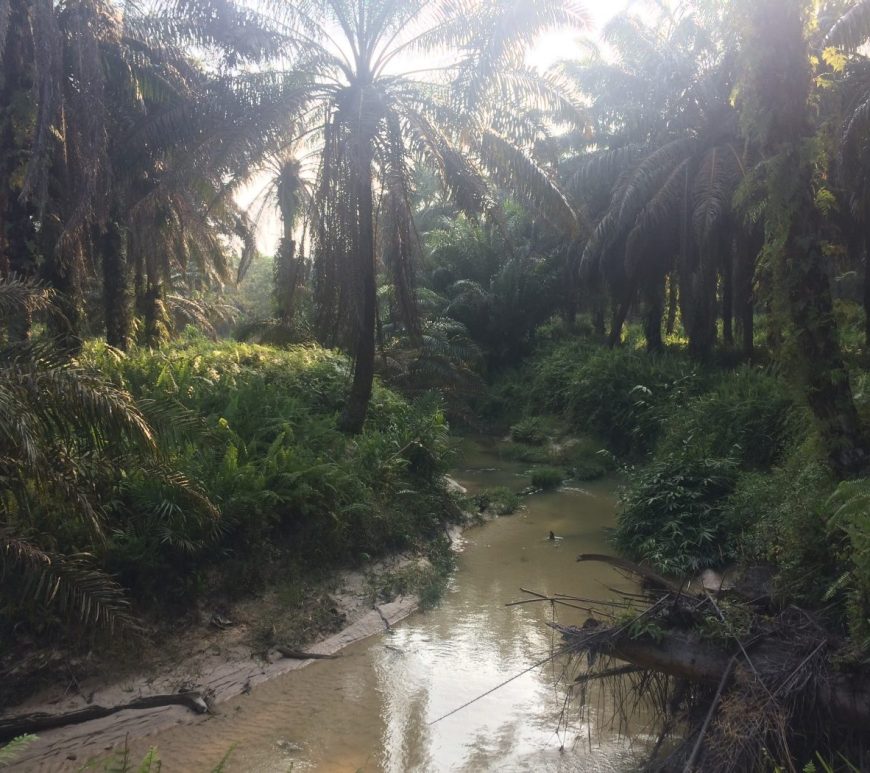
Restoring river borders for biodiversity
To celebrate International Women’s Day and Women’s History Month the Museum is sharing the stories of 27 inspirational women, alongside the animals they work with the most. Dr. Sarah Luke Department of Zoology “I am interested in the effects of habitat change on biodiversity, and development of possible strategies for conservation. My current work is based in oil palm plantations in Indonesia where we are … Continue reading Restoring river borders for biodiversity
 Museum of Zoology Blog