Close up of the head of a green-veined white butterfly

An Insect A Day continues

It’s been a treat every Friday to share with you some of the wonderful close-up photographs of insects from Prof Bill Amos of the Department of Zoology. Scroll down for the latest batch from his insect photo diary. These beasties have some pretty amazing stories to tell! Why not have a go yourself? We would love to see your photos of wildlife where you are. … Continue reading An Insect A Day continues

Common lizard. Image credit John Howlett

Sunshine and Scales: British Reptiles

Alex Howard, PhD Student, writes: While our trademark rainy and cold weather are not always the most conducive to ‘herping’ (going outside to look for reptiles), the UK is in fact home to six different species of reptile. If you’re going on walks early in the morning, you may spot some of our native scaly friends. You’ll be lucky to see them, as all of … Continue reading Sunshine and Scales: British Reptiles

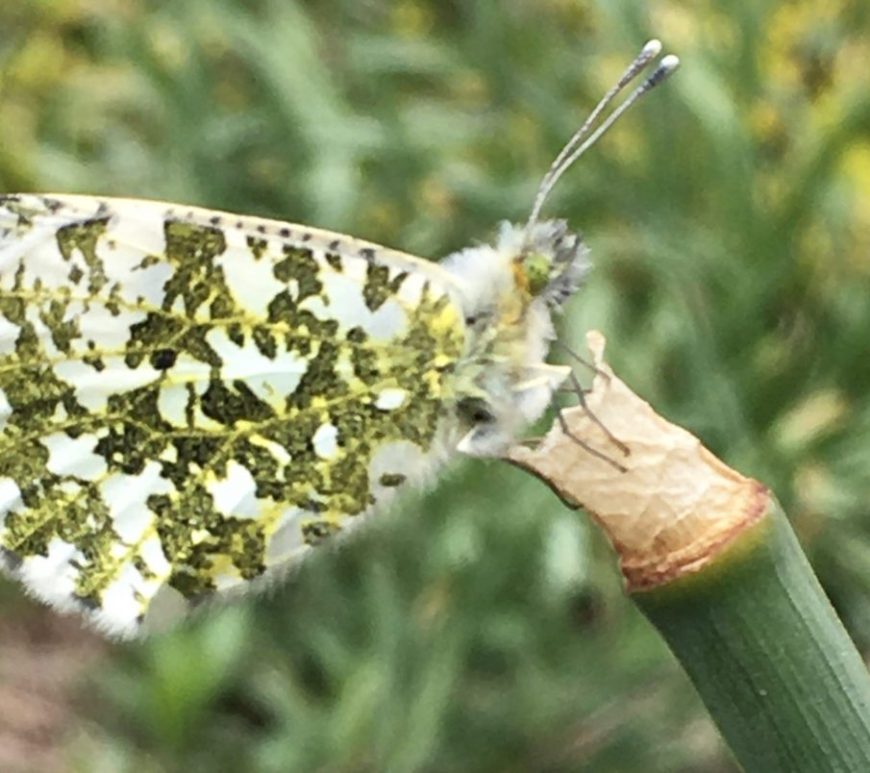
Photograph of a female orange tip butterfly

Butterfly Eggs

The Orange-tip (Anthocharis cardamines) is one of the most recognisable springtime butterflies. Over the last few weeks, many of you will have seen the males, with their distinctive orange wingtips, and the cloudy white females in your gardens. Now is a good time to see the start of the next generation of the butterflies, by searching for the butterfly’s beautiful amphora-shaped orange eggs on Garlic … Continue reading Butterfly Eggs

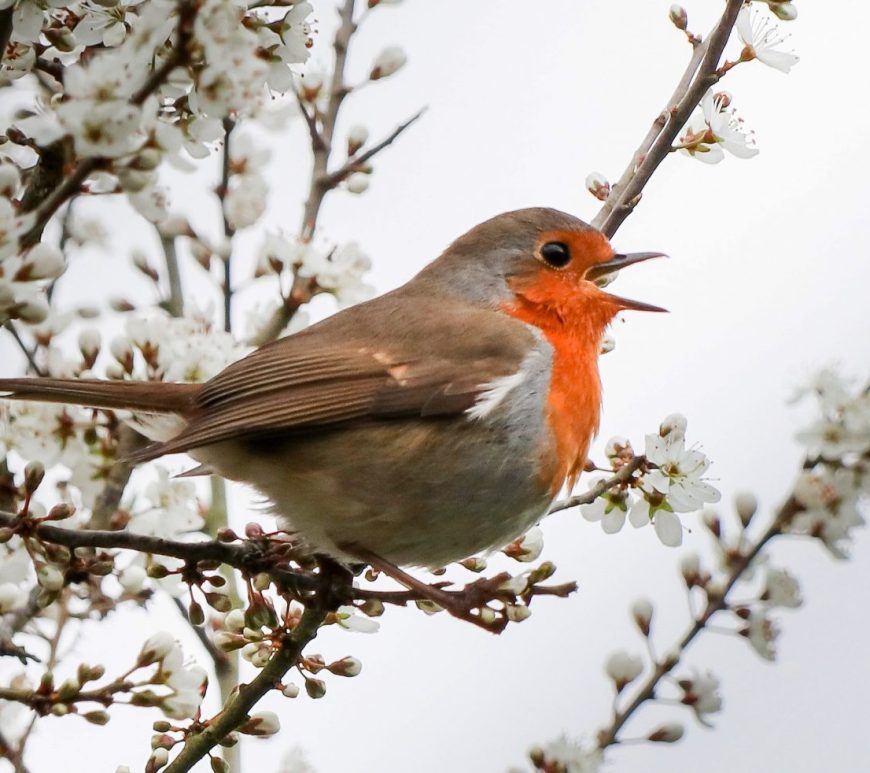
Photograph of a reed warbler

The Ten Locally Breeding Warblers

Academic in the Department of Zoology, and one of our visitor engagement volunteers in the Museum, Dr Tony Fulford writes: ‘Swallows don’t quite do it for me.  Don’t get me wrong, they are wonderful birds, skimming the ponds and twittering in the sky, but it isn’t they who bring in spring.  They are up there if you look but they don’t fill the air with … Continue reading The Ten Locally Breeding Warblers

Sticky post

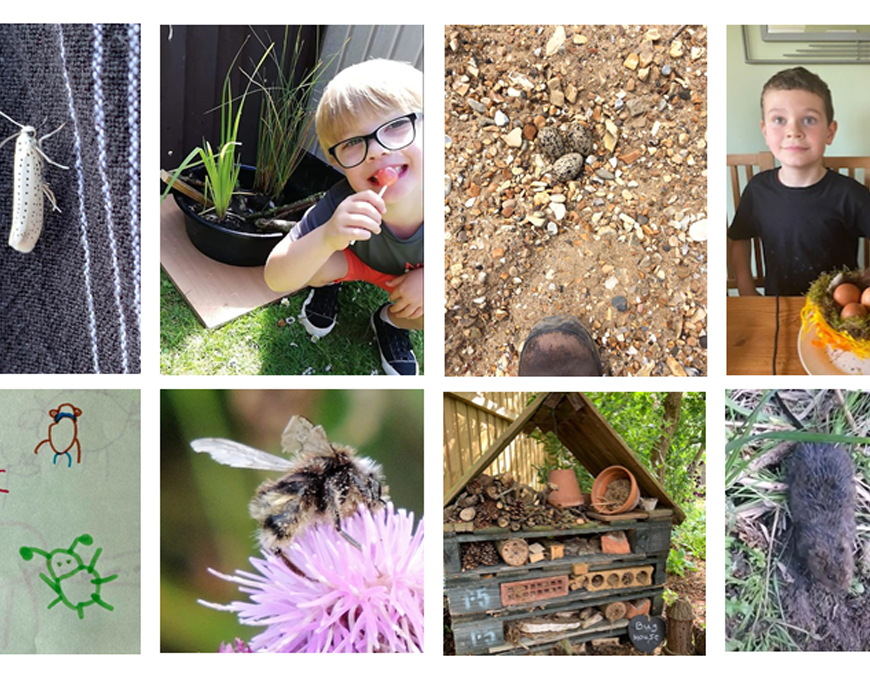
Community Gallery

We’re noticing the wildlife around our homes, gardens and during our daily exercise more and more. As the seasons change there are many opportunities to see the creatures that live around us. This page is for our community and that includes you! We’ll be featuring your wildlife sightings, Crafty Creature makes and creations. Check back later for updates and see below for how you can … Continue reading Community Gallery

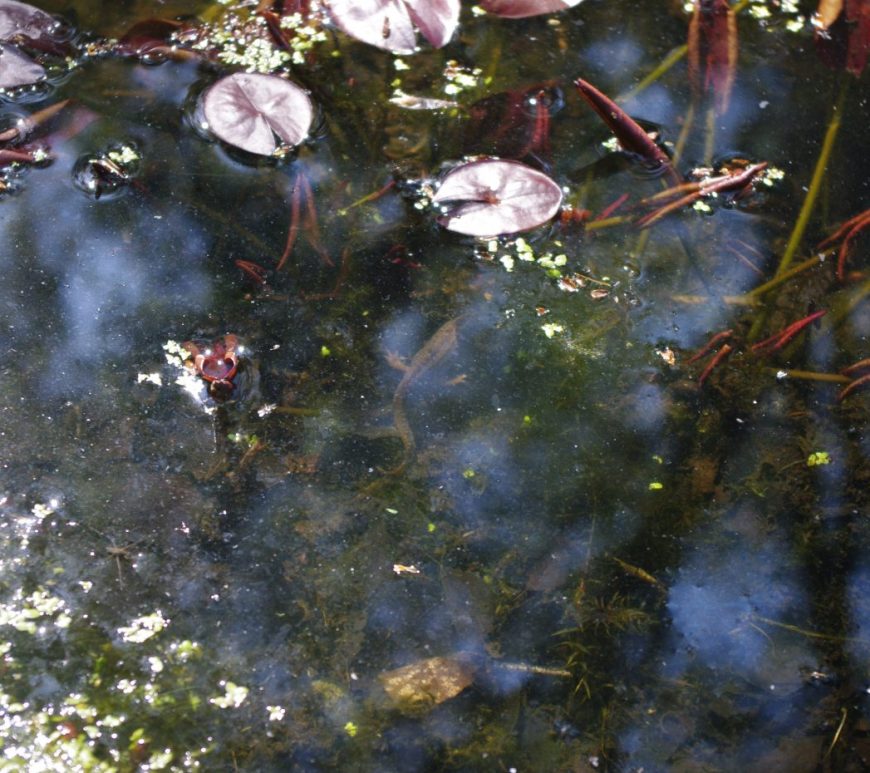
Photograph of a newt swimming up under a waterlily leaf

Pondwatch Episode 4: Dancing Newts

Roz Wade, Learning Officer at the Museum, writes: A couple of weeks ago I found that we had newts living in the garden pond. I have seen that we have at least five if not six living in there, and they have been showing some fascinating behaviour this week. We have some males in their breeding garb, with a wonderful crest along the back. They … Continue reading Pondwatch Episode 4: Dancing Newts

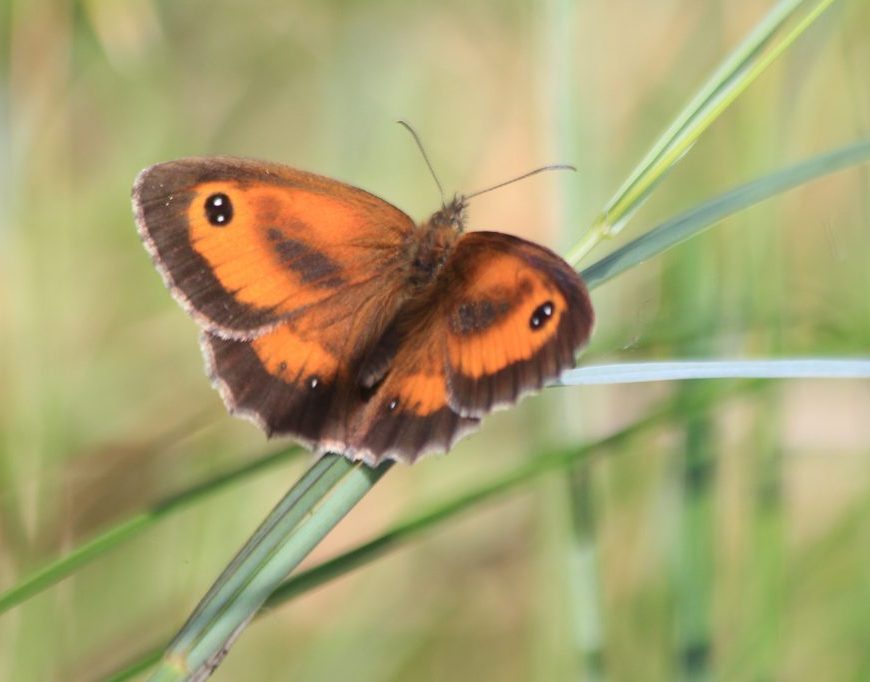
Gatekeeper, male. Credit Andrew Bladon

The ‘browns’: not so drab butterflies

Matt Hayes, Research Assistant writes: Whilst everyone is being asked to stay at home it’s important that we continue to look outside and engage with the natural world. To help with this, we are going to be blogging about wildlife you can see from your window or in your garden. This set of posts will look at different groups of common butterflies as well as … Continue reading The ‘browns’: not so drab butterflies

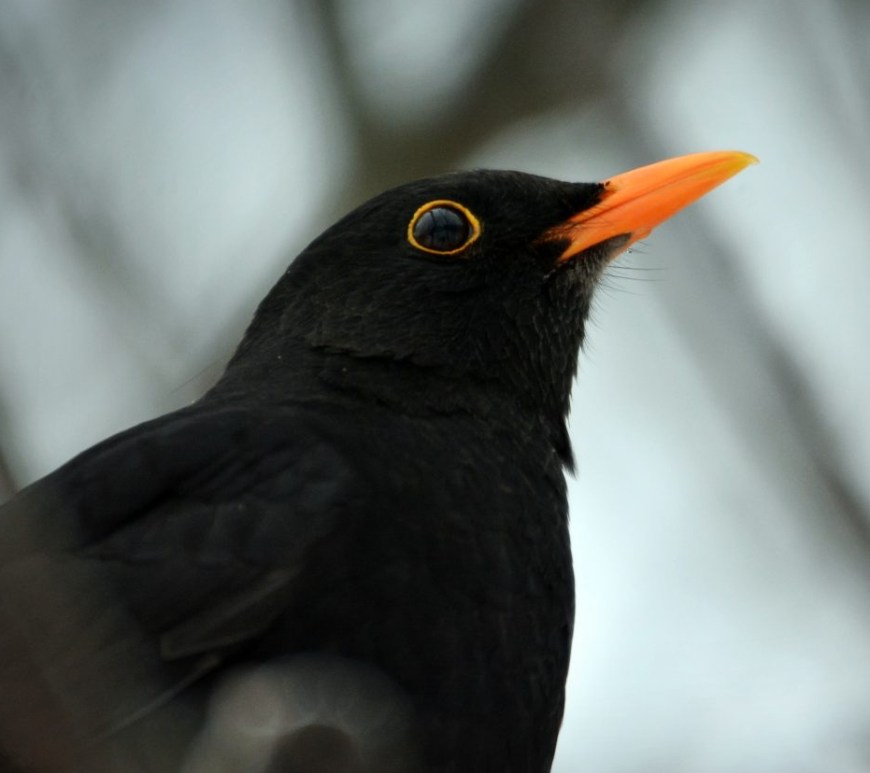
Photograph of a male blackbird

Song of the Blackbird

Academic in the Department of Zoology, and one of our visitor engagement volunteers in the Museum, Dr Tony Fulford writes: ‘How many people don’t recognise one of the nation’s favourite birds?  For those unfamiliar with the blackbird, the male is jet black with a bright yellow bill and yellow ring around his eye.  The female is similar-looking but is dark brown, often with a few … Continue reading Song of the Blackbird

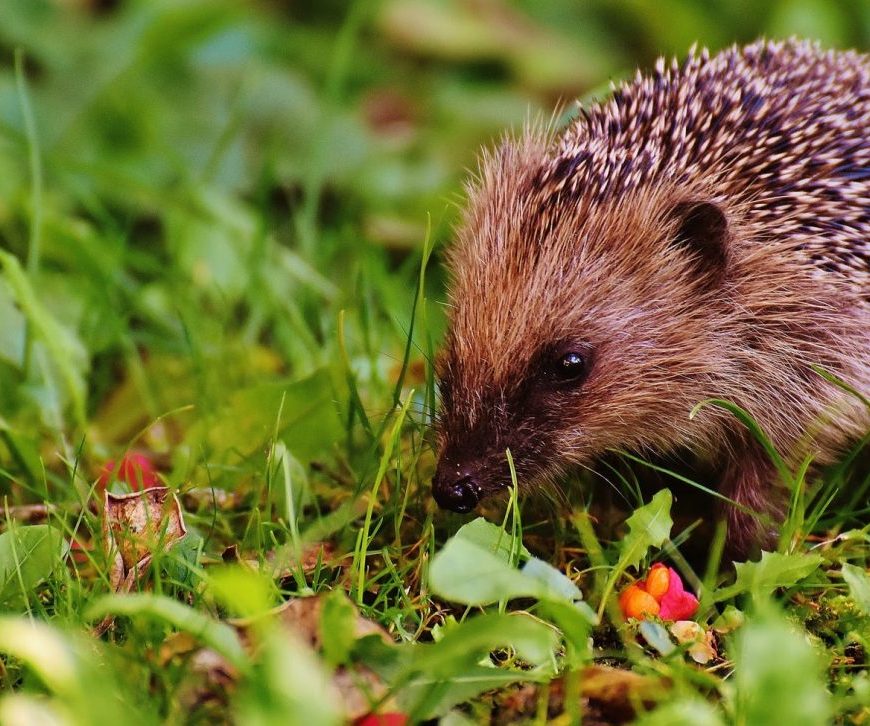
Hedgehog on grass

Become a Helpful Hedgehog Hero

You can provide a safe space for British wildlife right in your garden or local green space. This is especially useful for creatures, including hedgehogs, if you live in an urban environment and can make a real difference to their survival. These unique prickly mammals are a favourite amongst the UK public (especially our ‘over-stuffed’ Museum specimen who has seen leaner days) and if we … Continue reading Become a Helpful Hedgehog Hero