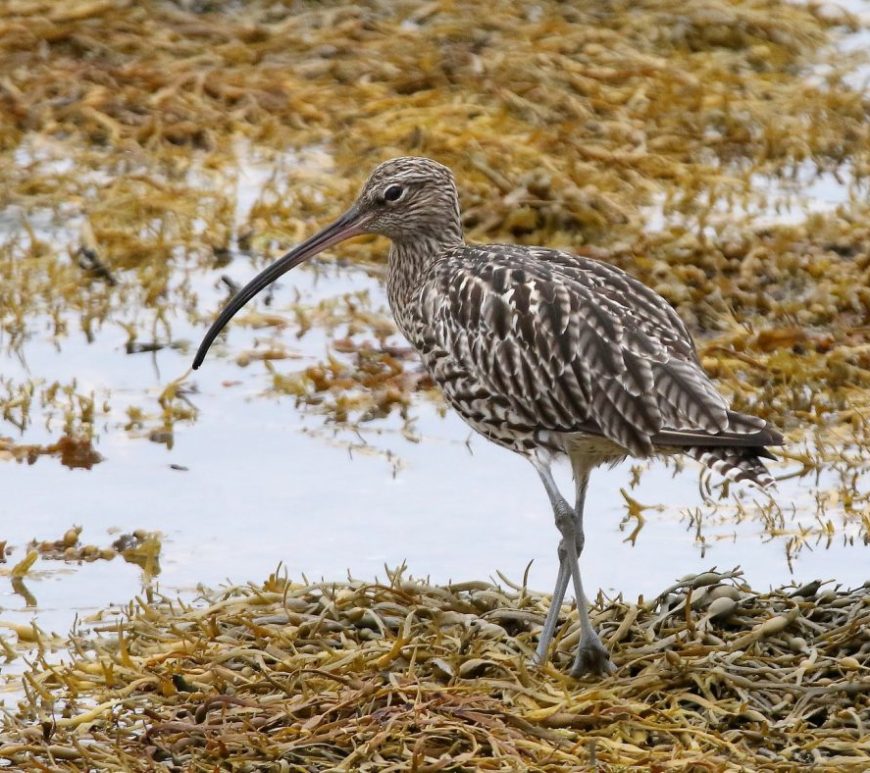
Curlew Copyright billywhiz07 on flickr

Changing environments and wading birds

To celebrate International Women’s Day and Women’s History Month the Museum is sharing the stories of 27 inspirational women, alongside the animals they work with the most. Dr Sam Franks British Trust for Ornithology I didn’t discover a passion for studying birds until I was in my twenties. After a couple of ornithological fieldwork jobs, I undertook my PhD studying the migration patterns of western … Continue reading Changing environments and wading birds

Weevil on hand. Credit S Steele

30 Days Wild Challenge

Kate Howlett, PhD student: Kate Howlett, PhD student at the University Museum of Zoology, talks about why she’ll be taking part in the Wildlife Trusts’ 30 Days Wild challenge. She’ll be doing one ‘random act of wildness’ each day this June and seeing what effects this has on her happiness and health. Click the button below to read her piece about why she’s never taken … Continue reading 30 Days Wild Challenge

Conifers, Mead's Plantation. Credit John Howlett

How can green space affect children’s wellbeing?

To celebrate International Women’s Day and Women’s History Month the Museum is sharing the stories of 27 inspirational women, alongside the animals they work with the most. Kate Howlett Museum of Zoology “I’m a PhD researcher in the Museum working on biodiversity within the green spaces in primary school grounds. I’m particularly interested in the diversity of insect and other invertebrate species because this is … Continue reading How can green space affect children’s wellbeing?

Kate climbing over a fallen tree

Why I’ll be taking part in the Wildlife Trusts’ 30 Days Wild this June

Kate Howlett, NERC-funded PhD student says: Have the lockdown restrictions been changing the way we interact with and value nature? It certainly feels that way at the moment: social media is filled with photos people have snapped on their daily walk, along with captions expressing gratitude for their local green patch; a new-found joy in bird watching or a rekindled appreciation for the beauty of … Continue reading Why I’ll be taking part in the Wildlife Trusts’ 30 Days Wild this June

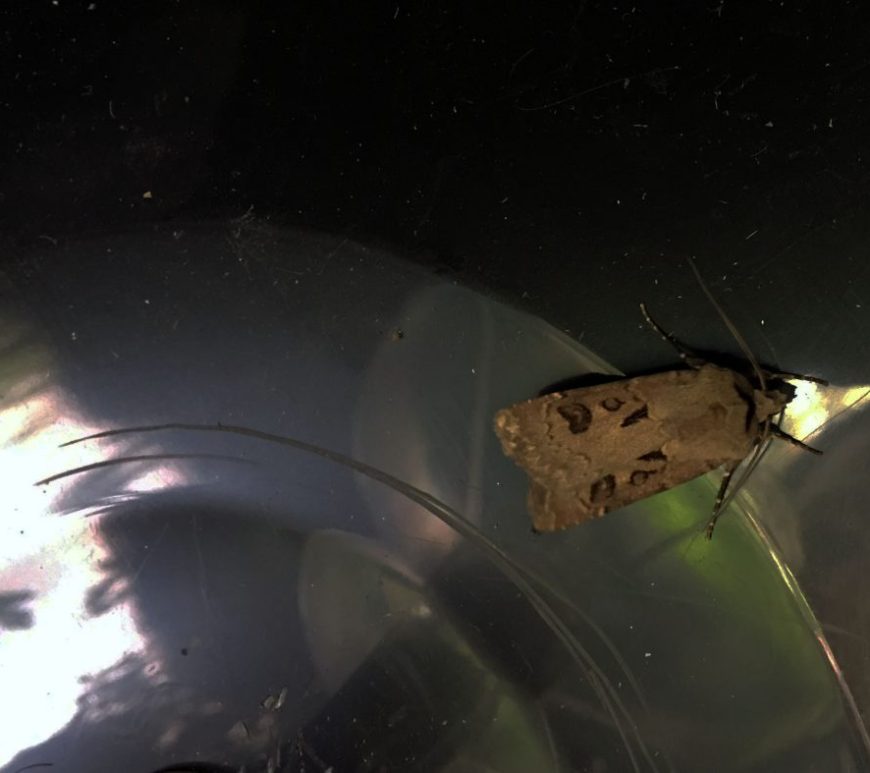
Heart and dart moth in trap

Build your own Moth Trap

Moths are a widespread and diverse group of insects, but they can often be overlooked. A large part of this is due to many species being active at night, meaning that people have fewer opportunities to interact with them. They also rely heavily on camouflage and have a reputation for being more ‘drab’ in colour than their day-flying butterfly relatives. However, there are many exceptions … Continue reading Build your own Moth Trap

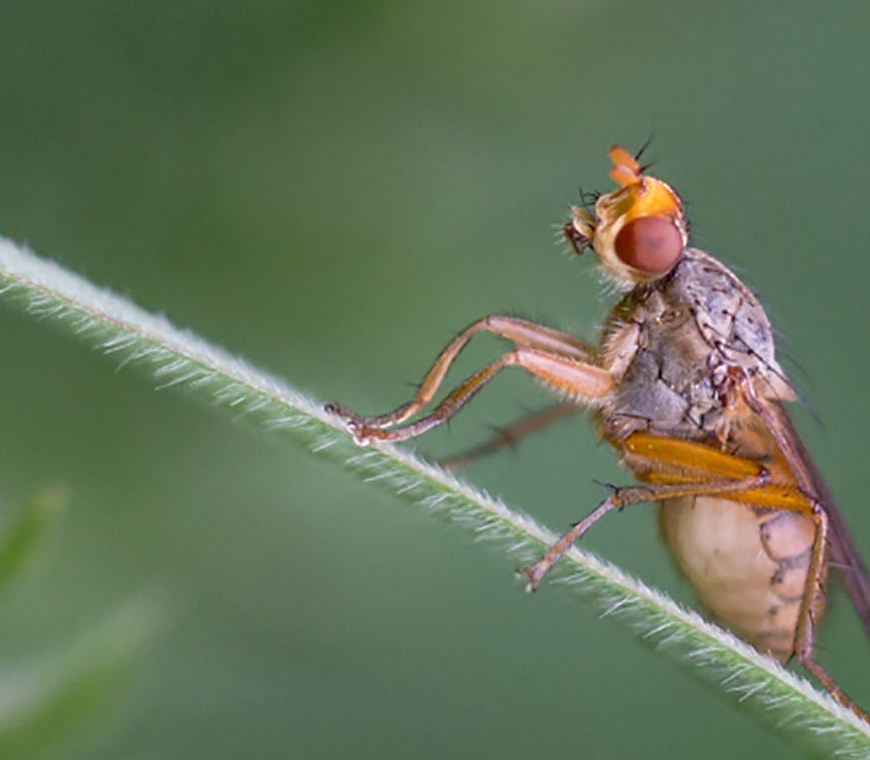
Fly. Image credit Geoff Oliver

True flies: communicating through vibration

To celebrate International Women’s Day and Women’s History Month the Museum is sharing the stories of 27 inspirational women, alongside the animals they work with the most. Dr Caroline Fabre Department of Zoology “Scientists study the courtship of true flies as it helps us understand how nerves and muscles in the body allow behaviours and communication between individuals. I discovered that flies communicate during courtship … Continue reading True flies: communicating through vibration

Puffin craft

Flying Puffin craft

Puffins are excellent seabirds, nesting on cliffs and making the most of the ocean by diving into the waves to catch fish in their brightly-coloured beaks. The birds will dig a nesting burrow into the soil if possible, or find a sheltered ledge on the cliff-face to safely lay their eggs. Puffins can be migratory, meaning that they travel to different locations depending on the … Continue reading Flying Puffin craft

Goldfinch and great tit on feeder. Image credit John Howlett

The value of gardens for birds

To celebrate International Women’s Day and Women’s History Month the Museum is sharing the stories of 27 inspirational women, alongside the animals they work with the most. Kate Risely British Trust for Ornithology “My work is in monitoring garden wildlife. I’m particularly interested in how birds use the resources in green spaces in our towns and cities, and the benefits to human wellbeing from everyday … Continue reading The value of gardens for birds

Whale tail

The impact of stories on wildlife conservation

To celebrate International Women’s Day and Women’s History Month the Museum is sharing the stories of 27 inspirational women, alongside the animals they work with the most. Anna Guasco Department of Geography “I’m a first-year Geography PhD student studying histories and narratives of grey whales along the North American Pacific Coast. I’m fascinated by the varieties of relationships between people and grey whales, the stories … Continue reading The impact of stories on wildlife conservation

(C) University of Cambridge + Julieta Sarmiento Photography

Museum of Zoology E-Newsletter

Stay in touch and receive our latest news, events, crafts, films & all things zoological. Packed full of interesting reads, activities for the whole family and virtual live events to be coming soon: Your privacy is important to us. The University Museum of Zoology will use your details to contact you with information about events and news at the Museum. By completing this form you are indicating that you are … Continue reading Museum of Zoology E-Newsletter

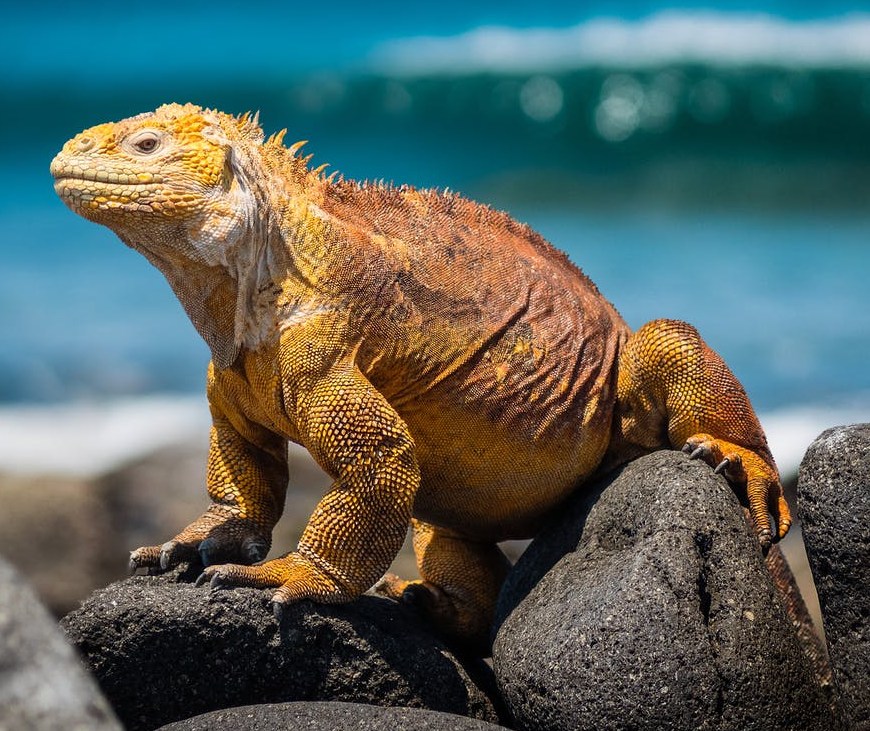
Urbanisation on the Galápagos Islands

To celebrate International Women’s Day and Women’s History Month the Museum is sharing the stories of 27 inspirational women, alongside the animals they work with the most. Dr Kiyoko Gotanda Department of Zoology “My research centres on how animals are adapting to human influences such as urbanisation. Permanent human populations now live on four of the Galápagos Islands. For animals, urbanisation drastically changes the environment … Continue reading Urbanisation on the Galápagos Islands

Museum of Zoology Rhino Specimen. Please note that the horn on the specimen is a replica. Credit S Steele.

Rhinos in art: not just a pretty picture

Oscar Wilson, graduate student says, Not being conventionally beautiful, cute or colourful, rhinos might not seem like the obvious choice for most artists. However they have a much more important role in art history than most animals and the importance of art to the five modern rhino species continues to this day. “How did it die?” One of the scariest questions you can be asked … Continue reading Rhinos in art: not just a pretty picture

Common lizard. Image credit John Howlett

Sunshine and Scales: British Reptiles

Alex Howard, PhD Student, writes: While our trademark rainy and cold weather are not always the most conducive to ‘herping’ (going outside to look for reptiles), the UK is in fact home to six different species of reptile. If you’re going on walks early in the morning, you may spot some of our native scaly friends. You’ll be lucky to see them, as all of … Continue reading Sunshine and Scales: British Reptiles