Darwin and the bears ‘as monstrous as whales’

Museum Manager Jack Ashby writes: ‘As this week is Bear Awareness week it’s a good chance to share a story from the history of science involving Charles Darwin’s interpretations of what some bears’ behaviour might mean for the evolution of future bear species. ‘He had become aware of observations of a black bear catching insects in the water by swimming for hours with its mouth … Continue reading Darwin and the bears ‘as monstrous as whales’

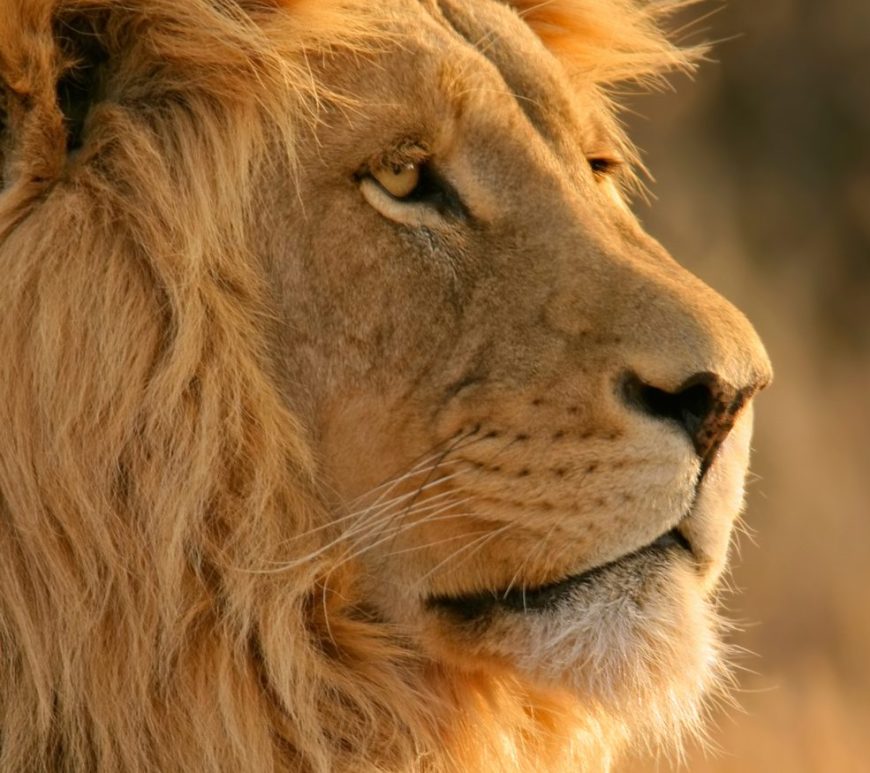
Jaws! Feeding Adaptations in Mammals

Animals have to eat. Unlike plants, we can’t make our own food. We can see that animals have lots of features geared up to making sure they don’t go hungry, from the senses that help them find food to the mouthparts that eat it and digestive system needed to break it down. In this Nature Classroom we will be exploring some of thefeeding adapations found … Continue reading Jaws! Feeding Adaptations in Mammals

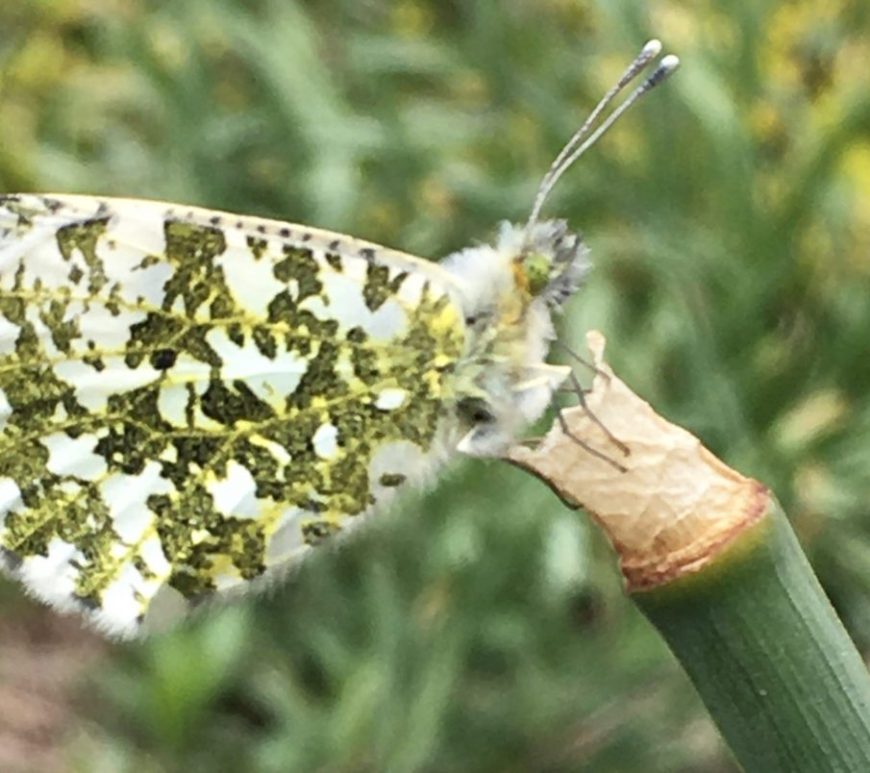
Close up of the head of a green-veined white butterfly

An Insect A Day continues

It’s been a treat every Friday to share with you some of the wonderful close-up photographs of insects from Prof Bill Amos of the Department of Zoology. Scroll down for the latest batch from his insect photo diary. These beasties have some pretty amazing stories to tell! Why not have a go yourself? We would love to see your photos of wildlife where you are. … Continue reading An Insect A Day continues

Photograph of a female orange tip butterfly

Butterfly Eggs

The Orange-tip (Anthocharis cardamines) is one of the most recognisable springtime butterflies. Over the last few weeks, many of you will have seen the males, with their distinctive orange wingtips, and the cloudy white females in your gardens. Now is a good time to see the start of the next generation of the butterflies, by searching for the butterfly’s beautiful amphora-shaped orange eggs on Garlic … Continue reading Butterfly Eggs

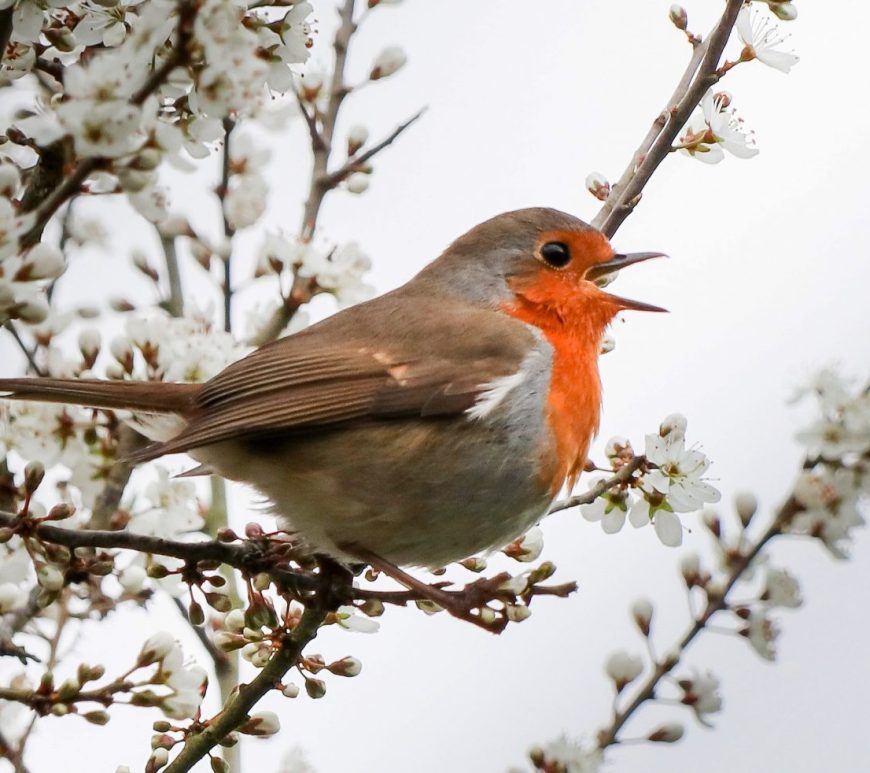
Photograph of a reed warbler

The Ten Locally Breeding Warblers

Academic in the Department of Zoology, and one of our visitor engagement volunteers in the Museum, Dr Tony Fulford writes: ‘Swallows don’t quite do it for me.  Don’t get me wrong, they are wonderful birds, skimming the ponds and twittering in the sky, but it isn’t they who bring in spring.  They are up there if you look but they don’t fill the air with … Continue reading The Ten Locally Breeding Warblers

Photograph of a European otter

Conserving Britain’s Carnivores

For International Women’s Day 2020, Dr Kate Sainsbiry of the Department of Zoology gave a fascinating talk about her research into the conservation of British carnivores. Populations of these charismatic animals have gone up and down over the years. Here you can discover why, and what has been and is being done to protect them. Here are some things to think about from watching this … Continue reading Conserving Britain’s Carnivores

Photograph of a hedgehog

A Prickly Tale

To celebrate Hedgehog Awareness Week, here’s a specially written Puggle Club story inspired by the hedgehog on display in the Museum. Hungry Hedgehog Words and illustrations by Rosalyn Wade The moon was full and the stars were bright As Hedgehog went snuffling round for a bite ‘A morsel of snail and a mouthful of slug, ‘A nice wriggly worm and a fine, crunchy bug, ‘What … Continue reading A Prickly Tale

Photograph of yellow spiderlings

Spiders!

This week in Puggle Club we are looking for spiders. Count with us as we see which of these animals has eight legs and is a spider. Spiders are amazing animals. Can you spot any around your garden or on your daily walk? They can make silk and weave webs of many different types. These help spiders to catch their food. Webs can be sticky … Continue reading Spiders!