In April 2026, a group of 28 Year 12 students from schools and colleges across the UK attended a residential programme run jointly between the Museum of Zoology, Clare College and Cambridge University Botanic Garden to create a temporary exhibition exploring connections in nature. Living Links was the result. The title and all the text you can see on this blog post was written by the students. They chose the theme of the exhibition, its contents, and worked with graphic designers from Paper Rhino to create its feel and identity. The exhibition is on until the end of 2026, so do come and see this fantastic work in situ.
Living Links: The Exhibition
This exhibition aims to put the extraordinary biological connections across our planet in the limelight. From plants that disguise themselves as animals, all the way to humanity’s complex relationship with the other living things, our world- although so amazingly diverse – is more similar than you may believe.
We are a collaboration of young activists that strive towards conservation of the natural world through education. As students, we aim to provide a voice for young people and the world that we will inherit. In our shared voice, we wish to stress the importance of conserving the natural beauty of our planet, to ensure that future generations will be able to experience the fascinating realities of our Earth.
As you walk through this exhibition, we invite you to consider the historical, present and future impacts of our society and species on the others that we share this planet with. No matter scale or distance, we are all connected.
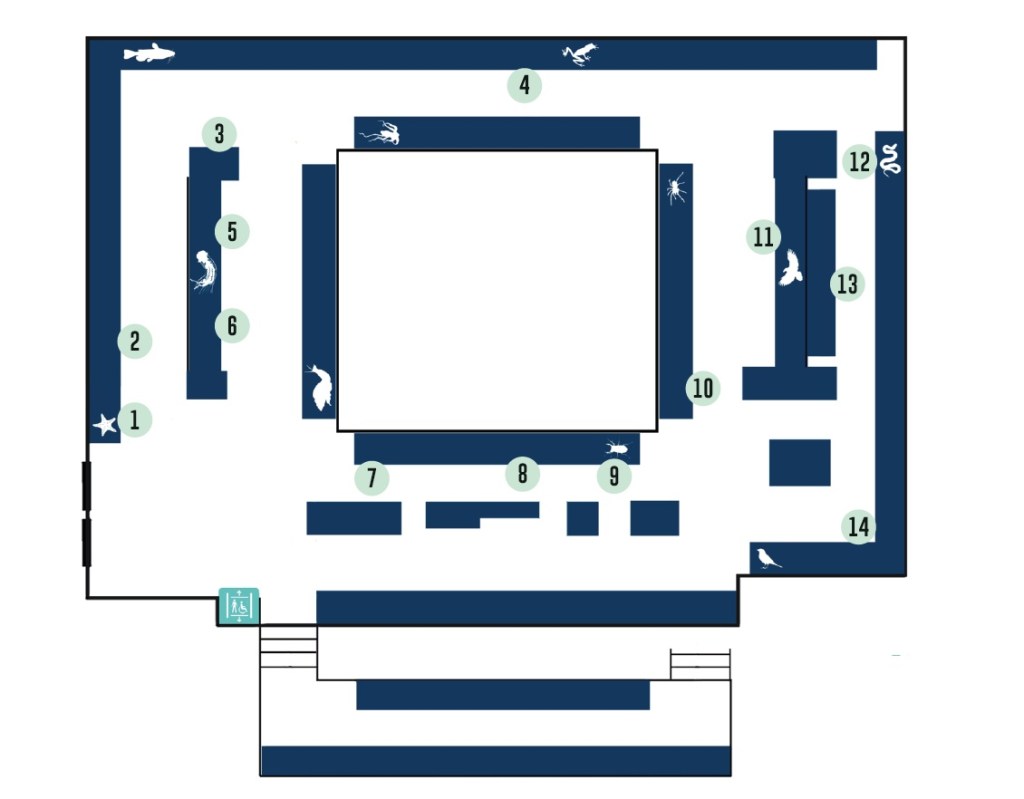
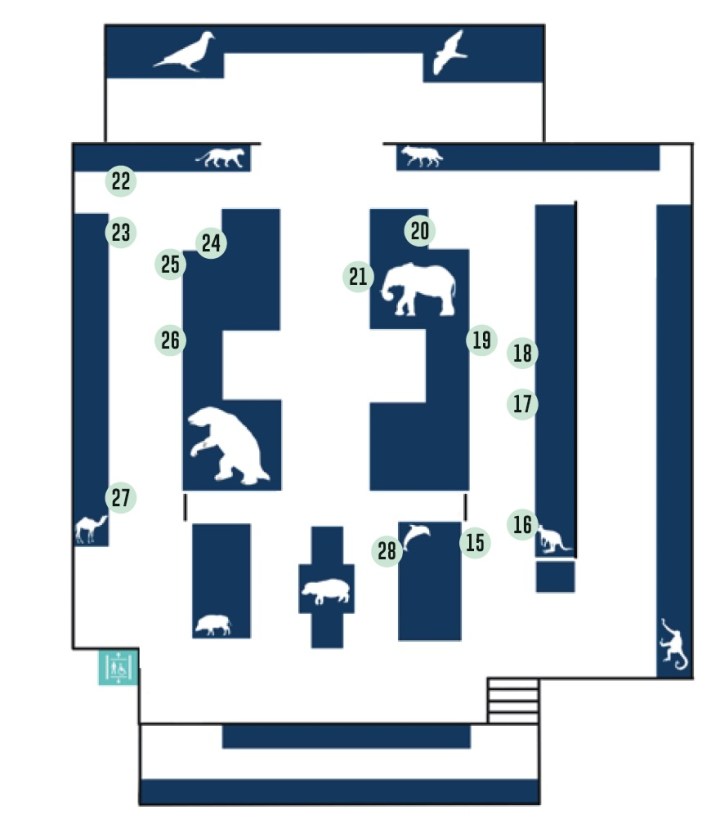
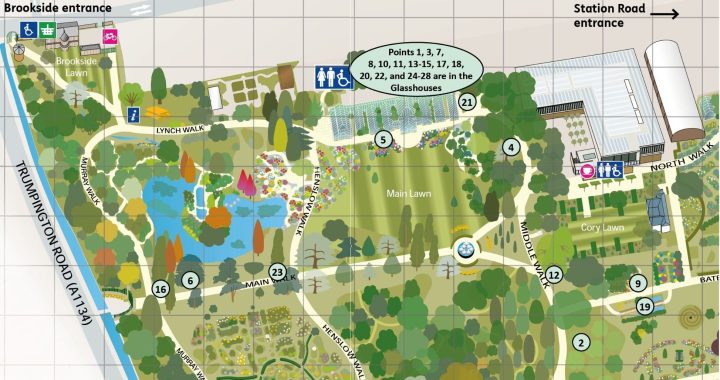
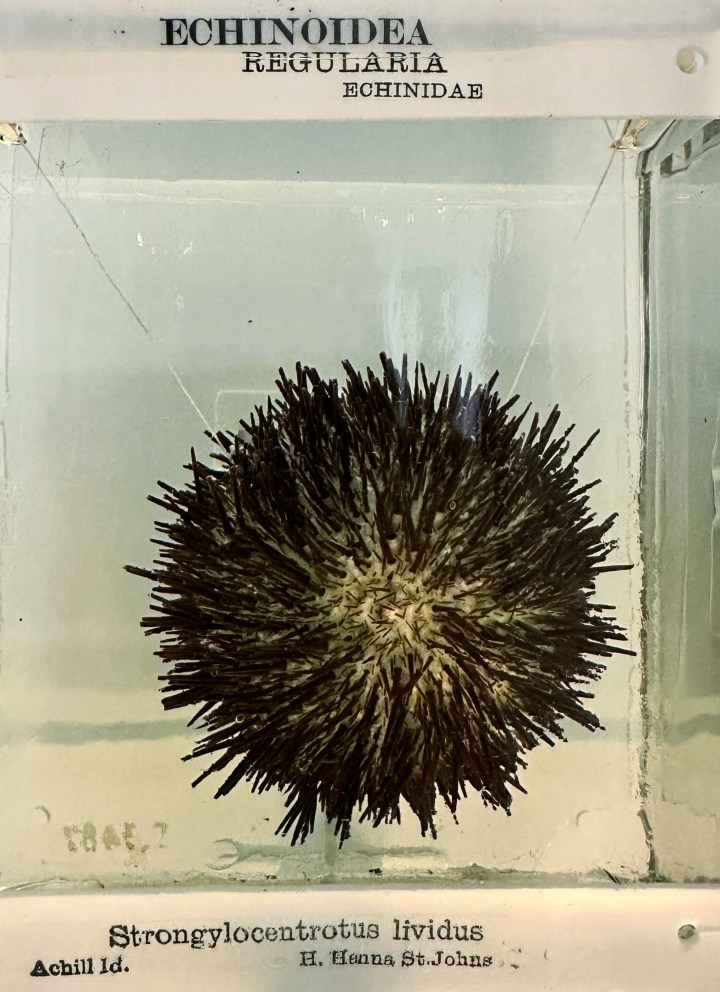
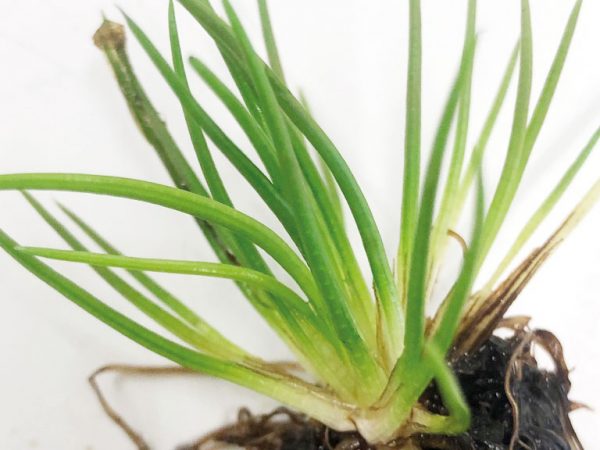
1. Sea urchin and quillwort
by Olin
Although these organisms might appear dull, they both have significant stories to tell about their ecosystems. Sea urchins are vital for controlling the growth of algae, being a main source of food for some fishes, and cycling nutrients. The absence of these fuzzballs would dramatically decrease the populations of fishes and corals. Quillworts are useful indicators for an ecosystem’s health due to their high sensitivity to change in the environment. These two inconspicuous species are both examples of how each organism is important, and therefore should be treated equally, as we are all linked in the same chain of life.
2. Survival through adaptation
by Emily
Each animal, fungus or plant is connected with their environment. Through evolution, living beings will respond to the conditions around them, developing traits over generations that help them survive.
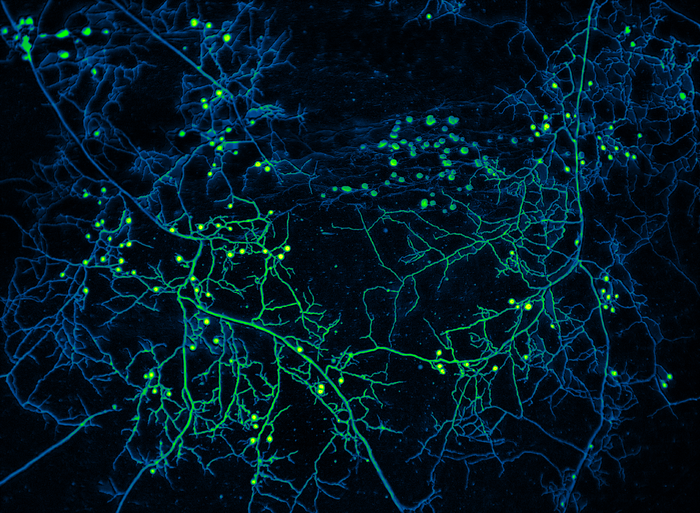
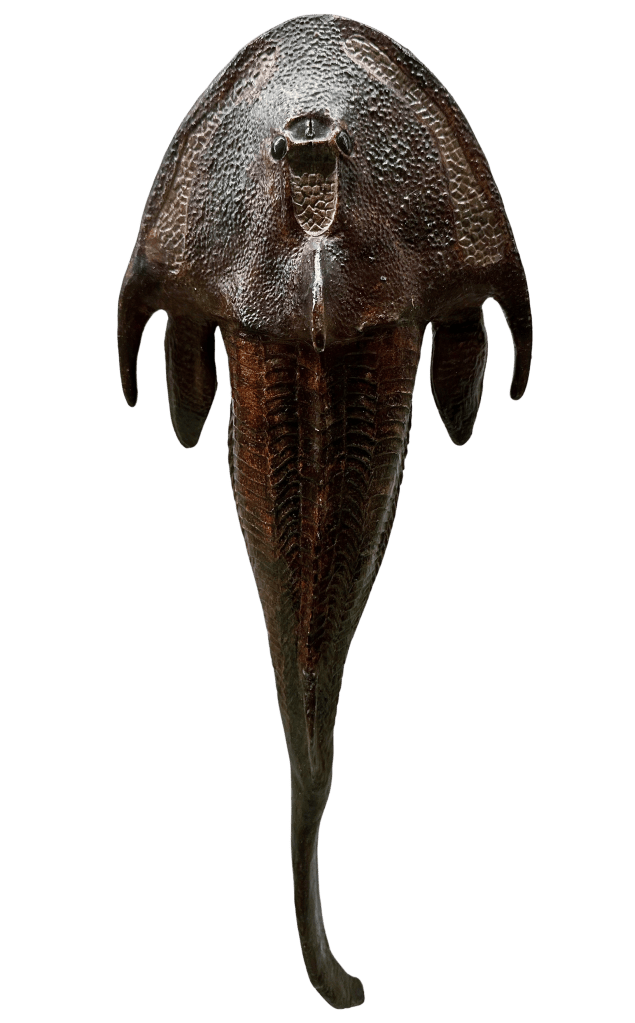
The web-like and delicate framework of mycelium is an important trait of fungi that connect the environment by transporting nutrients to plants. Cephalasipis lyelli, instead, could not compete as other fishes evolved new features. Despite its advanced sensory system, the way Cephalaspis fed was less efficient compared to the jaws that had emerged in other groups, and it left its last traces as etchings in the earth.
3. Galápagos prickly pear and tortoise
by Victor
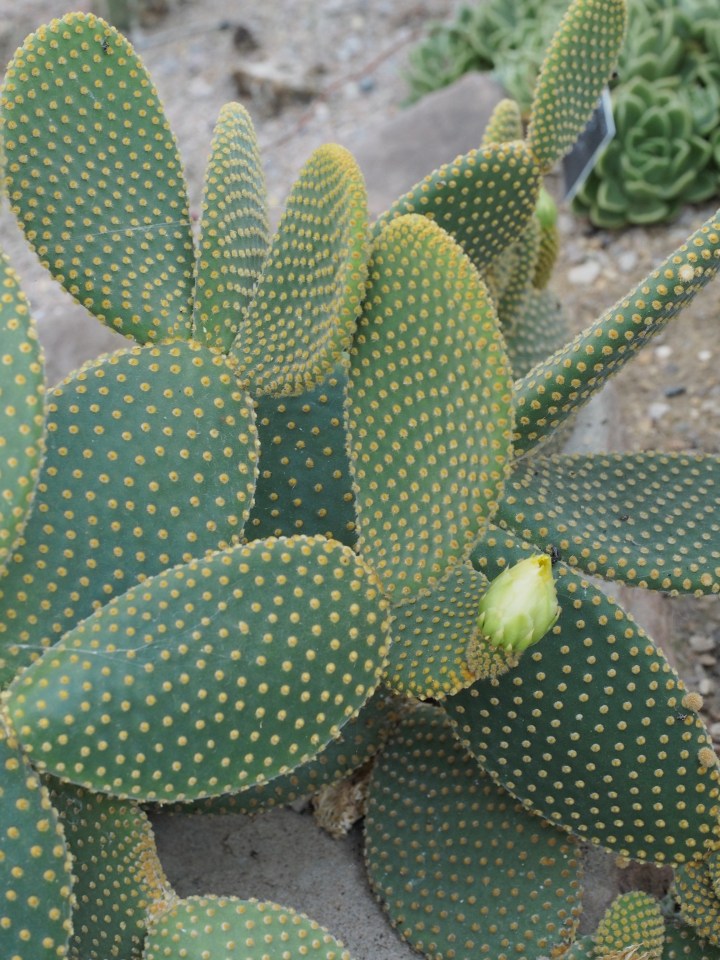
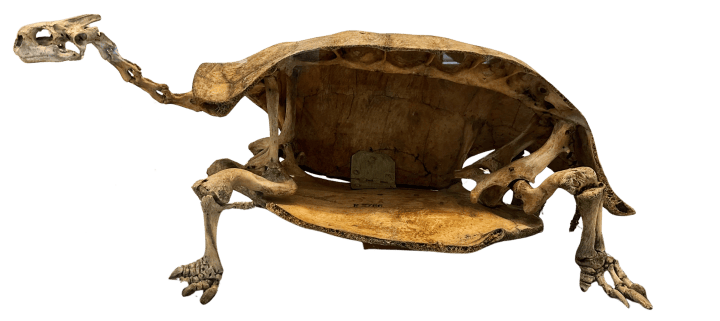
The sun did not rise gently over the Galápagos Islands. It arrived with force spilling heat across the landmass. Survival was not a matter of speed but of endurance. From the distance, a giant tortoise moved carrying its world upon its back with its shell finely tuned for subsistence. Ahead, standing alone against the harshness was the prickly pear. With its green pads thick with water, it asked for nothing so it gave nothing freely. The tortoise walked up to it seeing nothing other than survival. It used its beak to press on the succulent pads, tearing its spines. In return, the tortoise carried something small and unnoticed, its seeds which was a method of dispersal for the cactus. Nothing in this exchange was spoken. Nothing was agreed. In a place where life seemed impossible, they carried each other forward.
4. Reincarnations
by Sri
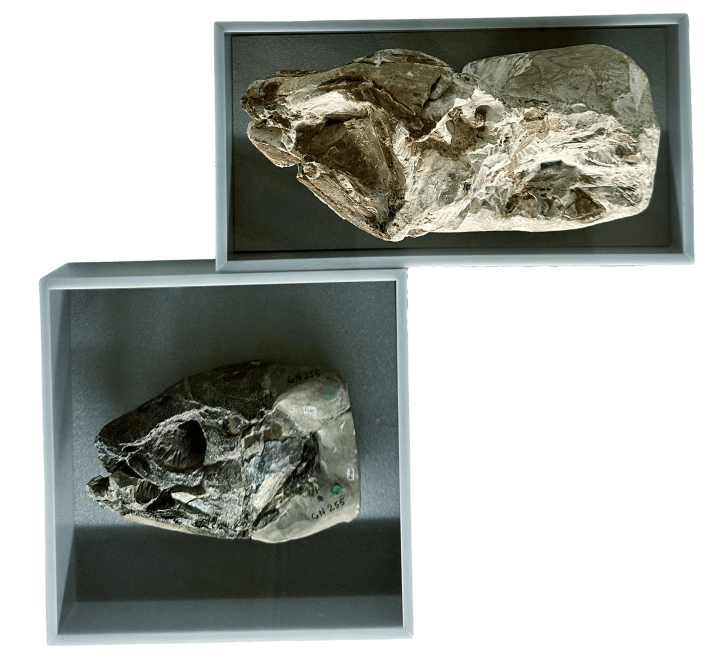
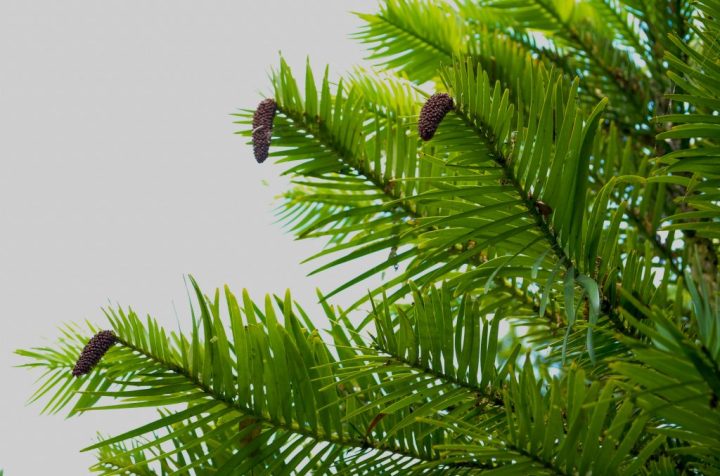
The ancient coelacanth and the Wollemi pine are both intertwined by the same story. Both were thought to have vanished from existence in Earth’s ecosystems. Living Wollemi pines were not known to scientists until 1994, and all coelacanths were assumed extinct for tens of millions of years. However, both coelacanths and Wollemi pines later ‘re-emerged’ from the dead, never having gone extinct. Scientists spotted live coelacanths off the coast of South Africa, and Wollemi pine trees were found living in Australia. The pines are now a critically endangered species, protected in hidden locations by botanists.
5. A story of invited feeding
by Thomas
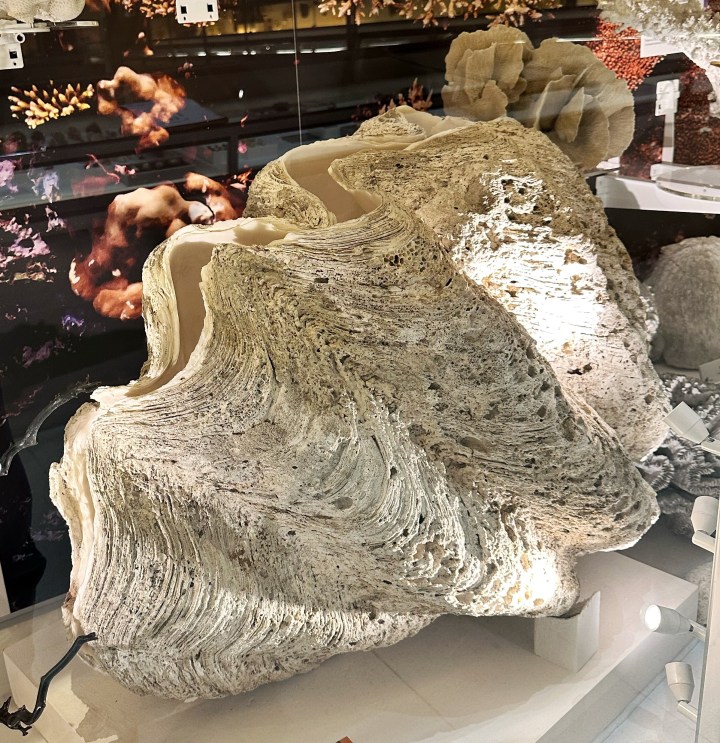
While giant clams are animals that rely on photosynthetic algae for nutrients, pitcher plants are carnivorous plants that get nutrients from insects. At face-value, the ways they feed seem mismatched, but below the surface they share a story of evolutionary responses to poor nutrition in their environments. From this, we can learn that unconventional adaptations can hold advantages in the biological world, and how organisms are linked by a story of resilience towards environmental challenges. We can also see how their surroundings are what drives and shapes these changes. As a result of this, they’ve gained unexpected traits, that appear like they’ve been switched around.

6. Nature working together for survival
by Aashna
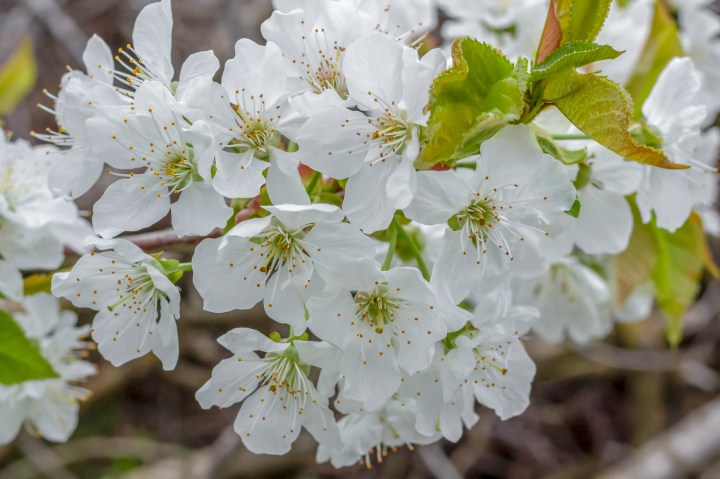
Wild cherry forms an important mutualistic symbiotic relationship with mycorrhizal fungi – the fungus grows directly into the tree’s roots in the soil. The fungus enhances nutrient uptake by the plant, whilst the tree provides the fungus with sugars to survive. This means both organisms have a mutual benefit.
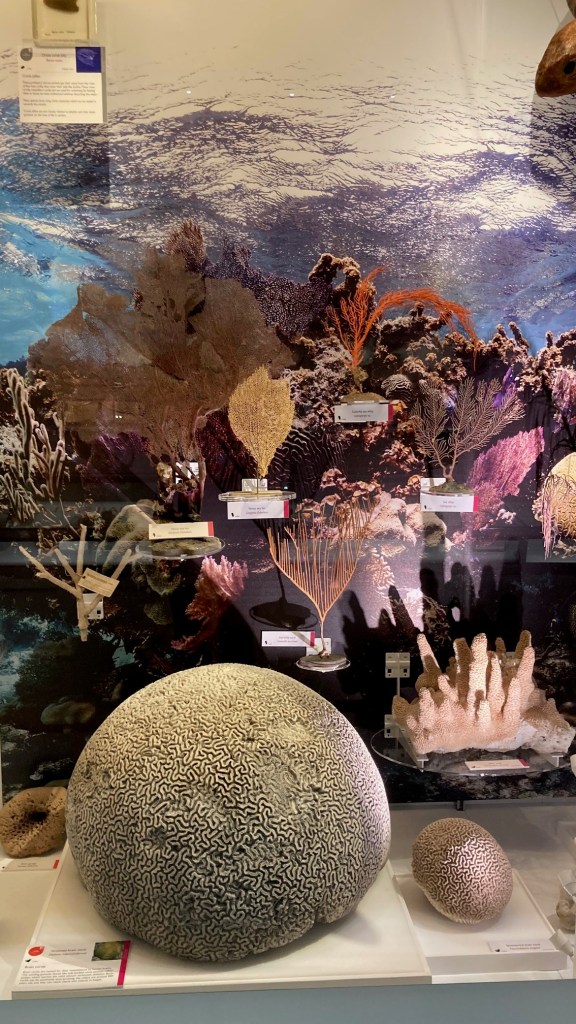
Similarly, zooxanthellae (really small single-celled organisms that live within coral tissues) photosynthesize and produce sugars for the coral. In return the coral provides protection for them. Both these mutual relationships demonstrate how different elements of nature work together to increase survival, and the importance of biodiversity in maintaining these ecosystems.
7. Symbiotic relationship between the postman butterfly and passionflower
by Alex
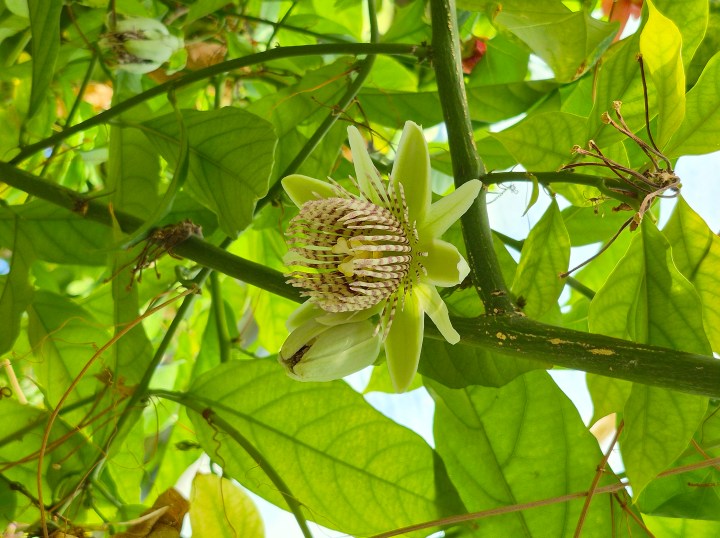
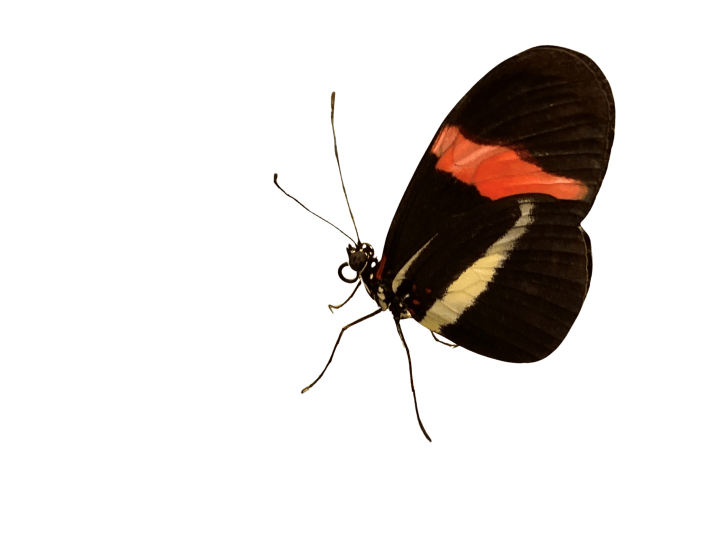
Both species are found in the regions near the equator in Peru, Venezuela and Argentina. They both share the same toxin, cyanide, produced by the passionflower as a defence mechanism. which benefits both species. In passionflower, the toxin deters other butterfly species that may compete with postman caterpillars. When caterpillars digest the poisonous leaves, they sequester the cyanide produced by the passionflower to prevent them from being eaten by predators. The skins of the pupae are rich in nutrients – when they become butterflies these skins drop to the ground, and then the passionflower re-uses these nutrients for growth and development. These organisms are examples of how species can interact to thrive and survive where stability is delicate and change is ever present.
8. Biting flies and cocoa
by Sadie
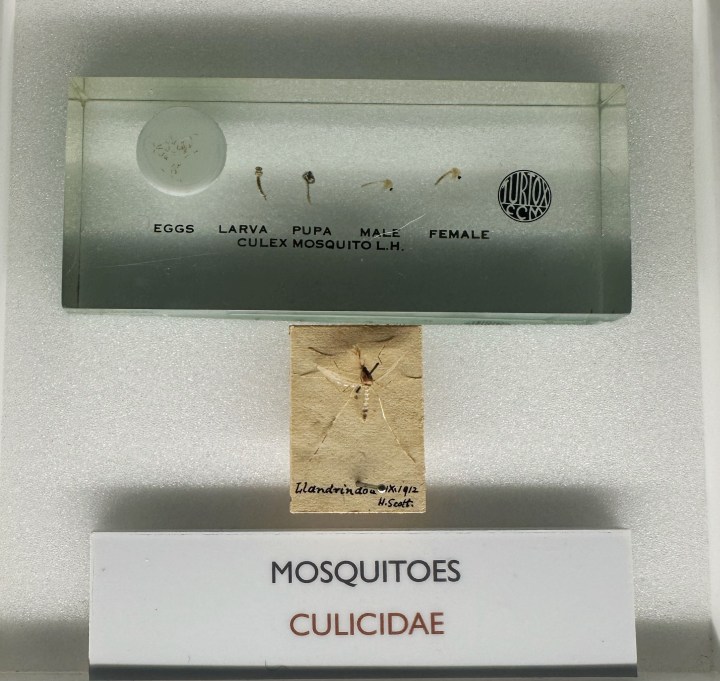
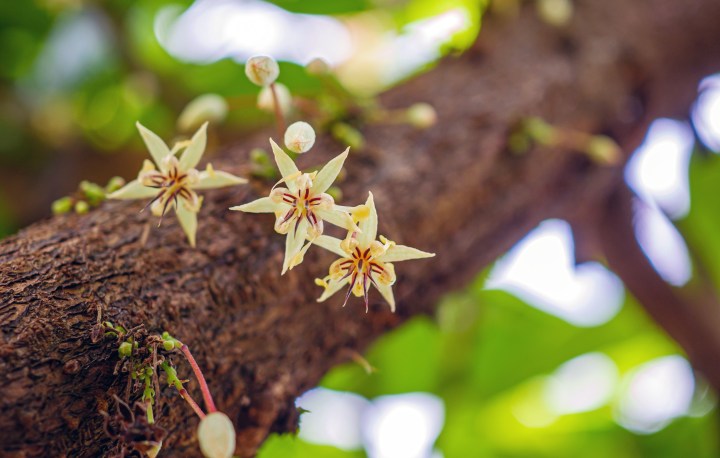
My interest is in the links that we can draw between the lives and behaviours of biting flies, and their relationship with the cocoa plants in West Africa. Through this relationship, we can also see its impact on humans. While you may think of bees as being one of the largest groups of pollinators, when it comes to cocoa, biting midges are actually the primary pollinators of cocoa flowers across plantations. I am choosing this mosquito on display to be a representative of the wider families of midges and mosquitos, but also the biting and non-biting ones. We, as members of the public, can seek to understand how pivotal a role biting flies have. Like a double-edged sword, they can serve as carriers of disease or as important pollinators.
9. Orchid mantis and bee orchid
by Hannah
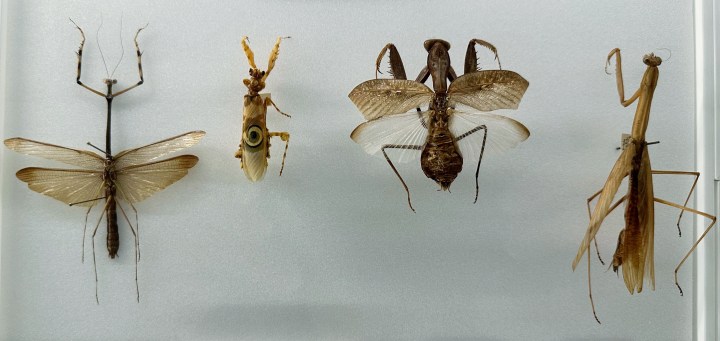
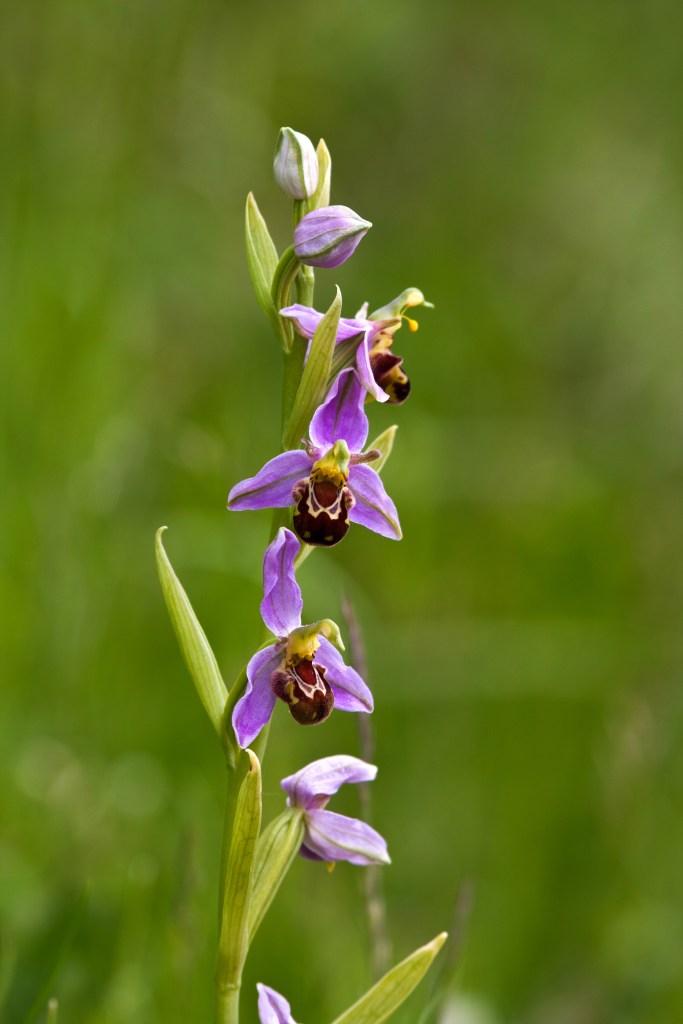
There are many mantis species. The orchid mantis is camouflaged with pale and vibrant pinks. Its legs disguised as petals, it lies in wait for flying insects. The bee orchid instead imitates an insect. Disguised visually and by scent as a female bee, it lures male bees searching for mates before transferring its pollen onto the body of the suitor. I chose these species because despite their vast biological differences, they both resort to imitation in similar ways.
10. Staghorn fern and common spiny lobster
by Abby
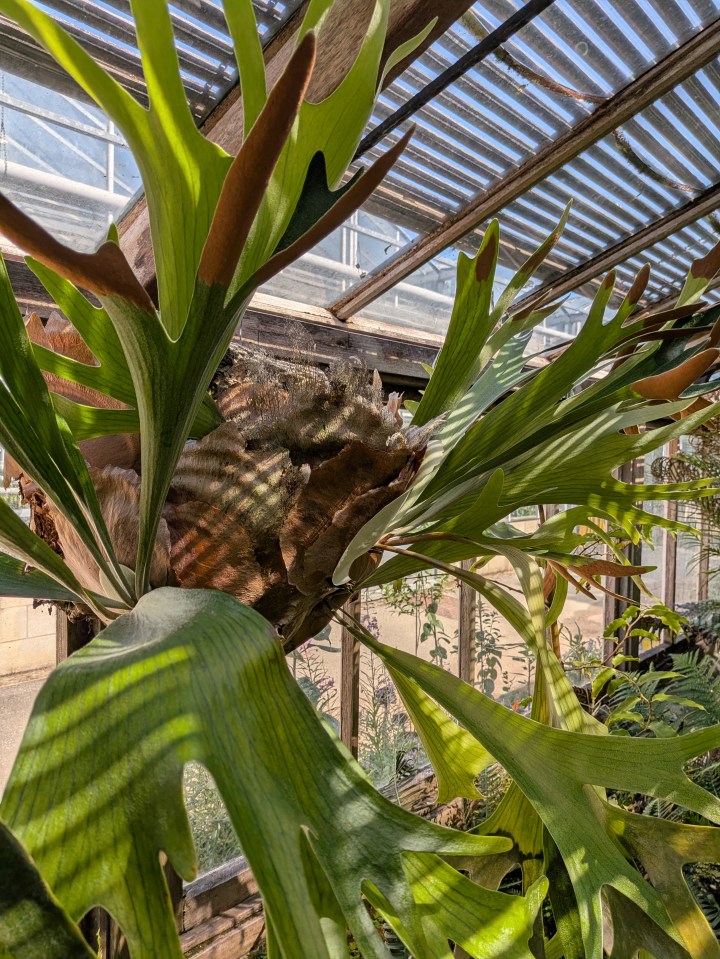
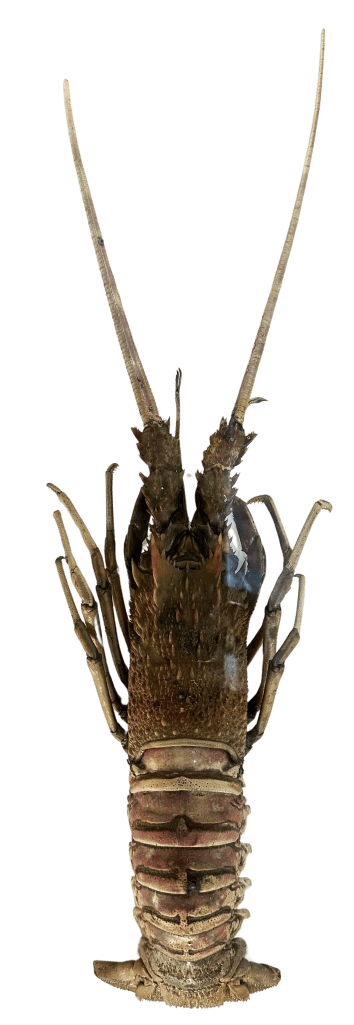
Despite looking pretty different, staghorn ferns and common spiny lobsters both use nutrient recycling.
Living on the sides of trees, staghorn ferns cannot get their own nutrients from the soil and instead have shield fronds (the brown leaves) that form a bowl-like structure. This allows them to catch falling leaves, and when the leaves break down, nutrients are released close to the fern’s roots.
Common spiny lobsters have a thick exoskeleton – or shell – that they shed as they grow. To retain the calcium carbonate, they eat their previous shells! This helps the lobsters to regrow their shells through speeding up the shell-hardening process, and so reducing the time they are vulnerable to predators while the new shells are still soft.
11. Rodrigues solitaire and black pepper
by Dan
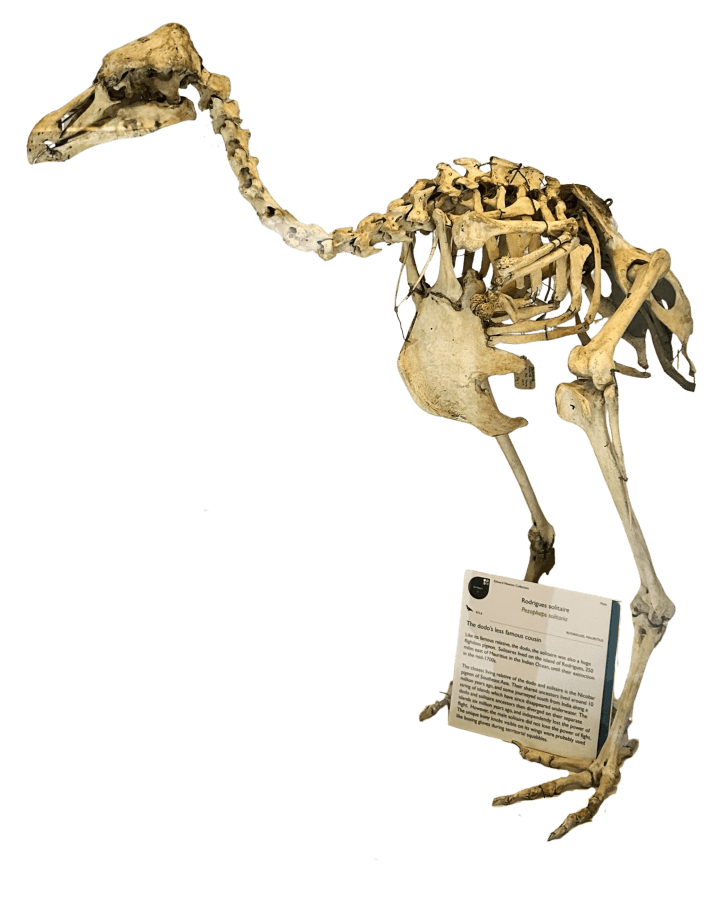
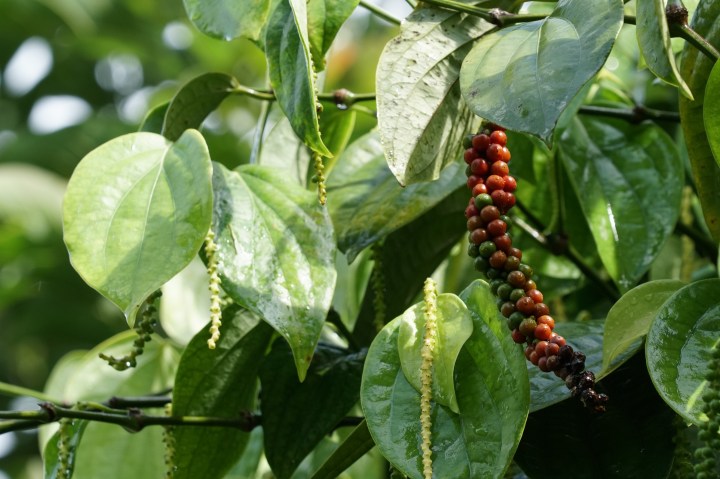
The Rodrigues solitaire was a flightless pigeon that lived in the island of Rodrigues, 350 miles east of Mauritius. It has an incredibly similar story as the dodo, being driven to extinction following the arrival of Dutch and other sailors, and then French colonisation of the island, which involved the development of plantations that relied on enslaved labour. Black pepper was part of the spice trade, with thousands of people being exploited and killed for the growth of this spice. I find it interesting as they show links with the colonial past. It’s also a valuable lesson even now.
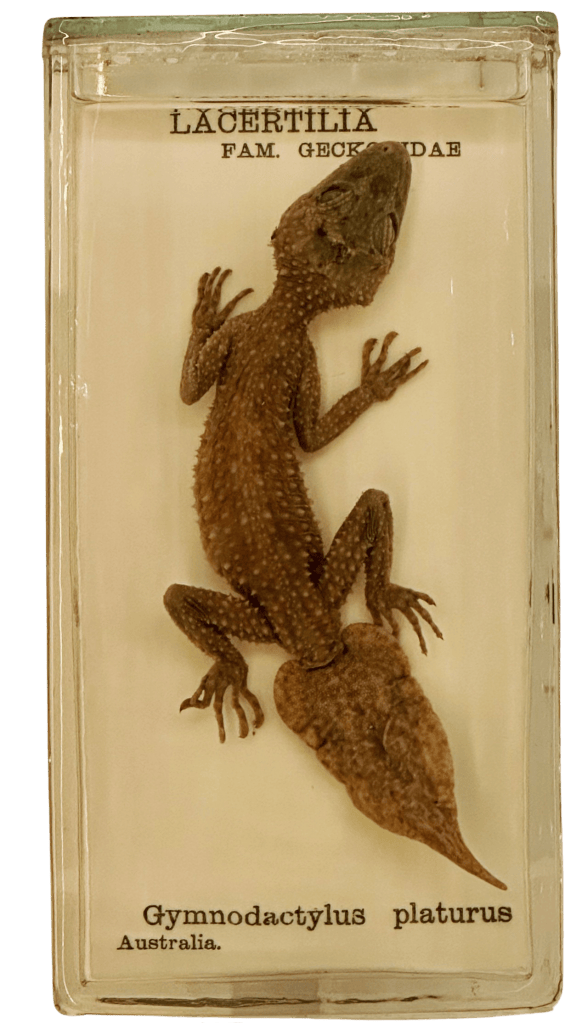
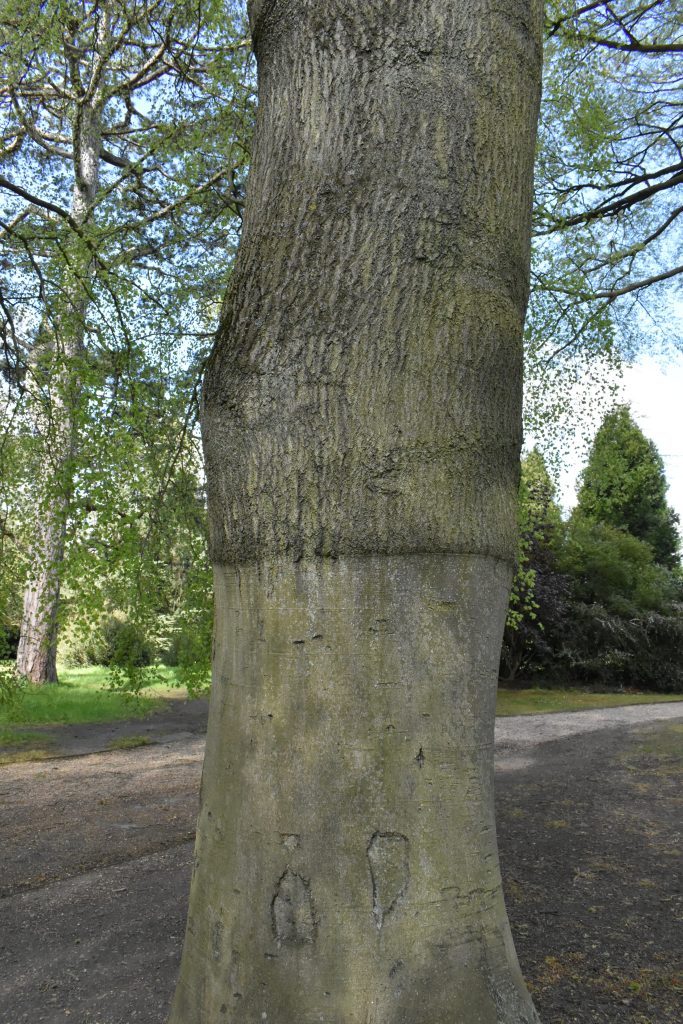
12. Grafted Henslow beech tree and broad-tailed gecko
by Veronica
In these beech trees, two different plants have been grafted together, allowing them to grow in unity, as one. At the point where they meet, cells divide and develop into new tissue, allowing the plants to join and continue growing together,
The broad-tailed gecko demonstrates another form of renewal. When threatened by a predator, the lizard sheds part of its own tail to escape. The gecko can then grow a new tail as the cells divide and develop to replace the lost tissue.
Although grafting and tail regeneration are dissimilar, both exhibit how living organisms can grow, repair and renew themselves.
13. The art of stillness: Indian roofed turtle and sensitive plant
by Sadika
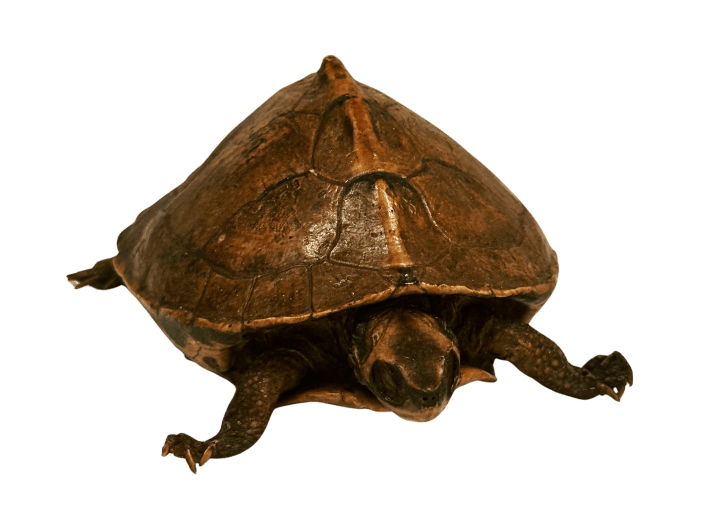
Across history, South Asia has often been shaped by colonial stereotypes that portray it as savage and aggressive. Looking beyond European narratives, these ideas quickly fall apart. The sensitive plant and Indian roofed turtle reveal a quieter story. A story of caution, adaptation and survival. When touched the sensitive plant folds into itself. When threatened, the Indian roofed turtle hides in its shell. Though they appear completely different, they are linked by the same response: to pause, hide and endure. In the wilderness of South Asia, survival is not always about strength. Because knowing when to stay still is the ultimate defence.

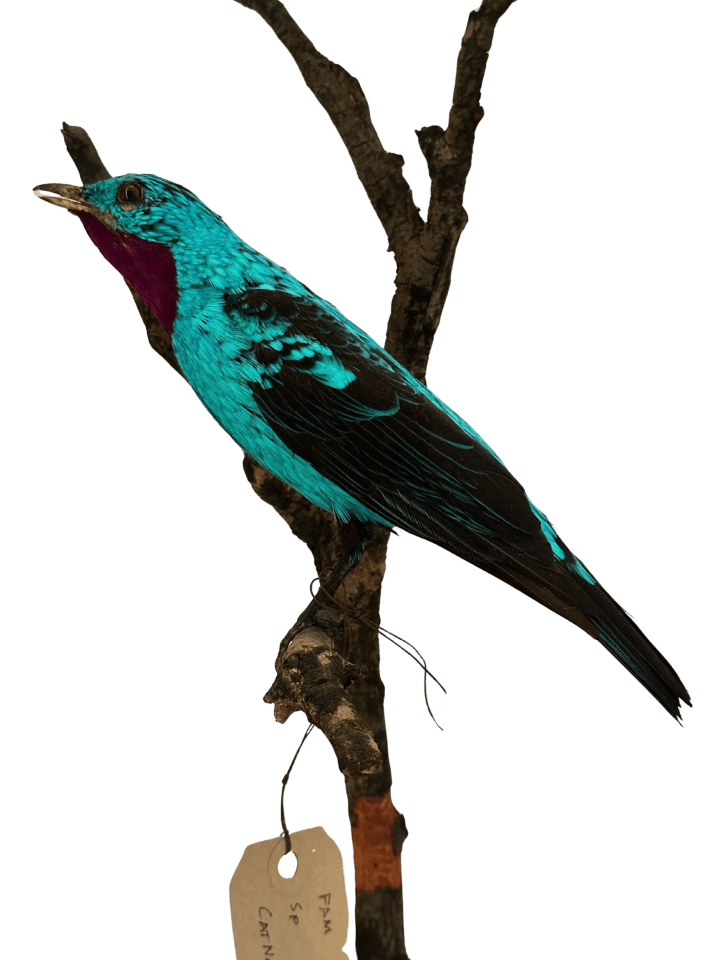
14. Shades of nature: jade vine (Philippines) and spangled cotinga (South America, Guyana)
by Andy
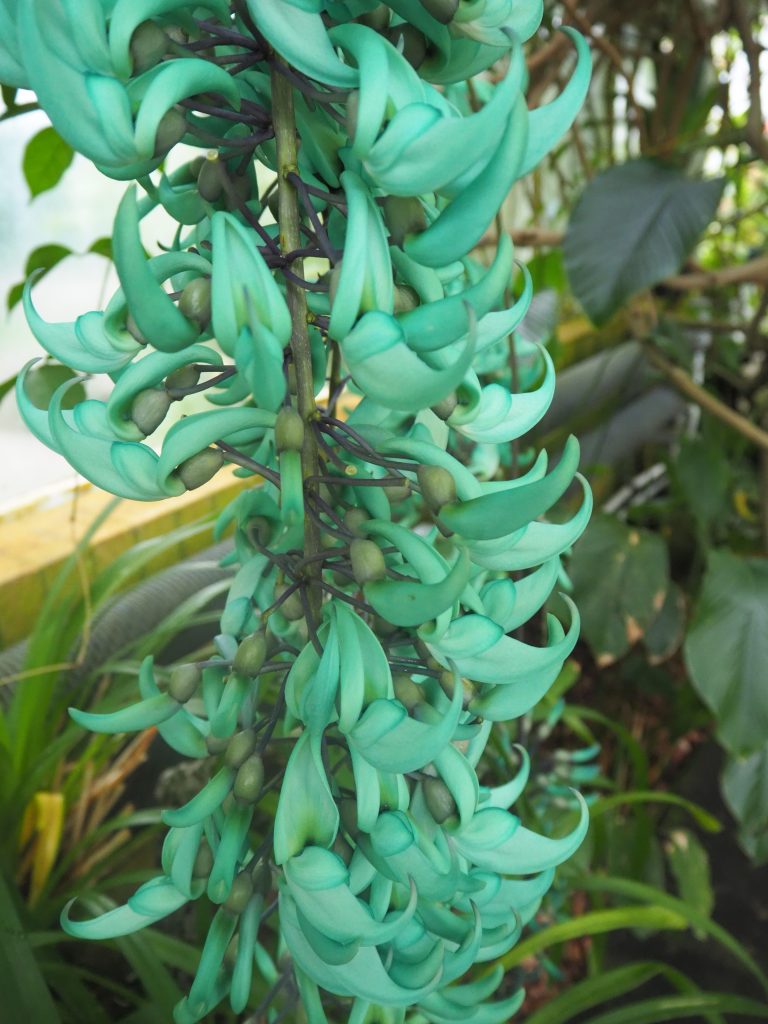
Colours in nature can be major signals of warning, attraction and intimidation. Two specimens perfectly embodying this are the jade vine and spangled cotinga, entirely different organisms, both featuring the same fluorescent blue, one of nature’s rarest colours. The vine utilises bright shades to attract its pollinators, bats! However, the male cotinga uses colour to entice female birds for mating. Both organisms are using this colour to help reproduce, despite being from different parts of the world and polar opposite types of living things.
15. Honey possum and Banksia
by Maisey
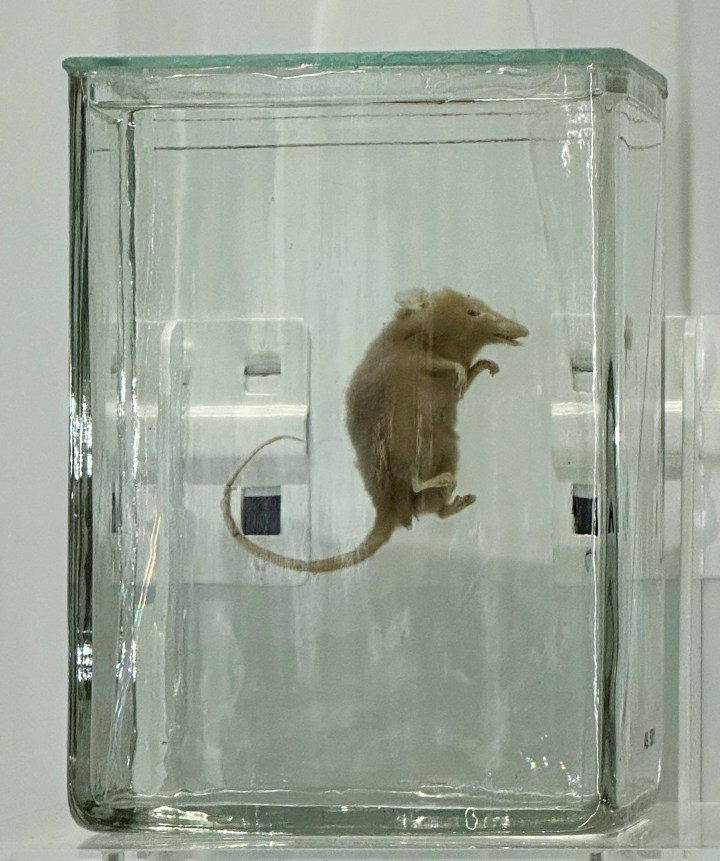
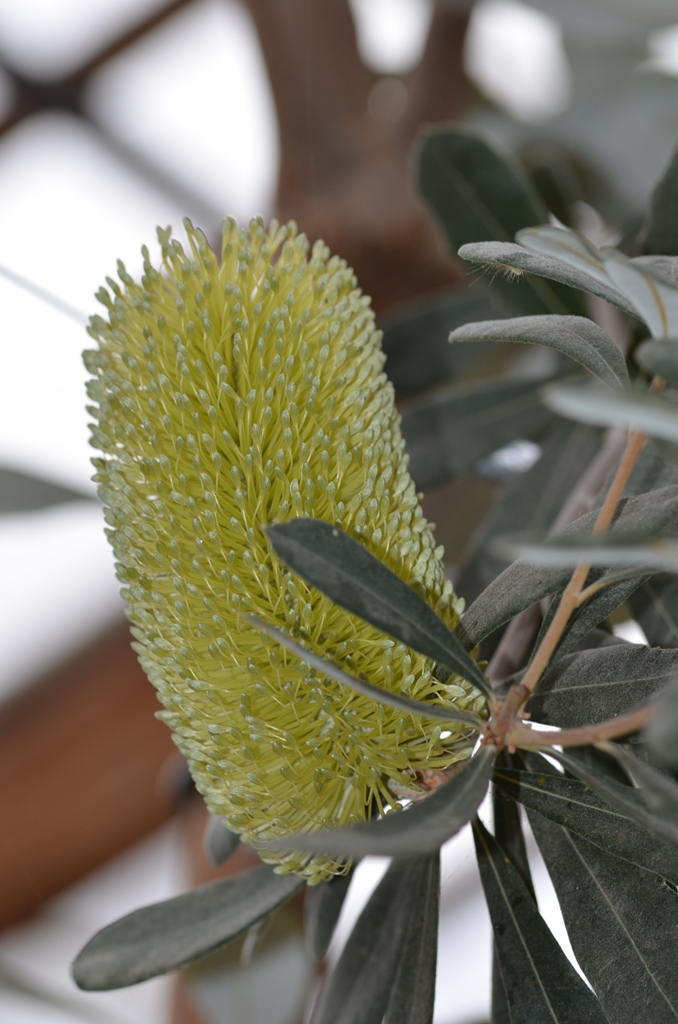
The honey possum, also known as the noolbenger, from a word for the species in the Nyungar Aboriginal language, and Banksia trees are linked very closely to each other. Honey possums are found in the geographically isolated southwest of Australia, surrounded by oceans to the west and deserts to the east. A lot of unique species can also be found here!
The honey possum is a nectarivore, meaning it eats nectar, all year round. To feed from fluffy, cone-shaped flowers of species of Banksia found there, they use their specially adapted snouts. This means that while feeding, their heads get covered in pollen. Then, when visiting other flowers, the pollen rubs off, so the Banksia is pollinated!
16. Giant redwood and red kangaroo
by Clara
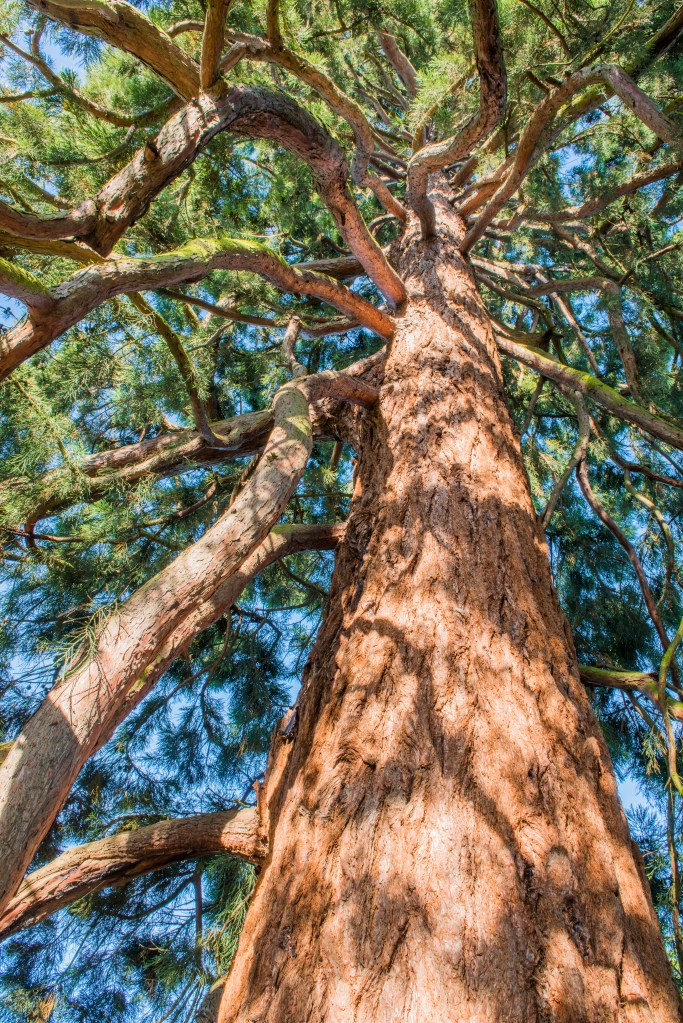
There are many examples of humans living alongside and respecting nature. Giant redwoods are a beautiful example of this. Native Americans have great respect for these majestic trees which grow up to 94.3m high, holding them to a spiritual status and preserving this in their traditional tools. Similarly, Australia’s red kangaroos are hugely valued by the Indigenous peoples that live alongside them.
Both species were threatened by colonists arriving in the last few hundred years, disrupting the delicate balance. Redwoods were encountered by American settlers, and many were logged or put on display. Tunnels through their giant trunks were built, perhaps as a symbol of conquer and control. Kangaroos were hunted – seen to be vermin and a threat to the way the colonists wanted to farm.
These two species are an example of the rich and complex history that exists between humans and nature. Conservation work has ensured these beautiful species are no longer endangered, and their stories act as a reminder of the damage exploitation does to our natural world.
17. Giant anteater and bull horn acacia
by Jade
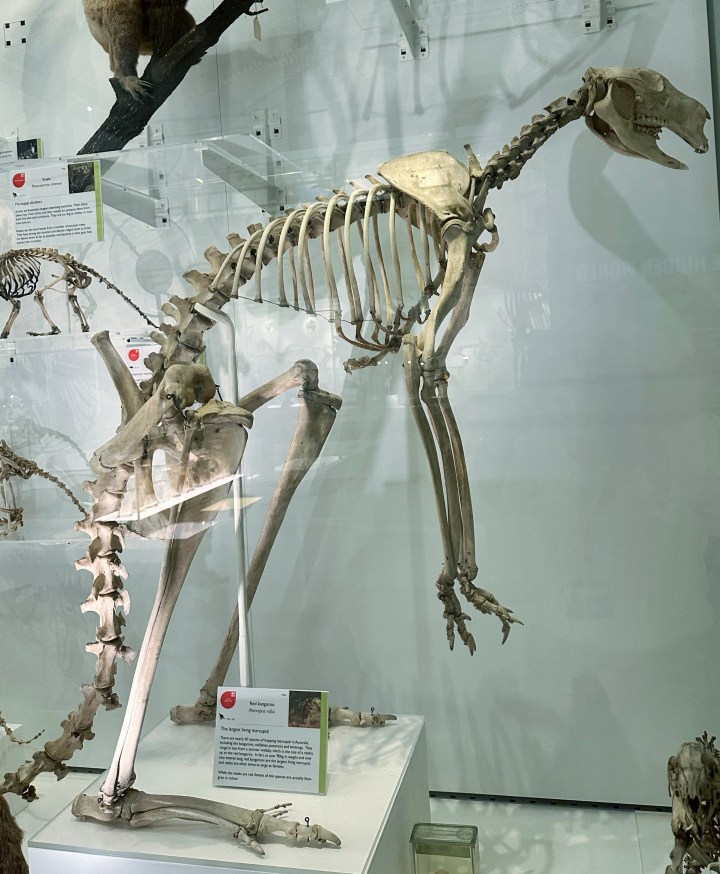
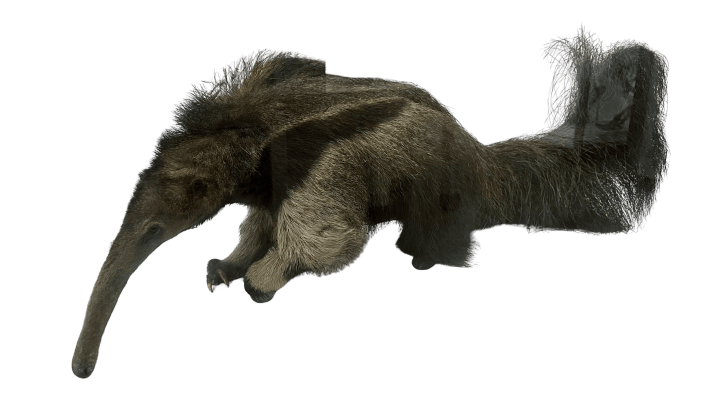
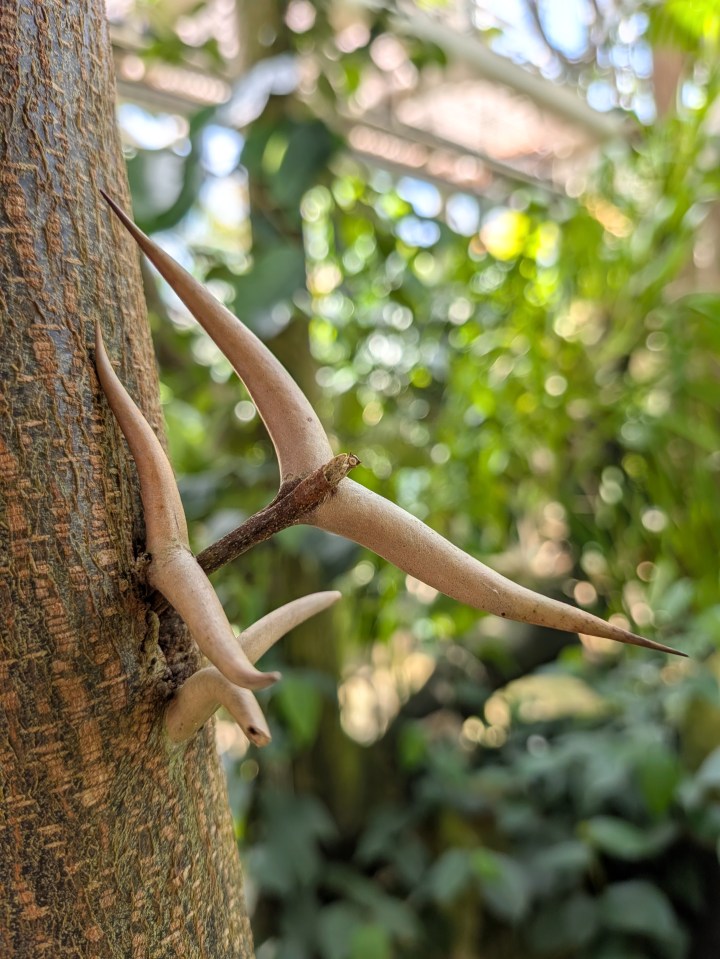
The giant anteater and bull horn acacia reveal that even apparently insignificant species make impactful contributions to nature. For instance, the acacia tree shares a mutualistic relationship with the acacia ant. The ants feed on sugars and fats obtained from the tip of the leaves. In return, the ants protect the tree from herbivores. On the other hand, the giant anteater primarily feeds on ants using its foreclaws to dig them up and its sticky tongue to collect them. Ultimately, this shows how ants have played their role as both protector and provider in nature.
18. Nine-banded armadillo and the succulent Deuterocohnia lorentziana
by Freya
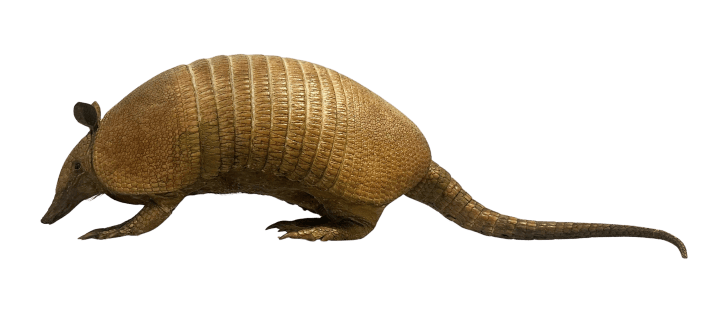
All kinds of plants and animals have adaptations to protect themselves from harm, including the nine-banded armadillo and the succulent plant Deuterocohnia lorentziana.
The armadillo has rounded outer-shell armour, made from bone and keratin. These tough plates are able to stop the sharp teeth of predators, such as coyotes and alligators, and keep the armadillo safe from danger.
Similarly, the rounded shape of the succulent means its leaves are packed tightly together, so less of the surface is exposed to the sun and the wind. This helps to reduce water-loss, and keeps the plant healthy.

19. Fen orchid and Hawaiian honeycreepers
by Em
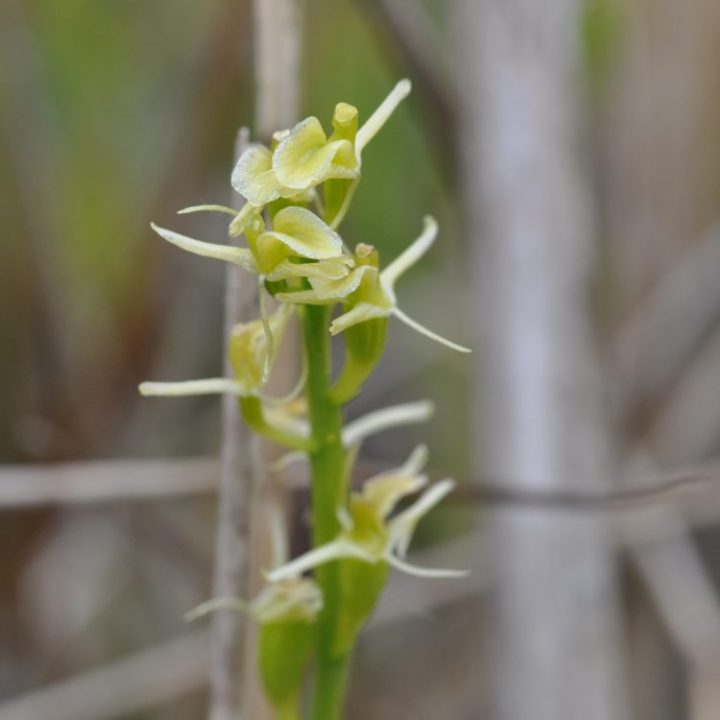
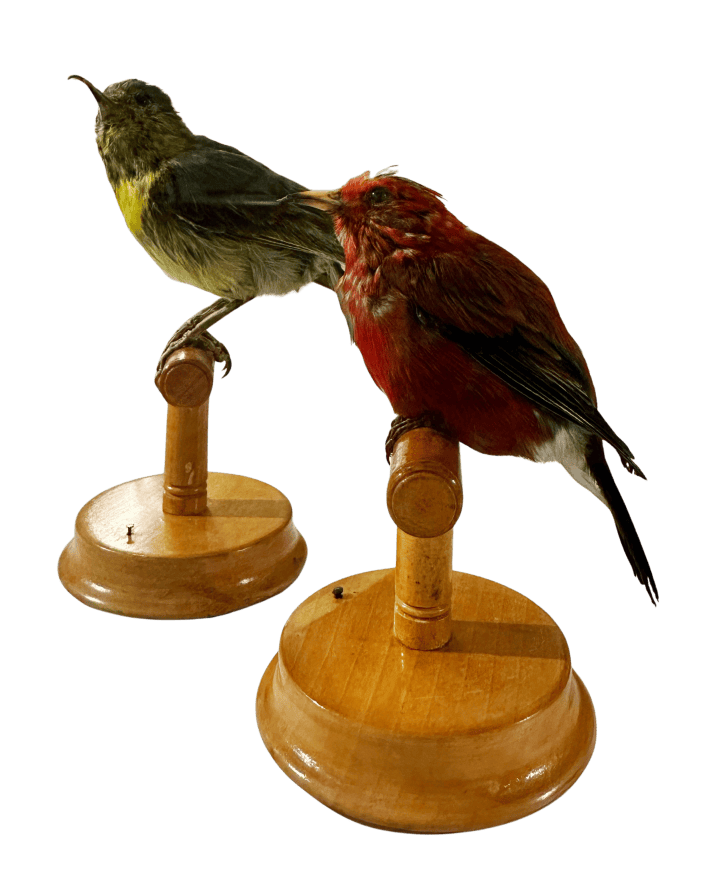
The fen orchid and the Hawaiian honeycreepers reveal how our relationship with the natural world has changed over time. In the past, rare plants and animals were collected for personal cabinets of curiosities. Intensive hunting also contributed to the decline and extinction of many species, resulting in a massive loss of biodiversity.
Following human arrival in Hawai’i, habitat loss, introduced predators and disease caused honeycreeper populations to decline dramatically, leaving only 18 species surviving today.
There is now greater focus towards conservation of species. Here in the UK, the fen orchid is protected within vulnerable wet ecosystems reflecting growing efforts both locally and globally to manage, restore and keep biodiversity now and for the future.
20. Rubber tree and elephant
by Mack
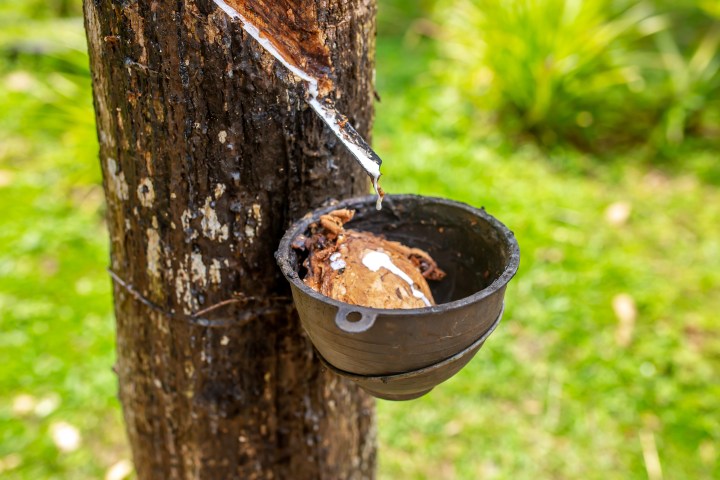
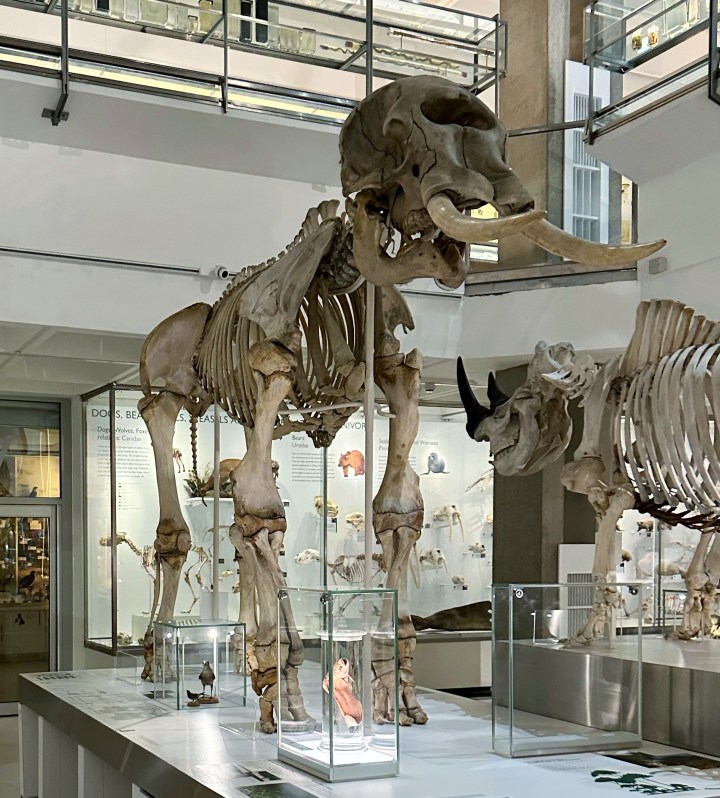
I decided to choose the rubber tree in the Botanic Garden to compare to the elephant in the Museum of Zoology. This is because they are both interlinked with human history and the development of human societies. Rubber has been harvested on a large scale since the 1890s for many purposes such as tyres. This helped drive the colonisation of many countries, as European nations sought to make money from their natural resources. Similarly, in 1885, under King Leopold II of Belgium, elephants in the Congo were hunted and killed for their tusk ivory, which was used to make items such as jewellery.
21. The fern Dryopteris wallichiana and Eurasian golden plover
by Lavinia
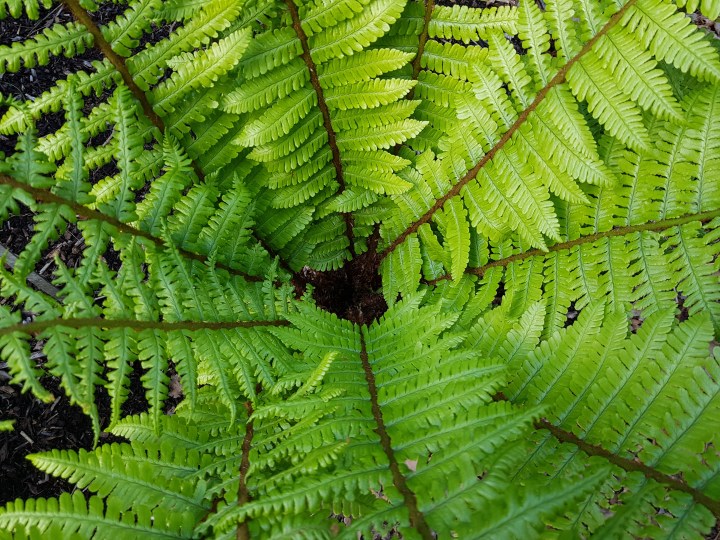
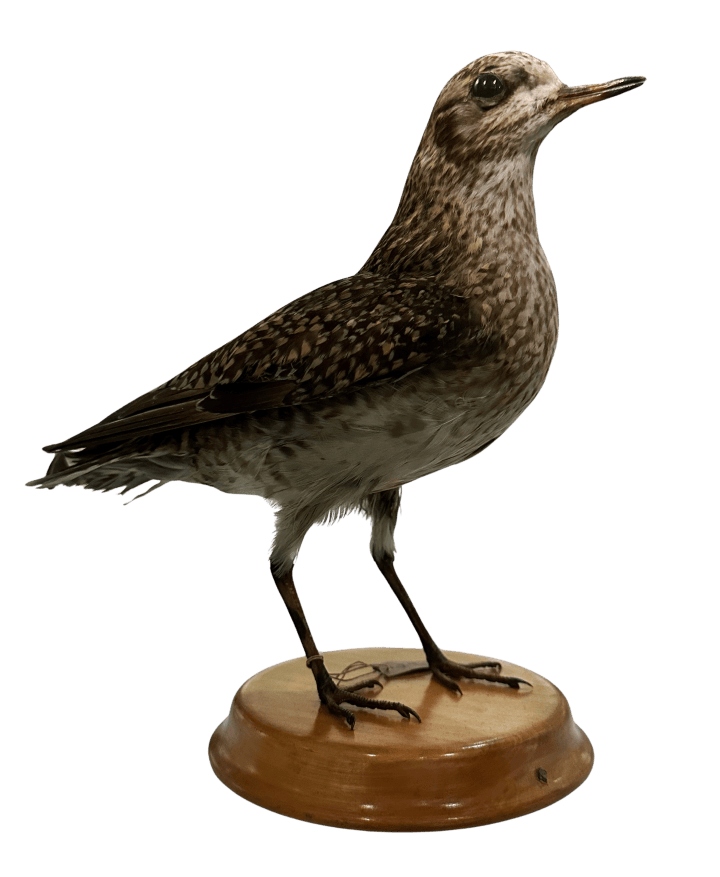
Ecosystems have faced many changes as a result of climate change. Both the bamboo-like fern Dryopteris wallichiana and Eurasian golden plover are examples of movement within nature due to these changes. Because of global warming, the fern has adjusted to climates outside of equatorial environments. As a result, people are able to grow it in the UK and it is becoming increasingly common here in landscaping and gardens. Conversely, the golden plover population has declined whilst temperatures have risen, following the loss of the craneflies they fed on. These species show the impacts of climate change on the natural environment.
22. Touch and retreat: sensitive plant and hedgehog
by Esme
The sensitive plant has a fern-like leaf, is sometimes regarded as invasive outside its native range, and has an interesting response to water loss. Its cautiousness allows it to curl into a ball as a defence against local herbivores.
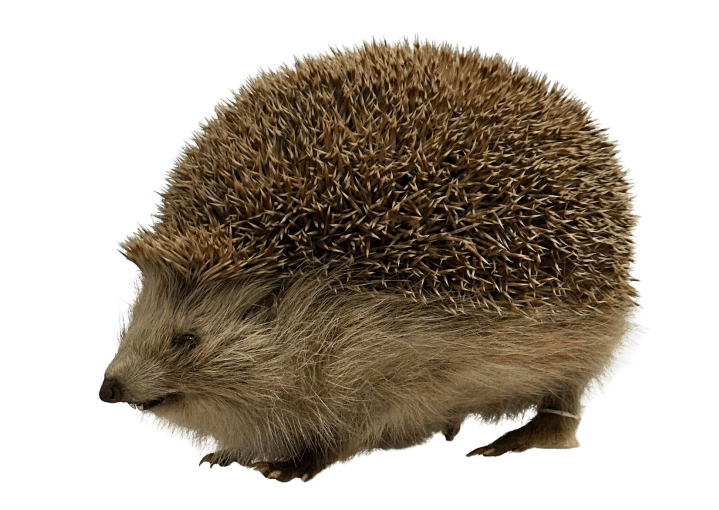
Hedgehogs also respond similarly to wandering predators by curling themselves up and waiting until the coast is clear.
Unlike the common spiked plants, the hedgehog’s adopted spikes are unusual, joining only a few of its fellow mammals, including porcupines, tenrecs and echidnas.
23. Giant redwoods and black rhinos
by Lucas
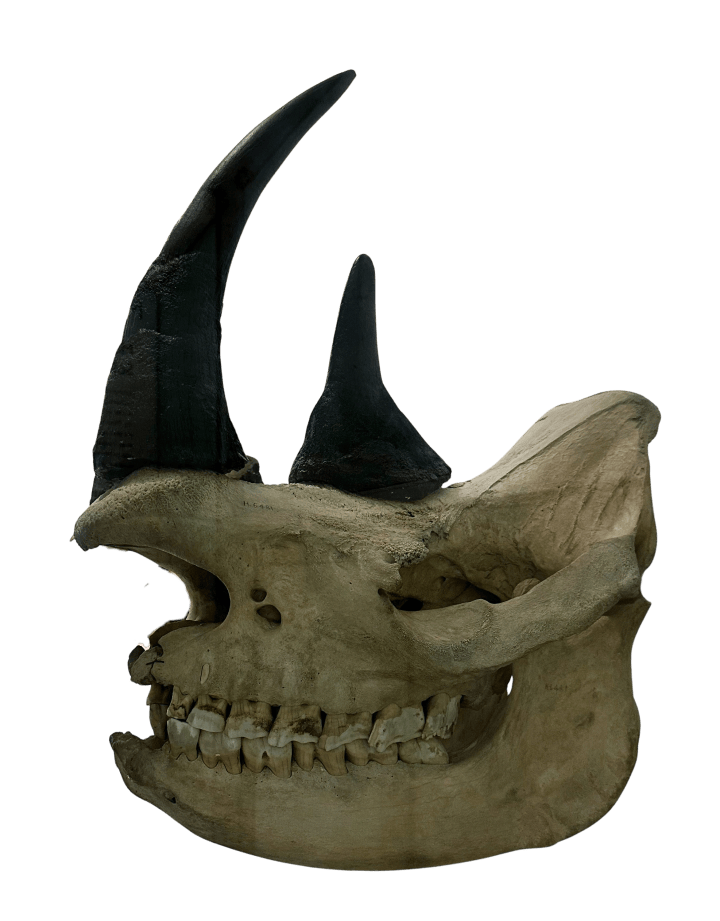
Like many plant and animal species, giant redwoods and black rhinos are both in need of conservation. However, the support and funding for these programmes isn’t always so clean.
Key figures involved in the redwood nature reserves were strongly associated with white supremacy and eugenics, creating problems with celebrating their work.
Black rhino conservation is often supported by trophy hunting which, although often seen as unethical and easily exploited by poachers, is sometimes argued to be the only way to secure funding.
These issues raise questions about when the ends justify the means and how we tell the stories of conservation honestly.
24. Tiger and turmeric
by Madeeha
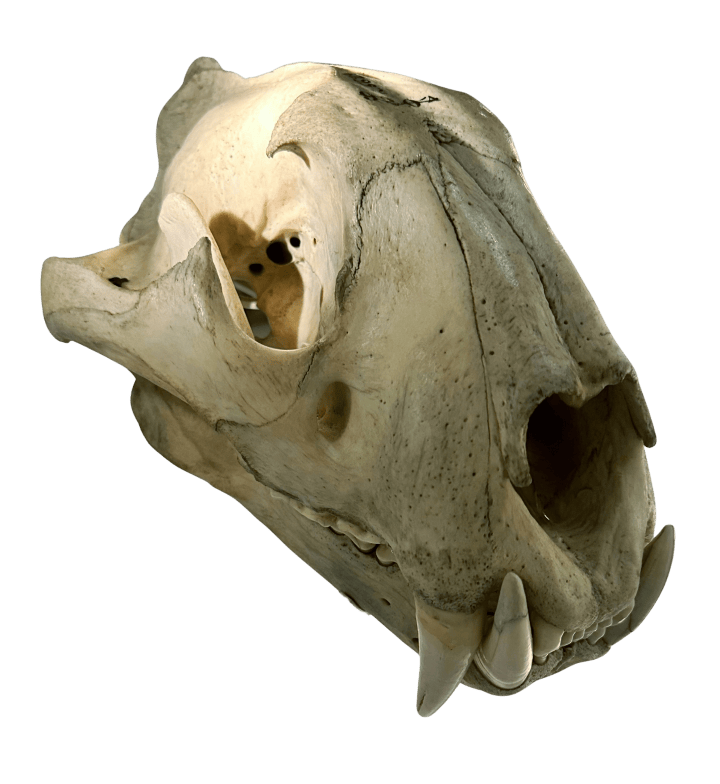
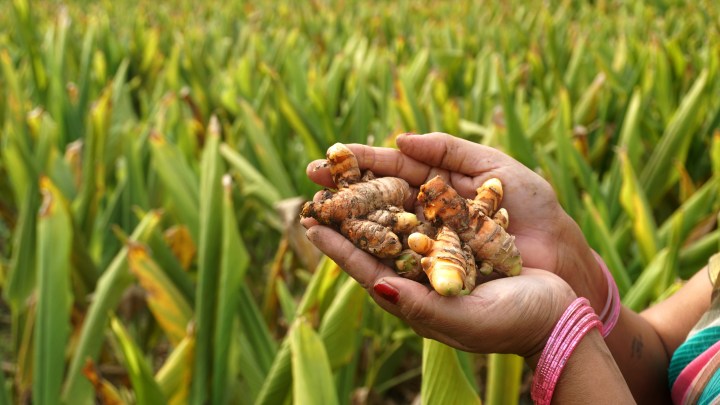
In his 1978 book Orientalism, Edward Said observed the West’s contradictory view of the East as both inferior and oftentimes primal, as well as being a sort of exoticised fantasyland. This is evident in British writing throughout the colonial era. Artworks sometimes portrayed the tiger as particularly savage (allegorical of Indian men) justifying imperial ‘civilisation’, often shown defeated by the lion, a retributive, and distinctly British hero. Conversely, turmeric, widely exported, was heavily used as a colouring agent. Its exaggerated use in British ‘Indian’ recipes allowed engagement with a component of empire at a safe distance.
This duality fascinated me. To me it reveals how colonialism sustains its own exploitation, silencing the voices that nurture culture in the first place.
25. Disguised partners – moonflower and hawkmoth
by Amna
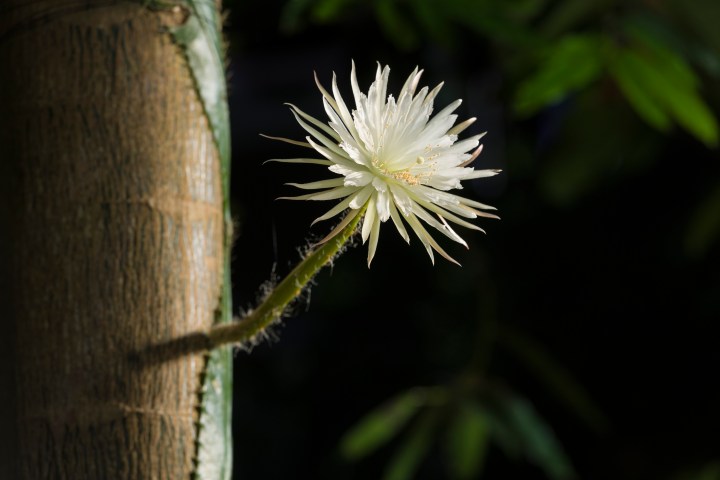
In the day the moonflower lies low, blending into tangled tree branches where it grows with flat stems that mimic leaves. At night it transforms.
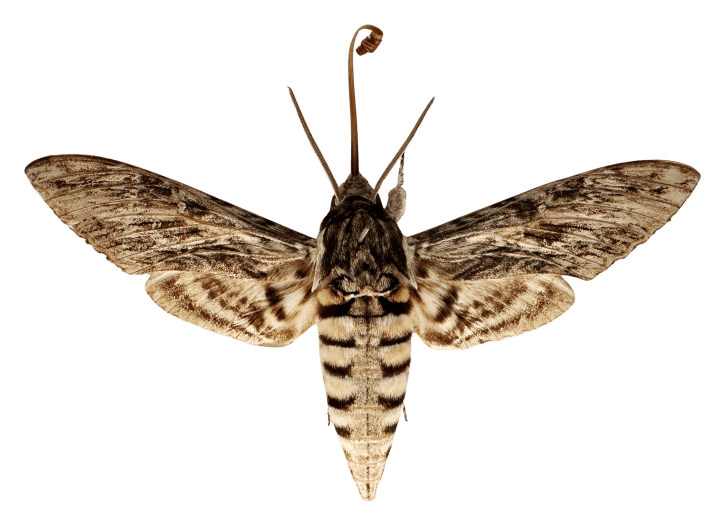
Large, white flowers open like glowing signals releasing a sweet scent that guides the hawkmoth. The moth’s muted colours camouflage it, keeping it almost invisible in the night air. Its long proboscis is perfectly suited to reach deep into the flower nectar, feeding and carrying pollen between flowers. Both species rely on timing – hidden by day, revealed by night – perfectly matched partners in a quiet, nocturnal dance.
26. Rice plant and penguins
by Joseph
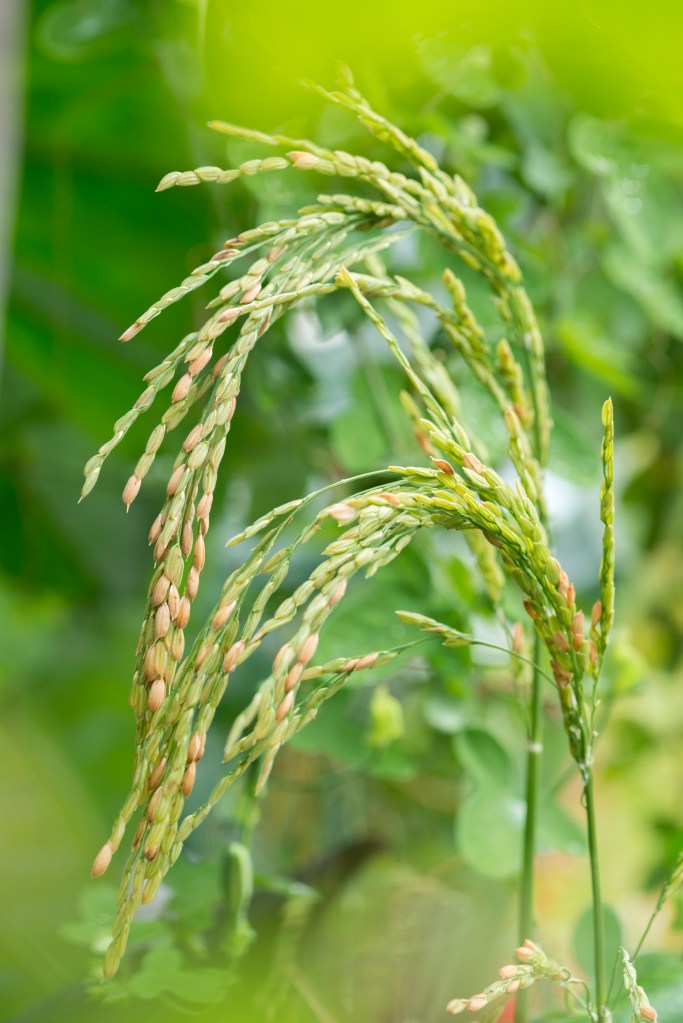
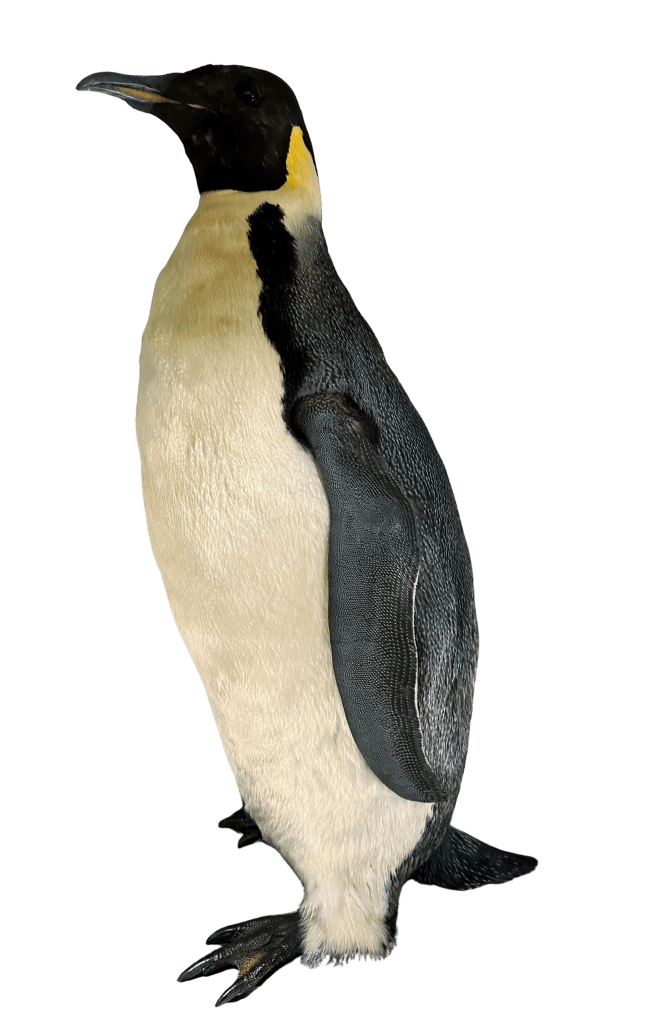
Since the beginning of rice cultivation in Asia, rice farming has continuously shaped human societies. The arduous task of farming rice forced early human communities to cooperate to ensure a successful harvest and avoid starvation. This suggests that human behaviours are fundamentally tied to their local environment. In a similar fashion, emperor penguins cooperate for their mutual survival by huddling together to stay warm. There is, therefore, a strong link between a species ability to collaborate and the conditions needed to thrive in their respective environments.
27. Deer and staghorn fern
by Wilfie
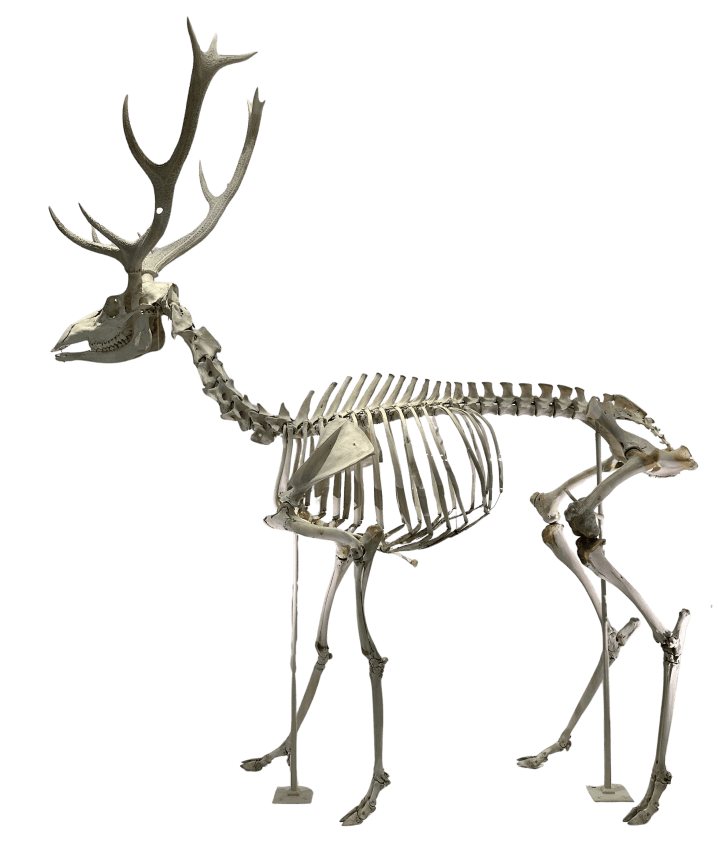
Taking in both specimens there is uncanny similarity between the antler-like structures of both organisms. The shape of the antlers and the fern’s fronds are my living link, I think it is amazing! How can both these organisms evolve similar shapes despite being so far apart in evolutionary time. When choosing these specimens, I wanted to link the idea of ‘presentation’, in nature, both species using their structures in reproduction. The stags used their horns like a peacocks tail, displaying to females their health. The fern uses its structures to disperse spores which grow into other ferns with larger “horns” producing more spores. What other shapes may evolution have produced more than once?
28. Argan tree and whales
by Samara
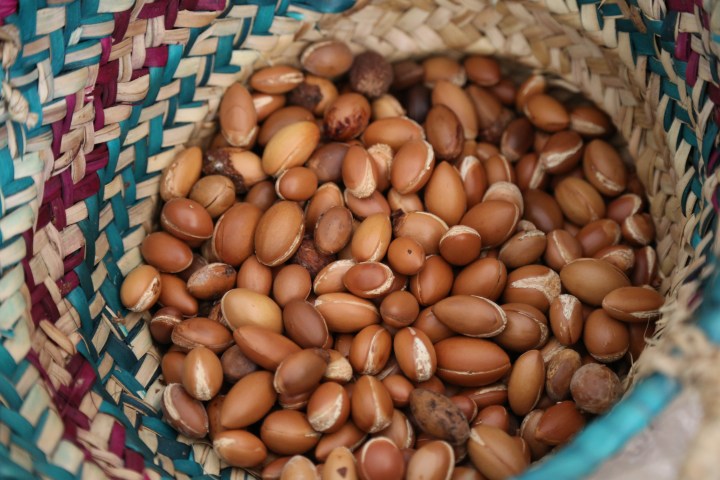
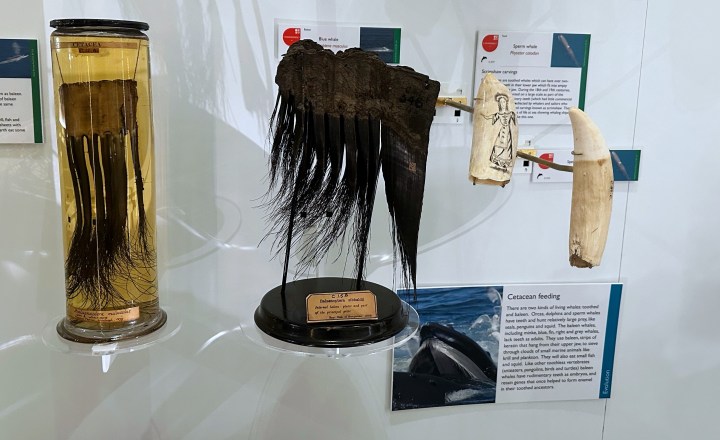
Both the argan tree and whales have been valued for the oil they produce. In the past, whales were hunted and their blubber boiled down to make oil used for lighting and machinery. This large-scale hunting caused whale numbers to fall sharply, leading to international agreements to protect remaining populations.
Today, argan oil is made from the kernels of the argan tree in Morocco and is used in food and cosmetics. Its production involves time-consuming manual work, often carried out by underpaid women. Together, these examples show how the exploitation of natural resources continues, even as the sources change.