
Be part of designing an upcoming trail that will be featured in the Museum!
We are collecting feedback on our trail ‘Nature through her Eyes: Women in STEM’, that showcases the amazing research being undertaken by some of the brilliant women in the Department of Zoology.
From ancient fossils to large-scale conservation, our researchers are exploring all facets of the natural world, so join us for a journey through the history of life on Earth as explored by world-leading female scientists.
We have designed a short survey so you can be part of shaping what we feature when the trail launches in the Museum.
Complete the survey before our deadline on Sunday 15th November!
1. Dr Emily Mitchell, Assistant Professor, Curator of Invertebrates
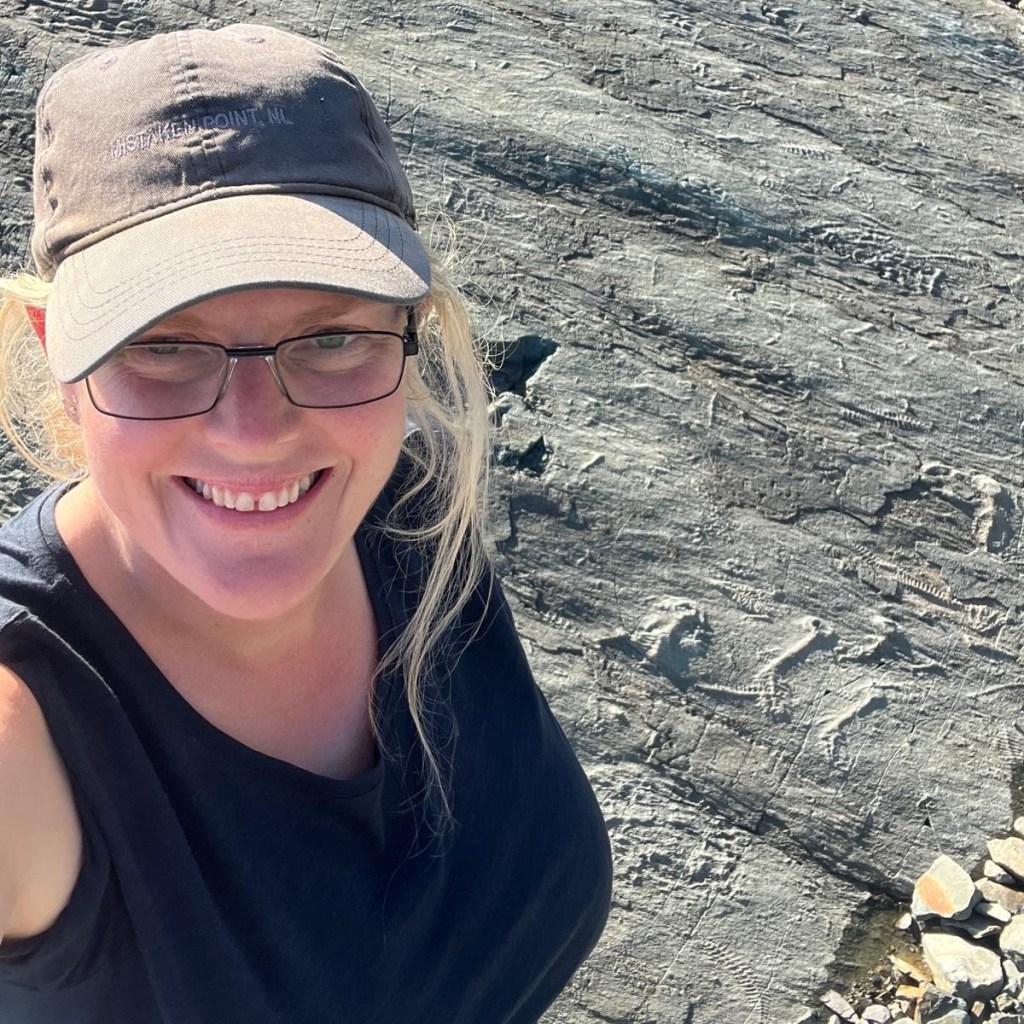
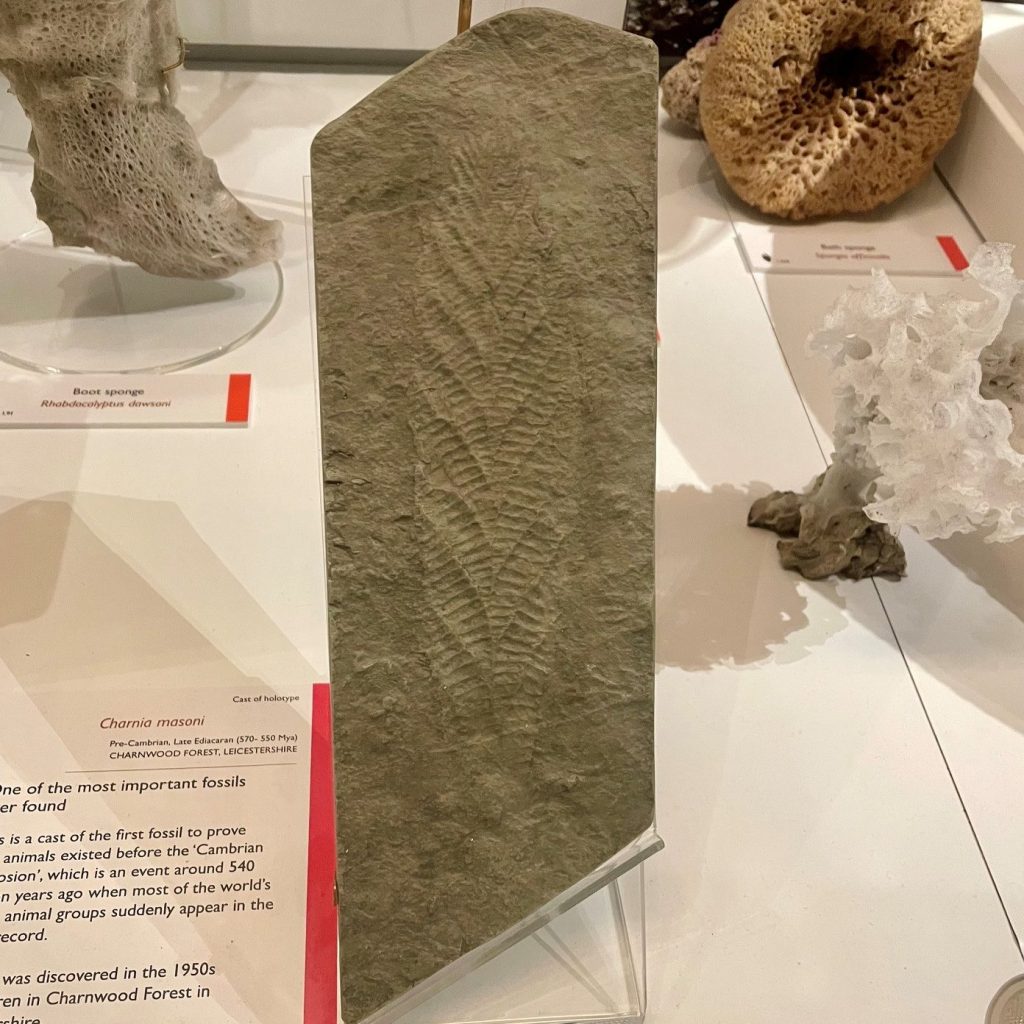
My research focuses on some of the first animals that ever existed, from the Ediacaran time period, around 580 million years ago. This specimen is a cast of the first Pre-Cambrian specimen ever described – Charnia masoni. This fossil was first found by school children: Tina Negus (who wasn’t believed by her teacher) and a year later by Roger Mason.
2. Mairenn Attwood, PhD Student
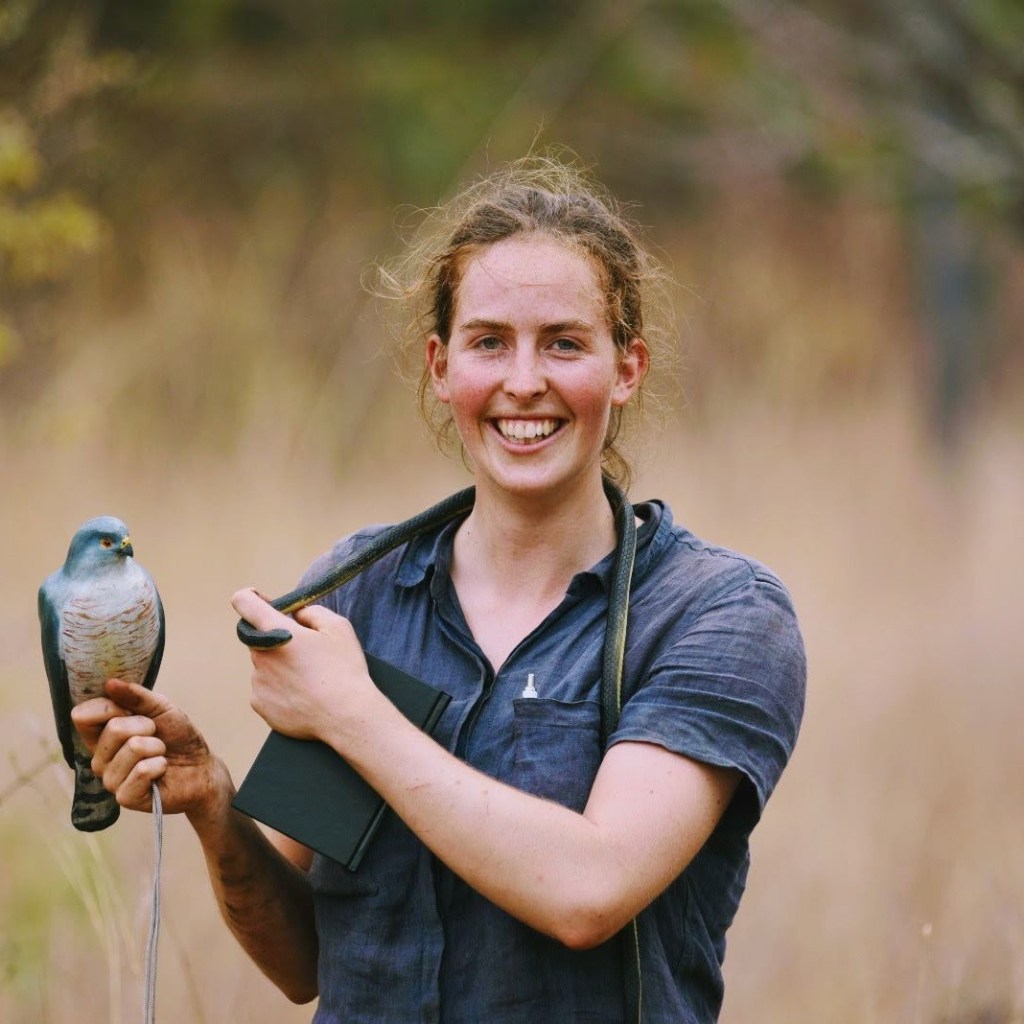
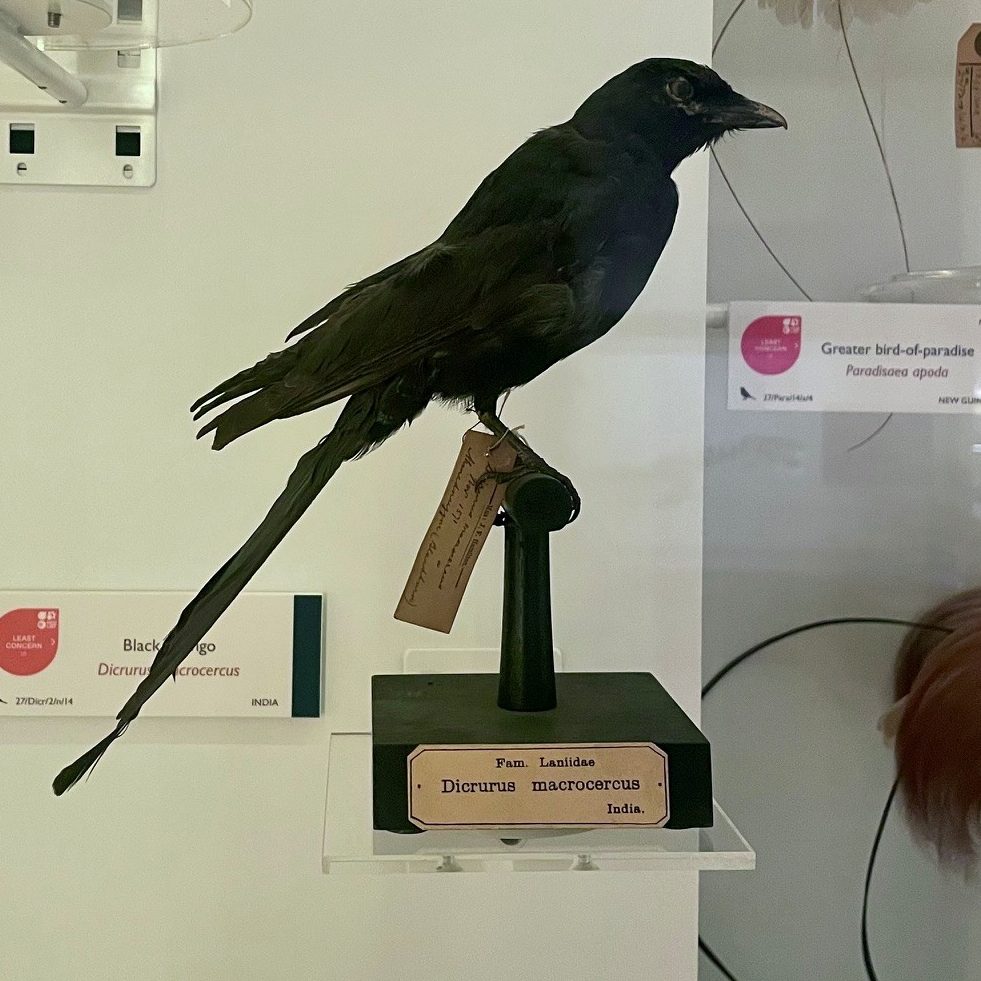
I am interested in how evolution and ecology are shaped by interactions between species. I focus on fork-tailed drongos – incredibly aggressive birds that mimic calls of other animals and manipulate other birds to protect their nests. However, in turn, African cuckoos manipulate drongos by laying their eggs in drongo nests for the drongo to raise. I work with a brilliant in team in Zambia to study this behaviour using 3D printed bird models and broadcasting bird calls.
Find out more about Mairenn’s research.
3. Dr Carla du Toit, Visiting Researcher

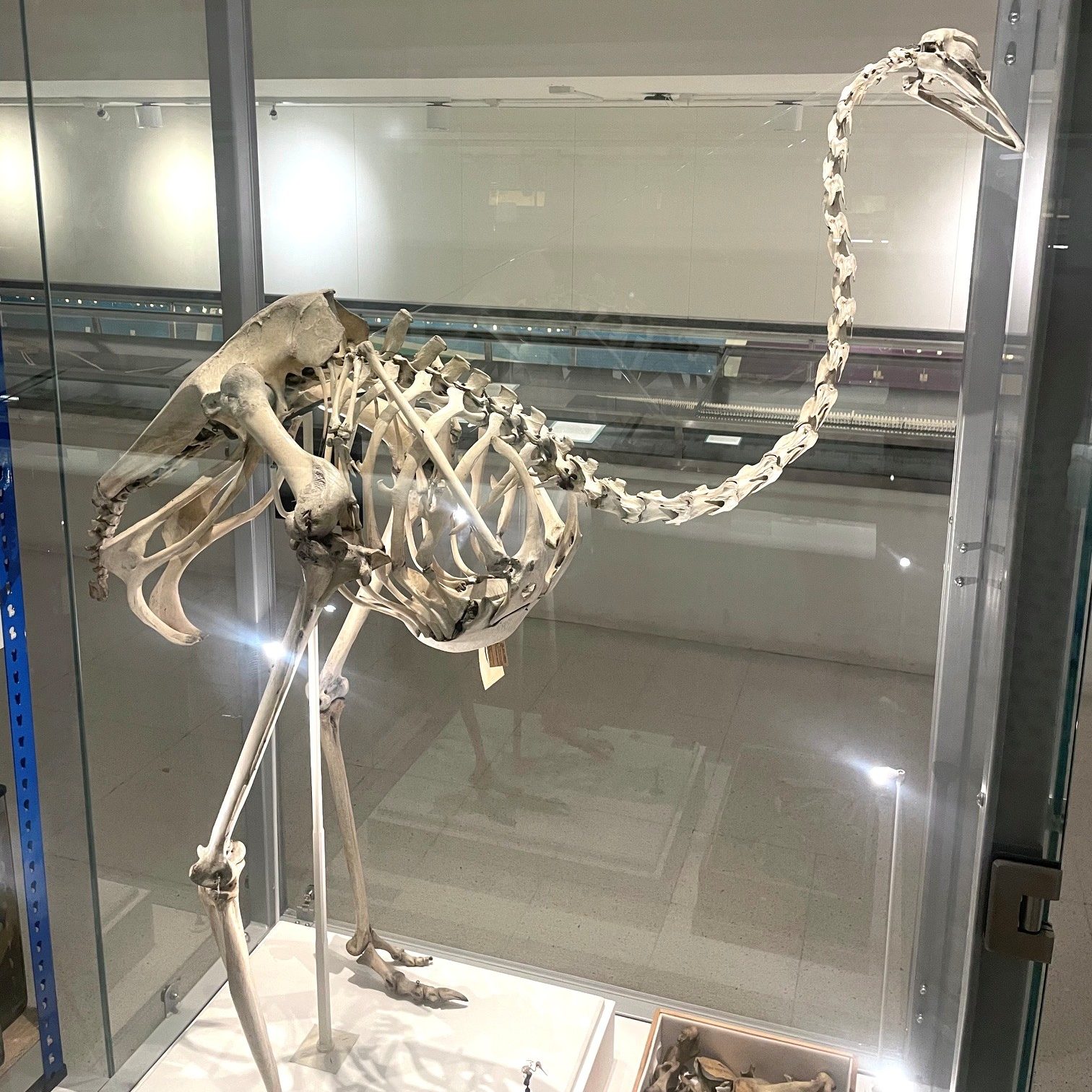
I study how specialised touch organs evolved in the bills of ancient birds. Ancestors of ostriches and emus had specialised organs to sense vibrations in mud to find prey – similar to modern day sandpipers and ibises. We identify these organs by thousands of little holes on their beak
bones, which you can see here on this ostrich’s bill.
4. Dr Adria LeBoeuf, Associate Professor
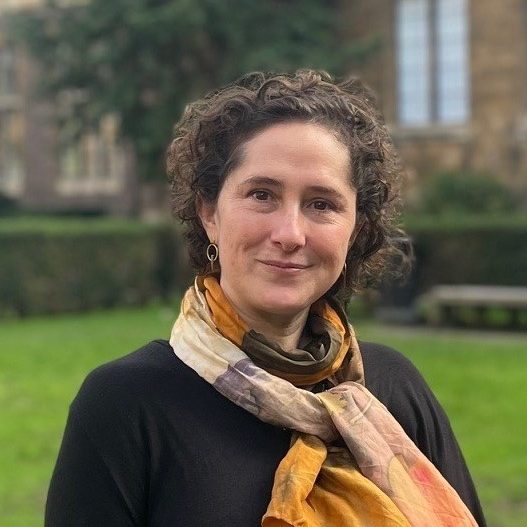
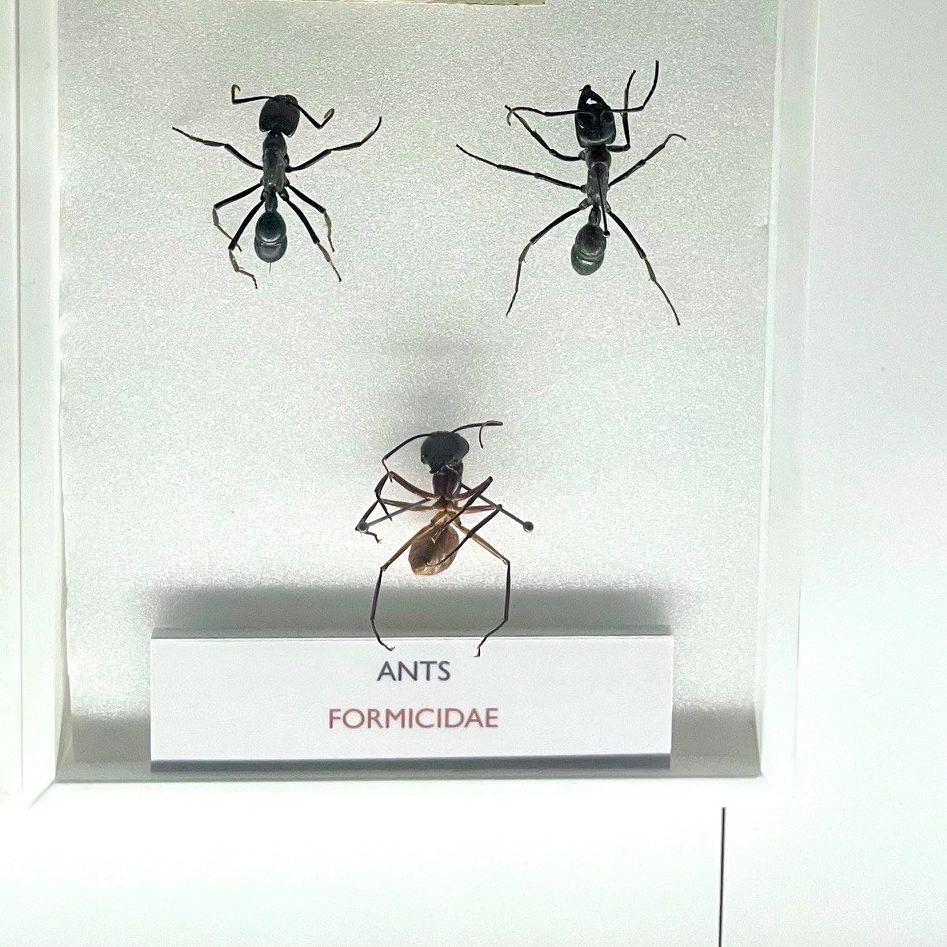
How do our genes manipulate our social behaviour? This is the question that got me into science. I study materials that are socially transferred between, and act on, animals. Proteins in these materials provide links between genes and social life, which also gives insight into evolution. I mostly use ants to study the evolution of social transfers because of their prolific diversity of social structures, but I am fascinated by all the incredible social exchanges across biology.
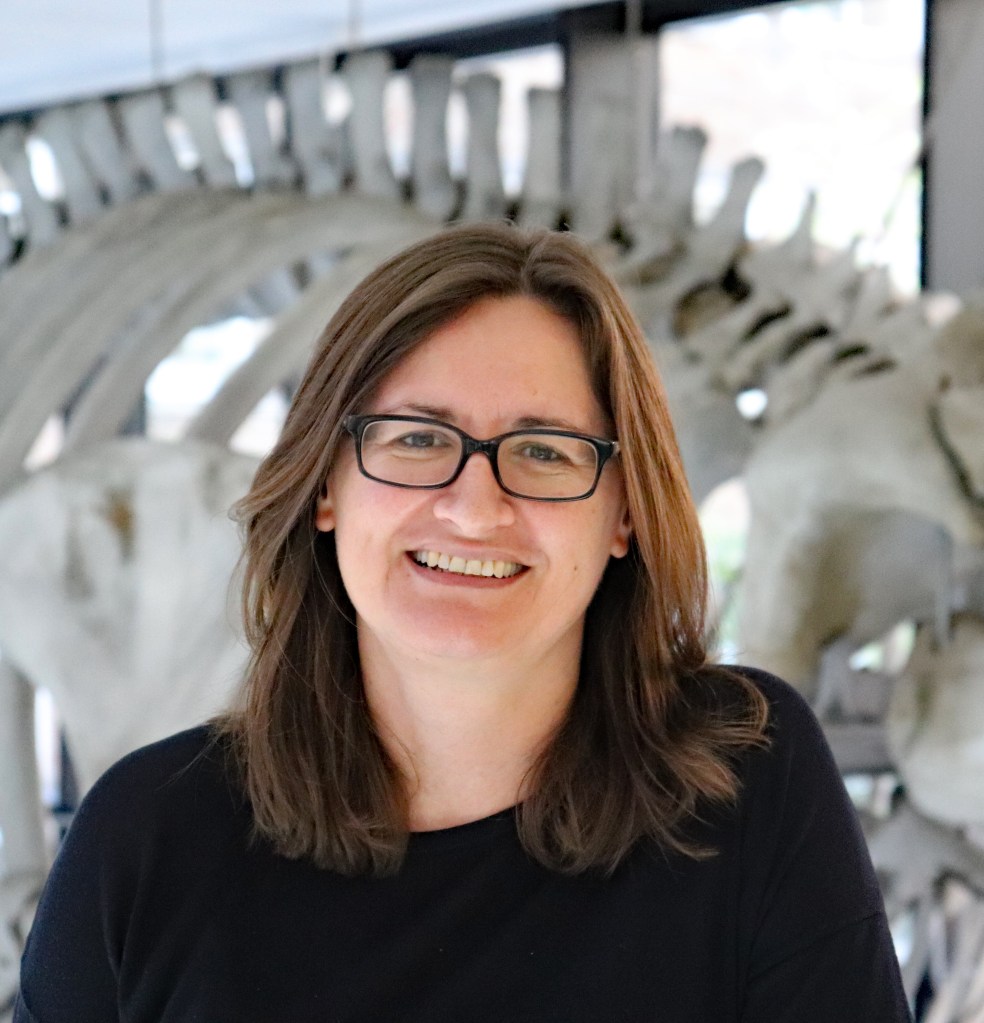
5. Prof. Rebecca Kilner FRS, Professor and Head of Department
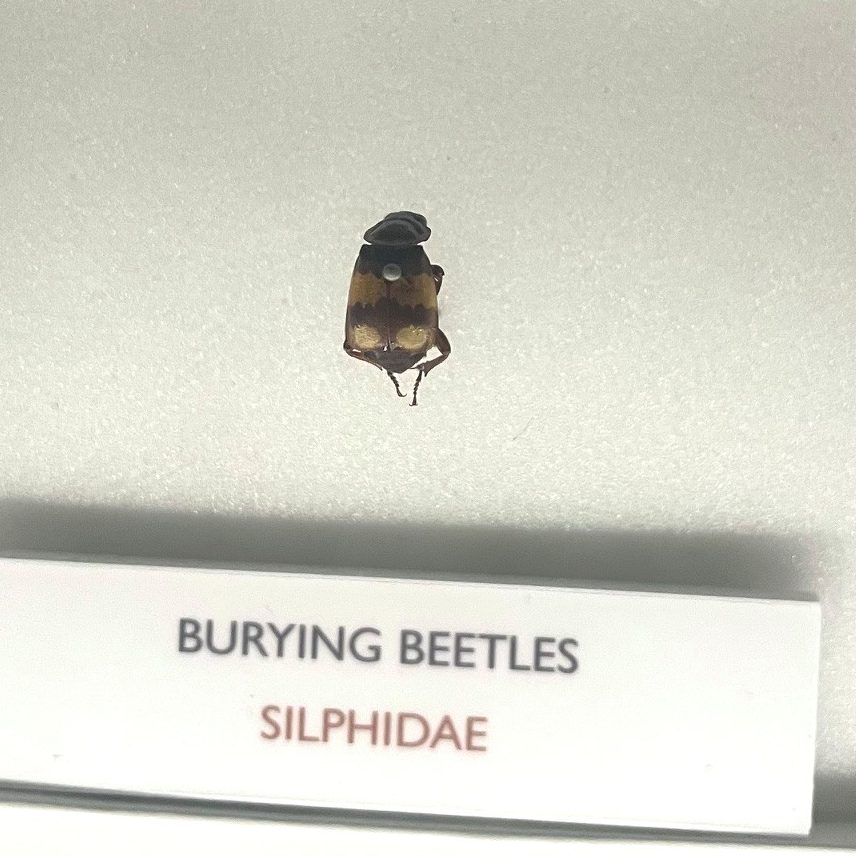
We investigate how evolution works by focussing on burying beetles. Pairs of beetles create edible nests for their young by burying a dead mouse or bird. Both parents then feed the larvae and defend them from attack. Burying beetles are common in Cambridge woods and have evolved to be subtly different from one woodland to the next. We use experimental evolution in the lab to identify the conditions that cause natural populations to evolve in different ways.
6. Dr Tiffany Ki, Henslow Research Fellow
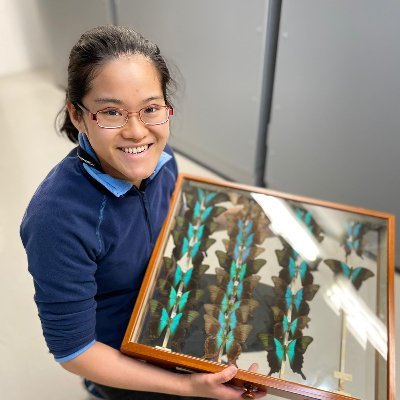
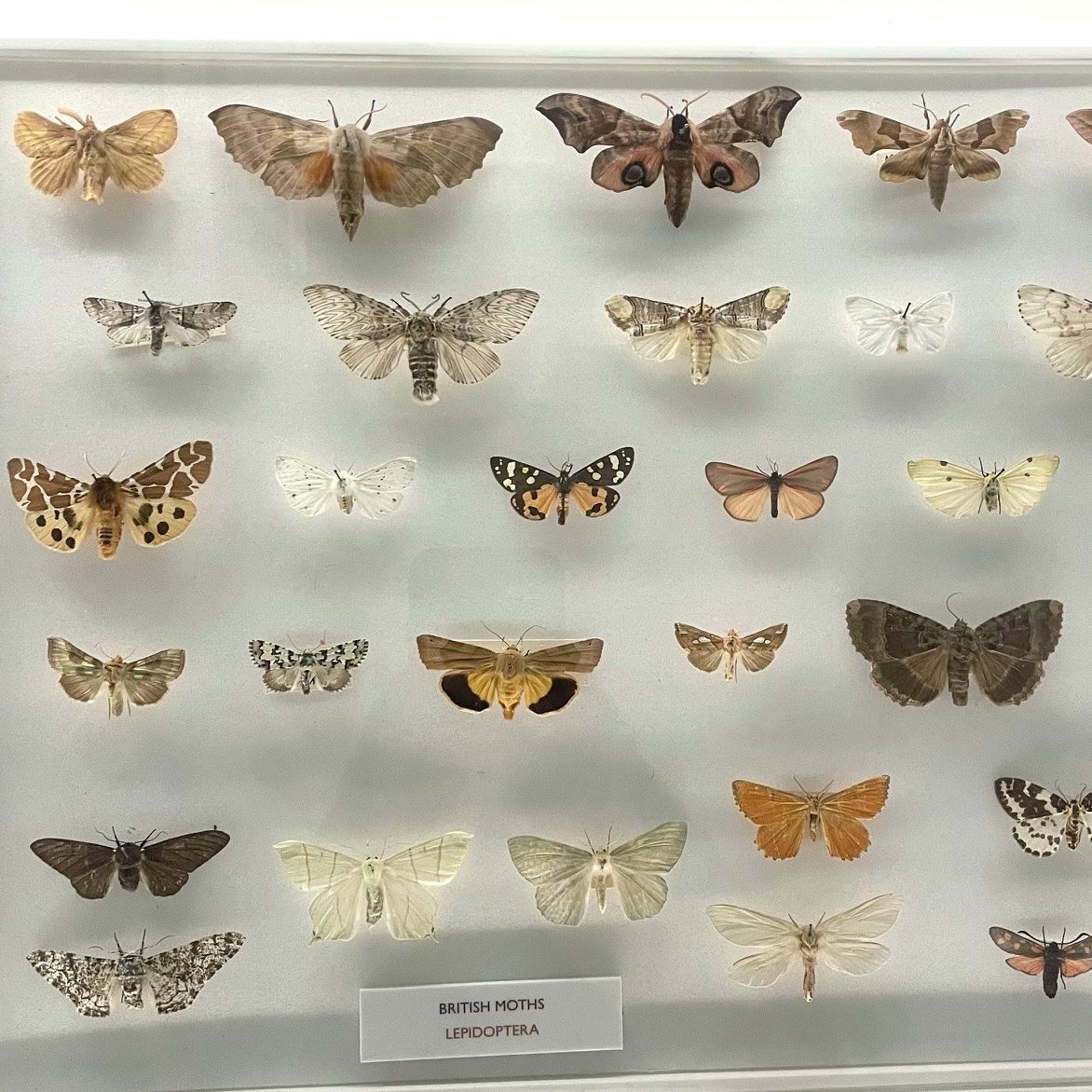
I am a conservation scientist interested in how we can use museum collections to investigate biodiversity change and inform present-day conservation. Biodiversity monitoring surveys only cover the past 40-50 years. Museum collections provide a rare opportunity to examine biodiversity change over much longer time scales. I am currently
examining two centuries of changes in the UK macromoths and how they relate to anthropogenic changes like street lighting, land-use, and climate.
7. Dr Michela Leonardi, Visiting Researcher
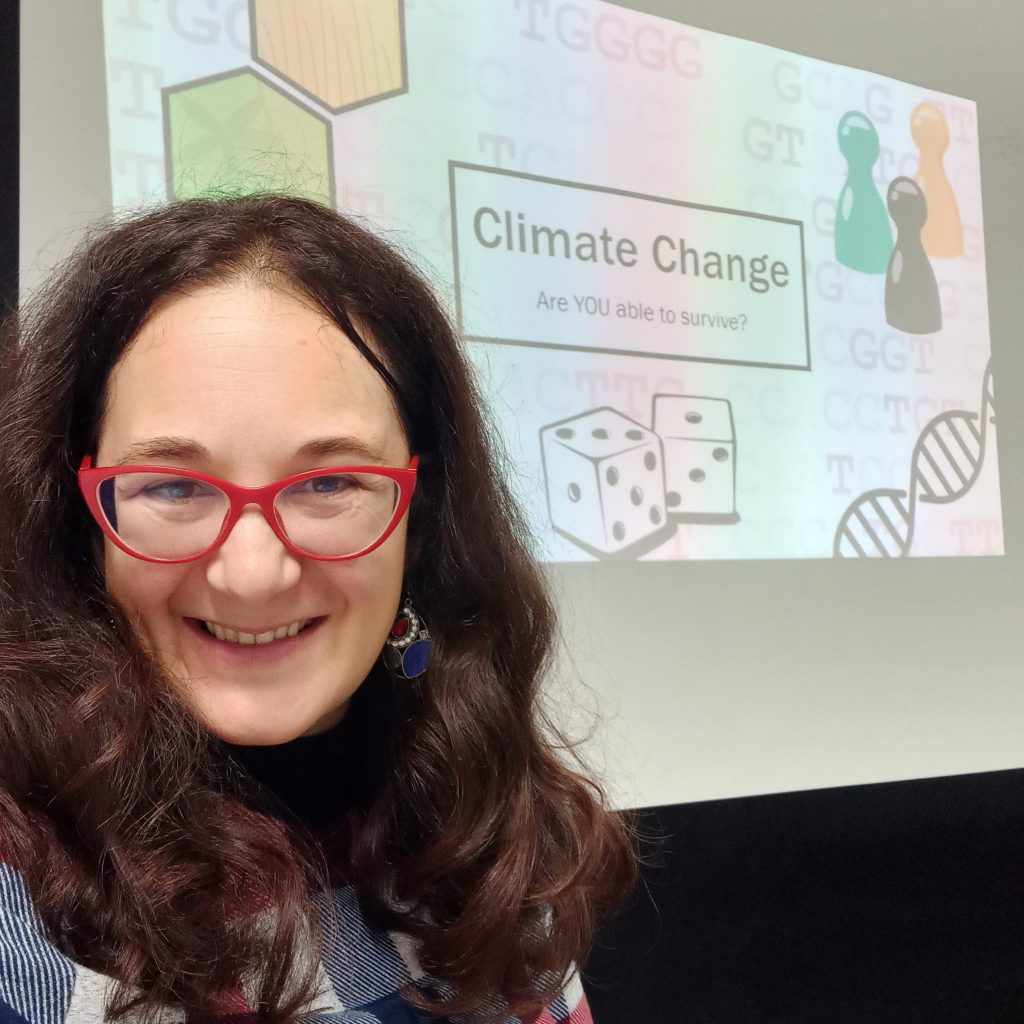
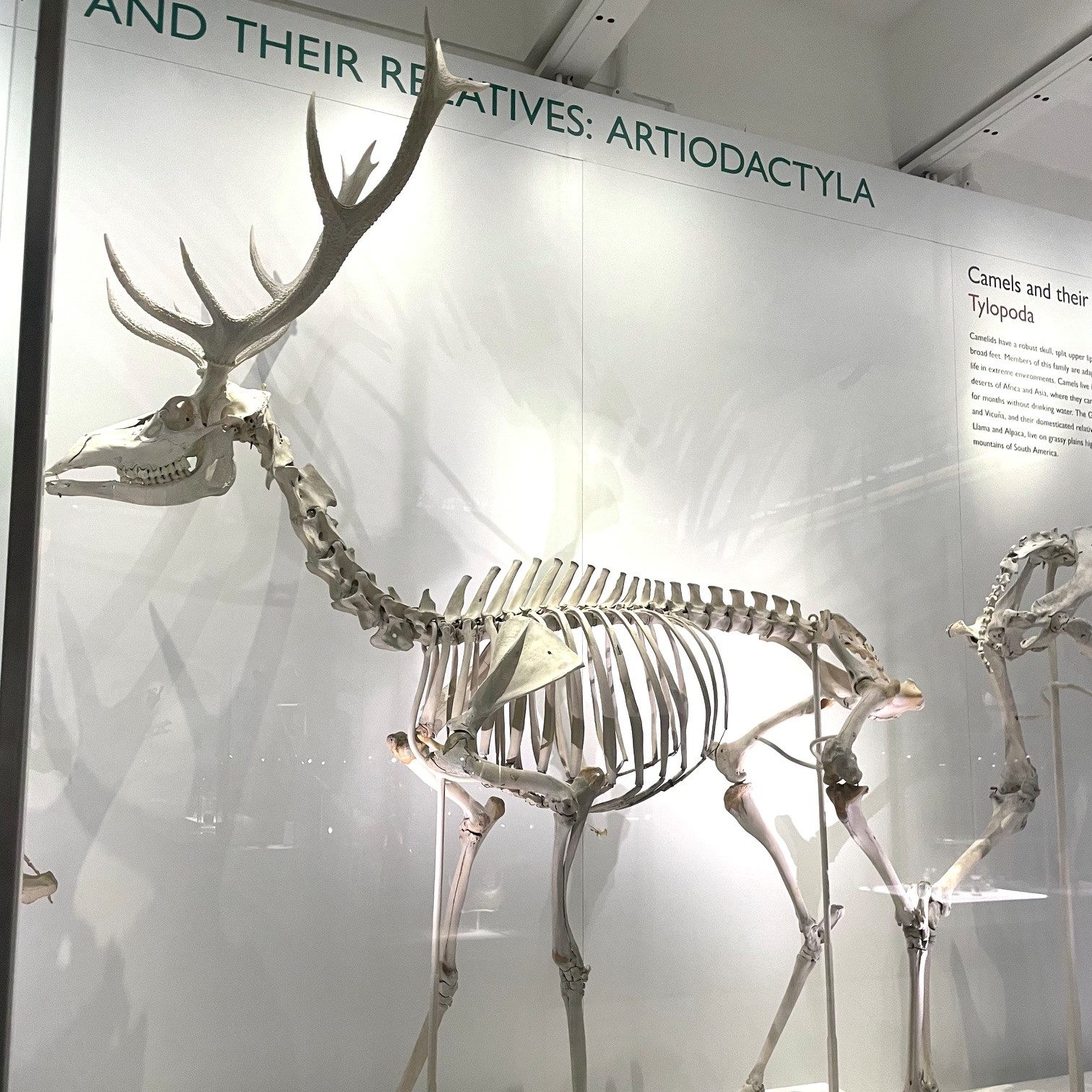
I reconstruct how climate impacted species over long timescales; e.g. the effects of the last Ice Age (~21,000 years ago) on European herbivores, or how learning to live in new environments allowed humans to spread out of Africa ~60,000 years ago. These same methods also help conservation today: I currently inform reforestation efforts in former war zones.
Find and play Michela’s Climate Change board game
8. Dr Rebecca Smith, Assistant Research Professor
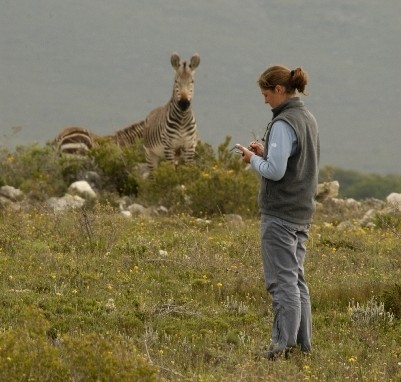
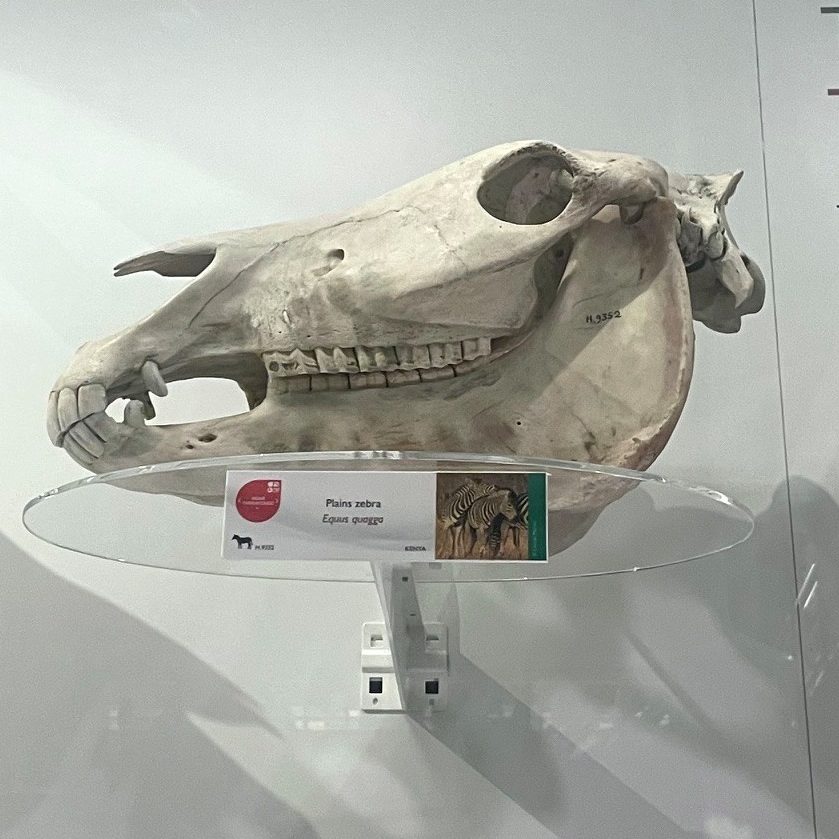
To ensure the long-term survival of the endangered Cape mountain zebra, I worked in De Hoop Nature Reserve, South Africa, to develop a long-term monitoring and management strategy for the subspecies. We determined population size by using stripes to identify individuals, and investigated what, when and where the zebras ate, using dung piles, counts along vehicle tracks, and by helicopter.
Find out more about Rebecca’s research.
9. Fleur Winn, PhD Student
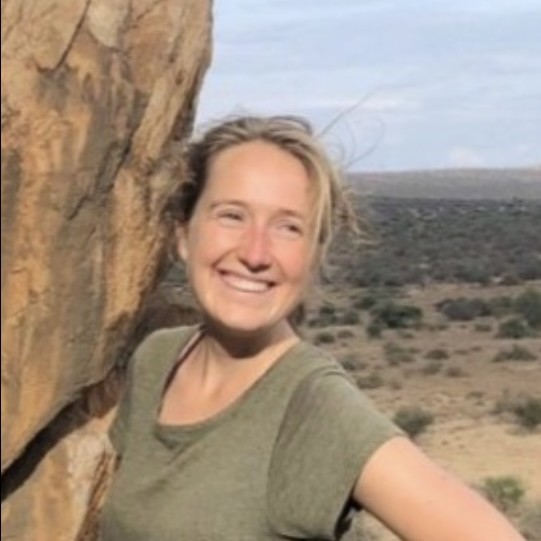
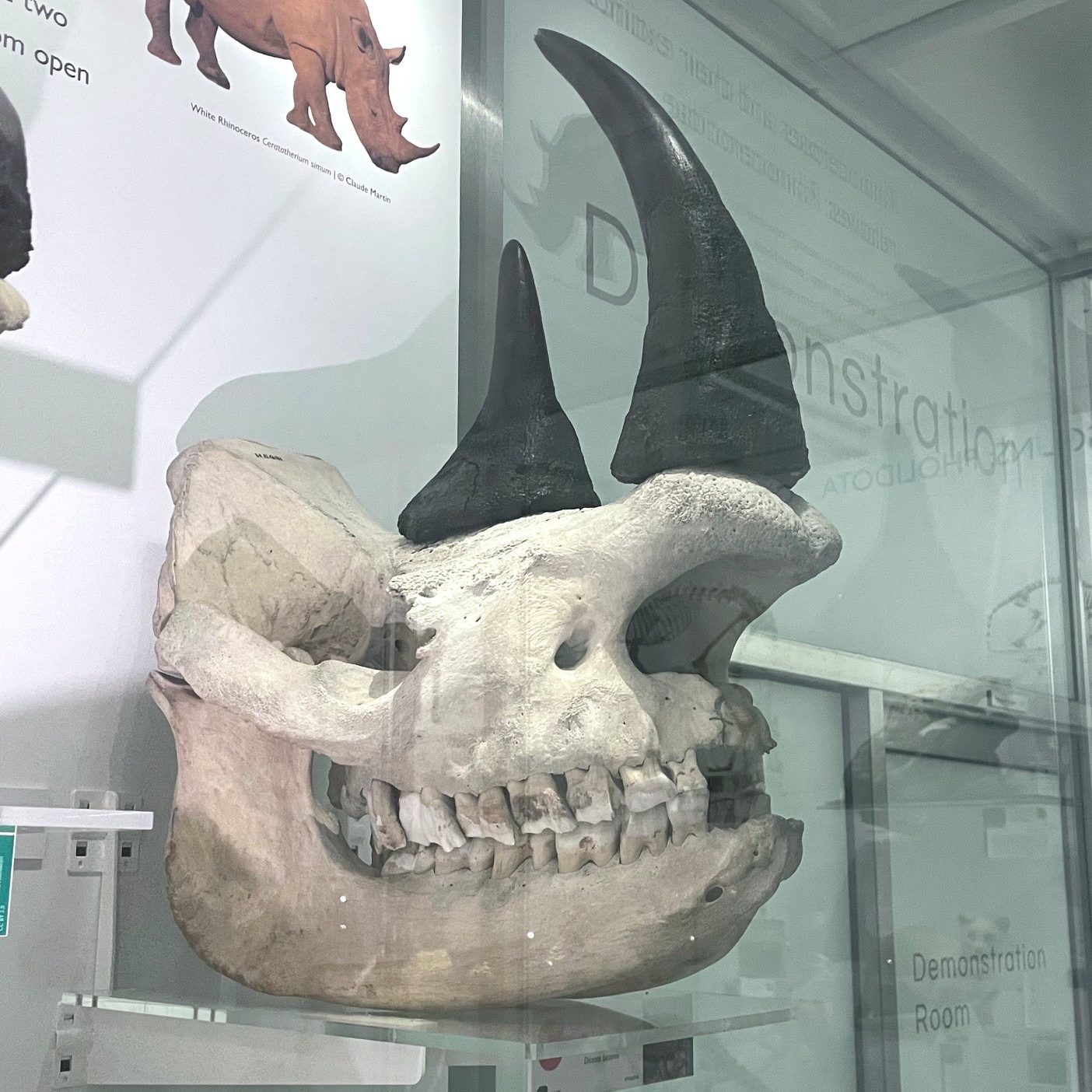
For me, in conservation, it’s hard to separate animals from humans. I focus on Black Rhino conservation in Laikipia County, Central Kenya, and am studying how International Non-Governmental organisations work with local people and the animals themselves, to understand whose voices are heard when making decisions about conservation.
10. Prof. Jennifer Smart, Head of Conservation Science, Scotland and Northern Ireland, RSPB
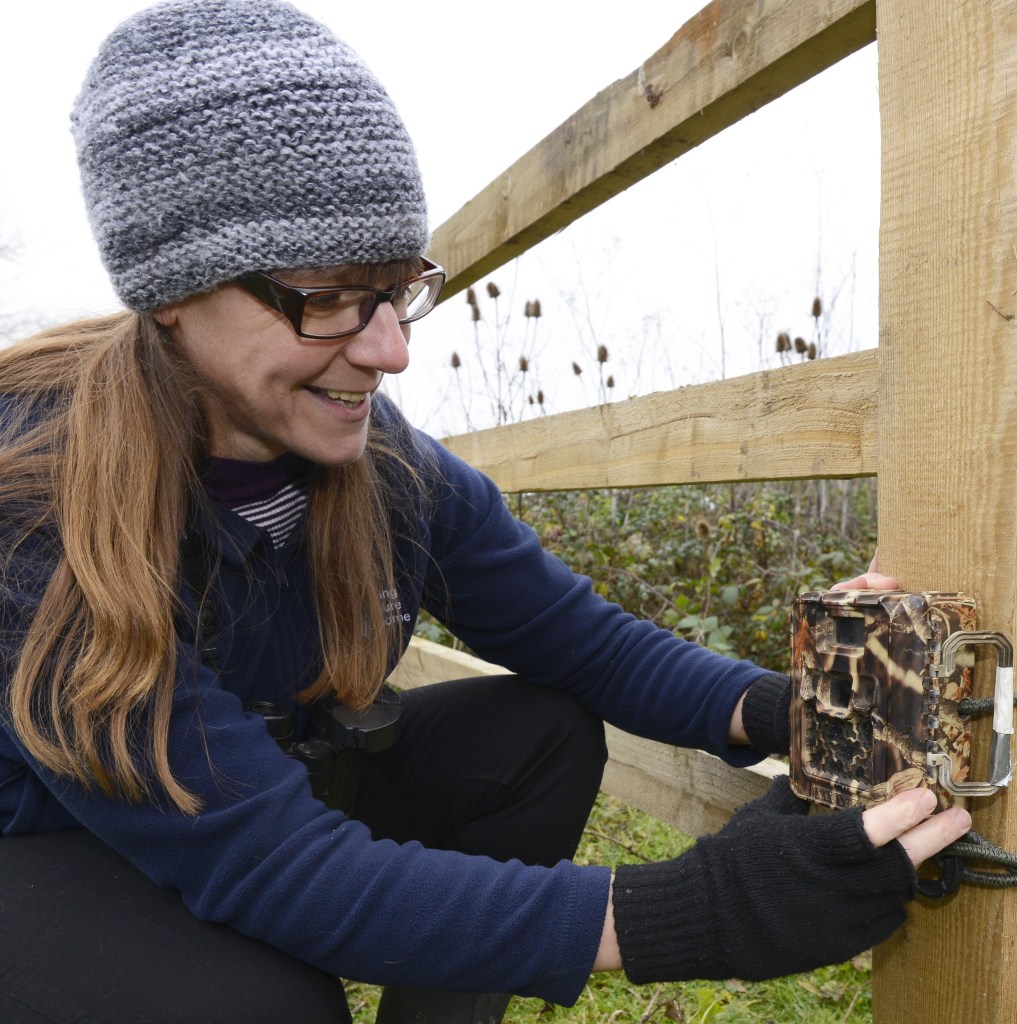
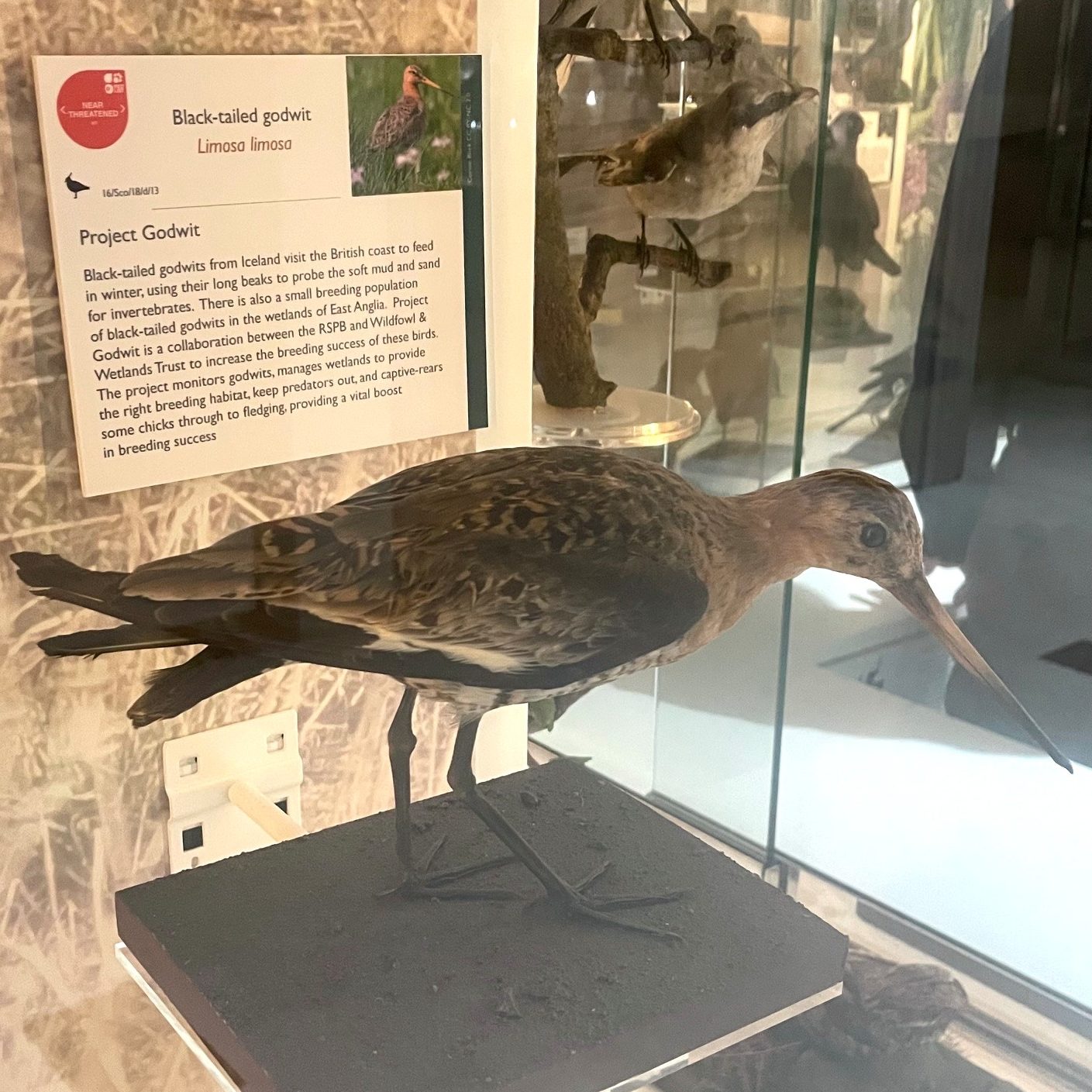
Species conservation is at the heart of everything I do, and I love waders like the black-tailed godwit. As a scientist at the RSPB, my focus was reversing the declines of wetland breeding waders. Now, as Head of Conservation Science in Scotland and NI, I ensure
that our dedicated conservation scientists are asking the right scientific questions to help our priority species.
11. Prof. Juliet Vickery, CEO, British Trust for Ornithology
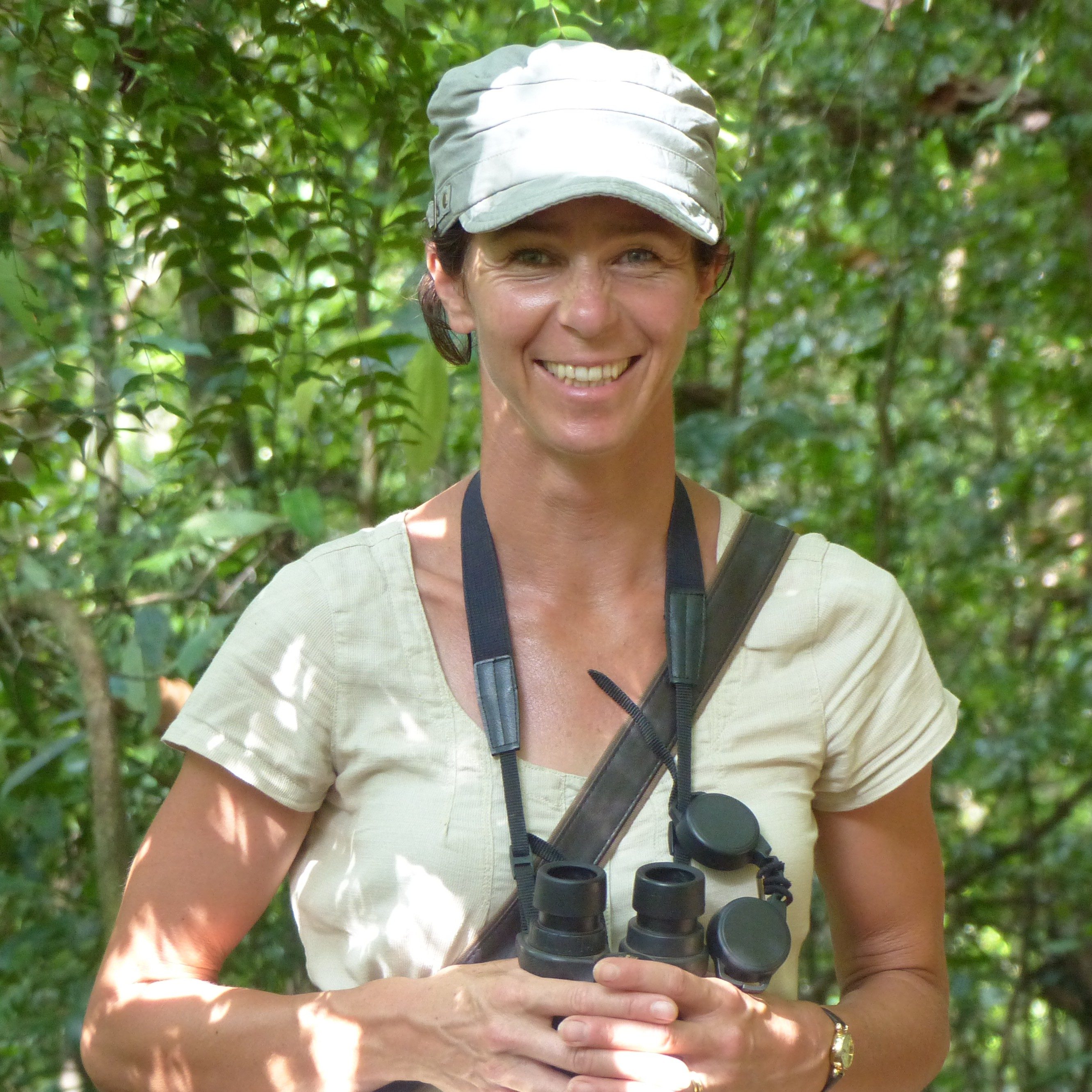
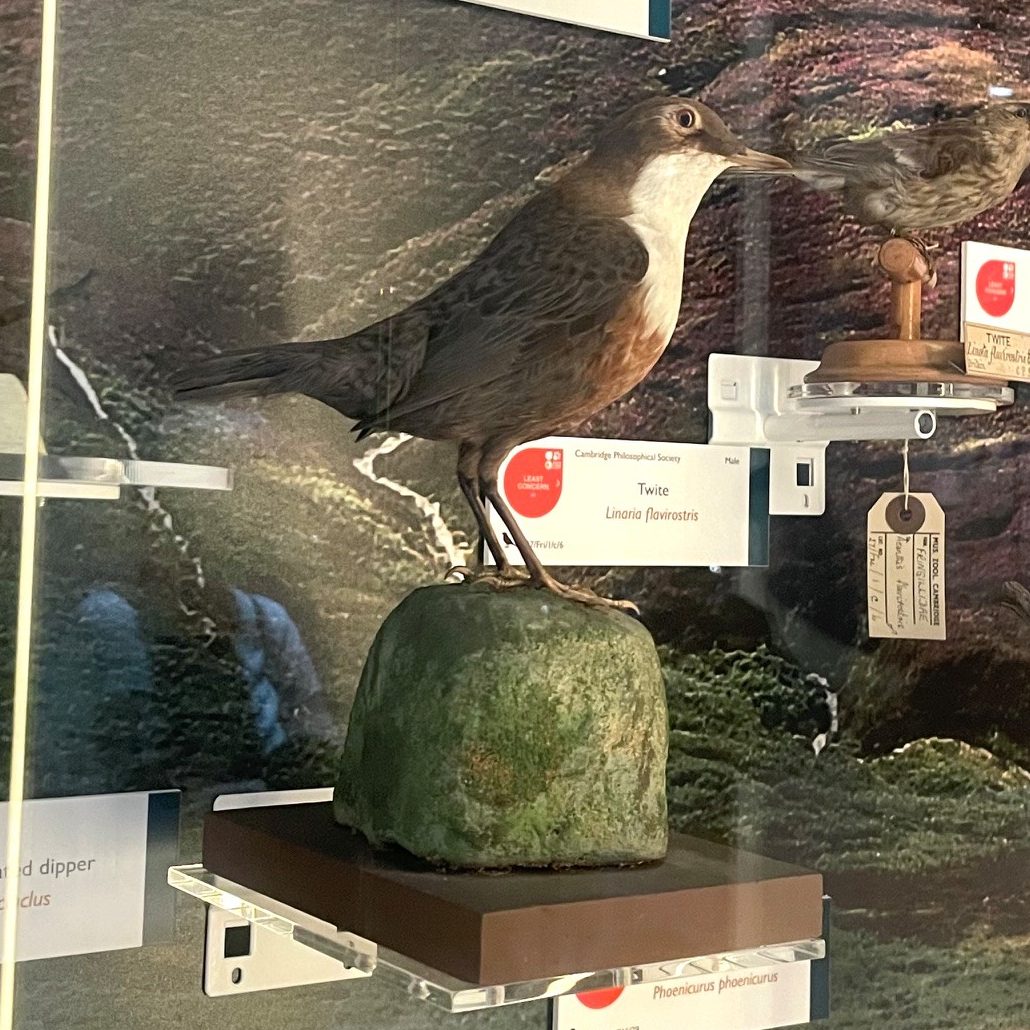
I firmly believe that effective conservation action should be underpinned by science. My PhD looked at how waterway acidification affected dipper birds in upland streams. Clear links between stream chemistry, invertebrate prey abundance and dipper breeding success highlighted how addressing conservation problems often starts with understanding a species in its natural environment. 30 years on, dippers remain my favourite bird.
12. Sacchi-Shin Clayton, PhD Student
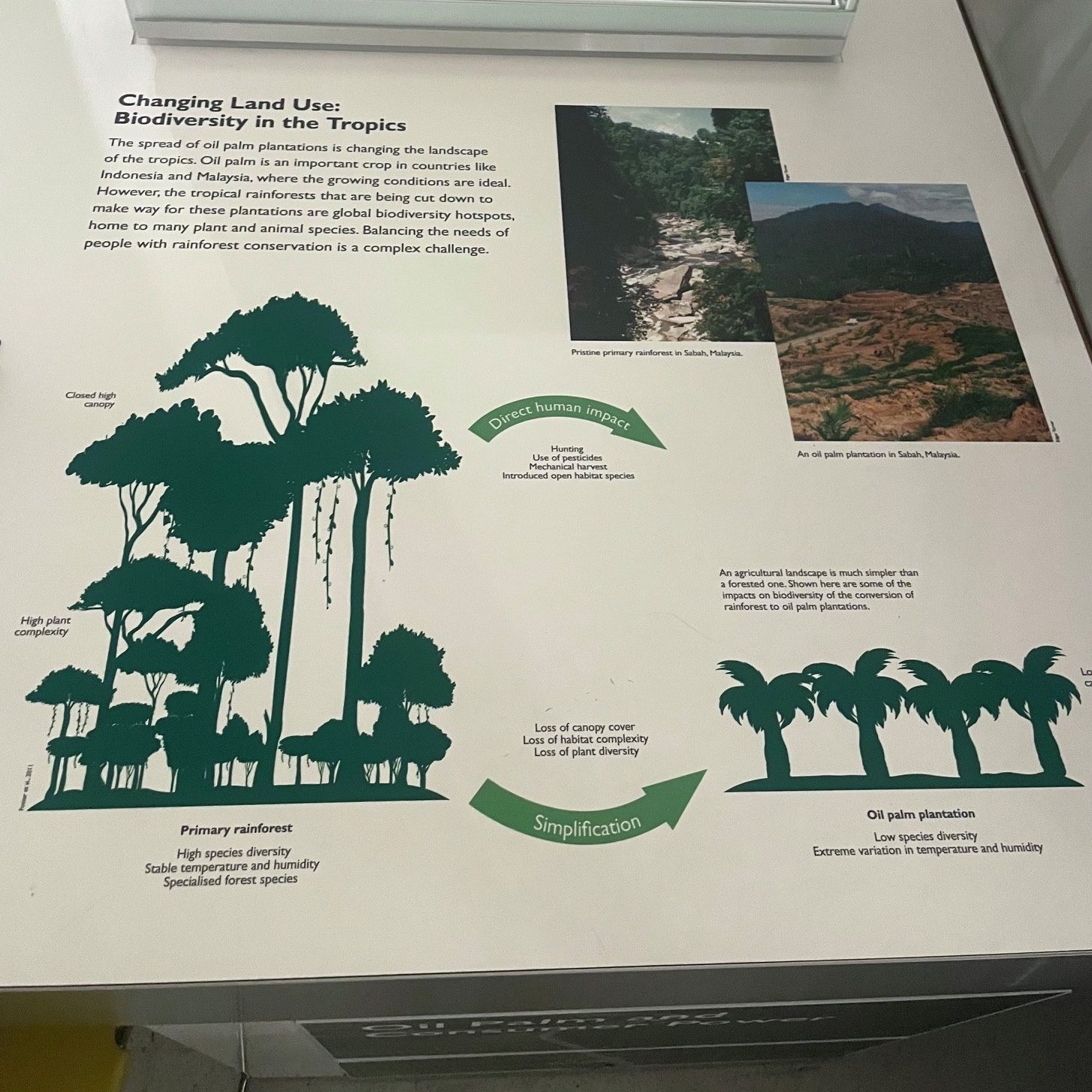
I am a conservation ecologist, passionate about restoring our environment for a greener future. My work focuses on balancing the conservation of river forests with oil palm agriculture in Indonesia, aiming to create a management system that supports both. Despite its poor reputation, palm oil is one of the world’s most efficient crops, with immense potential for sustainable management. I’m excited to be part of a project that unites agriculture and conservation for a sustainable future.

