Skeleton of a rhinoceros in the lower gallery of the Museum of Zoology

Animal Alphabet: R is for Rhinoceros

Join us every Tuesday as we make an alphabet from the animals in the Museum of Zoology. Today is the letter R: R is for rhinoceros, robin, reindeer, red admiral, raccoon, razorbill and red panda. Can you think of any others? Join us next week as we explore the animals in the Museum beginning with the letter S – including something that moves very slowly… Continue reading Animal Alphabet: R is for Rhinoceros

Fossil fish specimen

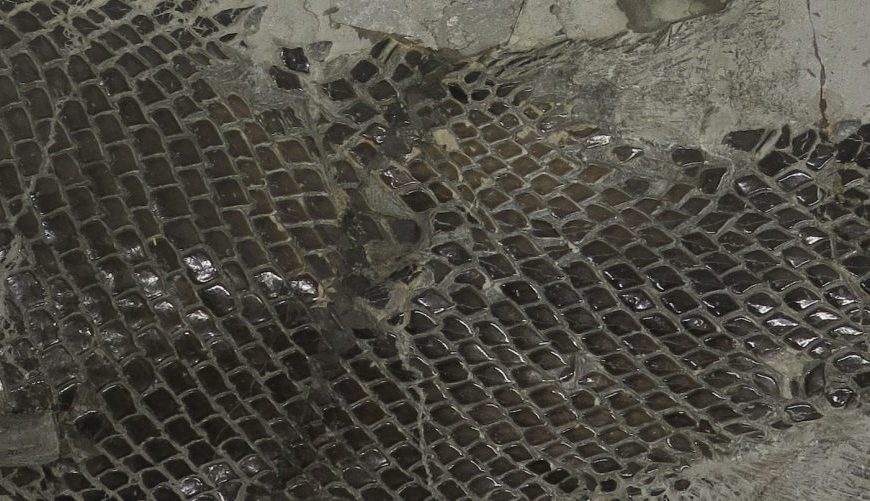
390 million year old fish

To celebrate International Women’s Day and Women’s History Month the Museum is sharing the stories of 27 inspirational women, alongside the animals they work with the most. Dr Roz Wade Museum of Zoology “I wasn’t one of those children obsessed with dinosaurs. It was later, at university, that I discovered a love of fossils. I went on to study the Middle Devonian osteolepidid fishes of … Continue reading 390 million year old fish

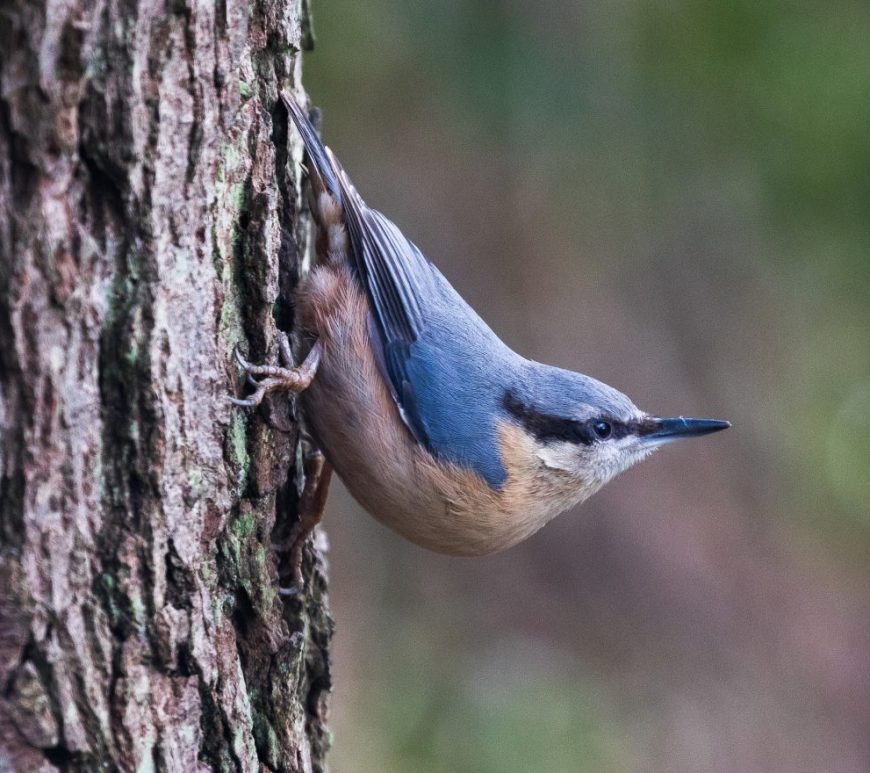
Nuthatch, Sitta europaea

Roz Wade, Learning Officer at the Museum, writes: It is always fun watching the birds coming to the bird feeders in the garden. We find the fat blocks prove particularly popular. It is lovely to see the robins and blue tits taking a morsel of food, particularly now with new fledglings come to feed, but I get particularly excited when a nuthatch comes to visit. … Continue reading Nuthatch, Sitta europaea

Bird perching under woven nest

How a weaverbird outsmarts a cuckcoo

To celebrate International Women’s Day and Women’s History Month the Museum is sharing the stories of 27 inspirational women, alongside the animals they work with the most. Dr Jenny York Department of Zoology “Right now, I am studying the conspicuous nests built by male African weaverbirds. These work marvellously to woo females, who carefully inspect the nests before choosing their favourite and mating with the … Continue reading How a weaverbird outsmarts a cuckcoo

Zebra in

Can you tell a zebra by its stripes?

To celebrate International Women’s Day and Women’s History Month the Museum is sharing the stories of 27 inspirational women, alongside the animals they work with the most. Dr Rebecca Smith Department of Zoology “Cape mountain zebras declined to fewer than 80 animals in the 1950s. Following conservation initiatives, by 2000 there were around 1,600 animals, but the subspecies was still listed as Endangered. To help … Continue reading Can you tell a zebra by its stripes?

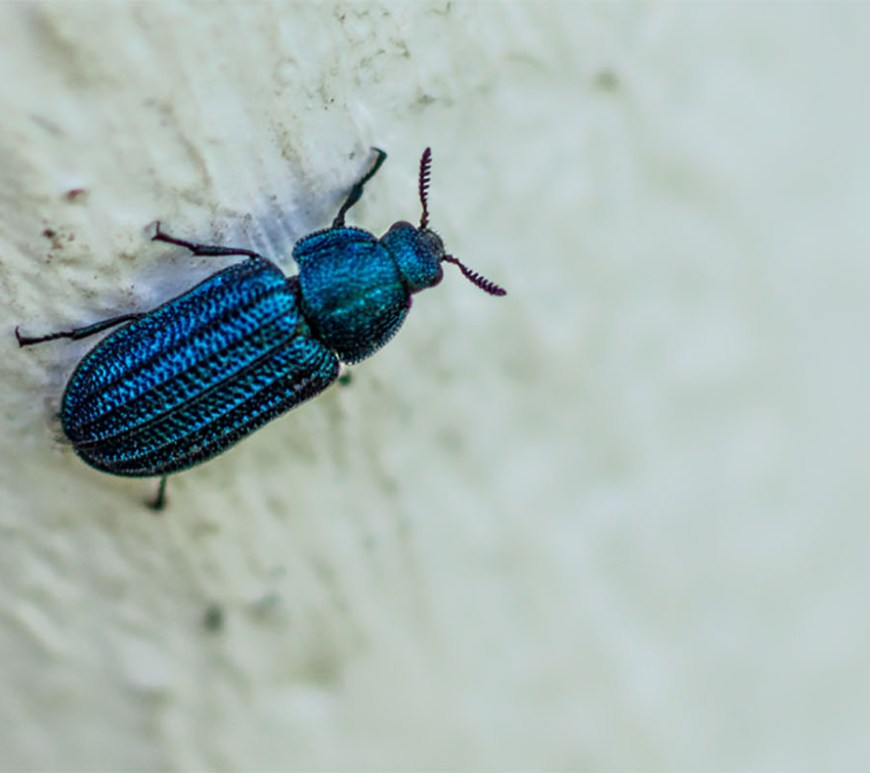
Basking Beetles

Sara Steele, Museum learning assistant says: With 400,000 named species of beetle found across the world and over 4,000 species in the British Isles, beetles are a diverse bunch even among invertebrates. They come in all shapes and sizes, from long and thin soldier beetles to rounded ladybirds. This diversity points in part to their distribution; being found in every habitat except the sea and … Continue reading Basking Beetles

Photograph of a damselfly

Dragonfly Week

Did you know it is Dragonfly Week this week? An initiative by the British Dragonfly Society, you can find fun online activities and inspired by these beautiful insects on their website: https://british-dragonflies.org.uk/what-we-do/outreach-projects/dragonfly-week/ If you are looking for an introduction to dragonflies and damselflies look no further. For Zoology Live this year, local dragonfly expert Duncan Mackay put together a beautiful film of some of our … Continue reading Dragonfly Week

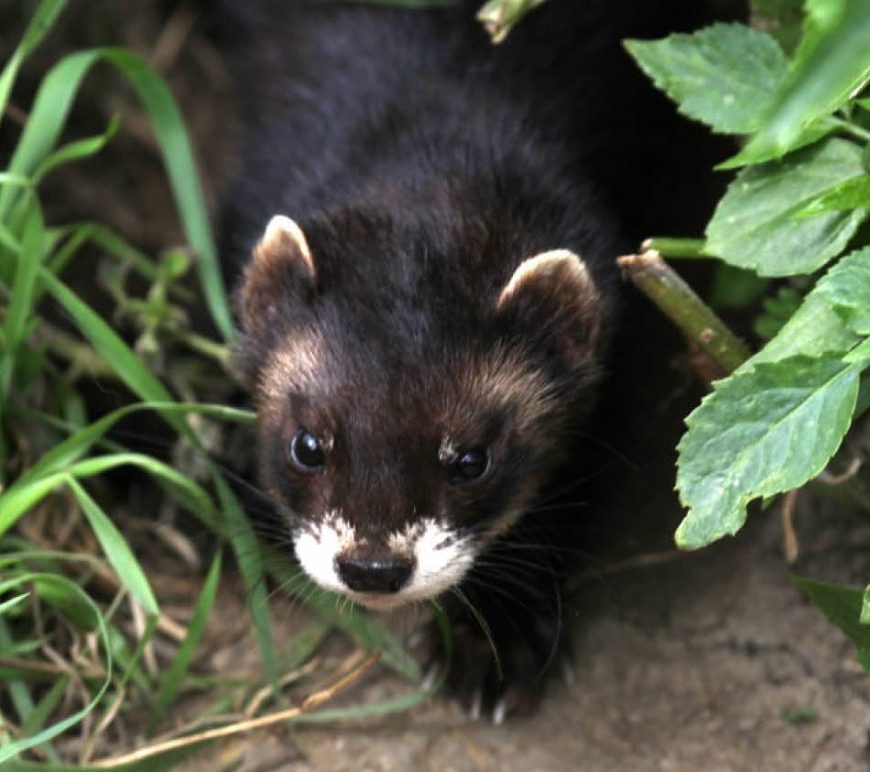
polecat Copyright All rights reserved by StanHornagold

Bringing polecats back to Britain

To celebrate International Women’s Day and Women’s History Month the Museum is sharing the stories of 27 inspirational women, alongside the animals they work with the most. Dr Katie Sainsbury Department of Zoology “For my PhD, I researched ecological and social aspects of the changing status of polecats in Great Britain. Since almost being eradicated from Britain in the nineteenth century, polecats have been recolonising … Continue reading Bringing polecats back to Britain

Photograph of a plume moth

An Insect A Day Part 10

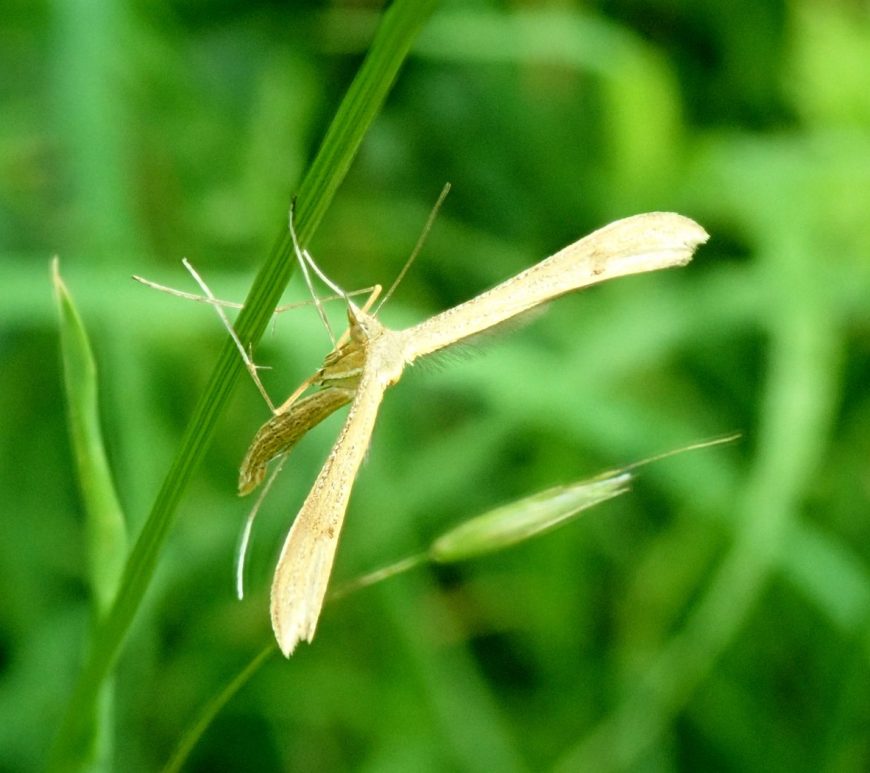
Have you been following the insect photo diary of Prof Bill Amos of the Department of Zoology? Here it continues with beautiful butterflies, unusual moths, and surprising flies. You can see more of Bill’s photographs on the blog: An Insect A Day for bee fly, orange tip buttefly and parasitic wasp. An Insect A Day continues for scorpion fly, shield bug and click beetle. An … Continue reading An Insect A Day Part 10

Jen Smart looking at landscape through a long lense

Reversing the decline of priority species

To celebrate International Women’s Day and Women’s History Month the Museum is sharing the stories of 27 inspirational women, alongside the animals they work with the most. Dr Jennifer Smart RSPB “Species conservation is at the heart of everything I do, and my favourite group of birds are waders like the black-tailed godwit. I work for the RSPB where as a scientist, I was trying … Continue reading Reversing the decline of priority species

Photograph of a peacock buttefly on a flower

Watching Summer Wildlife

This is the final Nature Classroom post before the summer holidays. We hope you have been enjoying exploring the natural world with us this term. We thought we would finish the term with some fun activities engaging with the wildlife on your doorstep. There is information about a fantastic citizen science project from Butterfly Conservation, as well as wildlife-watching activities as part of Summer at … Continue reading Watching Summer Wildlife