Common lizard. Image credit John Howlett

Sunshine and Scales: British Reptiles

Alex Howard, PhD Student, writes: While our trademark rainy and cold weather are not always the most conducive to ‘herping’ (going outside to look for reptiles), the UK is in fact home to six different species of reptile. If you’re going on walks early in the morning, you may spot some of our native scaly friends. You’ll be lucky to see them, as all of … Continue reading Sunshine and Scales: British Reptiles

Climate responses in the absence of humans

To celebrate International Women’s Day and Women’s History Month the Museum is sharing the stories of 27 inspirational women, alongside the animals they work with the most. Dr Michela Leonardi Department of Zoology “If we want to improve conservation strategies in the face of the current climate emergency, we need to understand how climate influences animal  distribution in the absence of human activity. This is … Continue reading Climate responses in the absence of humans

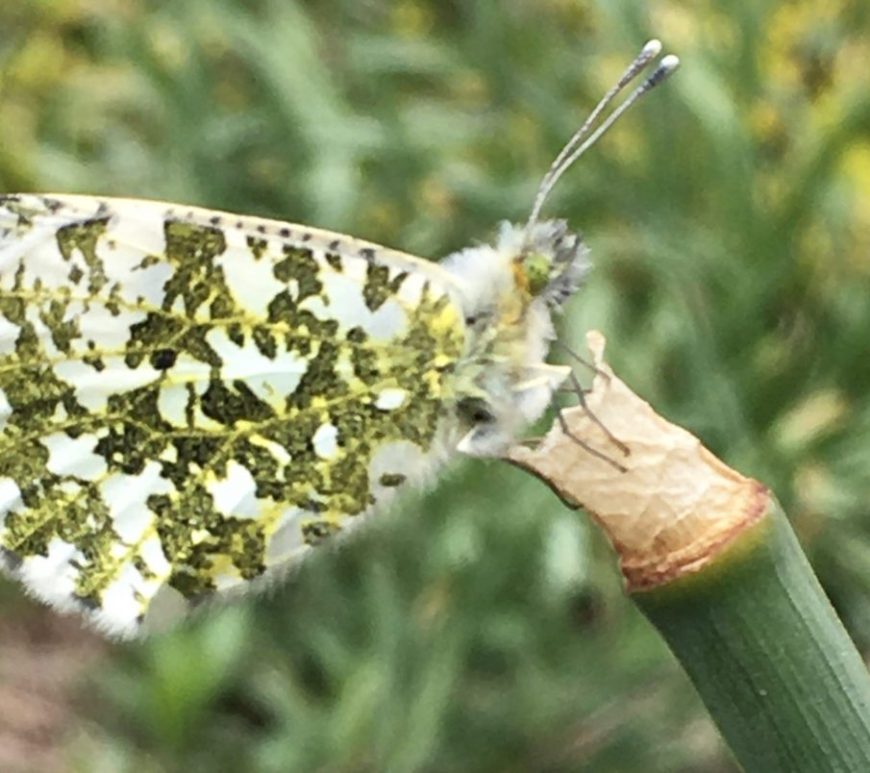
Photograph of a female orange tip butterfly

Butterfly Eggs

The Orange-tip (Anthocharis cardamines) is one of the most recognisable springtime butterflies. Over the last few weeks, many of you will have seen the males, with their distinctive orange wingtips, and the cloudy white females in your gardens. Now is a good time to see the start of the next generation of the butterflies, by searching for the butterfly’s beautiful amphora-shaped orange eggs on Garlic … Continue reading Butterfly Eggs

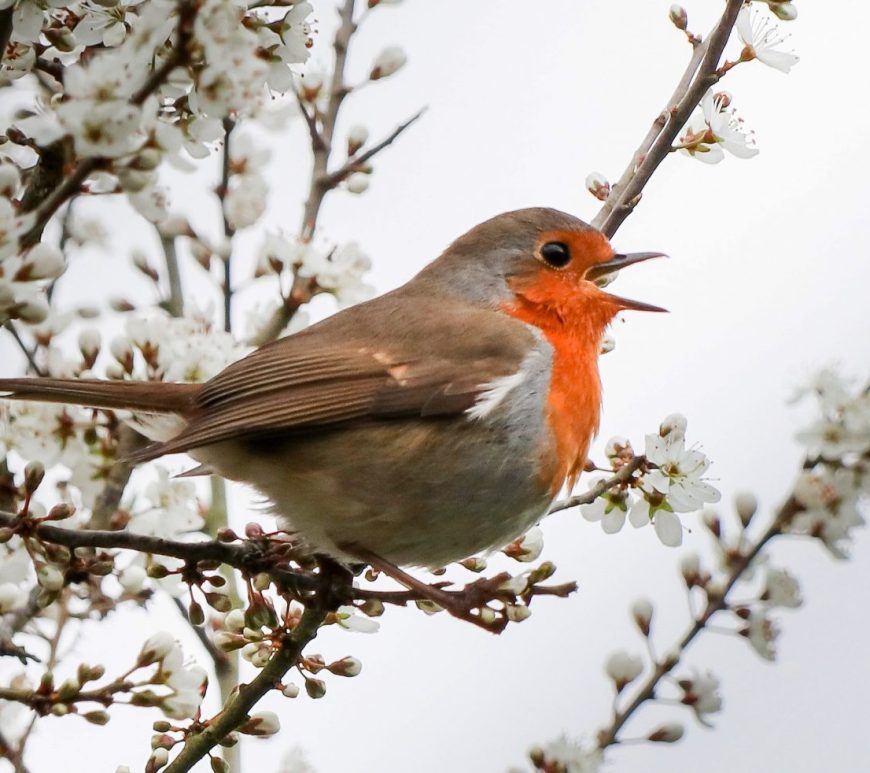
Photograph of a reed warbler

The Ten Locally Breeding Warblers

Academic in the Department of Zoology, and one of our visitor engagement volunteers in the Museum, Dr Tony Fulford writes: ‘Swallows don’t quite do it for me.  Don’t get me wrong, they are wonderful birds, skimming the ponds and twittering in the sky, but it isn’t they who bring in spring.  They are up there if you look but they don’t fill the air with … Continue reading The Ten Locally Breeding Warblers

Photograph of a European otter

Conserving Britain’s Carnivores

For International Women’s Day 2020, Dr Kate Sainsbiry of the Department of Zoology gave a fascinating talk about her research into the conservation of British carnivores. Populations of these charismatic animals have gone up and down over the years. Here you can discover why, and what has been and is being done to protect them. Here are some things to think about from watching this … Continue reading Conserving Britain’s Carnivores

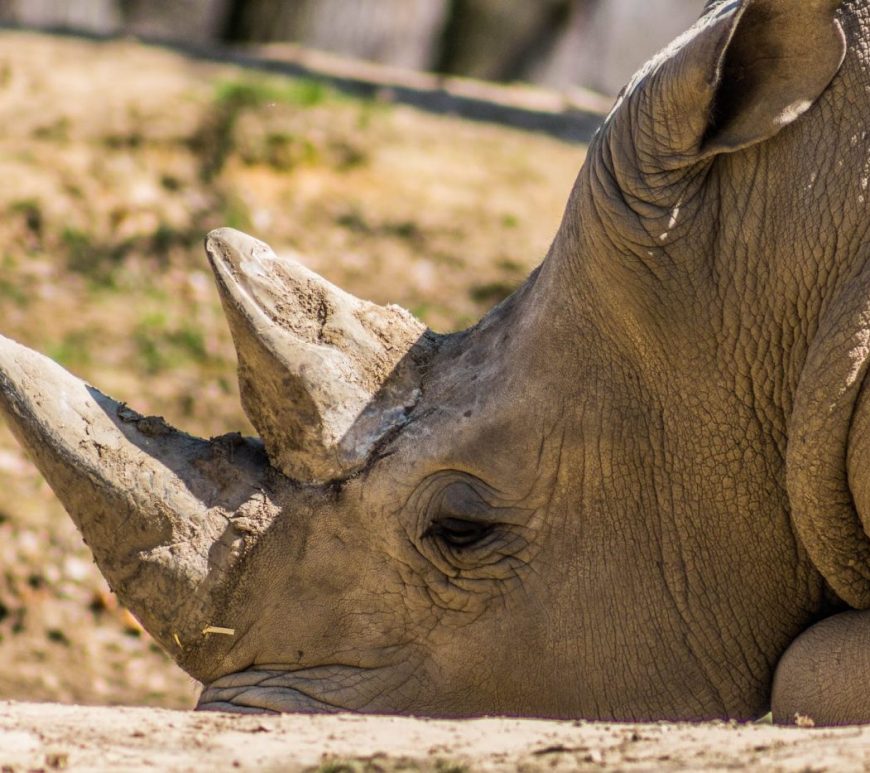
Rhino

Exploring gender in conservation

To celebrate International Women’s Day and Women’s History Month the Museum is sharing the stories of 27 inspirational women, alongside the animals they work with the most. Fleur Nash Department of Geography “For me, when I think of animals, I can’t separate them from humans. That is why I am researching conservation and how humans, in the form of international non-governmental organisations (INGOs), work within … Continue reading Exploring gender in conservation

Coral reef. Credit S Steele

Our Changing Reef Habitats

Just beneath the waves in shallow tropical seas you’ll find a world teeming with life. It’s here that we find coral reefs – colourful habitats where countless creatures live. This Nature Classroom will explore these fascinating ecosystems and how they are being affected by climate change. First we will uncover what corals are, then make a coral reef spinner to explore coral bleaching. We’ll then … Continue reading Our Changing Reef Habitats

Photograph of a hedgehog

A Prickly Tale

To celebrate Hedgehog Awareness Week, here’s a specially written Puggle Club story inspired by the hedgehog on display in the Museum. Hungry Hedgehog Words and illustrations by Rosalyn Wade The moon was full and the stars were bright As Hedgehog went snuffling round for a bite ‘A morsel of snail and a mouthful of slug, ‘A nice wriggly worm and a fine, crunchy bug, ‘What … Continue reading A Prickly Tale

Eudyptula minor, University Museum of Zoology collection, copyright University of Cambridge

Protecting penguins

To celebrate International Women’s Day and Women’s History Month the Museum is sharing the stories of 27 inspirational women, alongside the animals they work with the most. Dr Antje Steinfurth RSPB, Centre for Conservation Science “Penguins are one of the most iconic groups of animals, but over half of the world’s penguin species are under threat of extinction. My research has focused on understanding the … Continue reading Protecting penguins