Lesser redpolls University Museum of Zoology collection ©University of Cambridge

Understanding bird populations in a changing world

To celebrate International Women’s Day and Women’s History Month the Museum is sharing the stories of 27 inspirational women, alongside the animals they work with the most. Eleanor Miller Department of Zoology “We live in an era of significant environmental and climatic change. To understand how species might cope with different climates in the future, it is important to explore how they responded to rapid … Continue reading Understanding bird populations in a changing world

Climate Change: the board game

You are an animal species, living in the savannah. The world is divided in four habitats based on the average temperature and precipitation (rain and snowfall) in each area. There are hotter and colder regions around you, but you find the average temperature of the savannah very comfortable. The savannah is occupied by a number of different species (the other players), all adapted to this … Continue reading Climate Change: the board game

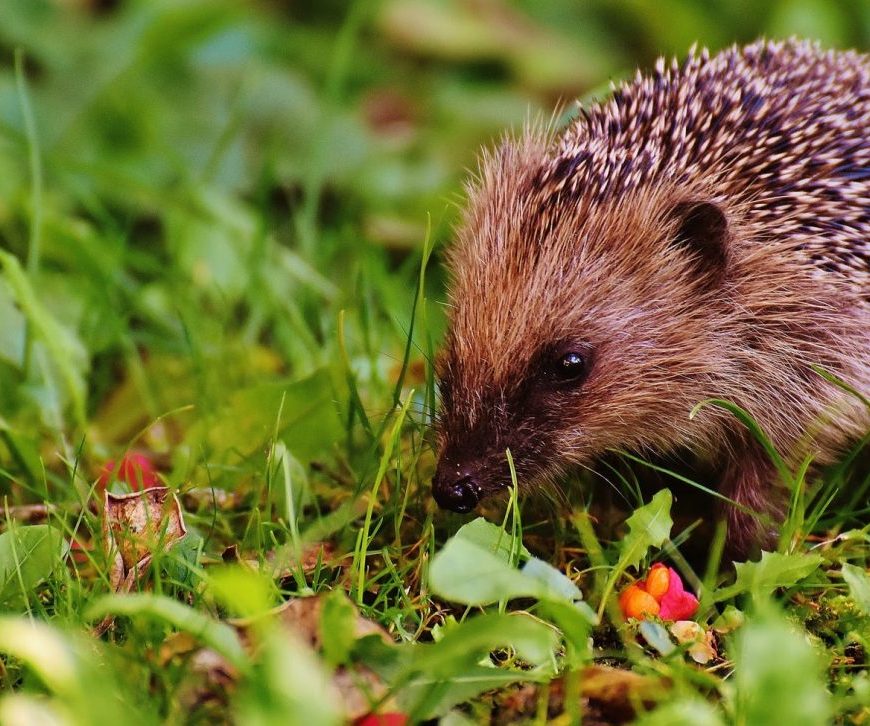
Hedgehog on grass

Become a Helpful Hedgehog Hero

You can provide a safe space for British wildlife right in your garden or local green space. This is especially useful for creatures, including hedgehogs, if you live in an urban environment and can make a real difference to their survival. These unique prickly mammals are a favourite amongst the UK public (especially our ‘over-stuffed’ Museum specimen who has seen leaner days) and if we … Continue reading Become a Helpful Hedgehog Hero

Komodo Island illustration

Here be Dragons!

Explore the real-life world of dragons… Tom Jameson, PhD student says, Dragons do not only populate the myths and legends of the past, but also the world around us. Komodo dragons, Varanus komodoensis, are the world’s largest lizards, so named for reminding early explorers of the beasts of legend. Life as a Komodo dragon Komodo dragon’s skin is rough and durable like other large lizards, … Continue reading Here be Dragons!

Coral reef - credit S Steele

Glacial past, genetic science and saving today’s coral reefs

To celebrate International Women’s Day and Women’s History Month the Museum is sharing the stories of 27 inspirational women, alongside the animals they work with the most. Maddie Emms Department of Zoology “I am a Zoology PhD student interested in how environmental change affects coral reef organisms. Coral reefs are incredibly important habitats but are sensitive to environmental change. I am studying how the loss … Continue reading Glacial past, genetic science and saving today’s coral reefs

Hover Fly On Poppy Head - credit Kate Howlett

Insects are animals too: why perceptions matter

Kate Howlett, NERC-funded PhD student says, Thank you to everyone who got involved in our little experiment last week to find out who we think of as the Easter bunny. Whilst questions like this which ask about our perception of animal species are often just a bit of fun, they are also important in building up a larger picture about our relationship with the natural … Continue reading Insects are animals too: why perceptions matter

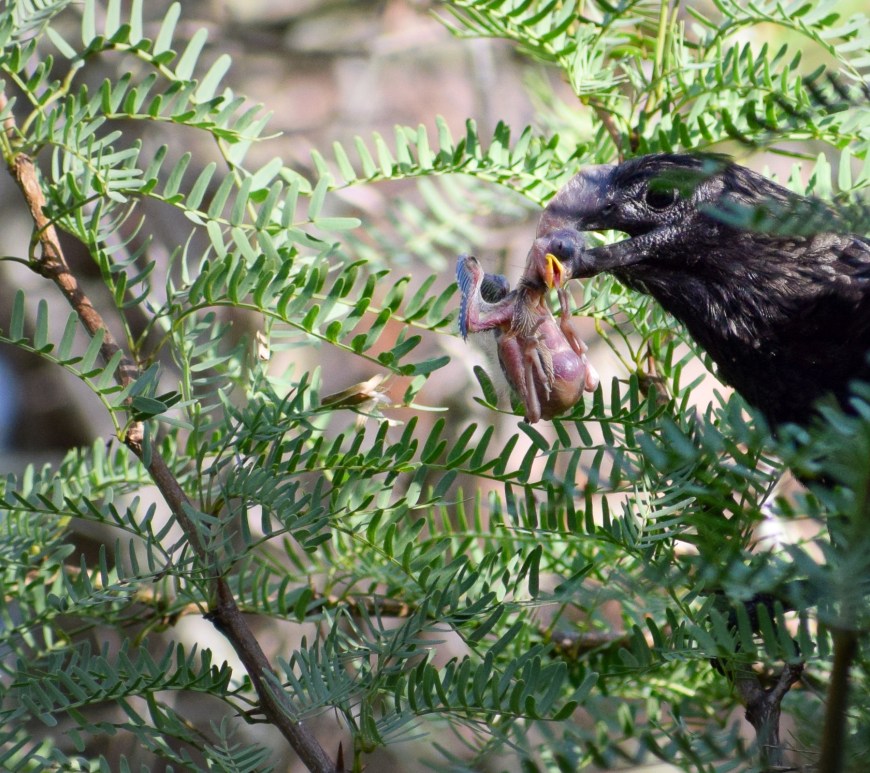
Smooth-billed ani eating chick. Credit J. Lynton-Jenkins

Smooth-billed anis in the Galápagos

To celebrate International Women’s Day and Women’s History Month the Museum is sharing the stories of 27 inspirational women, alongside the animals they work with the most. Sophia Cooke Department of Zoology “Alongside my PhD (looking at the impacts of roads on British birds), for the last few years I have been running a project I set up in the Galápagos, studying the impact of … Continue reading Smooth-billed anis in the Galápagos

Insect hotel with three sections

A warm welcome for minibeasts

Even a small garden can provide a home for several thousand species of insects and other minibeasts. Although a very small minority may not be popular guests, the vast majority will undertake important natural processes and improve the health of your garden. Many will pollinate your plants, break down decaying material to fertilise your soil and even eat the few ‘pests’ that may be causing … Continue reading A warm welcome for minibeasts

Swallowtail caterpillar UMZC collection

Do caterpillars like it hot?

To celebrate International Women’s Day and Women’s History Month the Museum is sharing the stories of 27 inspirational women, alongside the animals they work with the most. Esme Ashe-Jepson Museum of Zoology “My PhD investigates the effect of temperature on British butterflies, focusing on caterpillars, using a mix of both lab and field research. As each life stage of a butterfly varies in both form … Continue reading Do caterpillars like it hot?

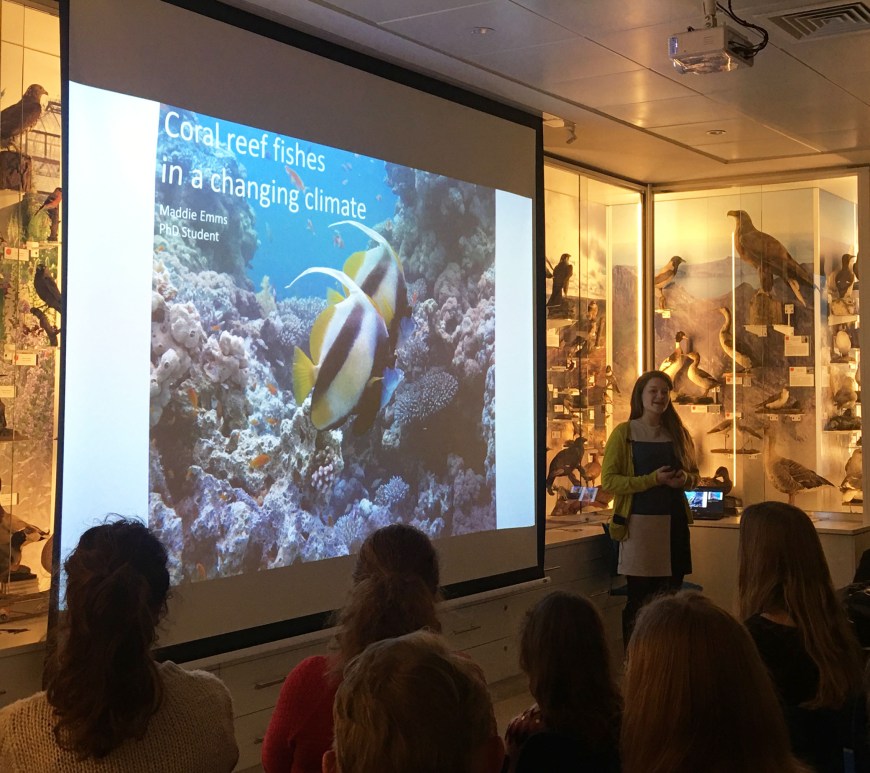
Maddie Emms presenting on IWD2020

Celebrating Women in Science and Conservation

We are celebrating the amazing women working to understand and better protect the world around us. Hear from women at the forefront of zoology and conservation with a series of talks for International Women’s Day 2020. Programme of talks: 00.16 Dr Juliet VickeryConservation of Gola Rainforest : from chimps to chocolate 15.45 Dr Michela LeonardiBack to the future: species distribution through time 26.45 Fleur NashExploring … Continue reading Celebrating Women in Science and Conservation