



Parental care in burying beetles
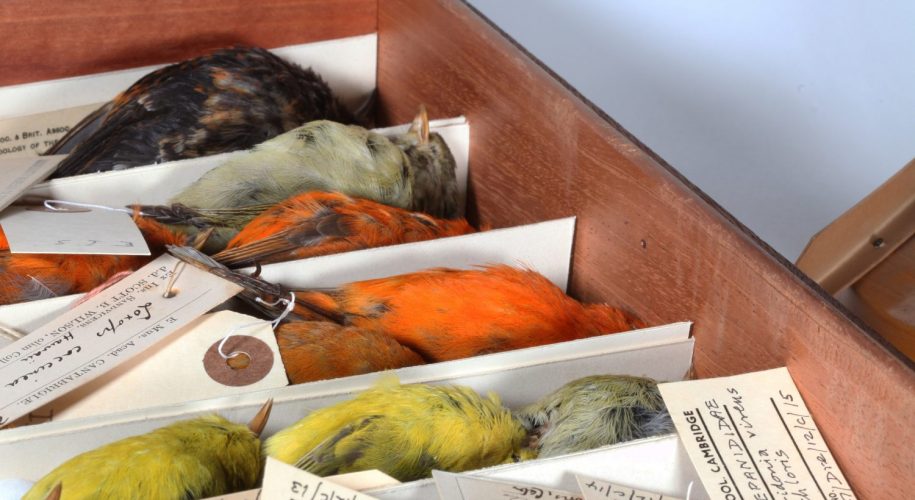
To celebrate International Women’s Day and Women’s History Month the Museum is sharing the stories of 27 inspirational women, alongside the animals they work with the most. Among the stories is that of the Director of the Museum, Professor of Evolutionary Biology, Rebecca Kilner. Professor Rebecca Kilner Director, Museum of Zoology “Research in my lab investigates how evolution works. We focus on burying beetles, but the principles … Continue reading Parental care in burying beetles

Spot the ‘aristocrat’ butterflies from your window
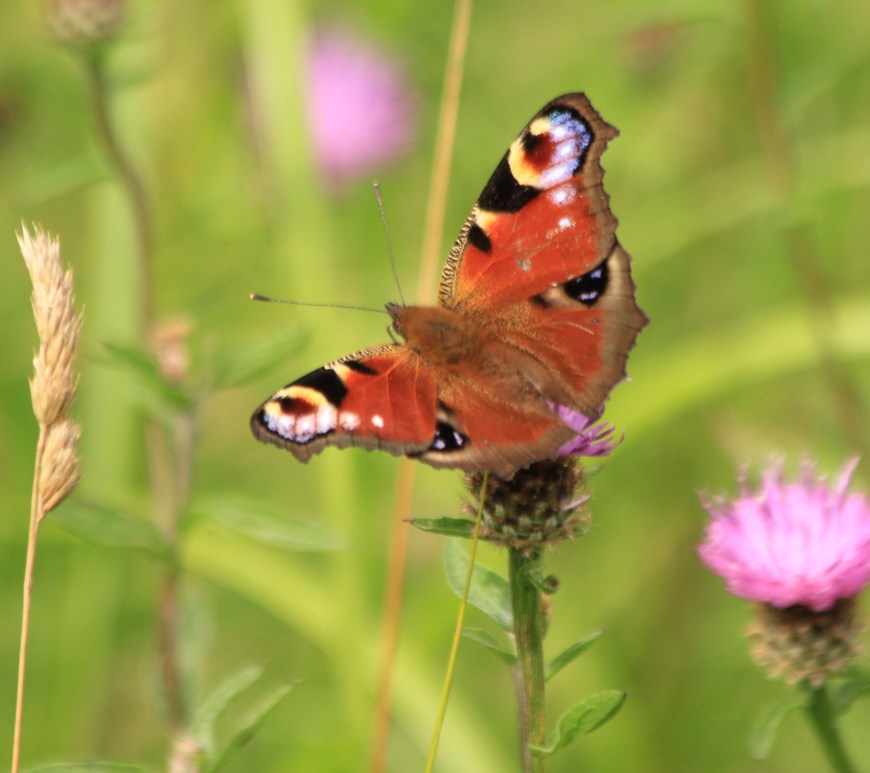
Matt Hayes, Research Assistant writes: Whilst everyone is being asked to stay at home it’s important that we continue to look outside and engage with the natural world. To help with this, we are going to be blogging about wildlife you can see from your window or in your garden. This set of posts will look at different groups of common butterflies as well as … Continue reading Spot the ‘aristocrat’ butterflies from your window
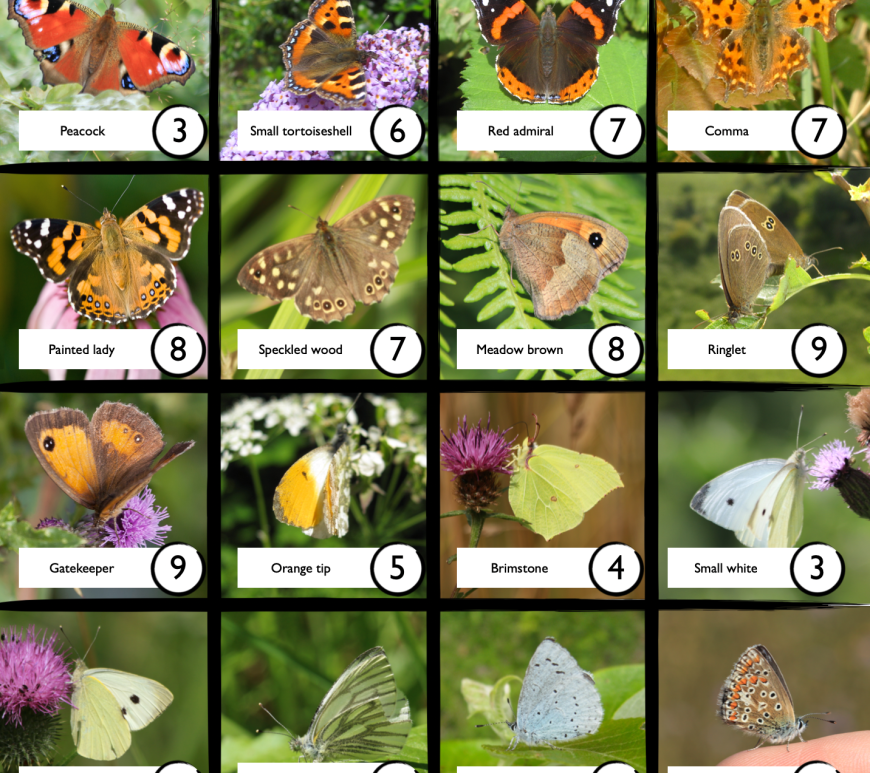
Open Your Window Bingo!
Open your window and watch the wildlife. Take part in Open Your Window Bingo! and turn your wildlife sightings into points. Keep a record of what you’ve seen and see how it changes over the coming weeks. Continue reading Open Your Window Bingo!


Pondwatch Episode 1
Explore the wildlife in your garden pond with the team from the Museum of Zoology. Continue reading Pondwatch Episode 1
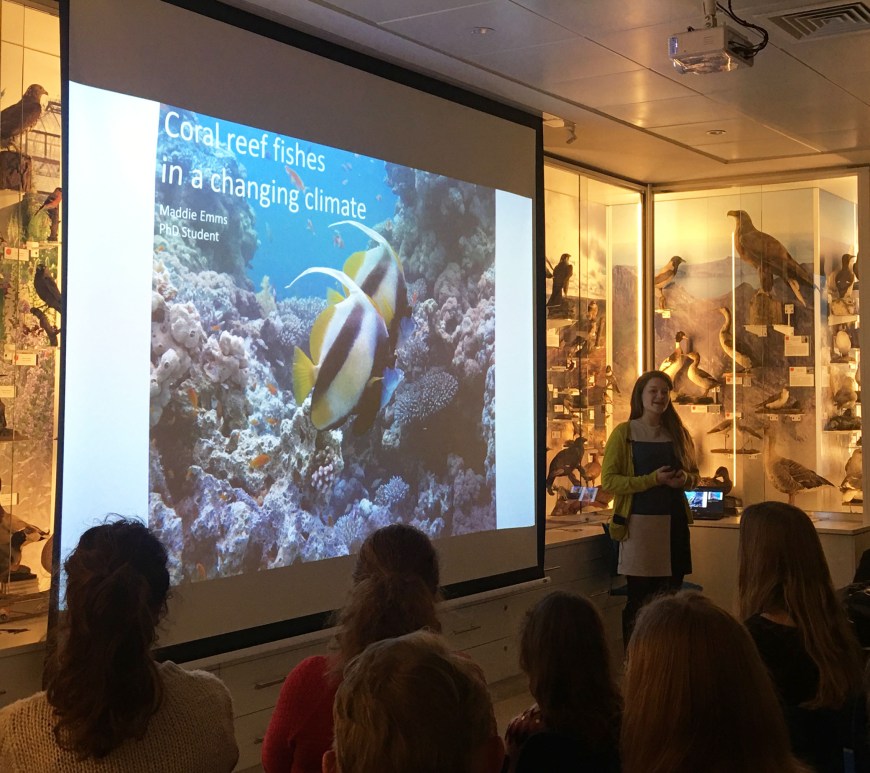
Celebrating Women in Science and Conservation
We are celebrating the amazing women working to understand and better protect the world around us. Hear from women at the forefront of zoology and conservation with a series of talks for International Women’s Day 2020. Programme of talks: 00.16 Dr Juliet VickeryConservation of Gola Rainforest : from chimps to chocolate 15.45 Dr Michela LeonardiBack to the future: species distribution through time 26.45 Fleur NashExploring … Continue reading Celebrating Women in Science and Conservation

What does the animal say?
Can you roar like a lion or bark like a dog? These are words we use in English for the sounds animals make, but in other languages the sounds are different. In English we say birds go tweet tweet, but in Greek they go tsiou tsiou. Bees buzz in English, but vzzz in Turkish. In English mice squeak, but in Swedish they go pip pip. … Continue reading What does the animal say?
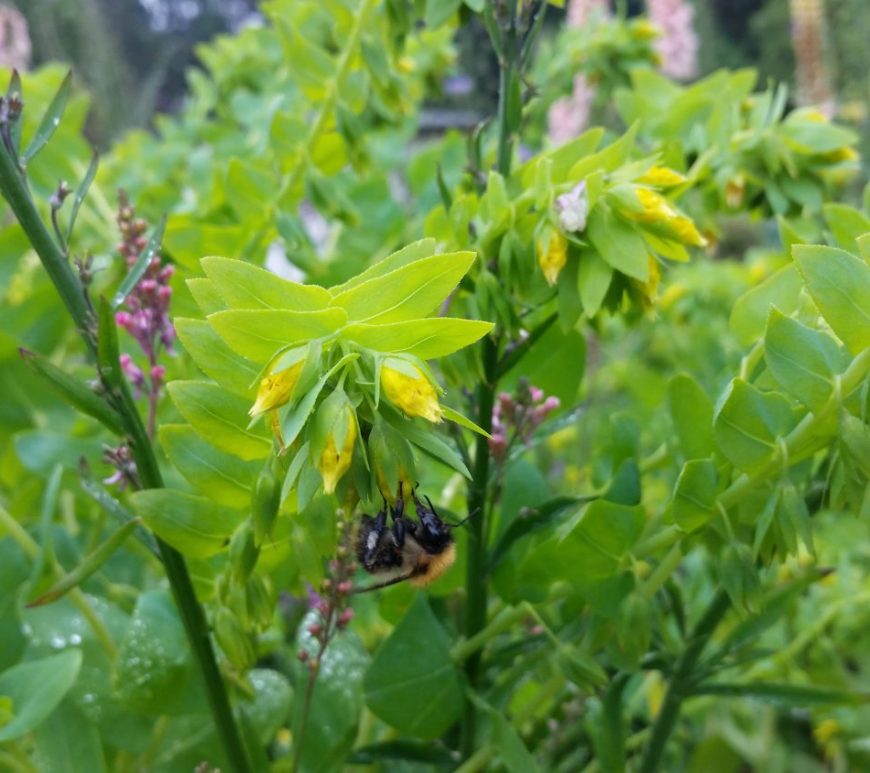
Wildlife from your Window: Exploring the natural world at home
The Museum is closed, and we are all having to spend time at home, but nature is still there, just waiting for you to uncover it. Continue reading Wildlife from your Window: Exploring the natural world at home

Nature Classroom: Learning activities for 5-11 year olds
The natural world is an amazing place. Join us as we explore it from home. Here we will be posting animal profiles, hands on activities and more, uncovering the secrets of skeletons, the evolution of animal life, and the way animals and plants live together. Continue reading Nature Classroom: Learning activities for 5-11 year olds

Our Changing Planet: resources for KS3&4 and more
Natural processes have shaped the species we see today, but humans are having a huge impact on living things and their habitats. We have altered landscapes, accelerated climate change, and pushed species to the edge. Here we explore our evolving planet with with resources linked to current research, links to conservation efforts, and more. Continue reading Our Changing Planet: resources for KS3&4 and more
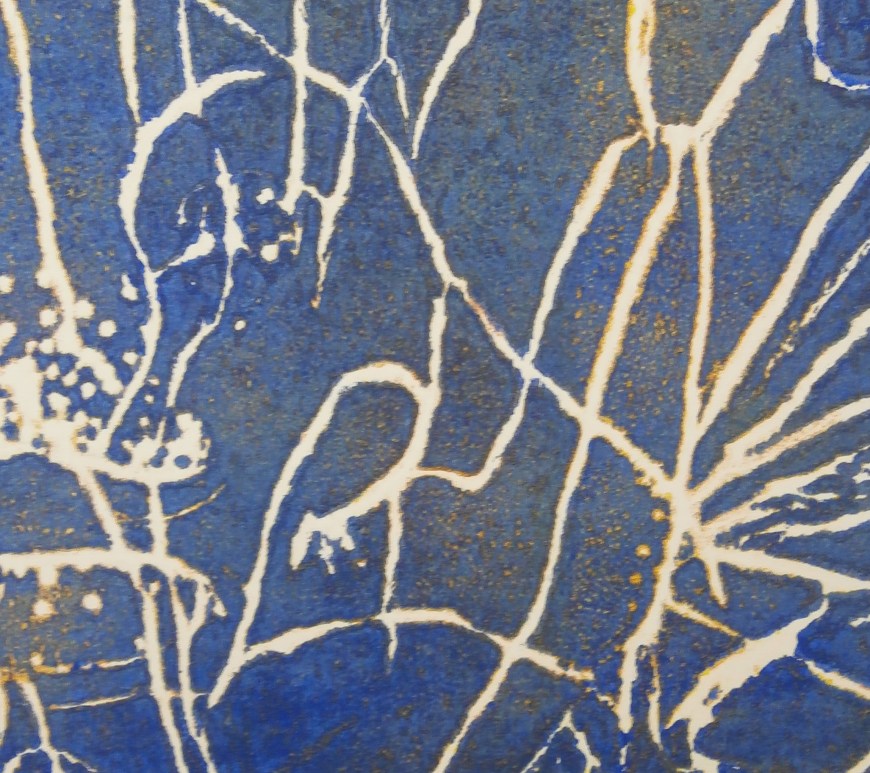
Crafty Creatures: Animal-inspired makes and games
Get creative and keep boredom at bay with these makes and games inspired by animals. Continue reading Crafty Creatures: Animal-inspired makes and games
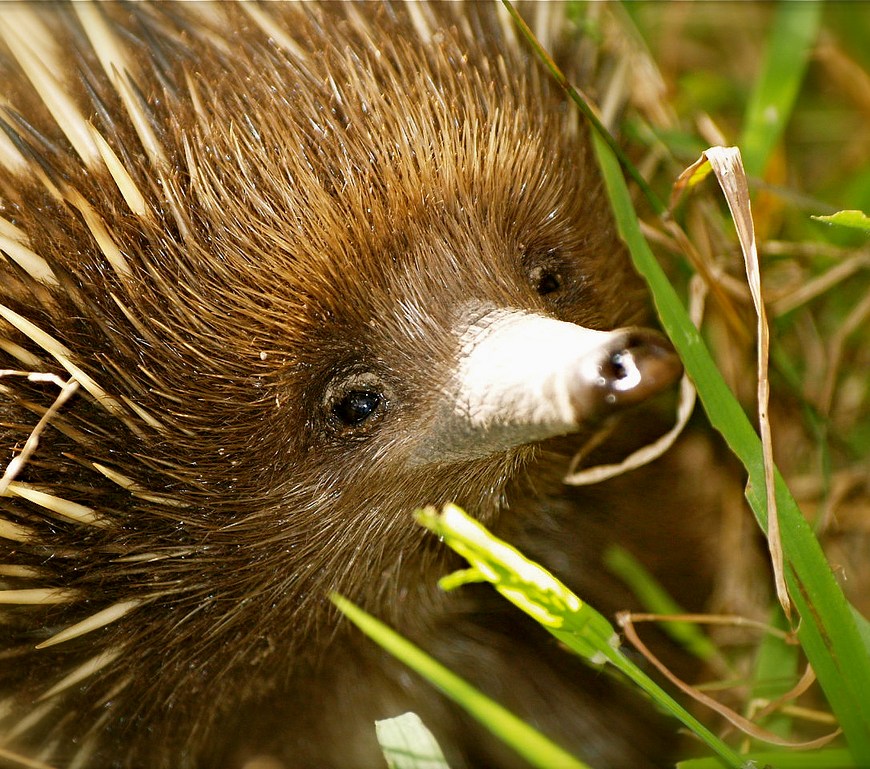
Puggle Club: Activities for Under 5s
Puggle Club: Activities for under 5s Continue reading Puggle Club: Activities for Under 5s

T-wit T-Who are you? Owl Crafts!
There are five species of owl in the UK: Barn Owl, Tawny Owl, Little Owl, Long-eared Owl and Short-eared Owl (in the picture above). They are birds of prey, with sharp beaks and strong talons for catching small animals to eat. Owls have a flat, round face. This is formed of a pattern of feathers called the facial disc. They make a dish shape to … Continue reading T-wit T-Who are you? Owl Crafts!
 Museum of Zoology Blog