


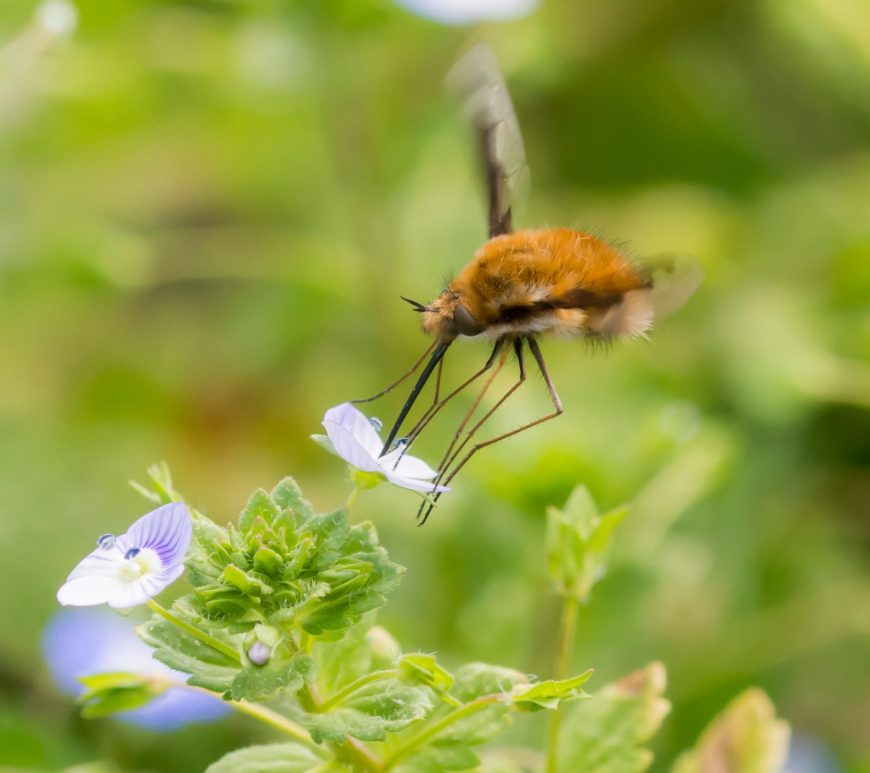
The wonderful world of bee-flies
Discover the extraordinary life of bee-flies with our Curator of Insects, Dr Ed Turner. Continue reading The wonderful world of bee-flies

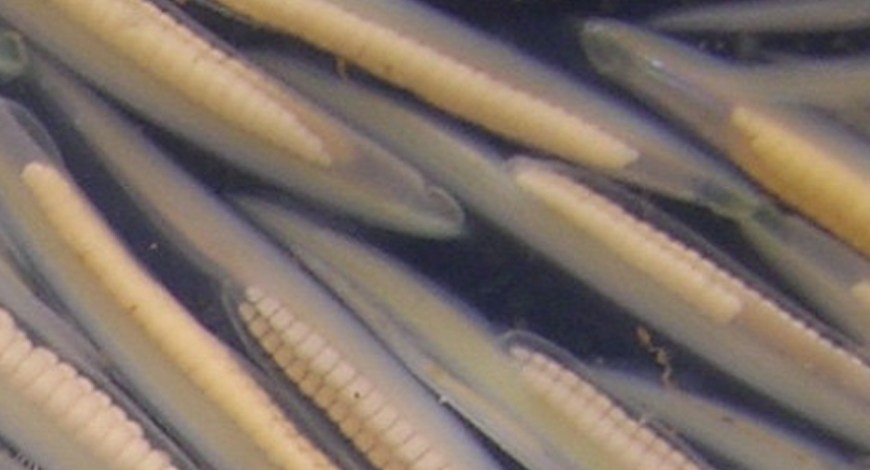
“Not a fish but the ‘making of’ a fish.”
To celebrate International Women’s Day and Women’s History Month the Museum is sharing the stories of 27 inspirational women, alongside the animals they work with the most. Dr Elia Benito-Gutierrez Department of Zoology “I still remember the day I was told about amphioxus in my first year of University. A fish that was not a fish but the ‘making of’ a fish. Hiding in the … Continue reading “Not a fish but the ‘making of’ a fish.”

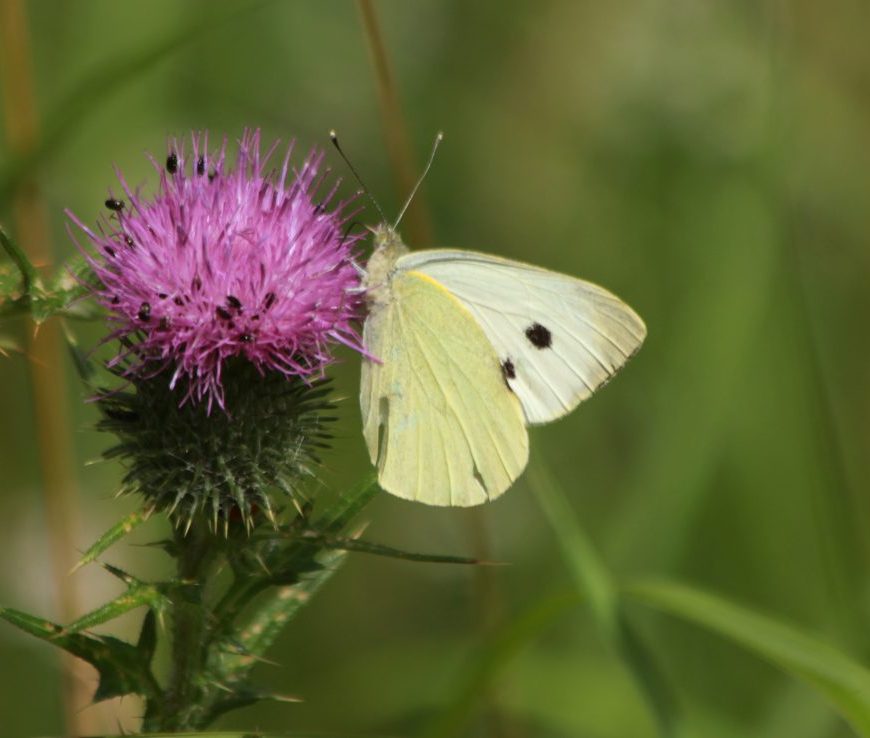
White and yellow butterflies
Matt Hayes, Research Assistant writes: Whilst everyone is being asked to stay at home it’s important that we continue to look outside and engage with the natural world. To help with this, we are going to be blogging about wildlife you can see from your window or in your garden. This set of posts will look at different groups of common butterflies as well as … Continue reading White and yellow butterflies

Jumping for Joy: Frog crafts
At this time of year, ponds around the country are home to jelly-like masses of frogspawn and the small, wriggling tadpoles that have hatched from it. Check out our first pondwatch post and you can see frogspawn and tadpoles up close. We thought we could celebrate with some froggy activities and facts for you. Frog Origami Follow the video to make your own jumping frog … Continue reading Jumping for Joy: Frog crafts
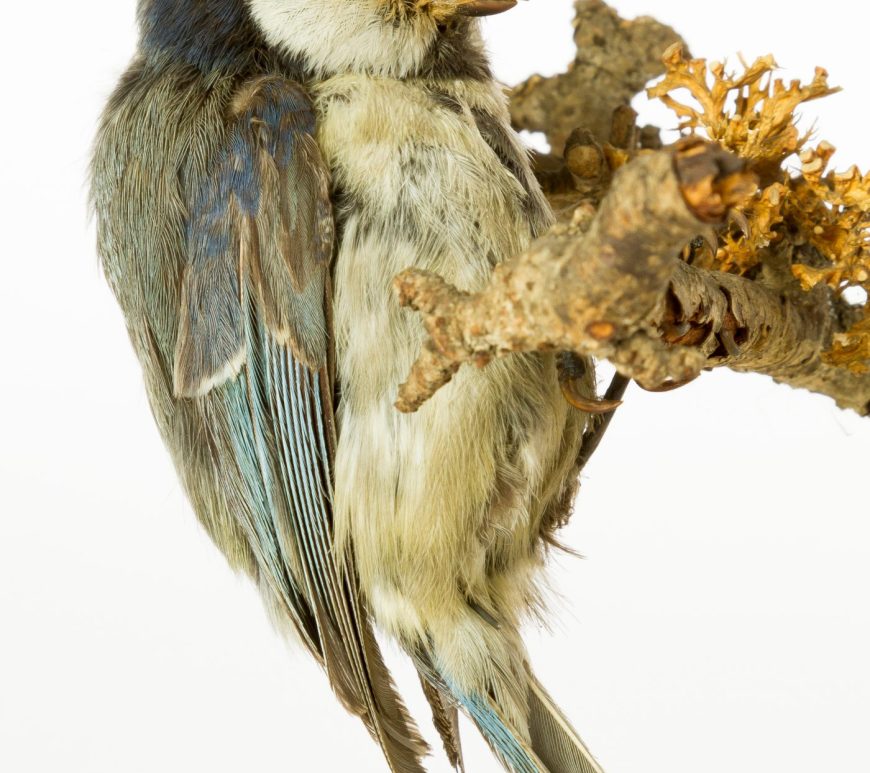
Birds: Blue tits and their relatives
Are you playing our Open Your Window Bingo? Discover more about some of the colourful garden birds that feature on it: blue tits, great tits and long-tailed tits. A flash of yellow, blue and green in the air – blue tits are colourful little birds often seen on bird feeders. They eat insects, caterpillars and seeds. We see bright colours and patterns when we see … Continue reading Birds: Blue tits and their relatives

Animal Alphabet: B is for Badger
Join us every Tuesday as we make an alphabet from the animals in the Museum of Zoology. Today is the letter B: B is for badger, bear, bat, blackbird, brain coral, butterfly, beetle and bee. Can you think of any others? Join us next week for animals in the Museum beginning with the letter C. Continue reading Animal Alphabet: B is for Badger
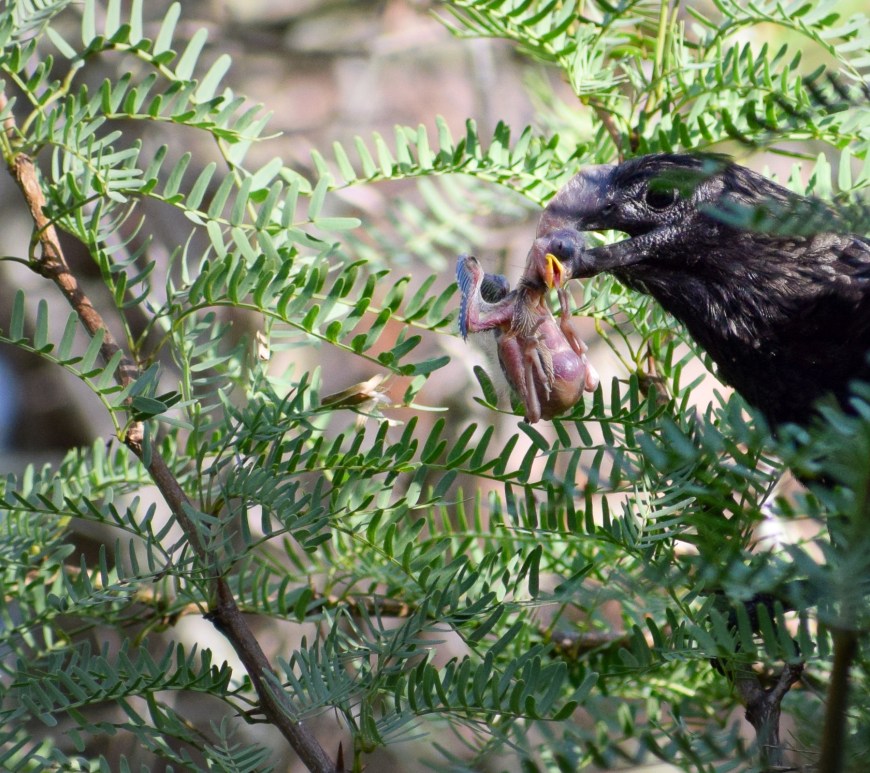
Smooth-billed anis in the Galápagos
To celebrate International Women’s Day and Women’s History Month the Museum is sharing the stories of 27 inspirational women, alongside the animals they work with the most. Sophia Cooke Department of Zoology “Alongside my PhD (looking at the impacts of roads on British birds), for the last few years I have been running a project I set up in the Galápagos, studying the impact of … Continue reading Smooth-billed anis in the Galápagos

Pondwatch Episode 2: Ed Turner
We’re back with another episode of Pondwatch. This time, Dr Ed Turner, our Curator of Insects, will be taking you pond-dipping and introducing you to some of the invertebrates living in his garden pond. Don’t have a pond but you’re thinking of creating one? Now is the perfect time. There are some brilliant websites out there with hints and tips on how to do this. … Continue reading Pondwatch Episode 2: Ed Turner

Puggle Club Stories: Eggs!
Lots of different types of animals lay eggs. Can you guess what hatches from these eggs? Eggs come in sizes large and small Today this one’s the biggest of them all It’s shell is thick, I wonder which Animal will hatch – an ostrich! Now what’s this little egg I see Under the leaf of a buckthorn tree? Can we see what hatches? Let give … Continue reading Puggle Club Stories: Eggs!
Cryptic Egg Hunt
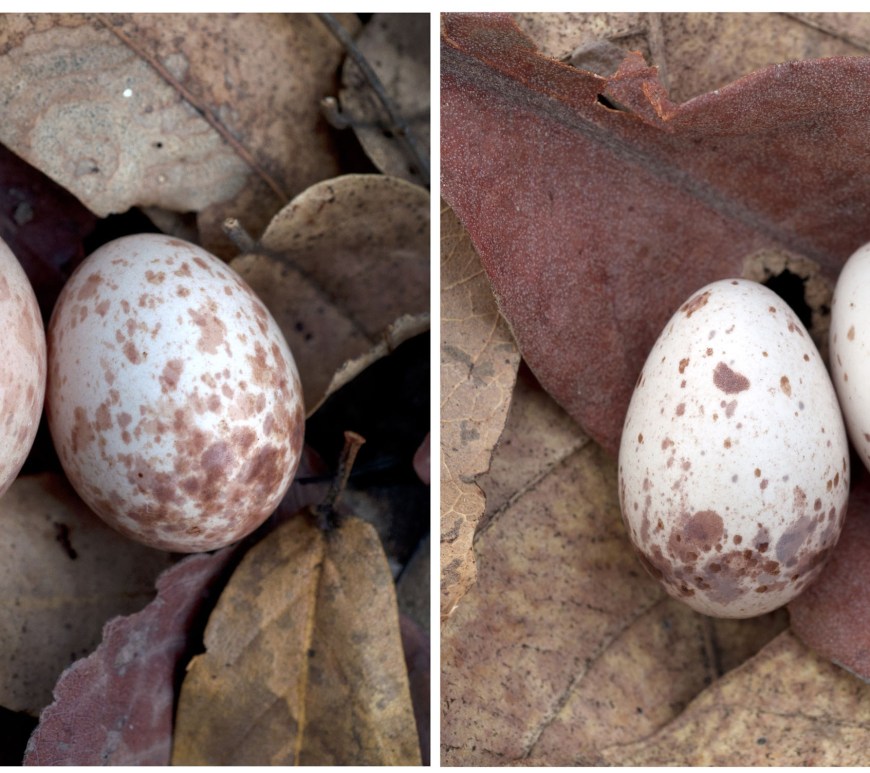
The Museum of Zoology team has an affinity towards eggs, from Darwin’s egg to platypus eggs, especially around this time of year. Spring offers the chance to see new generations hatching from a variety of eggs and the arrival of the chocolate kind for many of us. This year we are bringing the eggs to you with a virtual cryptic egg hunt. Egg Hunt Dr … Continue reading Cryptic Egg Hunt

A warm welcome for minibeasts
Even a small garden can provide a home for several thousand species of insects and other minibeasts. Although a very small minority may not be popular guests, the vast majority will undertake important natural processes and improve the health of your garden. Many will pollinate your plants, break down decaying material to fertilise your soil and even eat the few ‘pests’ that may be causing … Continue reading A warm welcome for minibeasts

Do caterpillars like it hot?
To celebrate International Women’s Day and Women’s History Month the Museum is sharing the stories of 27 inspirational women, alongside the animals they work with the most. Esme Ashe-Jepson Museum of Zoology “My PhD investigates the effect of temperature on British butterflies, focusing on caterpillars, using a mix of both lab and field research. As each life stage of a butterfly varies in both form … Continue reading Do caterpillars like it hot?

Gardening for butterflies
Matt Hayes, Research Assistant writes: Whilst everyone is being asked to stay at home it’s important that we continue to look outside and engage with the natural world. To help with this, we are going to be blogging about wildlife you can see from your window or in your garden. This set of posts will look at different groups of common butterflies as well as … Continue reading Gardening for butterflies

Birds: Meet the Robin
Roz Wade, Learning Officer a the Museum, writes: We are starting our Birdwatch series on the blog with one of our favourite British birds: the robin, Erithacus rubecula. With its cheerful red breast, the robin provides a flash of colour throughout the year. Seen one? It’s worth three points on our Open Your Window Bingo Like many people, a robin was my ‘starter bird’ for … Continue reading Birds: Meet the Robin

Animal Alphabet: A is for Aardvark
Join us every Tuesday as we make an alphabet from the animals in the Museum of Zoology. Today is the letter A: A is for aardvark, aye aye, armadillo, anteater, albatross and abalone. Can you think of any others? Join us next week for animals in the Museum beginning with the letter B. Continue reading Animal Alphabet: A is for Aardvark
 Museum of Zoology Blog