



Saving Our World
How can people live in harmony with nature? See the ideas and solutions from participants in an artist-led workshop that took place earlier this year, and have a go at creating your own world of tomorrow at home today. Continue reading Saving Our World


Here be Dragons!
Explore the real-life world of dragons… Tom Jameson, PhD student says, Dragons do not only populate the myths and legends of the past, but also the world around us. Komodo dragons, Varanus komodoensis, are the world’s largest lizards, so named for reminding early explorers of the beasts of legend. Life as a Komodo dragon Komodo dragon’s skin is rough and durable like other large lizards, … Continue reading Here be Dragons!

Your friendly neighbourhood British spiders
Michael Pashkevich, PhD Student, writes: One of my favourite traits of spiders is that they are widespread in distribution. This means that they live nearly everywhere that humans do, including within and around our homes. This is particularly good news for Britons, because none of the 650+ spider species in the UK are dangerous to healthy humans. Right now, many of us are being asked … Continue reading Your friendly neighbourhood British spiders

Secrets of the shell
To celebrate International Women’s Day and Women’s History Month the Museum is sharing the stories of 27 inspirational women, alongside the animals they work with the most. Dr Victoria Sleight Department of Zoology “I want to understand how molluscs make their beautiful shells. We know that shells are made from a mixture of mainly calcium carbonate and a few proteins, but there are many questions … Continue reading Secrets of the shell

Blue butterflies
Matt Hayes, Research Assistant writes: Whilst everyone is being asked to stay at home it’s important that we continue to look outside and engage with the natural world. To help with this, we are going to be blogging about wildlife you can see from your window or in your garden. This set of posts will look at different groups of common butterflies as well as … Continue reading Blue butterflies

World of Tomorrow
How can people live in harmony with nature? See the ideas and solutions from participants in an artist-led workshop that took place earlier this year, and have a go at creating your own world of tomorrow at home today. Continue reading World of Tomorrow

Animal Alphabet: C is for Crocodile
Join us every Tuesday as we make an alphabet from the animals in the Museum of Zoology. Today is the letter C: C is for crocodile, crab, cheetah, cuckoo, chipmunk, capybara, clam and chameleon. Can you think of any others? Join us next week for animals in the Museum beginning with the letter D. Continue reading Animal Alphabet: C is for Crocodile

Nature Postcard from Wicken Fen
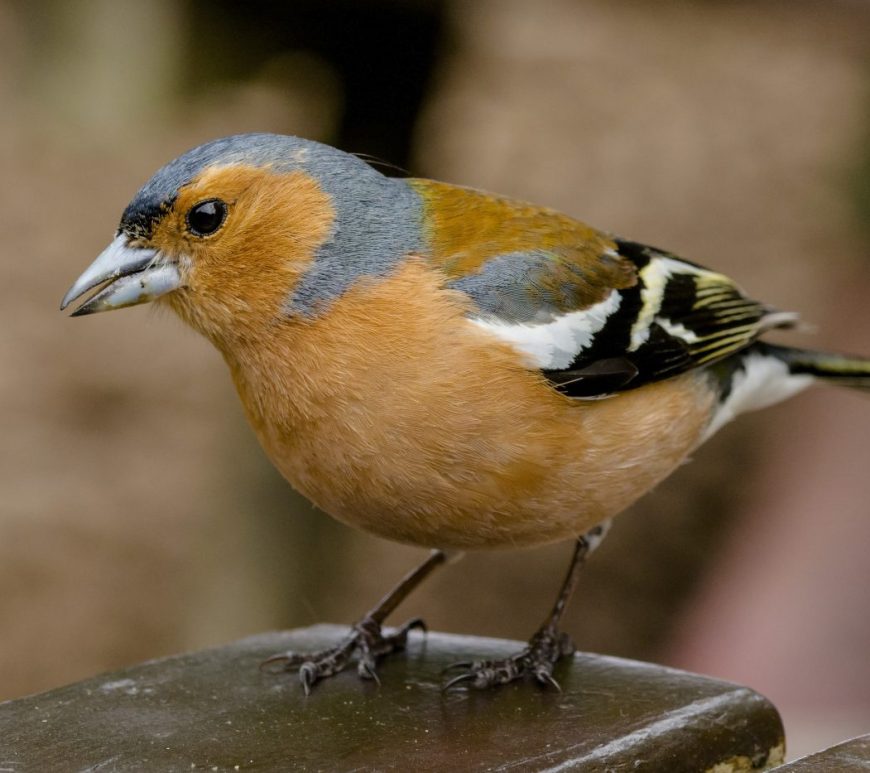
We have a treat this week in Wildlife From Your Window: a virtual postcard from a pre-lockdown Wicken Fen, written by Professor Nick Davies of the Department of Zoology. ‘Just before the lockdown, there was a final chance to visit Wicken Fen, still clothed in her winter’s coat of last year’s yellow reeds. Many birds were still in winter flocks. On the floods, there were … Continue reading Nature Postcard from Wicken Fen

Glacial past, genetic science and saving today’s coral reefs
To celebrate International Women’s Day and Women’s History Month the Museum is sharing the stories of 27 inspirational women, alongside the animals they work with the most. Maddie Emms Department of Zoology “I am a Zoology PhD student interested in how environmental change affects coral reef organisms. Coral reefs are incredibly important habitats but are sensitive to environmental change. I am studying how the loss … Continue reading Glacial past, genetic science and saving today’s coral reefs

Pondwatch Episode 3: Newts!
Roz Wade, Learning Officer at the Museum, writes: We have exciting news on this episode of Pondwatch – newts in the garden pond! I’ve been watching them closely, and managed to capture them on camera when they came out from their hiding places. We also have some of the aquatic finds of other members of the Museum team, so lots to explore this week. There … Continue reading Pondwatch Episode 3: Newts!

Insects are animals too: why perceptions matter
Kate Howlett, NERC-funded PhD student says, Thank you to everyone who got involved in our little experiment last week to find out who we think of as the Easter bunny. Whilst questions like this which ask about our perception of animal species are often just a bit of fun, they are also important in building up a larger picture about our relationship with the natural … Continue reading Insects are animals too: why perceptions matter
Frogspawn Fun
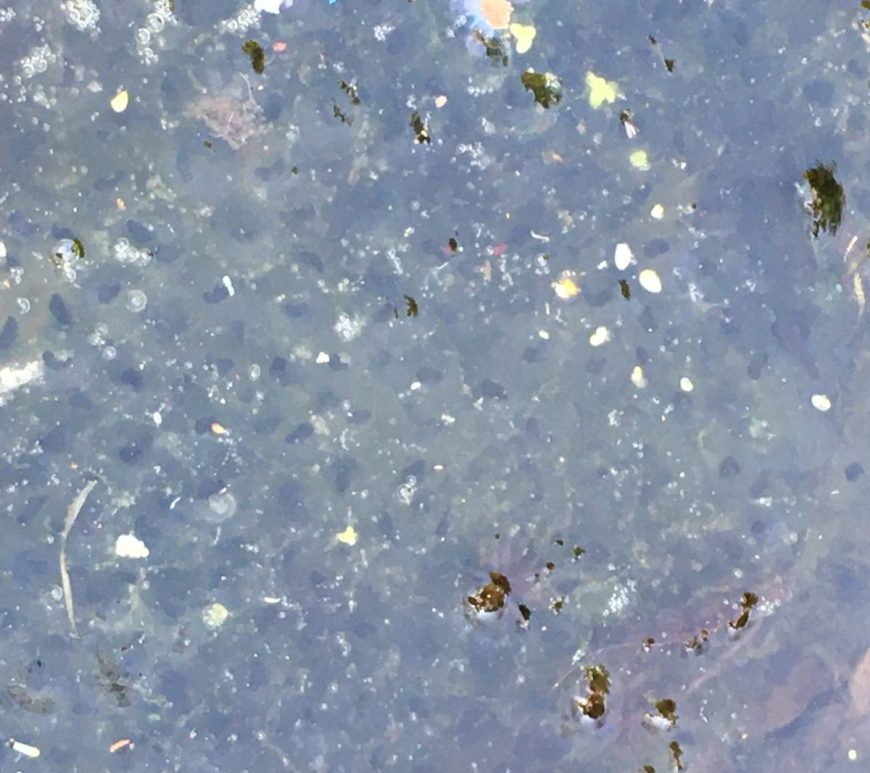
In garden ponds across the country, clumps of jelly-like eggs are hatching into little, wriggling tadpoles. Here at the Puggle Club we are celebrating the amazing world of baby frogs with some fun, froggy activities. Make your own frogspawn Tapioca frogspawn (made from Cassava flour) is safe to eat, although not very tasty. It makes a great tactile experience for all ages and abilities. You … Continue reading Frogspawn Fun
Mammalwatch: Squirrels
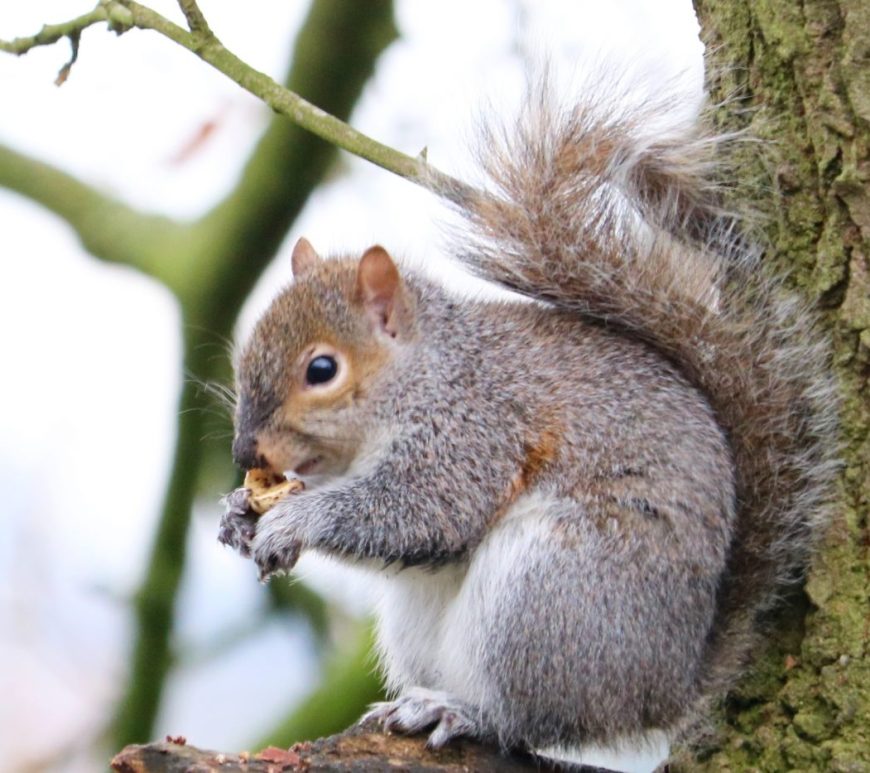
Roz Wade, Learning Officer at the Museum of Zoology, writes: Welcome to our first Mammalwatch post in Wildlife from your Window. We thought what better way to start than with a post about that terror of the bird feeder – the grey squirrel. The grey squirrel, Sciurus carolinensis, is a familiar sight in our gardens. The body is around 25cm long, and the tail is … Continue reading Mammalwatch: Squirrels
Body temperature and life history in armadillos
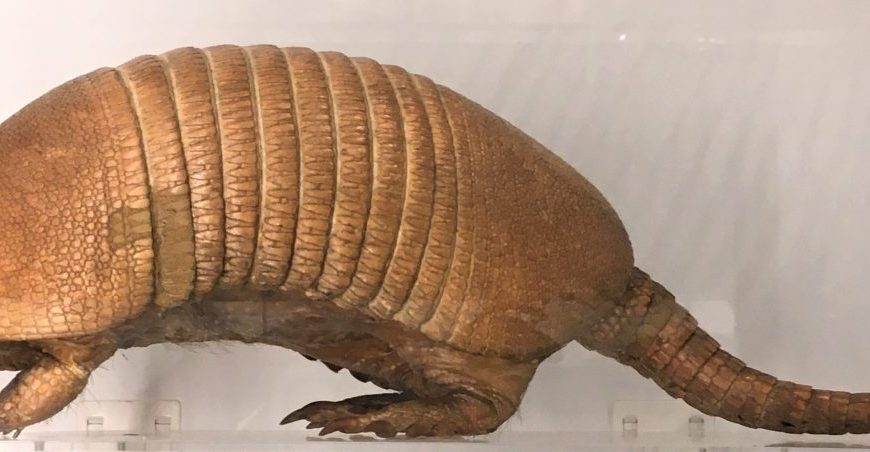
Dr Robert Asher, our Curator of Vertebrates, is an evolutionary biologist based in the Department of Zoology, and Fellow of Trinity Hall, University of Cambridge. In this video he shares a recent scientific paper on temperature and skeletal variation in the nine-banded armadillo. Continue reading Body temperature and life history in armadillos
Wildflowers Not Weeds
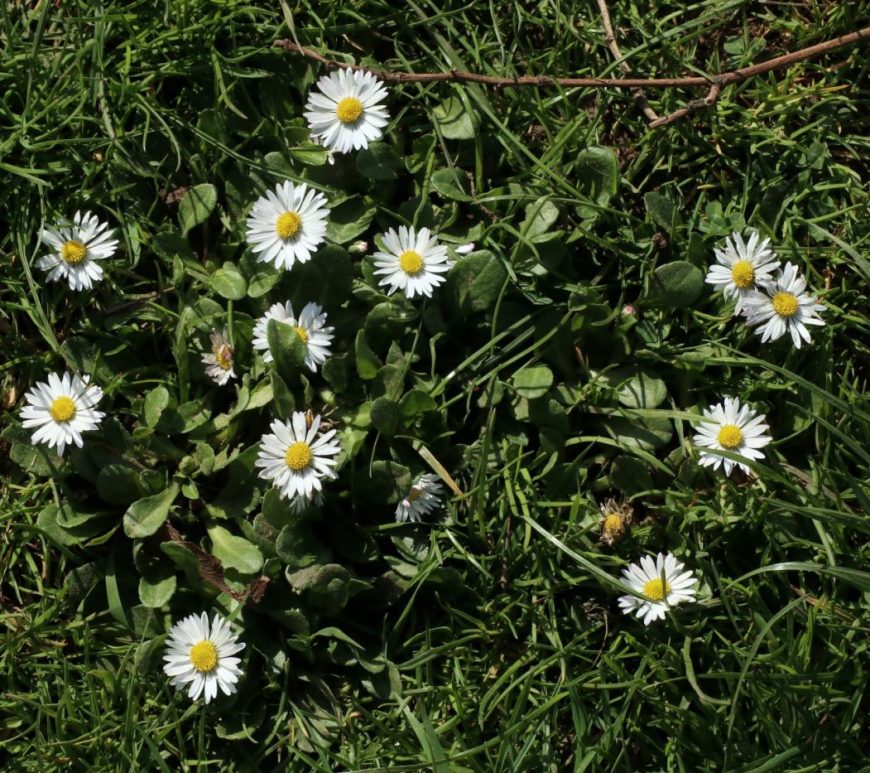
That patch of nettles in the corner of the garden. The dandelions in the lawn. You might call these weeds and think they make your green space look untidy. But nature loves a mess, and to support our wildlife, it is best not to be too tidy in your garden and have some areas where these wild plants can grow. Many are food plants for … Continue reading Wildflowers Not Weeds
 Museum of Zoology Blog