


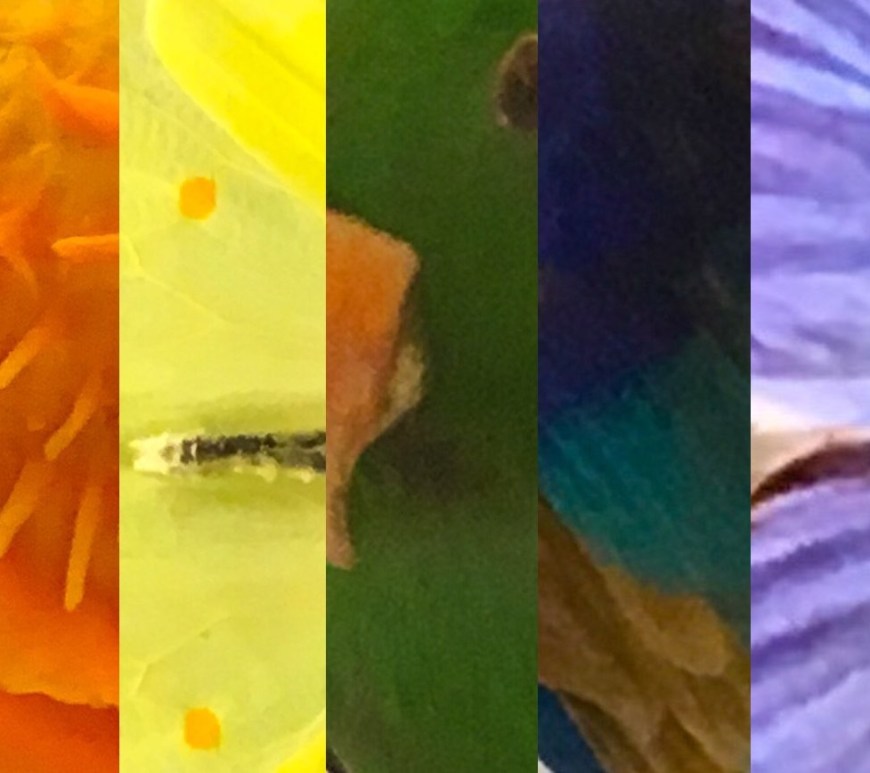
Exploring Evolution through Colour
Task: Have a look out of your window. What animals can you see? Can you see a robin with a red breast? The robin shows this off when defending its territory. What about a peacock butterfly with ‘eyes’ on its wings? These are used to confuse animals that might want to eat it. And have you seen a brown bird – perhaps a sparrow, dunnock … Continue reading Exploring Evolution through Colour


Dive into a Coral Reef
Build your own coral reef You will need a long piece of paper, water-based paints, and some (paper) straws. Mix your paint with plenty of water. Place a splodge of paint where you would like your coral to begin. Now use the straws to blow the watery paint all over! It should form arms and branches. Race each other to the top edge. Grow your … Continue reading Dive into a Coral Reef

A diversity of dragonflies in oil palm plantations
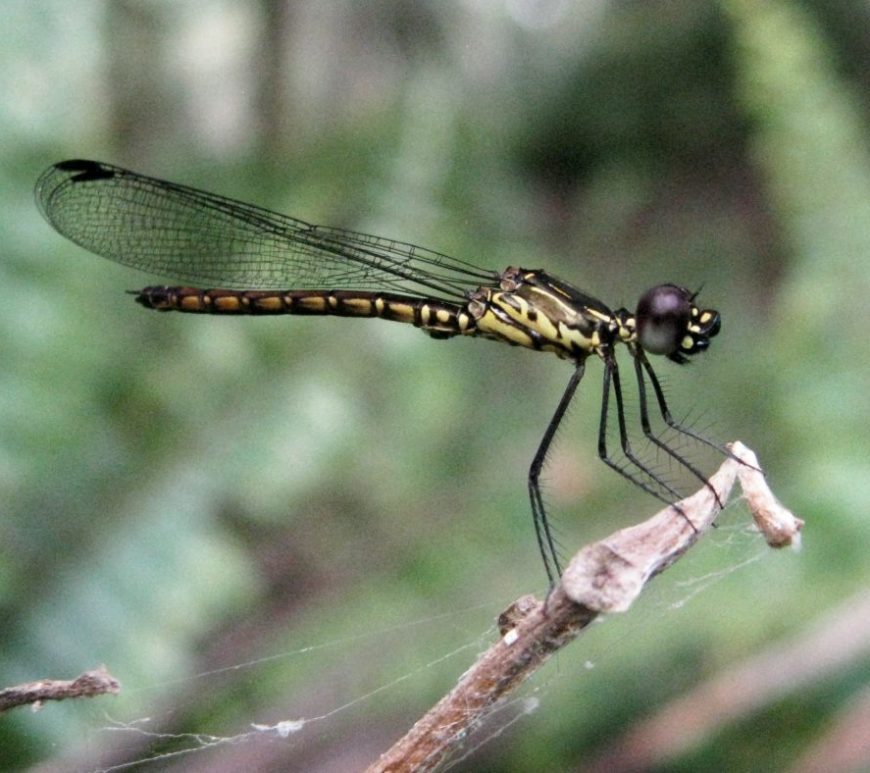
Sarah Luke Museum of Zoology, Insect Ecology Group New research from the Museum of Zoology and collaborators finds a diverse and variable dragonfly community in oil palm plantations in Sumatra, Indonesia. Across the globe, large areas of naturally forested habitats have been converted to agriculture to feed a growing world population. This conversion usually results in dramatic changes in the habitat, including losses of habitat … Continue reading A diversity of dragonflies in oil palm plantations

Spiders!
This week in Puggle Club we are looking for spiders. Count with us as we see which of these animals has eight legs and is a spider. Spiders are amazing animals. Can you spot any around your garden or on your daily walk? They can make silk and weave webs of many different types. These help spiders to catch their food. Webs can be sticky … Continue reading Spiders!

Insect-eye view
There is some amazing wildlife on your doorstep if you know where to look. Professor Bill Amos of the Department of Zoology writes about looking closely at insects: ‘In these times of lockdown, a little bit of nature goes a long way. We have a small garden in central Cambridge and I thought I would challenge myself to photograph a new insect every day. Of … Continue reading Insect-eye view
Pondwatch Episode 4: Dancing Newts
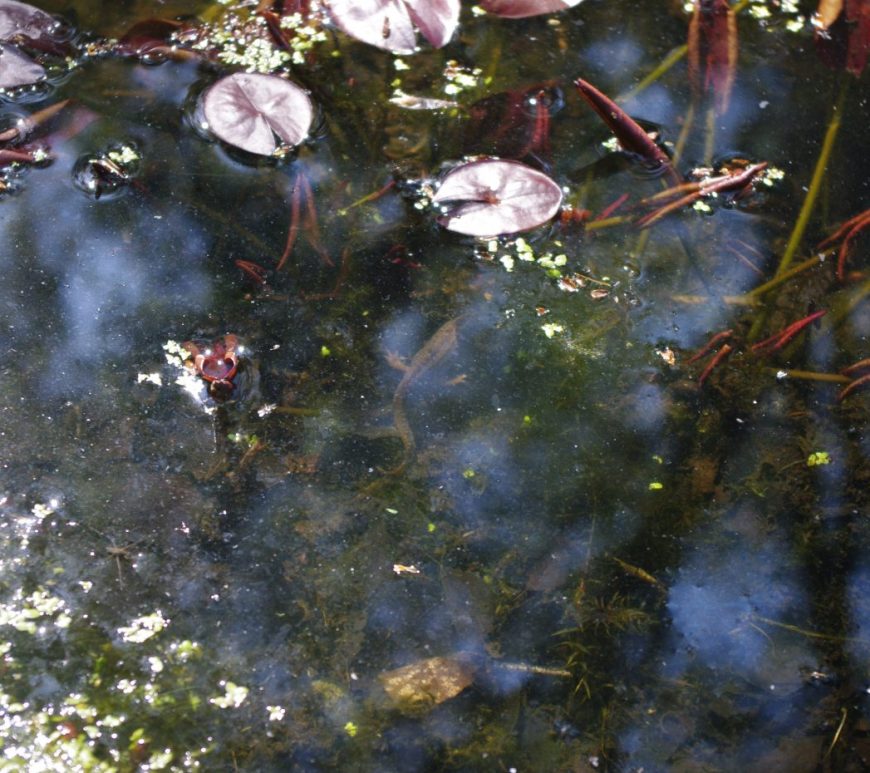
Roz Wade, Learning Officer at the Museum, writes: A couple of weeks ago I found that we had newts living in the garden pond. I have seen that we have at least five if not six living in there, and they have been showing some fascinating behaviour this week. We have some males in their breeding garb, with a wonderful crest along the back. They … Continue reading Pondwatch Episode 4: Dancing Newts
The ‘browns’: not so drab butterflies
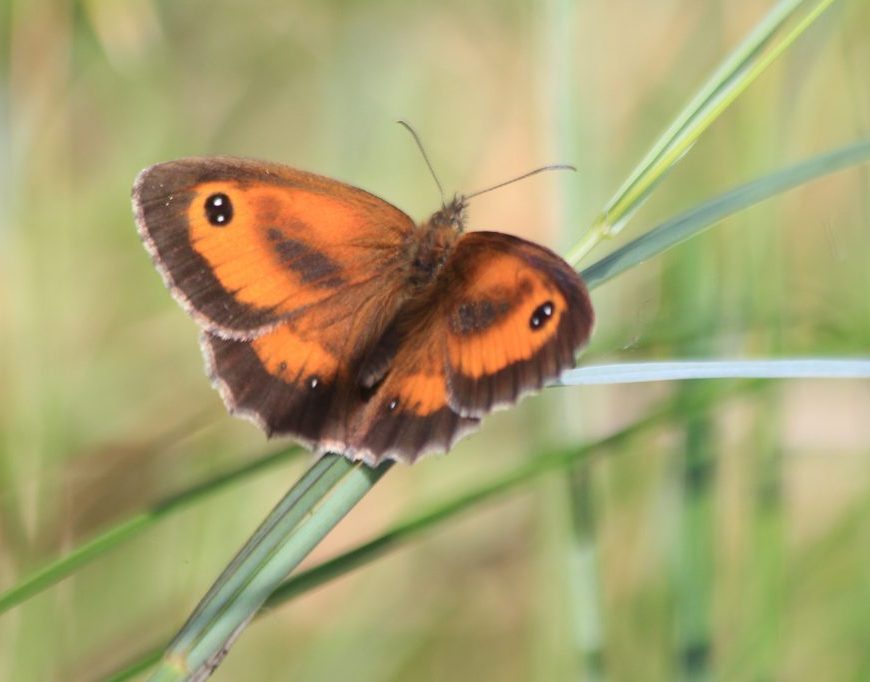
Matt Hayes, Research Assistant writes: Whilst everyone is being asked to stay at home it’s important that we continue to look outside and engage with the natural world. To help with this, we are going to be blogging about wildlife you can see from your window or in your garden. This set of posts will look at different groups of common butterflies as well as … Continue reading The ‘browns’: not so drab butterflies
Teachers’ Newsletter
The Museum team are here to support #HomeSchooling and #LearningInLockdown during the lockdown period, and beyond. With online resources and ways to participate digitally, we are continuing our mission to inspire students to learn about, care for and discover the natural world. Stay up-to-date with our new resources, projects and learning offer by signing up to our teachers’ newsletter: The Museum of Zoology uses your personal information … Continue reading Teachers’ Newsletter
Animal Alphabet: D is for Dodo
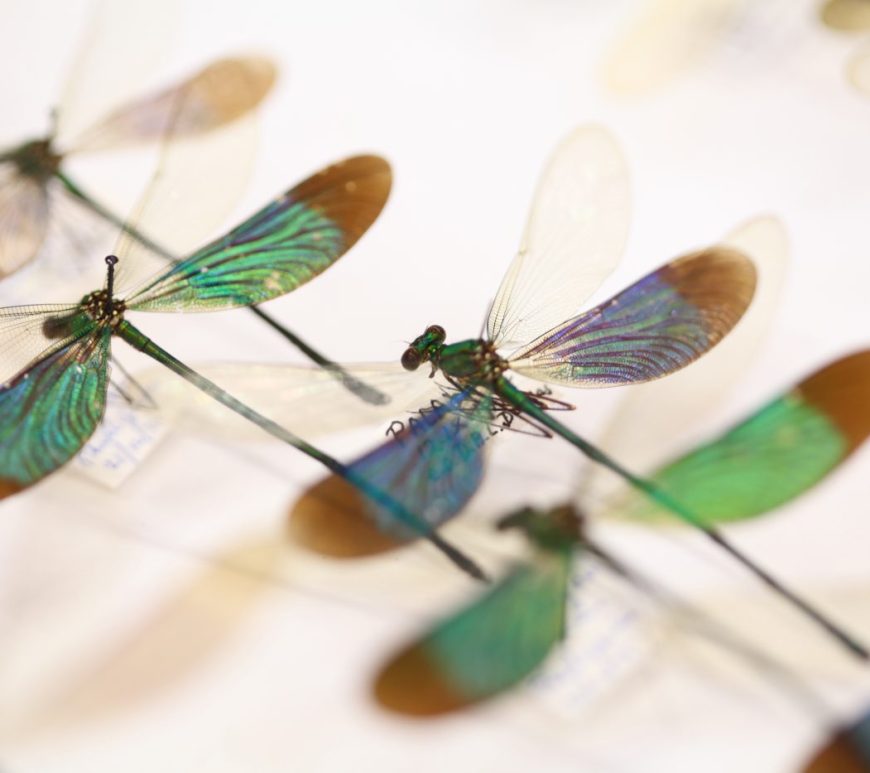
Join us every Tuesday as we make an alphabet from the animals in the Museum of Zoology. Today is the letter D: D is for dodo,deer, duck, dolphin, dragonfly and damselfly. Can you think of any others? Join us next week for animals in the Museum beginning with the letter E. Expect something big with tusks and a trunk… Continue reading Animal Alphabet: D is for Dodo
Song of the Blackbird
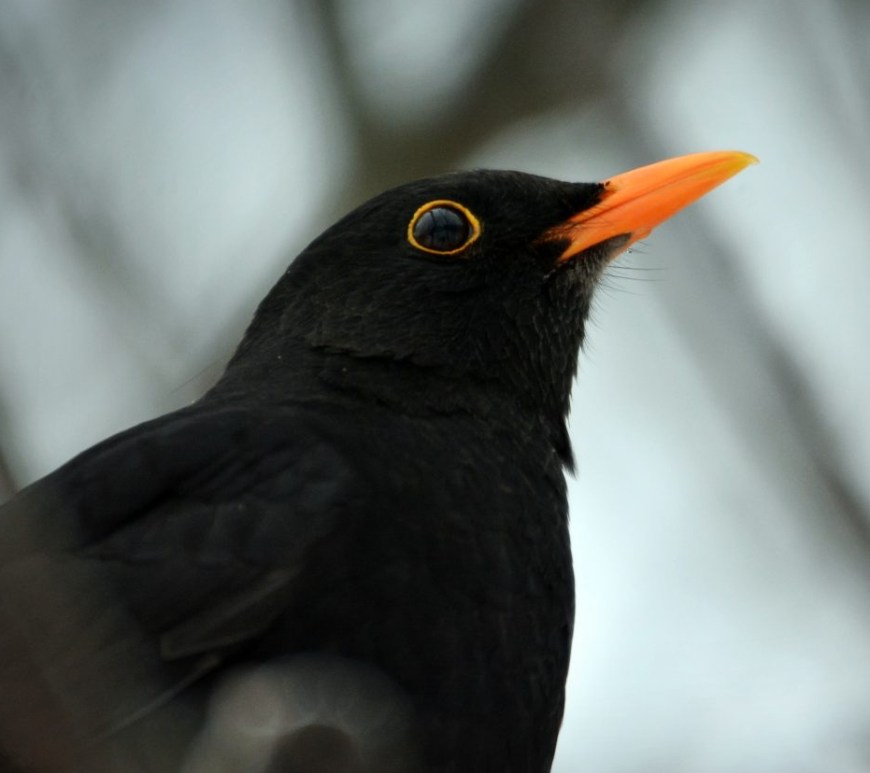
Academic in the Department of Zoology, and one of our visitor engagement volunteers in the Museum, Dr Tony Fulford writes: ‘How many people don’t recognise one of the nation’s favourite birds? For those unfamiliar with the blackbird, the male is jet black with a bright yellow bill and yellow ring around his eye. The female is similar-looking but is dark brown, often with a few … Continue reading Song of the Blackbird
Climate Change: the board game
You are an animal species, living in the savannah. The world is divided in four habitats based on the average temperature and precipitation (rain and snowfall) in each area. There are hotter and colder regions around you, but you find the average temperature of the savannah very comfortable. The savannah is occupied by a number of different species (the other players), all adapted to this … Continue reading Climate Change: the board game

Understanding bird populations in a changing world
To celebrate International Women’s Day and Women’s History Month the Museum is sharing the stories of 27 inspirational women, alongside the animals they work with the most. Eleanor Miller Department of Zoology “We live in an era of significant environmental and climatic change. To understand how species might cope with different climates in the future, it is important to explore how they responded to rapid … Continue reading Understanding bird populations in a changing world
Animal Lifecycles
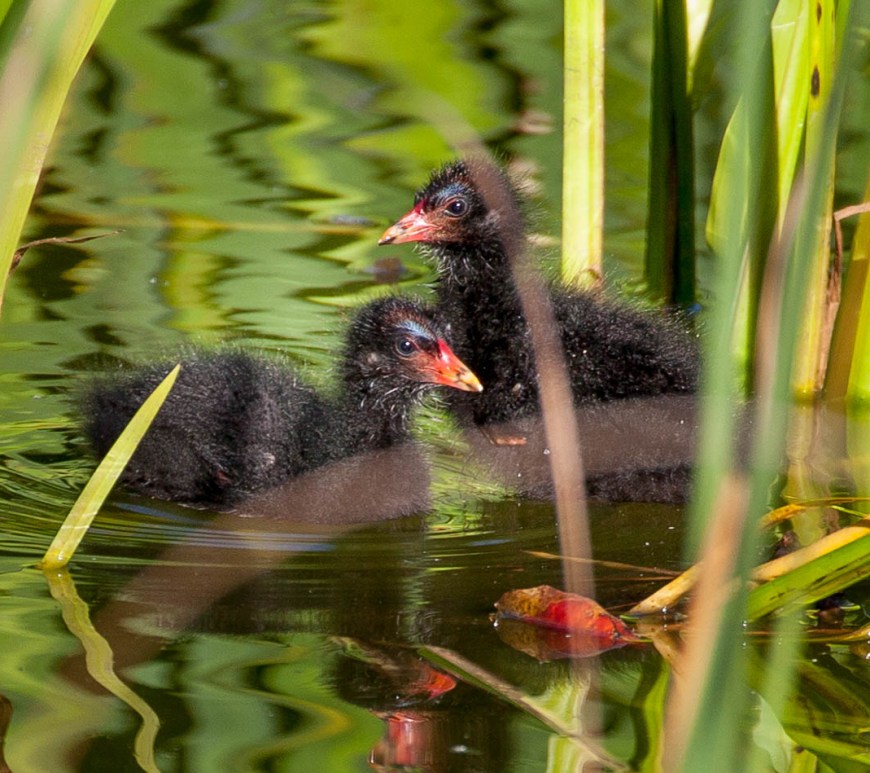
Spring is in the air. Birds are nesting, frogspawn is hatching, and insects are buzzing all around. To celebrate, why not try some of our activities all about animal lifecycles, inspired by the collections at the Museum of Zoology. We have arranged these activities by type of animal. Make nests and make a sock puppet to experiment with the colours of chick mouths in the … Continue reading Animal Lifecycles
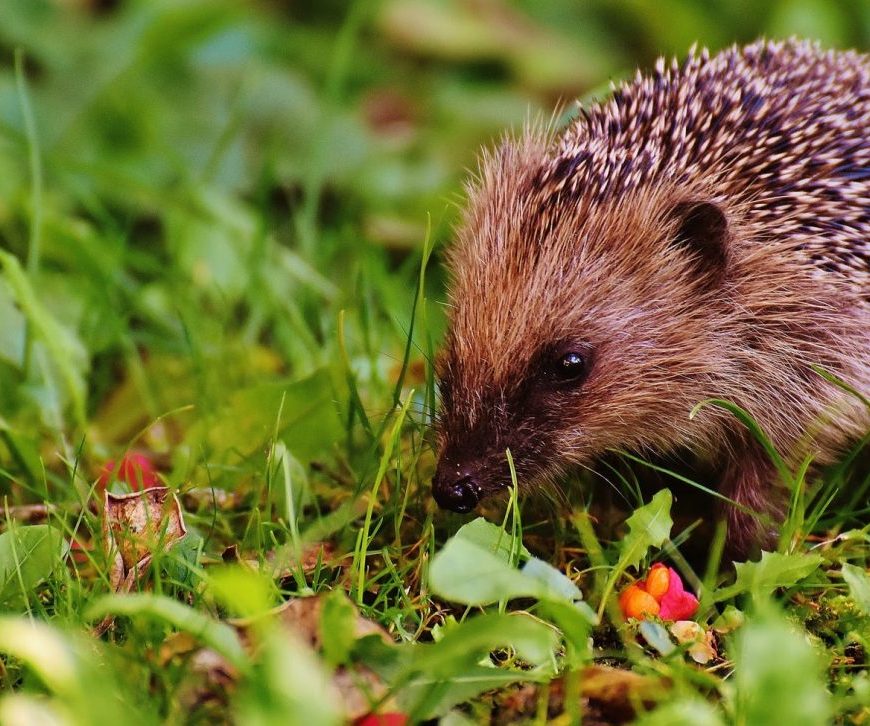
Become a Helpful Hedgehog Hero
You can provide a safe space for British wildlife right in your garden or local green space. This is especially useful for creatures, including hedgehogs, if you live in an urban environment and can make a real difference to their survival. These unique prickly mammals are a favourite amongst the UK public (especially our ‘over-stuffed’ Museum specimen who has seen leaner days) and if we … Continue reading Become a Helpful Hedgehog Hero
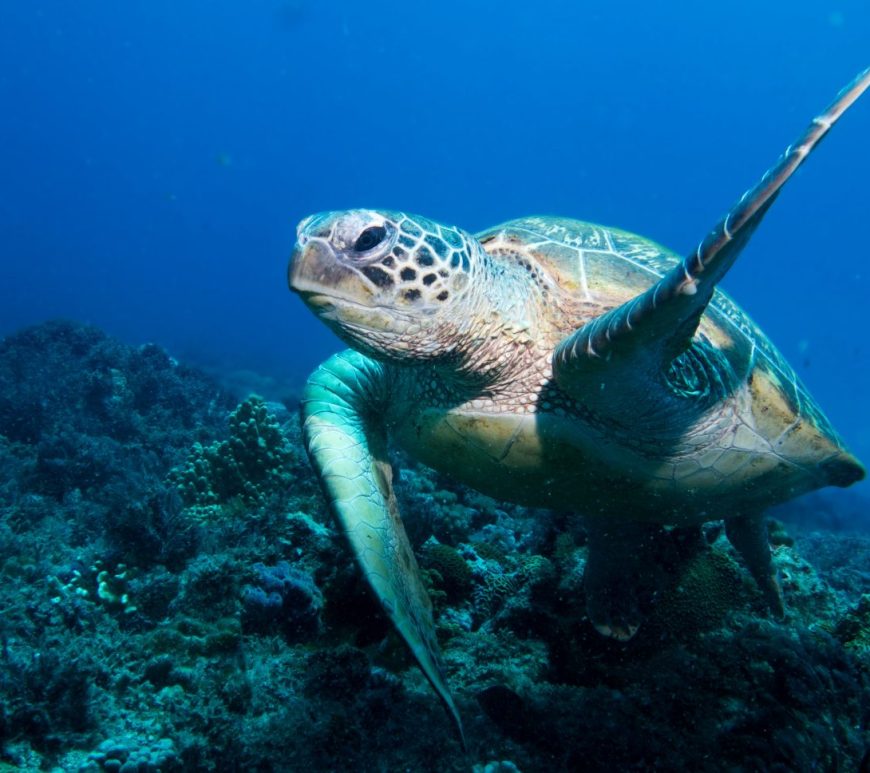
Exploring Skulls: Green Turtle
Get ready – our regular Nature Classroom posts will begin on Monday with a post exploring animal lifecycles. Discover the amazing world of amphibians and their larvae. Have a go at being a bird building a nest. Get up close to a tiger skull and see how tigers change as they grow. There’s lots to look forward to. Science caps on and watch for wildlife! … Continue reading Exploring Skulls: Green Turtle
 Museum of Zoology Blog