


How to observe wildlife: beat-netting
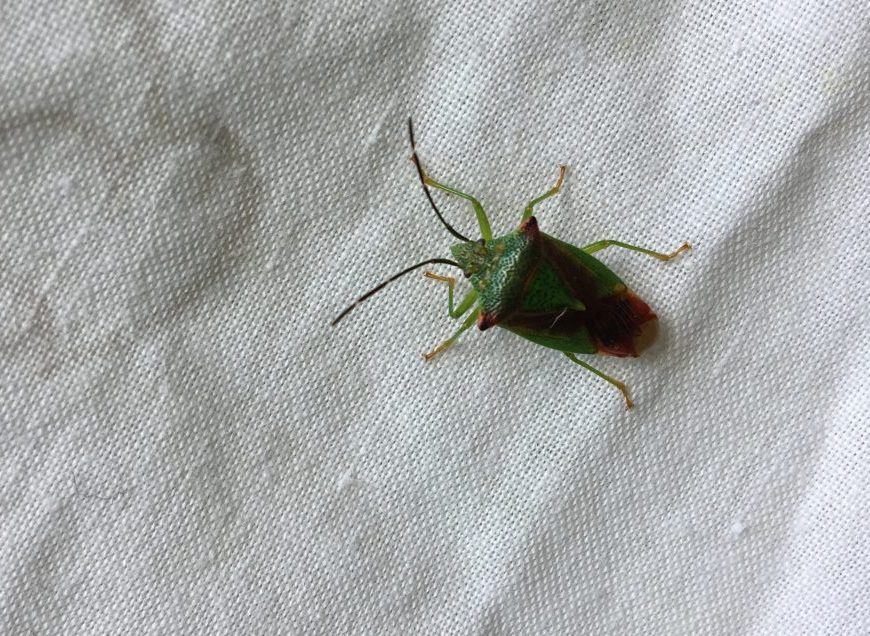
Matt Hayes, research assistant writes: There are many ways to look for minibeasts that live around you and one easy method is to use a beat net. You don’t need any fancy equipment; a white sheet or tray will work just as well as a store-bought net. An upside-down pale umbrella also makes the perfect substitute. A pale white colour works best as it helps … Continue reading How to observe wildlife: beat-netting


Night-time wildlife mobile
While we sleep at night, a world of nocturnal animals are going about their lives outside. Creatures like foxes and mice, owls and badgers and bats and moths tend to sleep or shelter during the day, and search for food at night. There are 18 species of bats in the UK and all of them eat insects. They often catch these insects mid-flight, using echolocation … Continue reading Night-time wildlife mobile
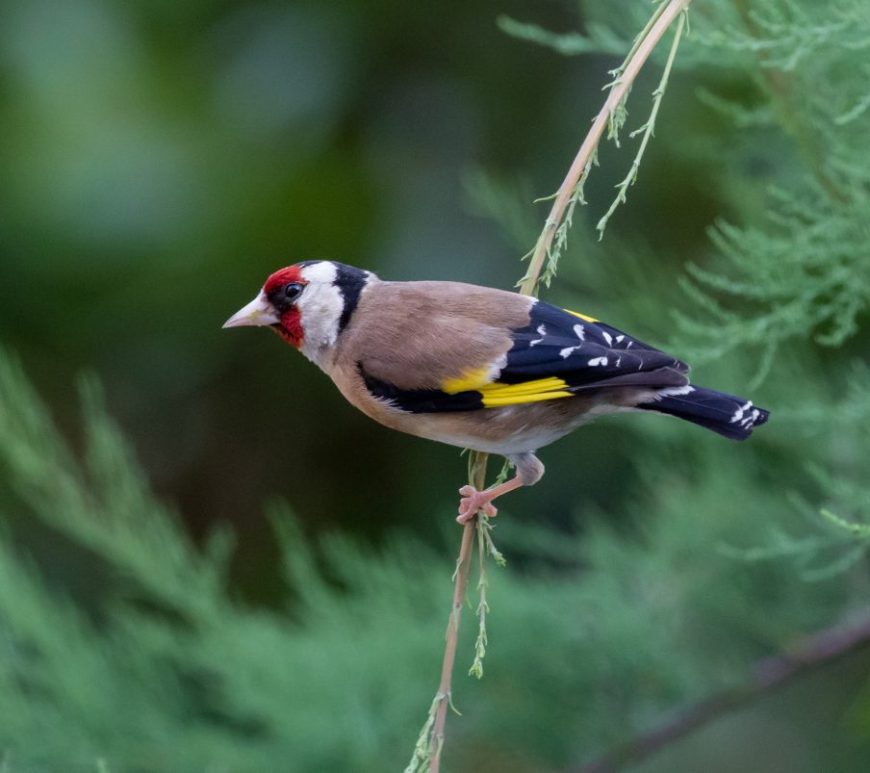
Birds: Finches
Roz Wade, Learning Officer at the Museum, writes: We have some amazing finches from around the world in the Museum – including, of course, the famous Galapagos finches collected on the Voyage of the Beagle. But you don’t have to go far to see some treasure-like finches – there are some beauties that visit gardens in the UK. A highlight for me over the past … Continue reading Birds: Finches


Animal Alphabet: K is for Kakapo
Join us every Tuesday as we make an alphabet from the animals in the Museum of Zoology. Today is the letter K: K is for kakpo, kiwi, kangaroo, Komodo dragon, kudu, kinkajou and kingfisher. Can you think of any others? Join us next week for animals in the Museum beginning with the letter L. Get ready to roar as L is for Lion! Continue reading Animal Alphabet: K is for Kakapo

An Insect A Day part 5
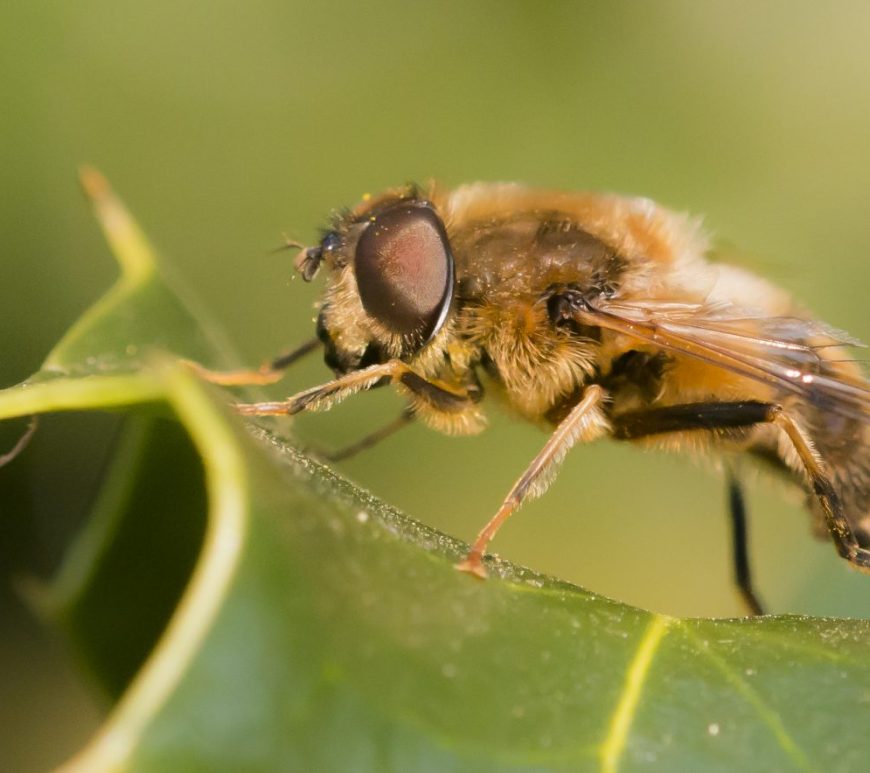
Prof Bill Amos of the Department of Zoology continues his insect photo diary with images of weevils, clearwing moths and a remarkable bumblebee mimic. Follow his orange tip caterpillar as it grows too – you can see it as an egg and newly hatched caterpillar in earlier posts. You can see more of Bill’s photographs on the blog: An Insect A Day for bee fly, … Continue reading An Insect A Day part 5

Termite mound-mates create even more questions for scientists
To celebrate International Women’s Day and Women’s History Month the Museum is sharing the stories of 27 inspirational women, alongside the animals they work with the most. Dr Amelia Hood Department of Zoology “I’m an ecologist who loves social insects. For my PhD, I worked in oil palm plantations in Indonesia and studied ants and termites. There is one termite species, Macrotermes gilvus, that is … Continue reading Termite mound-mates create even more questions for scientists
Zoology Live! 22-27 June
The Museum may be closed, but there is amazing wildlife on your doorstep waiting to be explored. As we can’t celebrate our annual Zoology Live festival at the Museum this year, we are bringing it to you online instead with a week of films, interviews and activities. Every day at 4pm, join us on YouTube Live for wildlife films and live interviews with experts, and … Continue reading Zoology Live! 22-27 June
A Journey through Time and Habitats
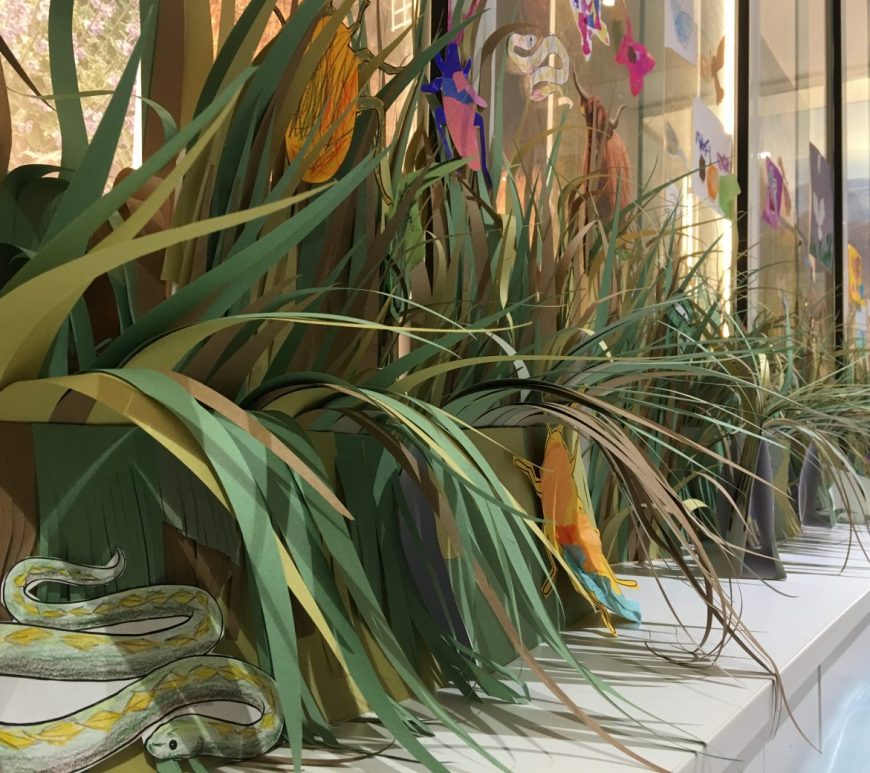
All living things have adapted to surviving successfully within their environments. They have adapted to changes in climate and habitat, as well as the other species that live around them. Some even work with other species to benefit themselves. Human impact has caused a lot of environmental change to happen very quickly. Evolution and adaptation are processes that take a long time to occur, and … Continue reading A Journey through Time and Habitats
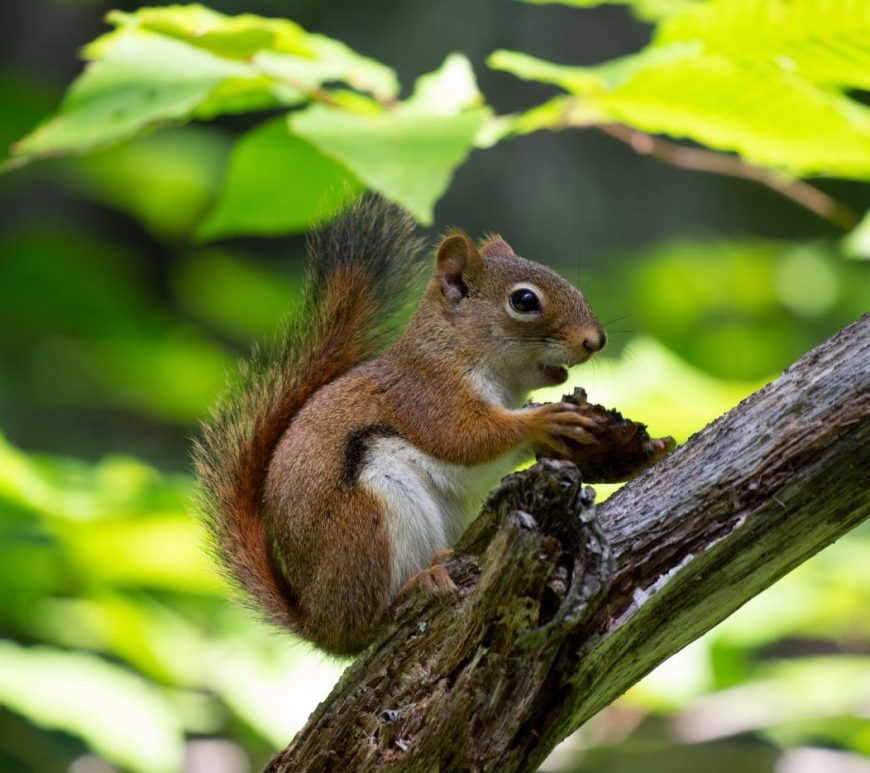
Rodents: small, furry and in a hurry
Aime Rankin, PhD student writes: Anyone with a pet dog, cat or rabbit will know the joy that furry animals can bring. But did you know that there are little fluffy creatures all around us? Britain’s most numerous mammals are shy, very energetic and an important part of the ecosystem. I am of course, talking about rodents! While some rodents get a bad reputation as … Continue reading Rodents: small, furry and in a hurry
Early morning bumblebees
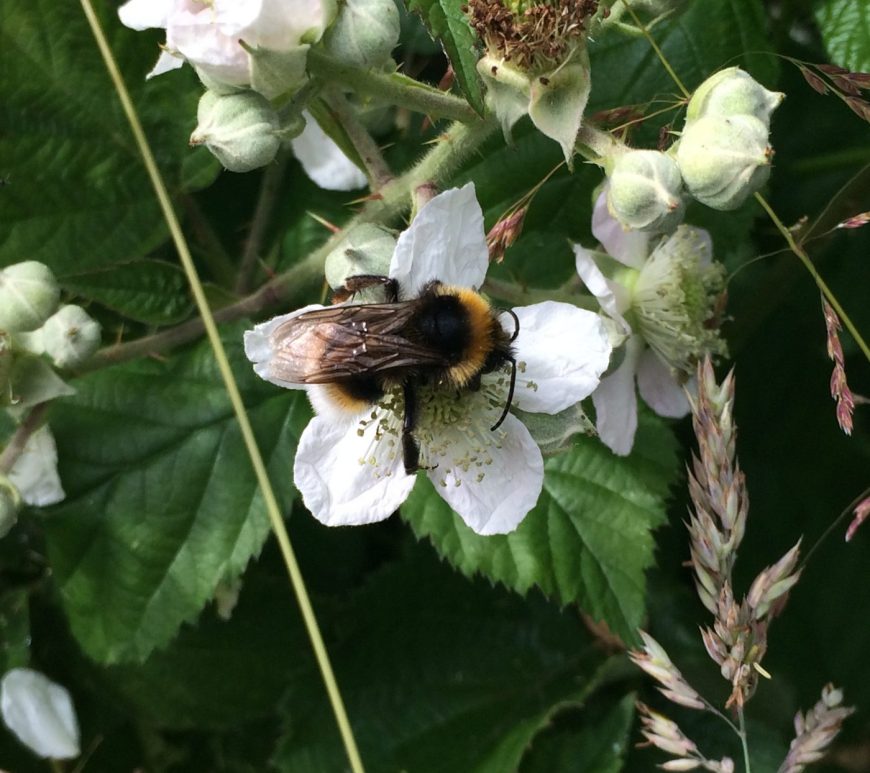
Bumblebees are among the best pollinators of any flower-visiting insects. This is for several reasons. Firstly, they are quite large and can fly long distances between flowers, transporting pollen. Secondly, they are covered with long hairs that help the bee to gather pollen but also transfer it from flower to flower. The third reason is because of a special buzzing technique the bees have (sometimes … Continue reading Early morning bumblebees
Changing environments and wading birds
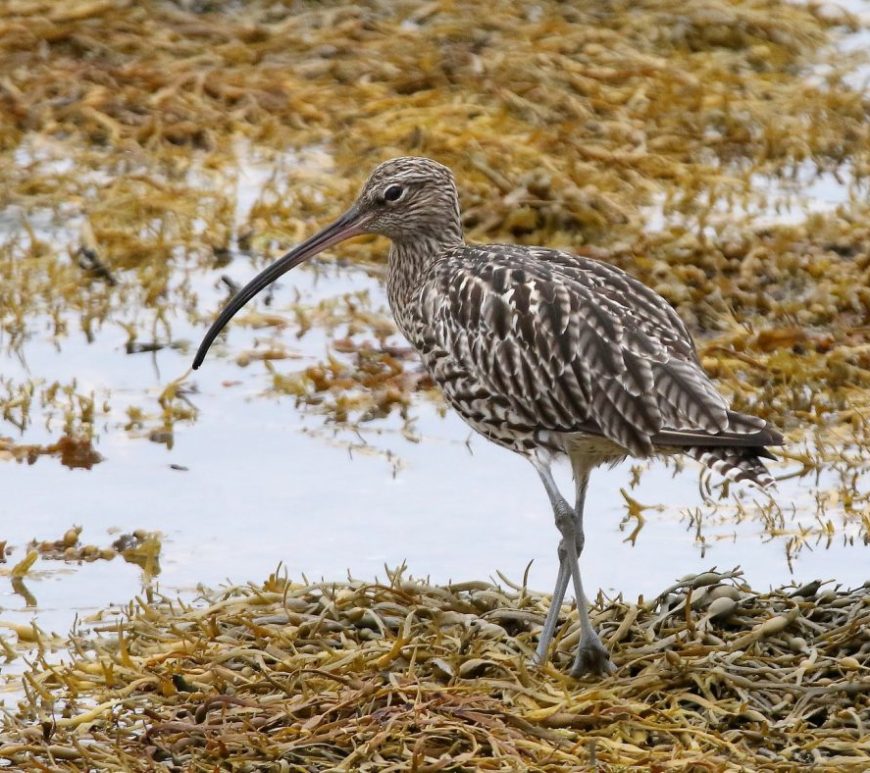
To celebrate International Women’s Day and Women’s History Month the Museum is sharing the stories of 27 inspirational women, alongside the animals they work with the most. Dr Sam Franks British Trust for Ornithology I didn’t discover a passion for studying birds until I was in my twenties. After a couple of ornithological fieldwork jobs, I undertook my PhD studying the migration patterns of western … Continue reading Changing environments and wading birds

Birds: Starlings
Academic in the Department of Zoology, and one of our visitor engagement volunteers in the Museum, Dr Tony Fulford writes: Pirates, pirates! Other garden birds take refuge when a gang of starlings descends. Gangling, long-legged, short-tailed and sharp-billed they strut about at twice the speed of other birds, dominating the bird feeders and forever squabbling. There has to be more to such a gregarious, lively, … Continue reading Birds: Starlings
Animal Alphabet: I is for Iguana and J is for Jerboa
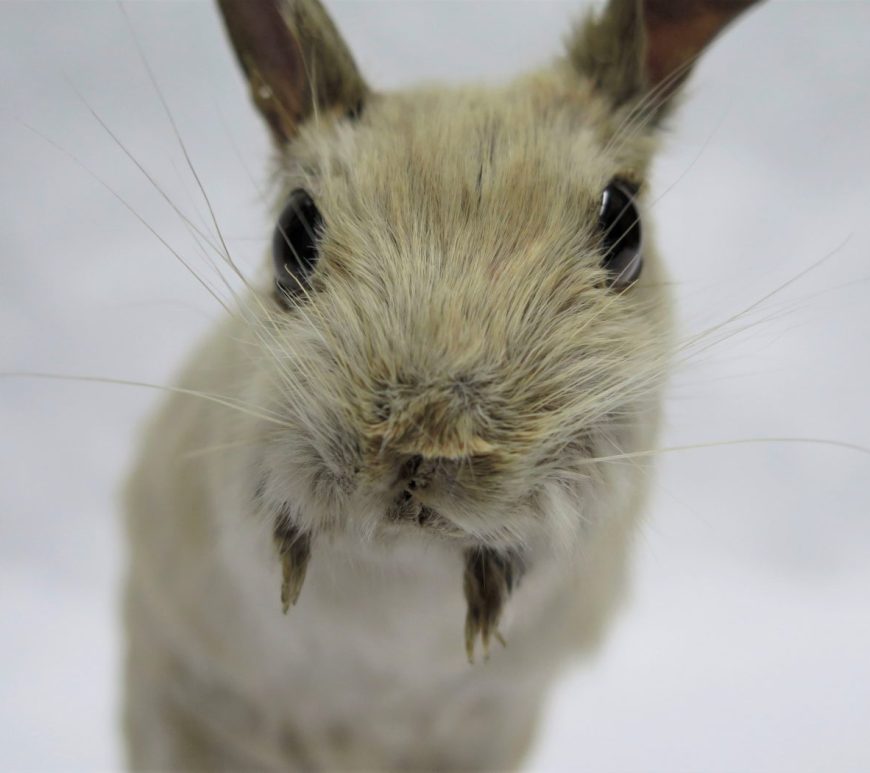
Join us every Tuesday as we make an alphabet from the animals in the Museum of Zoology. Today is the letters I and J: I is for iguana, ibis and ichthyosaur. J is for jerboa, jellyfish and john dory. Can you think of any others? There’s one you might be lucky enough to see outside your window. Join us next week for animals in the … Continue reading Animal Alphabet: I is for Iguana and J is for Jerboa

30 Days Wild Challenge
Kate Howlett, PhD student: Kate Howlett, PhD student at the University Museum of Zoology, talks about why she’ll be taking part in the Wildlife Trusts’ 30 Days Wild challenge. She’ll be doing one ‘random act of wildness’ each day this June and seeing what effects this has on her happiness and health. Click the button below to read her piece about why she’s never taken … Continue reading 30 Days Wild Challenge

An Insect A Day part 4
Scroll down for the latest images from the insect photo diary of Prof Bill Amos of the Department of Zoology. There are some beautiful metallic beetles this week – it just goes to show that there is beauty in the little things in life, so take a closer look next time you see a small insect on a plant. You can see more of Bill’s … Continue reading An Insect A Day part 4
 Museum of Zoology Blog