Climate responses in the absence of humans

To celebrate International Women’s Day and Women’s History Month the Museum is sharing the stories of 27 inspirational women, alongside the animals they work with the most. Dr Michela Leonardi Department of Zoology “If we want to improve conservation strategies in the face of the current climate emergency, we need to understand how climate influences animal  distribution in the absence of human activity. This is … Continue reading Climate responses in the absence of humans

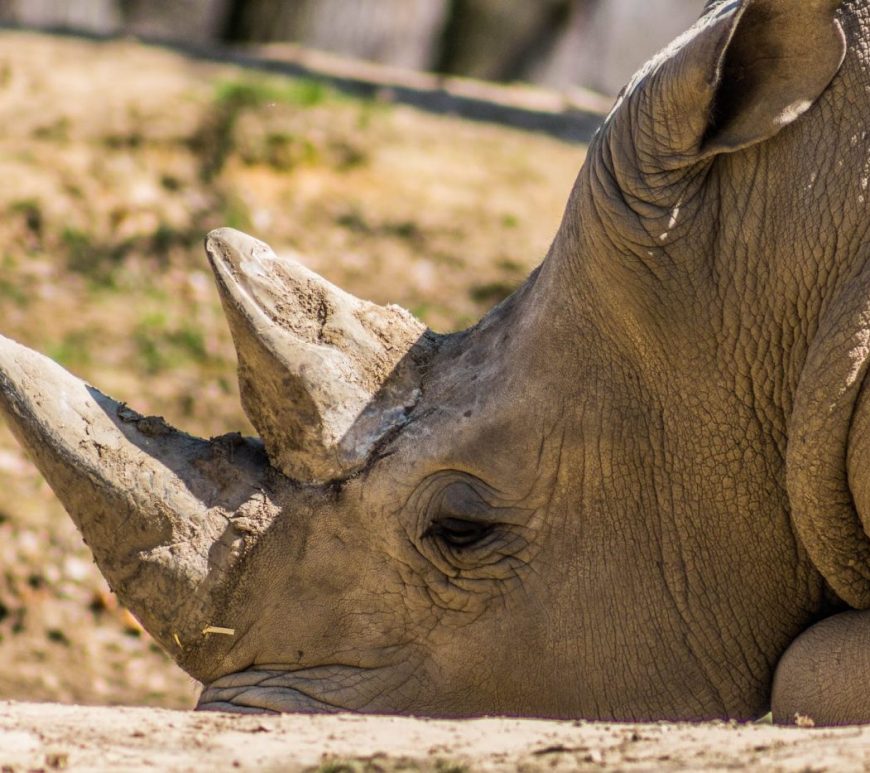
Rhino

Exploring gender in conservation

To celebrate International Women’s Day and Women’s History Month the Museum is sharing the stories of 27 inspirational women, alongside the animals they work with the most. Fleur Nash Department of Geography “For me, when I think of animals, I can’t separate them from humans. That is why I am researching conservation and how humans, in the form of international non-governmental organisations (INGOs), work within … Continue reading Exploring gender in conservation

Coral reef. Credit S Steele

Our Changing Reef Habitats

Just beneath the waves in shallow tropical seas you’ll find a world teeming with life. It’s here that we find coral reefs – colourful habitats where countless creatures live. This Nature Classroom will explore these fascinating ecosystems and how they are being affected by climate change. First we will uncover what corals are, then make a coral reef spinner to explore coral bleaching. We’ll then … Continue reading Our Changing Reef Habitats

Eudyptula minor, University Museum of Zoology collection, copyright University of Cambridge

Protecting penguins

To celebrate International Women’s Day and Women’s History Month the Museum is sharing the stories of 27 inspirational women, alongside the animals they work with the most. Dr Antje Steinfurth RSPB, Centre for Conservation Science “Penguins are one of the most iconic groups of animals, but over half of the world’s penguin species are under threat of extinction. My research has focused on understanding the … Continue reading Protecting penguins

Ana Carneiro looking at albatross

Tracking albatrosses

To celebrate International Women’s Day and Women’s History Month the Museum is sharing the stories of 27 inspirational women, alongside the animals they work with the most. Dr Ana Carneiro and Lizzie Pearmain BirdLife International “The population of wandering albatrosses at South Georgia has declined catastrophically since the 1960s. The major cause of their decline is the birds getting caught on or colliding with fishing … Continue reading Tracking albatrosses

Sticky post

Community Gallery

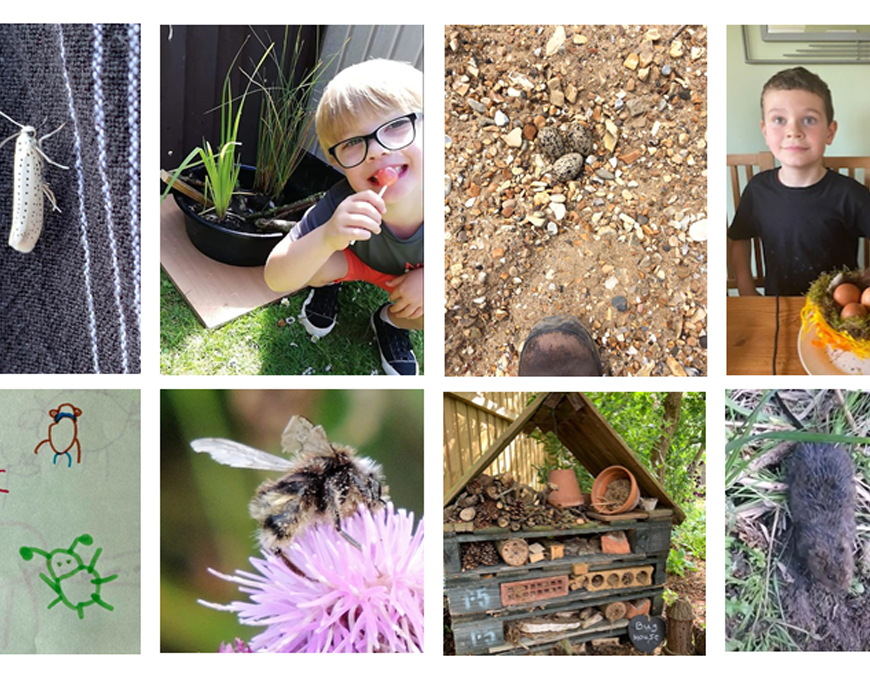
We’re noticing the wildlife around our homes, gardens and during our daily exercise more and more. As the seasons change there are many opportunities to see the creatures that live around us. This page is for our community and that includes you! We’ll be featuring your wildlife sightings, Crafty Creature makes and creations. Check back later for updates and see below for how you can … Continue reading Community Gallery

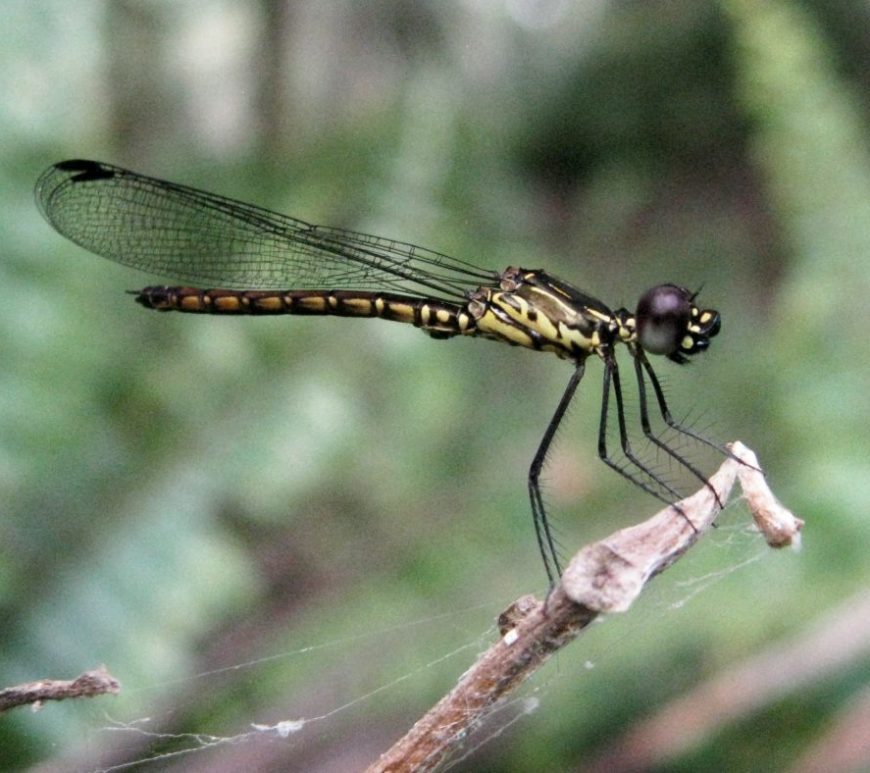
Dragonfly (BEFTA). Credit Ed Turner

A diversity of dragonflies in oil palm plantations

Sarah Luke Museum of Zoology, Insect Ecology Group New research from the Museum of Zoology and collaborators finds a diverse and variable dragonfly community in oil palm plantations in Sumatra, Indonesia. Across the globe, large areas of naturally forested habitats have been converted to agriculture to feed a growing world population. This conversion usually results in dramatic changes in the habitat, including losses of habitat … Continue reading A diversity of dragonflies in oil palm plantations

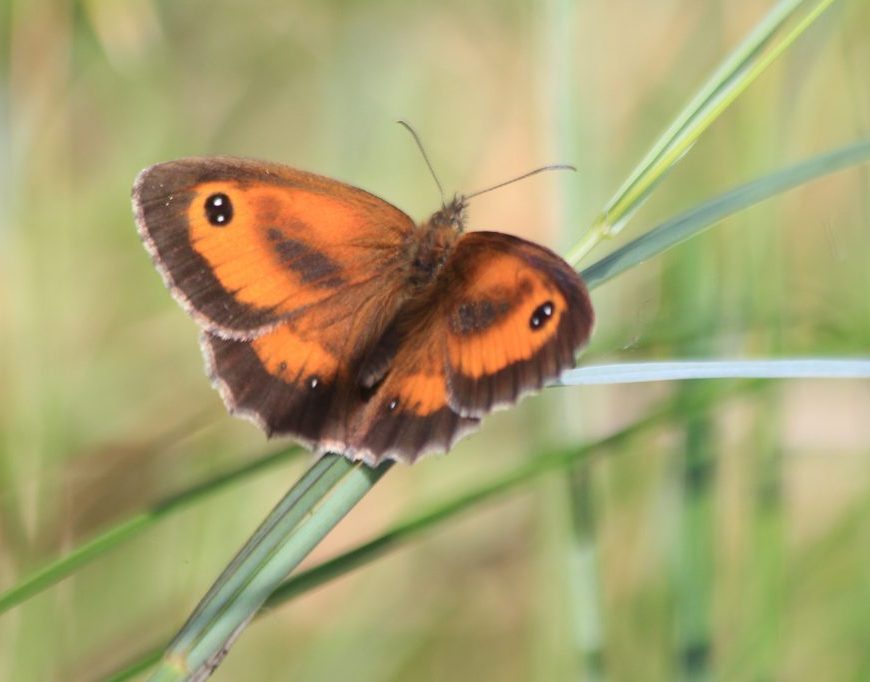
Gatekeeper, male. Credit Andrew Bladon

The ‘browns’: not so drab butterflies

Matt Hayes, Research Assistant writes: Whilst everyone is being asked to stay at home it’s important that we continue to look outside and engage with the natural world. To help with this, we are going to be blogging about wildlife you can see from your window or in your garden. This set of posts will look at different groups of common butterflies as well as … Continue reading The ‘browns’: not so drab butterflies

Boy looking through magnifyglass at camera

Teachers’ Newsletter

The Museum team are here to support #HomeSchooling and #LearningInLockdown during the lockdown period, and beyond. With online resources and ways to participate digitally, we are continuing our mission to inspire students to learn about, care for and discover the natural world. Stay up-to-date with our new resources, projects and learning offer by signing up to our teachers’ newsletter: The Museum of Zoology uses your personal information … Continue reading Teachers’ Newsletter

Climate Change: the board game

You are an animal species, living in the savannah. The world is divided in four habitats based on the average temperature and precipitation (rain and snowfall) in each area. There are hotter and colder regions around you, but you find the average temperature of the savannah very comfortable. The savannah is occupied by a number of different species (the other players), all adapted to this … Continue reading Climate Change: the board game

Lesser redpolls University Museum of Zoology collection ©University of Cambridge

Understanding bird populations in a changing world

To celebrate International Women’s Day and Women’s History Month the Museum is sharing the stories of 27 inspirational women, alongside the animals they work with the most. Eleanor Miller Department of Zoology “We live in an era of significant environmental and climatic change. To understand how species might cope with different climates in the future, it is important to explore how they responded to rapid … Continue reading Understanding bird populations in a changing world