Photograph of a starling coming in to feed at a bird feeder

Birds: Starlings

Academic in the Department of Zoology, and one of our visitor engagement volunteers in the Museum, Dr Tony Fulford writes: Pirates, pirates!  Other garden birds take refuge when a gang of starlings descends.  Gangling, long-legged, short-tailed and sharp-billed they strut about at twice the speed of other birds, dominating the bird feeders and forever squabbling.  There has to be more to such a gregarious, lively, … Continue reading Birds: Starlings

Animal Alphabet: I is for Iguana and J is for Jerboa

Join us every Tuesday as we make an alphabet from the animals in the Museum of Zoology. Today is the letters I and J: I is for iguana, ibis and ichthyosaur. J is for jerboa, jellyfish and john dory. Can you think of any others? There’s one you might be lucky enough to see outside your window. Join us next week for animals in the … Continue reading Animal Alphabet: I is for Iguana and J is for Jerboa

Weevil on hand. Credit S Steele

30 Days Wild Challenge

Kate Howlett, PhD student: Kate Howlett, PhD student at the University Museum of Zoology, talks about why she’ll be taking part in the Wildlife Trusts’ 30 Days Wild challenge. She’ll be doing one ‘random act of wildness’ each day this June and seeing what effects this has on her happiness and health. Click the button below to read her piece about why she’s never taken … Continue reading 30 Days Wild Challenge

Conifers, Mead's Plantation. Credit John Howlett

How can green space affect children’s wellbeing?

To celebrate International Women’s Day and Women’s History Month the Museum is sharing the stories of 27 inspirational women, alongside the animals they work with the most. Kate Howlett Museum of Zoology “I’m a PhD researcher in the Museum working on biodiversity within the green spaces in primary school grounds. I’m particularly interested in the diversity of insect and other invertebrate species because this is … Continue reading How can green space affect children’s wellbeing?

Kate climbing over a fallen tree

Why I’ll be taking part in the Wildlife Trusts’ 30 Days Wild this June

Kate Howlett, NERC-funded PhD student says: Have the lockdown restrictions been changing the way we interact with and value nature? It certainly feels that way at the moment: social media is filled with photos people have snapped on their daily walk, along with captions expressing gratitude for their local green patch; a new-found joy in bird watching or a rekindled appreciation for the beauty of … Continue reading Why I’ll be taking part in the Wildlife Trusts’ 30 Days Wild this June

Photograph of a hoverfly

Coming Soon: Zoology Live!

The Museum is currently closed, but the Museum team has been beavering away preparing something special: our annual Zoology Live festival has moved online. We will be having live online activities from Monday 22 June – Saturday 27 June, with opportunities for you to chat to our experts and find out about the wildlife on your doorstep. Keep an eye on the blog and our … Continue reading Coming Soon: Zoology Live!

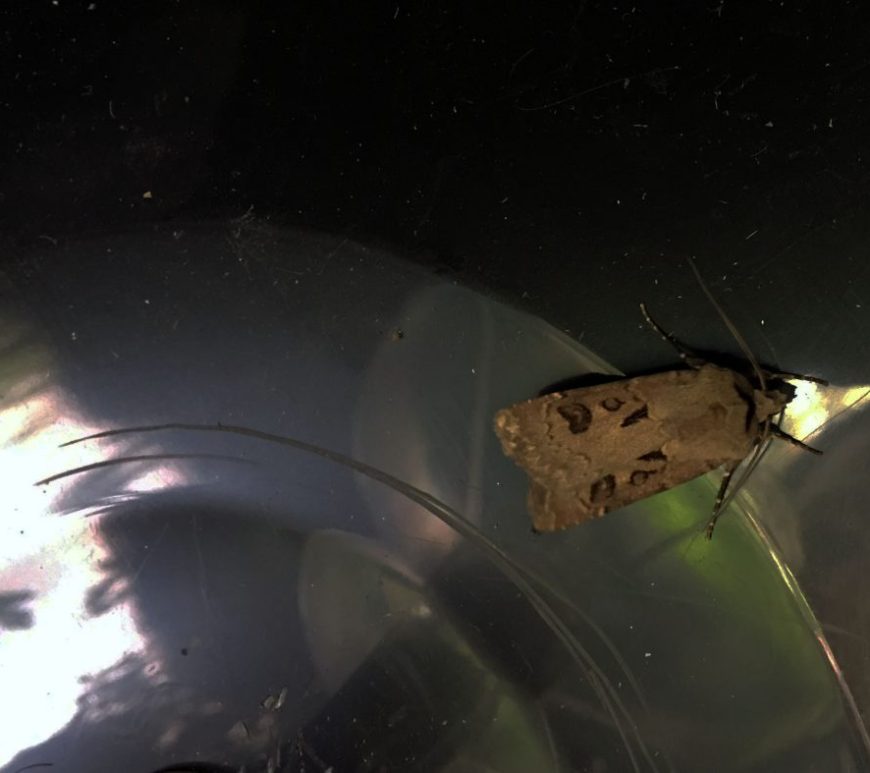
Heart and dart moth in trap

Build your own Moth Trap

Moths are a widespread and diverse group of insects, but they can often be overlooked. A large part of this is due to many species being active at night, meaning that people have fewer opportunities to interact with them. They also rely heavily on camouflage and have a reputation for being more ‘drab’ in colour than their day-flying butterfly relatives. However, there are many exceptions … Continue reading Build your own Moth Trap

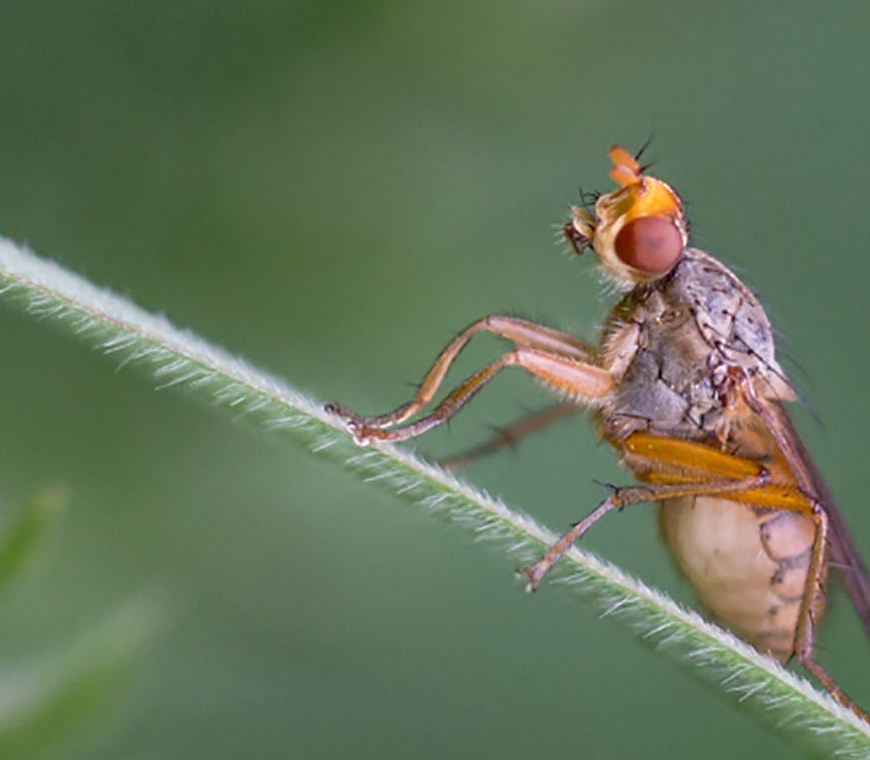
Fly. Image credit Geoff Oliver

True flies: communicating through vibration

To celebrate International Women’s Day and Women’s History Month the Museum is sharing the stories of 27 inspirational women, alongside the animals they work with the most. Dr Caroline Fabre Department of Zoology “Scientists study the courtship of true flies as it helps us understand how nerves and muscles in the body allow behaviours and communication between individuals. I discovered that flies communicate during courtship … Continue reading True flies: communicating through vibration

Puffin craft

Flying Puffin craft

Puffins are excellent seabirds, nesting on cliffs and making the most of the ocean by diving into the waves to catch fish in their brightly-coloured beaks. The birds will dig a nesting burrow into the soil if possible, or find a sheltered ledge on the cliff-face to safely lay their eggs. Puffins can be migratory, meaning that they travel to different locations depending on the … Continue reading Flying Puffin craft

Photograph of a southern hawker dragonfly

An Insect a Day part 3

The close-up photographs of insects from Prof Bill Amos of the Department of Zoology have given us a wonderful view we don’t usually see of the natural world. Scroll down for the latest batch from his insect photo diary. These beasties are beautiful with fascinating stories too – from wasp mimics to mayflies to an aphid giving birth on camera. Why not have a go … Continue reading An Insect a Day part 3

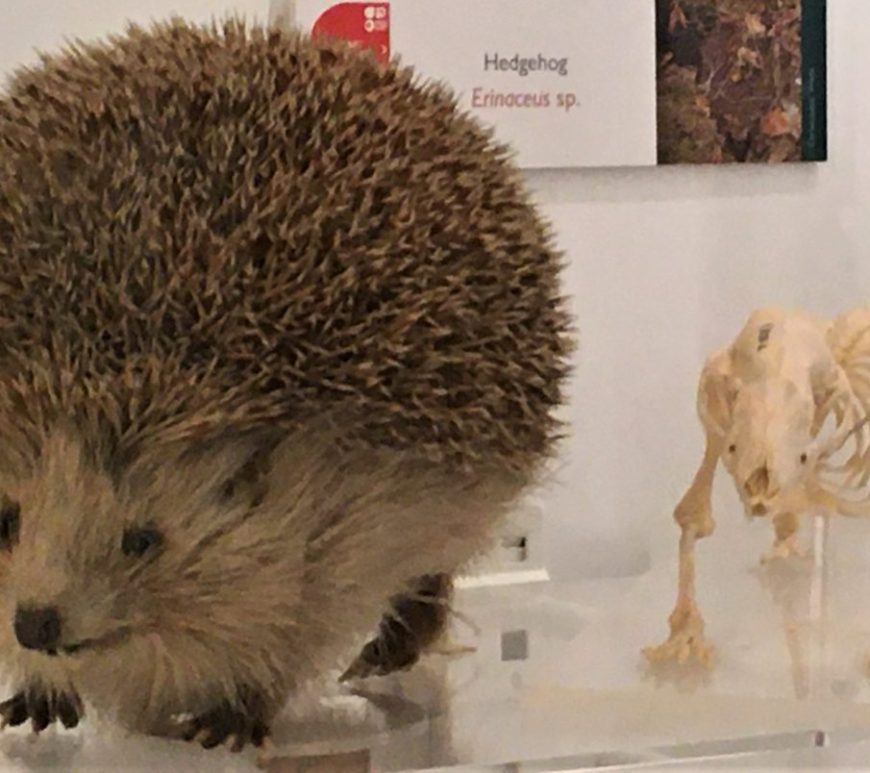
Photograph of a hedgehog skin and skeleton

Animal Alphabet: H is for Hedgehog

Join us every Tuesday as we make an alphabet from the animals in the Museum of Zoology. Today is the letter H: H is for hedgehog, hoopoe, hippopotamus, honeycreepers, hoatzin, horse and heron. Can you think of any others? Join us next week for animals in the Museum beginning with the letters I and J, including a fabulous fossil and a mammal that jumps… Continue reading Animal Alphabet: H is for Hedgehog