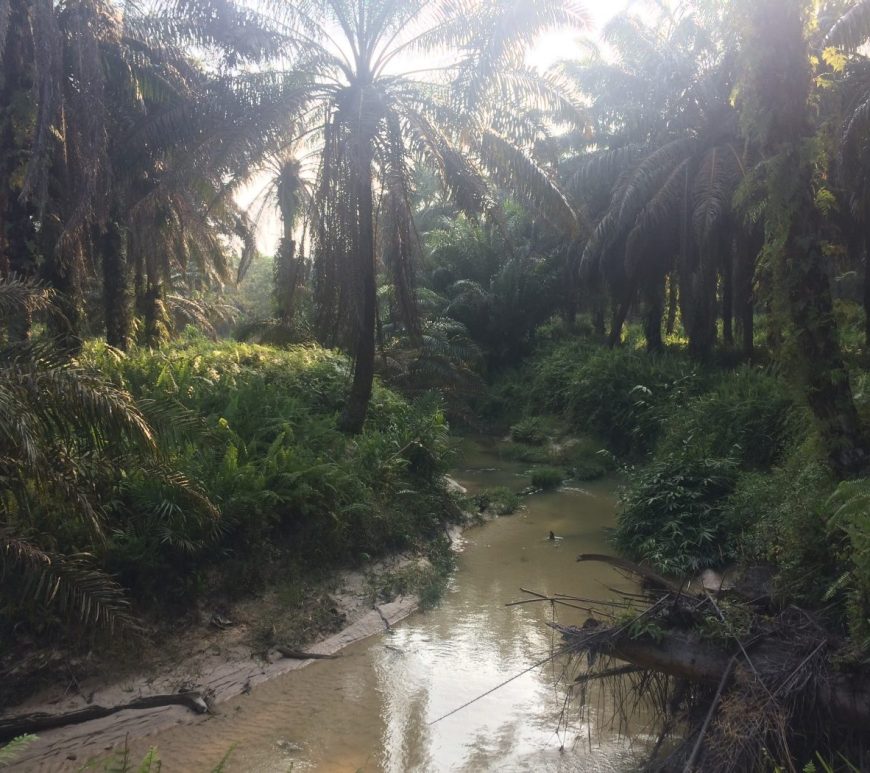
River running through oil palm

Restoring river borders for biodiversity

To celebrate International Women’s Day and Women’s History Month the Museum is sharing the stories of 27 inspirational women, alongside the animals they work with the most. Dr. Sarah Luke Department of Zoology “I am interested in the effects of habitat change on biodiversity, and development of possible strategies for conservation. My current work is based in oil palm plantations in Indonesia where we are … Continue reading Restoring river borders for biodiversity

By Bernard DUPONT from FRANCE - Fungus-growing Termites (Macrotermes carbonarius), CC BY-SA 2.0, https://commons.wikimedia.org/w/index.php?curid=40231177

Termite mound-mates create even more questions for scientists

To celebrate International Women’s Day and Women’s History Month the Museum is sharing the stories of 27 inspirational women, alongside the animals they work with the most. Dr Amelia Hood Department of Zoology “I’m an ecologist who loves social insects. For my PhD, I worked in oil palm plantations in Indonesia and studied ants and termites. There is one termite species, Macrotermes gilvus, that is … Continue reading Termite mound-mates create even more questions for scientists

Rodents: small, furry and in a hurry

Aime Rankin, PhD student writes: Anyone with a pet dog, cat or rabbit will know the joy that furry animals can bring. But did you know that there are little fluffy creatures all around us? Britain’s most numerous mammals are shy, very energetic and an important part of the ecosystem. I am of course, talking about rodents! While some rodents get a bad reputation as … Continue reading Rodents: small, furry and in a hurry

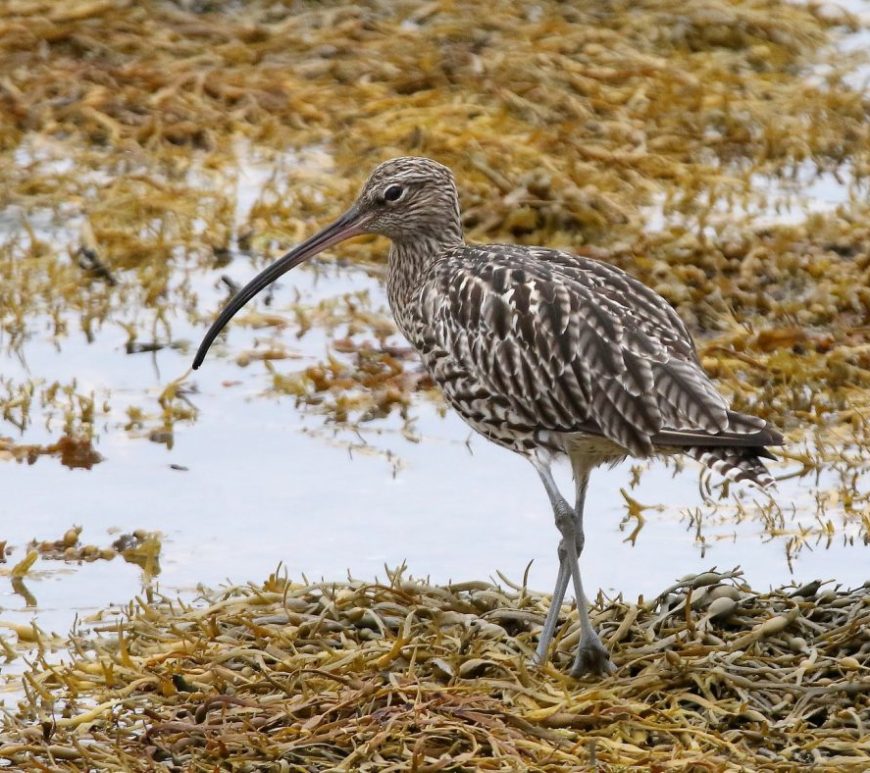
Curlew Copyright billywhiz07 on flickr

Changing environments and wading birds

To celebrate International Women’s Day and Women’s History Month the Museum is sharing the stories of 27 inspirational women, alongside the animals they work with the most. Dr Sam Franks British Trust for Ornithology I didn’t discover a passion for studying birds until I was in my twenties. After a couple of ornithological fieldwork jobs, I undertook my PhD studying the migration patterns of western … Continue reading Changing environments and wading birds

Conifers, Mead's Plantation. Credit John Howlett

How can green space affect children’s wellbeing?

To celebrate International Women’s Day and Women’s History Month the Museum is sharing the stories of 27 inspirational women, alongside the animals they work with the most. Kate Howlett Museum of Zoology “I’m a PhD researcher in the Museum working on biodiversity within the green spaces in primary school grounds. I’m particularly interested in the diversity of insect and other invertebrate species because this is … Continue reading How can green space affect children’s wellbeing?

Kate climbing over a fallen tree

Why I’ll be taking part in the Wildlife Trusts’ 30 Days Wild this June

Kate Howlett, NERC-funded PhD student says: Have the lockdown restrictions been changing the way we interact with and value nature? It certainly feels that way at the moment: social media is filled with photos people have snapped on their daily walk, along with captions expressing gratitude for their local green patch; a new-found joy in bird watching or a rekindled appreciation for the beauty of … Continue reading Why I’ll be taking part in the Wildlife Trusts’ 30 Days Wild this June

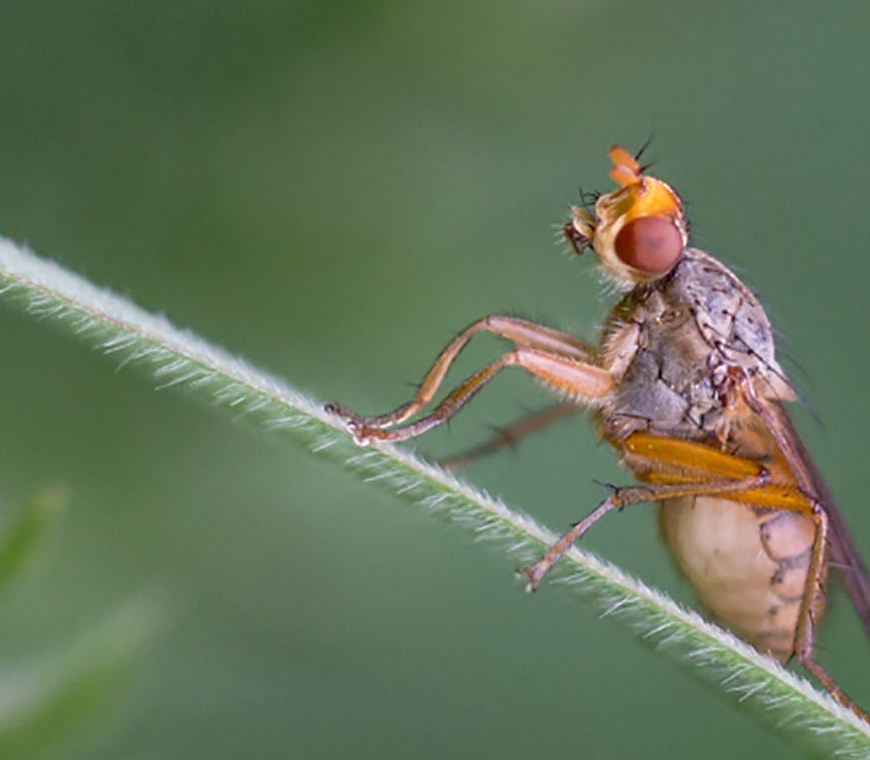
Fly. Image credit Geoff Oliver

True flies: communicating through vibration

To celebrate International Women’s Day and Women’s History Month the Museum is sharing the stories of 27 inspirational women, alongside the animals they work with the most. Dr Caroline Fabre Department of Zoology “Scientists study the courtship of true flies as it helps us understand how nerves and muscles in the body allow behaviours and communication between individuals. I discovered that flies communicate during courtship … Continue reading True flies: communicating through vibration

Goldfinch and great tit on feeder. Image credit John Howlett

The value of gardens for birds

To celebrate International Women’s Day and Women’s History Month the Museum is sharing the stories of 27 inspirational women, alongside the animals they work with the most. Kate Risely British Trust for Ornithology “My work is in monitoring garden wildlife. I’m particularly interested in how birds use the resources in green spaces in our towns and cities, and the benefits to human wellbeing from everyday … Continue reading The value of gardens for birds

Whale tail

The impact of stories on wildlife conservation

To celebrate International Women’s Day and Women’s History Month the Museum is sharing the stories of 27 inspirational women, alongside the animals they work with the most. Anna Guasco Department of Geography “I’m a first-year Geography PhD student studying histories and narratives of grey whales along the North American Pacific Coast. I’m fascinated by the varieties of relationships between people and grey whales, the stories … Continue reading The impact of stories on wildlife conservation

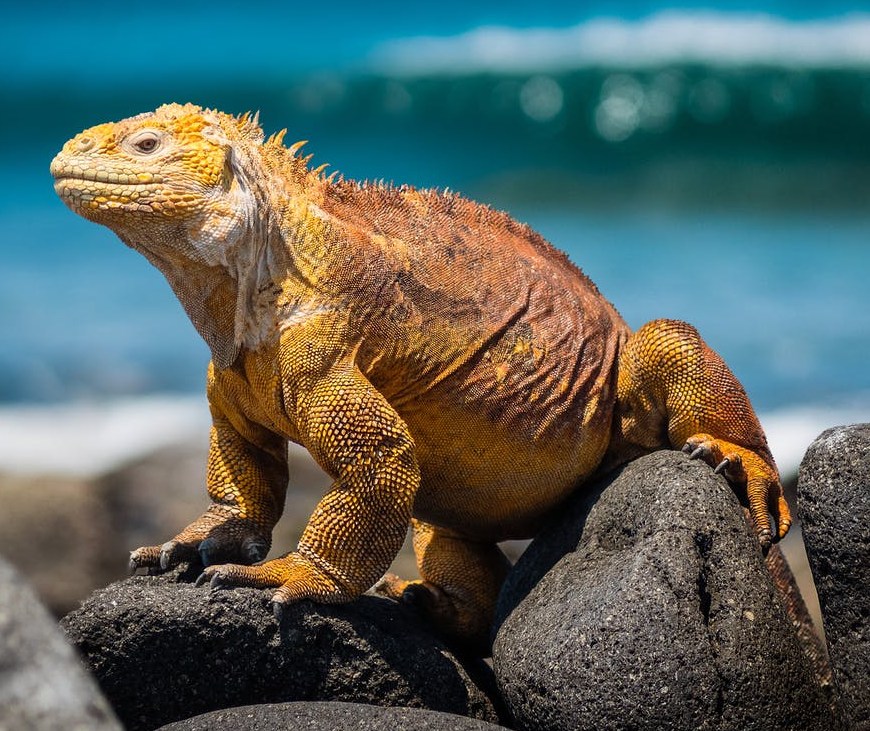
Urbanisation on the Galápagos Islands

To celebrate International Women’s Day and Women’s History Month the Museum is sharing the stories of 27 inspirational women, alongside the animals they work with the most. Dr Kiyoko Gotanda Department of Zoology “My research centres on how animals are adapting to human influences such as urbanisation. Permanent human populations now live on four of the Galápagos Islands. For animals, urbanisation drastically changes the environment … Continue reading Urbanisation on the Galápagos Islands

Climate responses in the absence of humans

To celebrate International Women’s Day and Women’s History Month the Museum is sharing the stories of 27 inspirational women, alongside the animals they work with the most. Dr Michela Leonardi Department of Zoology “If we want to improve conservation strategies in the face of the current climate emergency, we need to understand how climate influences animal  distribution in the absence of human activity. This is … Continue reading Climate responses in the absence of humans

Common lizard. Image credit John Howlett

Sunshine and Scales: British Reptiles

Alex Howard, PhD Student, writes: While our trademark rainy and cold weather are not always the most conducive to ‘herping’ (going outside to look for reptiles), the UK is in fact home to six different species of reptile. If you’re going on walks early in the morning, you may spot some of our native scaly friends. You’ll be lucky to see them, as all of … Continue reading Sunshine and Scales: British Reptiles

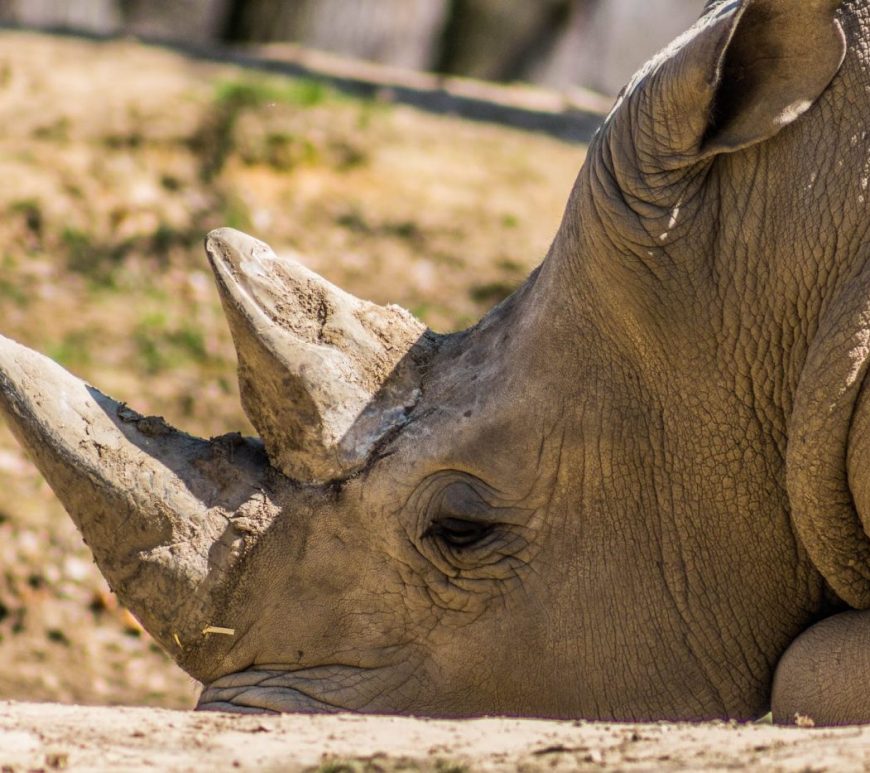
Rhino

Exploring gender in conservation

To celebrate International Women’s Day and Women’s History Month the Museum is sharing the stories of 27 inspirational women, alongside the animals they work with the most. Fleur Nash Department of Geography “For me, when I think of animals, I can’t separate them from humans. That is why I am researching conservation and how humans, in the form of international non-governmental organisations (INGOs), work within … Continue reading Exploring gender in conservation

Eudyptula minor, University Museum of Zoology collection, copyright University of Cambridge

Protecting penguins

To celebrate International Women’s Day and Women’s History Month the Museum is sharing the stories of 27 inspirational women, alongside the animals they work with the most. Dr Antje Steinfurth RSPB, Centre for Conservation Science “Penguins are one of the most iconic groups of animals, but over half of the world’s penguin species are under threat of extinction. My research has focused on understanding the … Continue reading Protecting penguins

Ana Carneiro looking at albatross

Tracking albatrosses

To celebrate International Women’s Day and Women’s History Month the Museum is sharing the stories of 27 inspirational women, alongside the animals they work with the most. Dr Ana Carneiro and Lizzie Pearmain BirdLife International “The population of wandering albatrosses at South Georgia has declined catastrophically since the 1960s. The major cause of their decline is the birds getting caught on or colliding with fishing … Continue reading Tracking albatrosses