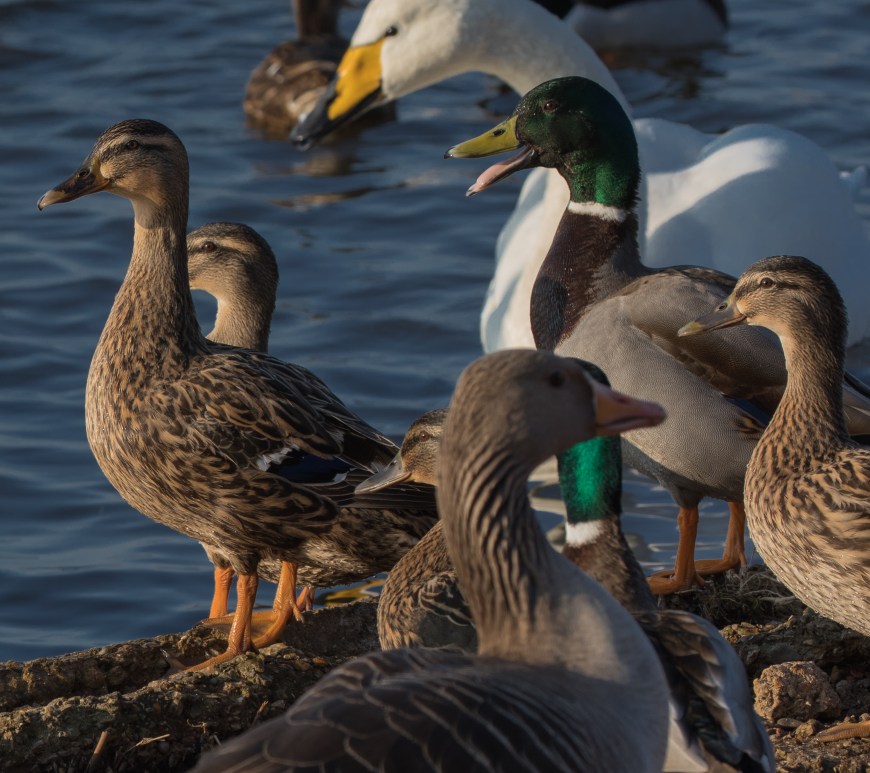
Group of mallards and swans

Bird Palates and Feeding

Dr Olivia Plateau, Department of Earth Sciences, writes: Birds, the only surviving branch of the theropod dinosaurs, are one of the most species-rich extant vertebrate groups with more than 11,000 species. They show great diversity in terms of size, colour, shape and ecology, occupying almost all habitats on the surface of the Earth. I am an evolutionary biologist, and I am particularly interested in the … Continue reading Bird Palates and Feeding

Butterfly Banks and the Public

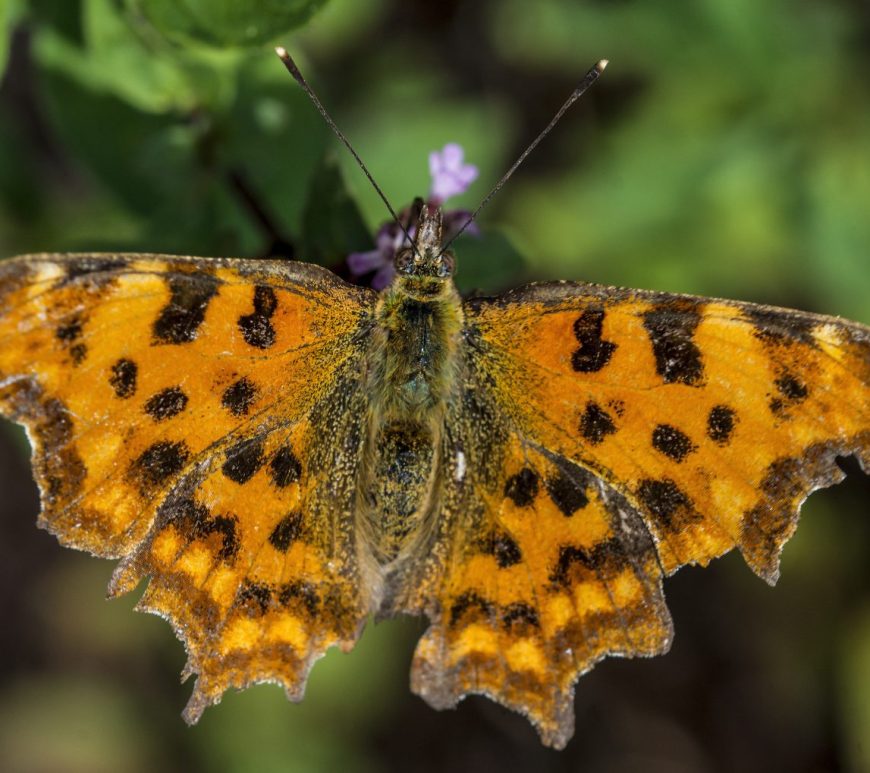
Rosalind Mackay, Museum of Zoology, writes: I am currently studying for a master’s in the Department of Zoology here at the University of Cambridge. My project is about insect conservation and public engagement. These two seemingly disparate aspects are connected by the intervention we’re trialling. Prof Ed Turner, my supervisor, has been collaborating with the Wildlife Trust for Bedfordshire, Cambridgeshire and Northamptonshire for several years … Continue reading Butterfly Banks and the Public

Landscape in Utah, with bare rocks and hills under a blue sky

Imaging Dinosaurs

Annabel Hunt, Department of Earth Sciences, writes: I study dinosaur skull anatomy for my PhD research at the University of Cambridge. I am a member of the Field Palaeobiology Research Group and I am supervised by Professor Daniel Field and co-supervised by Professor Steve Brusatte. Prior to starting my PhD here in Cambridge, I studied a four-year Integrated Master’s degree in Earth Sciences at the … Continue reading Imaging Dinosaurs

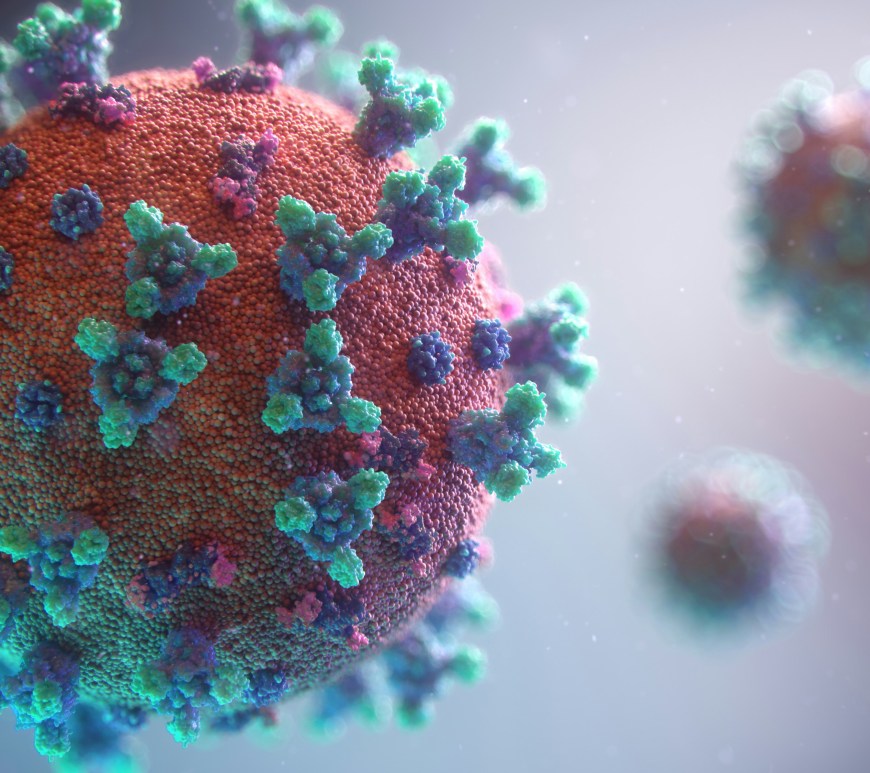
coloured image of covid virus particles

Mapping Viruses

Antonia Netzl, Department of Zoology, writes: I research vaccination strategies against SARS-CoV-2, the causative agent of COVID-19. SARS-CoV-2 is a virus that evolves, which means that it changes over time. These changes lead to its escape from immunity that was generated against a previous strain – the evolved strain is too different to be recognized by our immune system.  To keep up with virus evolution … Continue reading Mapping Viruses

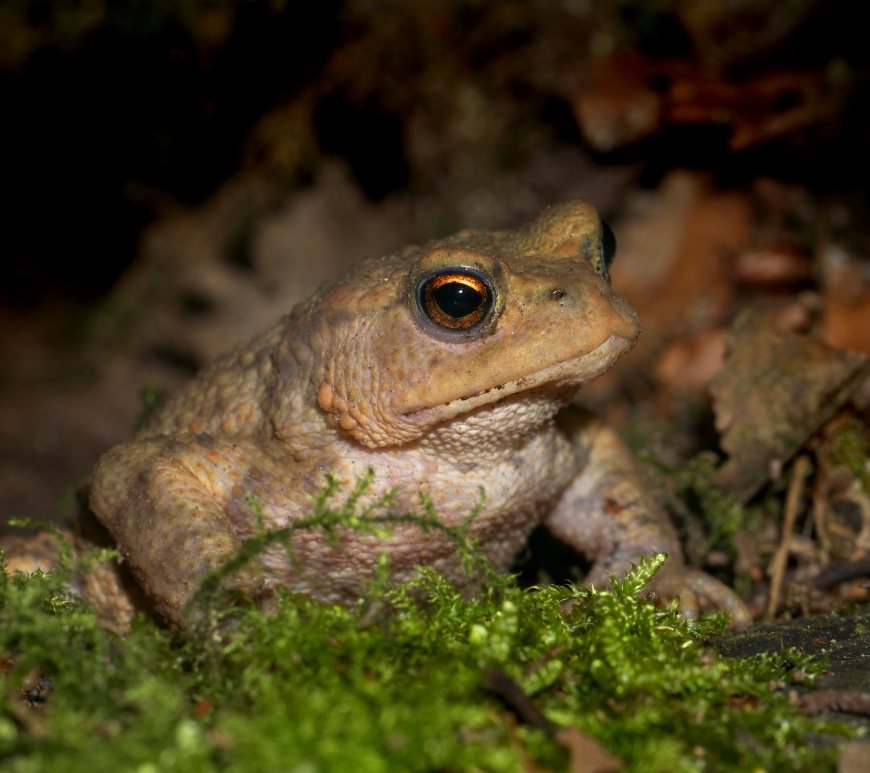
Image of a toad in the undergrowth at night

Conservation Evidence – supporting practitioners to do more of what works and less of what doesn’t

Dr Rebecca Smith, Conservation Evidence Manager, writes: Does helping toads across roads actually help increase their populations, or using different coloured tree guards improve the survival of newly planted trees? Conservation actions are often not as good as they need to be to protect and restore species and habitats because information about which actions work (or don’t) is not used by those deciding what to … Continue reading Conservation Evidence – supporting practitioners to do more of what works and less of what doesn’t

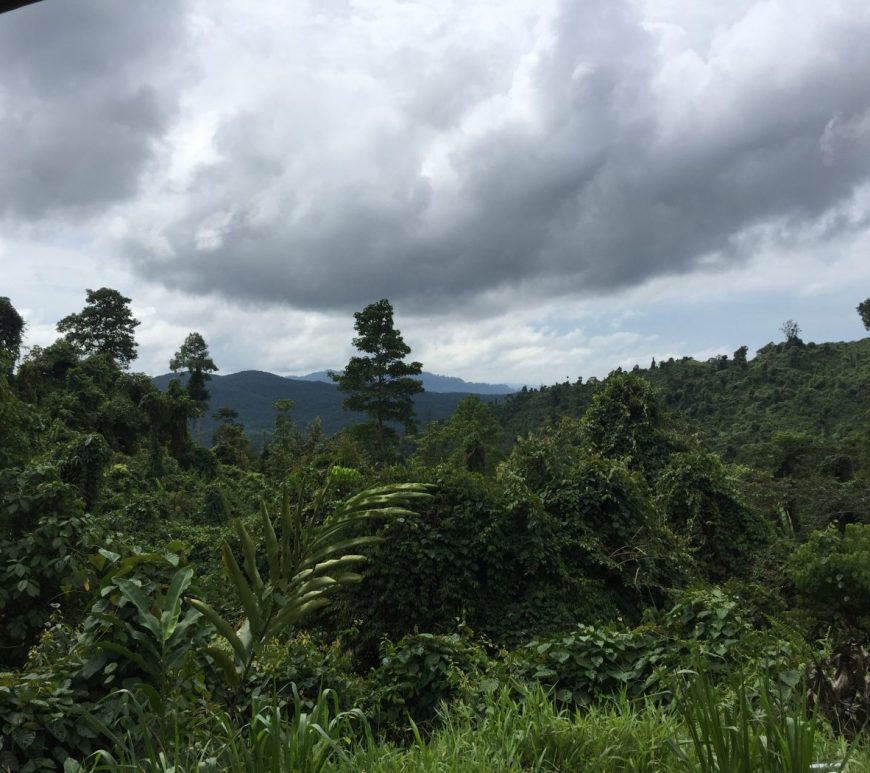
Image of a tropical rainforest with swamp water around the base of the trees

Balancing Agriculture and Conservation: A Journey in Restoration Ecology

Sacchi Shin-Clayton, Museum of Zoology, writes: When we think about conservation, our minds often go to preserving untouched natural forests. While this is undeniably important, we sometimes overlook the pressing need to restore the landscapes we’ve already transformed through human activity. Agriculture, for instance, is one of the biggest drivers of landscape change worldwide, and with the ever-growing demand for food, it’s only intensifying. The … Continue reading Balancing Agriculture and Conservation: A Journey in Restoration Ecology

Altered forest landscape (c) S Steele

Making palm oil sustainable

Dr Becky Heath, Museum of Zoology, writes: In my research, I explore how tropical agriculture can benefit both people and the environment. I focus on oil palm plantations—one of the most important crops in Southeast Asia and a vital source of income for millions of people. My work is all about finding ways to make these landscapes more sustainable without compromising the livelihoods of the … Continue reading Making palm oil sustainable

Group of young weomen studying using microscopes

International Women’s Day

International Women’s Day Exhibition: Meet the Scientists Opening on March 8th will be a special exhibition in the Museum galleries. Explore the Museum and find new labels written by some of the fantastic female scientists in and around the Department of Zoology. Find out about what they study and how, and be inspired by their work. This exhibition will run until the summer. Upper Gallery … Continue reading International Women’s Day

Logo saying Tangled Planet in green intertwined with vines and flowers

Tangled Planet

An exhibition by Cambridge Future Museum Voices Explore the Tangled Planet temporary exhibition at the Museum of Zoology with extended information and images. This exhibition was co-curated with a group of Year 12 students from schools and colleges across the UK. The title, content and text all came from them, created during a week-long residential at Clare College and the Museum of Zoology in April … Continue reading Tangled Planet

International Women's Day title screen with images of female scientists

Celebrating Women in Science

For International Women’s Day 2022, the Museum of Zoology hosted a special online event featuring four brilliant female scientists based in the Department of Zoology talking about their research and inspiration, all on a theme of animal evolution. Here you can find the recording of this event: This event was run on Zoom on Tuesday 8 March 2022. Here is a running order of the … Continue reading Celebrating Women in Science

Giraffes: celebrating LGBTQ+ history month

February is LGBTQ+ History Month and to celebrate the Museum of Zoology is sharing the story of giraffes and the work of scientist Anne Innis Dagg. Read on for our tutorial on how to create your own rainbow giraffe fabric, perfect for your next sewing project! When we see wild animals behaving in a particular way, one of the first things we ask is ‘why?’. … Continue reading Giraffes: celebrating LGBTQ+ history month

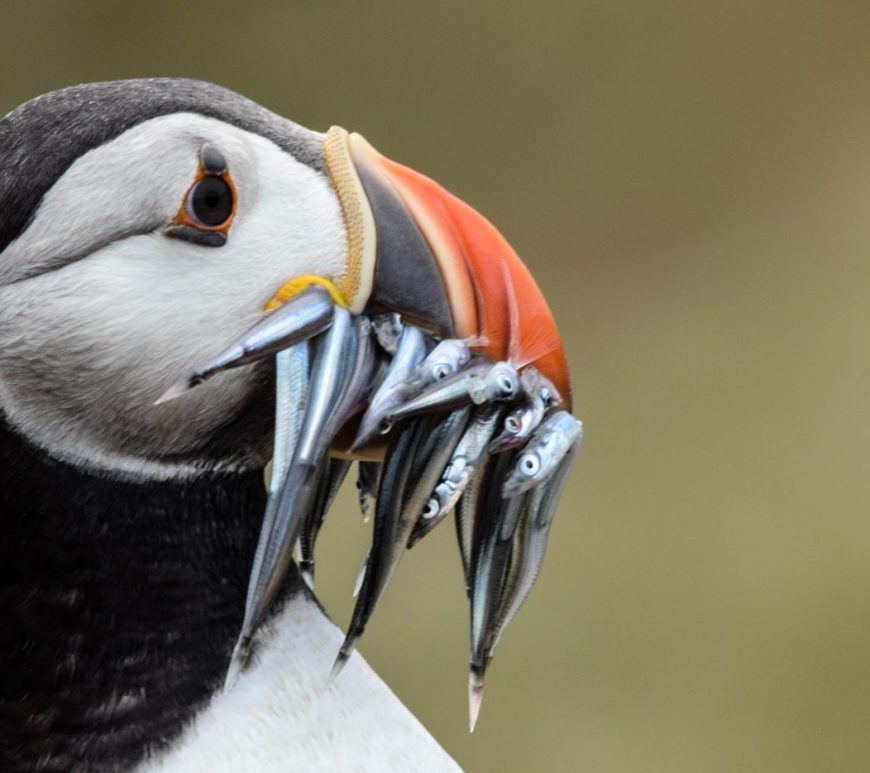
Atlantic puffin with beak full of sand eels

How to Study: Seabirds

In this blog series for National Marine Week, Geography PhD Student Anna Guasco describes the many ways Cambridge postgraduate researchers study life in the ocean. Here she interviews: Lily Bentley: Seabird Movement Ecology Lily Bentley is PhD Student in the Department of Zoology. She is from Australia. “We can’t hope to conserve or manage populations of animals that travel vast distances unless we know where … Continue reading How to Study: Seabirds

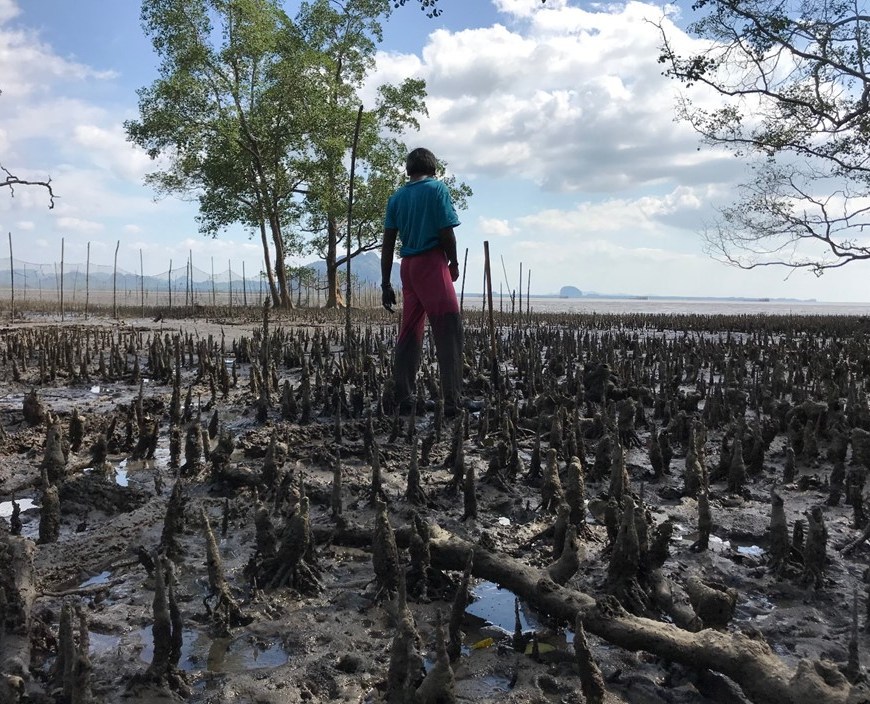
Aerial roots of mangrove trees

How to Study: Coastal Ecosystems and Conservation

In this blog series for National Marine Week, Geography PhD Student Anna Guasco describes the many ways Cambridge postgraduate researchers study life in the ocean. Here she interviews: Frédérique Fardin: Mangroves, Fisheries, and Conservation Frédérique is a PhD student with the Department of Geography and the UN Environment World Conservation Monitoring Centre. She is an affiliated researcher with the Nippon Foundation Nereus Program and a … Continue reading How to Study: Coastal Ecosystems and Conservation

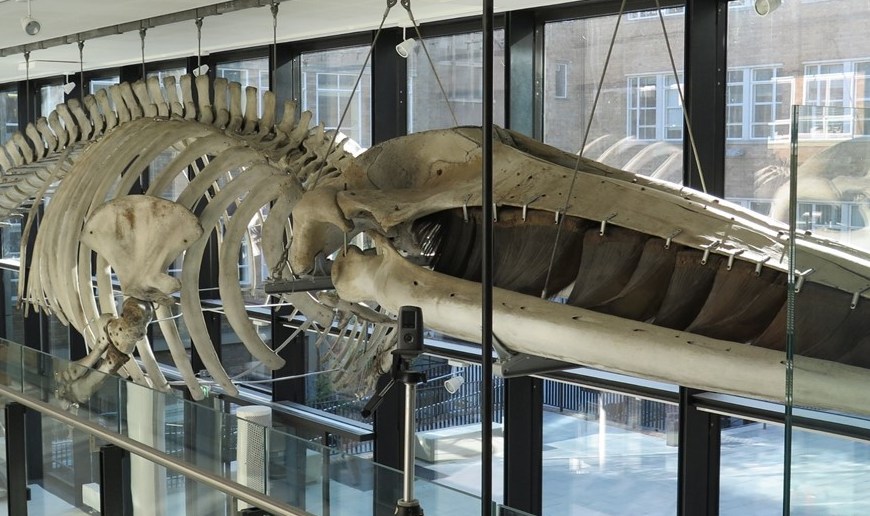
Win whale skeleton at the Museum of Zoology

How to Study Marine Life in the World’s Changing Seas

In this blog series for National Marine Week, Geography PhD Student Anna Guasco describes the many ways Cambridge postgraduate researchers study life in the ocean: Cambridge isn’t exactly known for marine life. Instead, when thinking of Cambridge, you might picture cows grazing in Midsummer Common or along the River Cam. Pathways winding along the Backs of the old Colleges. Weeping willows and wildflowers. Swans and … Continue reading How to Study Marine Life in the World’s Changing Seas

Title slide for Inspiring Conservation for International Women's Day 2021

Inspiring Conservation for International Women’s Day 2021

The past twelve months have changed the world, but there are reasons for optimism in nature. On Monday 8 March 2021, the Museum in collaboration with the CCF Women in Conservation Leadership network hosted an online event celebrating inspiring work by women in conservation. A panel of amazing women talked of their experiences engaging with young people and communities in conservation projects around the world:Abhisheka … Continue reading Inspiring Conservation for International Women’s Day 2021