Image of a tropical rainforest with swamp water around the base of the trees

Balancing Agriculture and Conservation: A Journey in Restoration Ecology

Sacchi Shin-Clayton, Museum of Zoology, writes: When we think about conservation, our minds often go to preserving untouched natural forests. While this is undeniably important, we sometimes overlook the pressing need to restore the landscapes we’ve already transformed through human activity. Agriculture, for instance, is one of the biggest drivers of landscape change worldwide, and with the ever-growing demand for food, it’s only intensifying. The … Continue reading Balancing Agriculture and Conservation: A Journey in Restoration Ecology

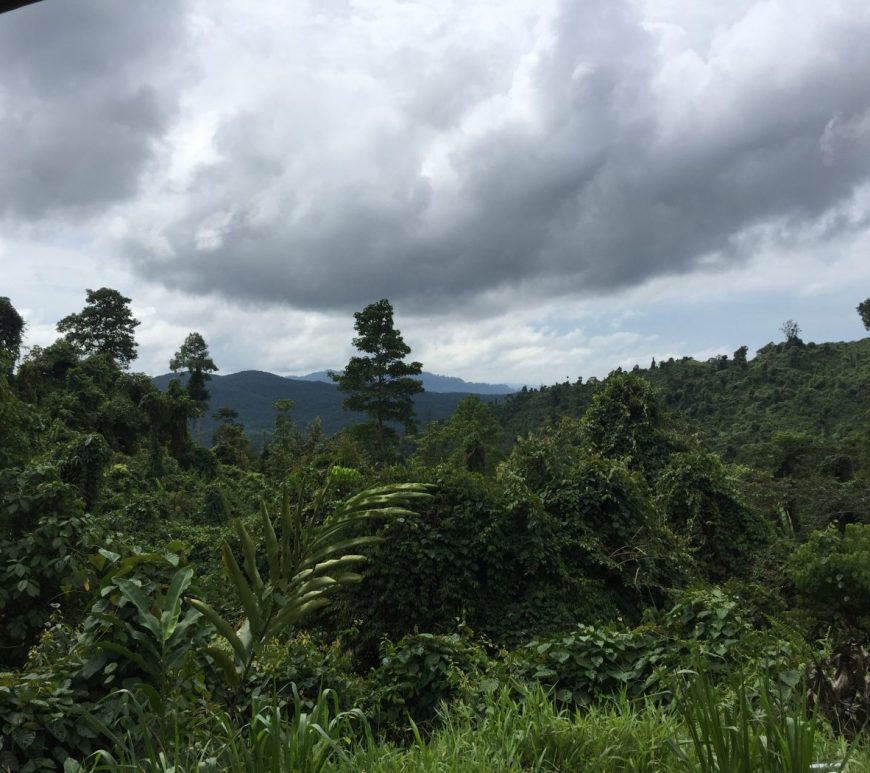
Altered forest landscape (c) S Steele

Making palm oil sustainable

Dr Becky Heath, Museum of Zoology, writes: In my research, I explore how tropical agriculture can benefit both people and the environment. I focus on oil palm plantations—one of the most important crops in Southeast Asia and a vital source of income for millions of people. My work is all about finding ways to make these landscapes more sustainable without compromising the livelihoods of the … Continue reading Making palm oil sustainable

Reed warbler in long grasses

Zoology Live! 2022

It is that time of year again – time for us to celebrate our Zoology Live! festival at the Museum of Zoology. We have an exciting line up of livestreams and activities, culminating in the BioBlitz at the Cambridge University Botanic Garden, where you can put what you have learnt about local wildlife to the test. Our Zoology Live! YouTube livestreams are taking place on … Continue reading Zoology Live! 2022

Complete tapir craft on cork board background

World Tapir Day: ‘Pin the Nose’ game

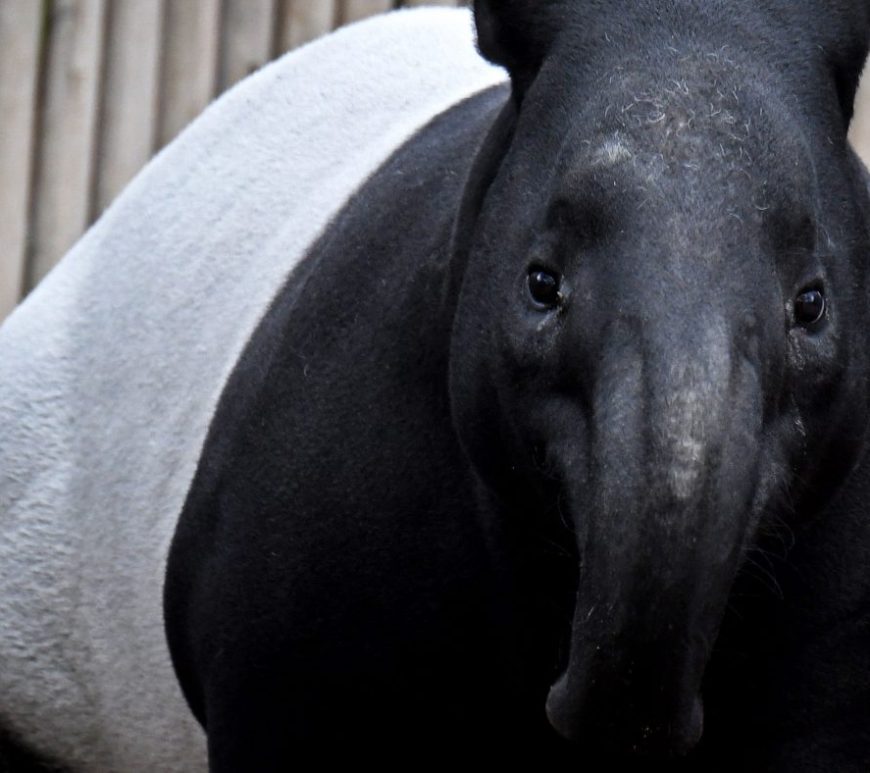
Today (April 27) is World Tapir Day, a day to celebrate these wonderous animals and learn a little about why we should be protecting them. What is a tapir? Tapir’s are large, herbivorous mammals that live in rainforests, grasslands, swamps and cloud forests. There are four modern species of tapir. The mountain tapir, Brazilian tapir and Baird’s tapir of South America, and the Malayan tapir … Continue reading World Tapir Day: ‘Pin the Nose’ game

Paper okapi

Okapi? Okapi!

The okapi is the only living relative of giraffes and looking closer you can see the similarities. It has camouflaging body patterns, large ears and the males have stout horns above the eyes (ossicones). They even have a similar long, prehensile (meaning that it can grasp things) tongue, just like a giraffe. This helps them to quickly strip leaves from tree branches. They are however, … Continue reading Okapi? Okapi!