




12 Days of Winter Wildlife: Healthy Habitats
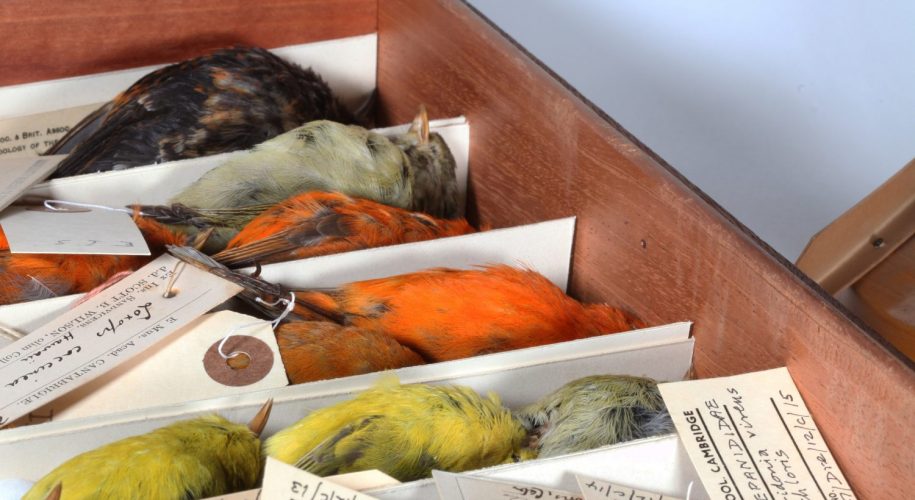
For day eight of our 12 days of winter wildlife, we are exploring healthy habitats. Cambridge University Botanic Garden works hard to be a wildlife haven in central Cambridge. Follow our virtual tour of some of the winter wildlife it supports: In today’s blogpost we will be uncovering some of the unsung heroes that keep our habitats healthy. Winter Wildlife: Earthworms Join Dr Ed Turner … Continue reading 12 Days of Winter Wildlife: Healthy Habitats


12 Days of Winter Wildlife: Winter Visitors
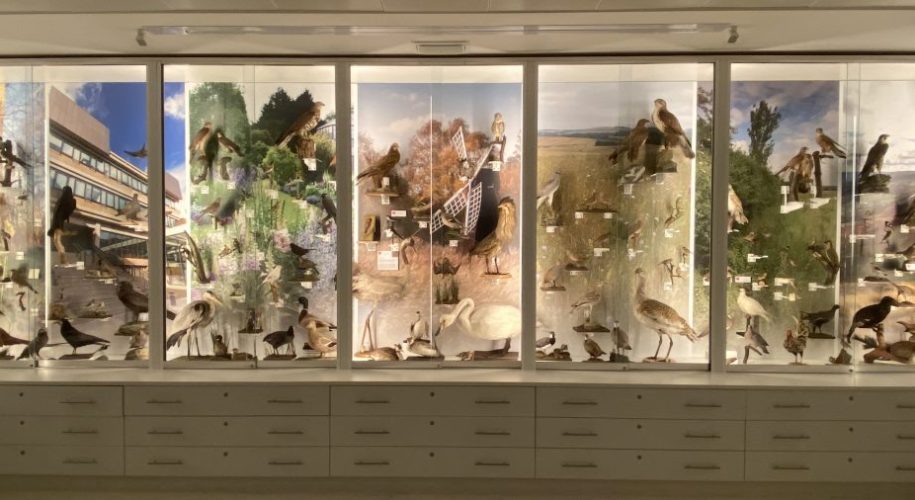
You may think it gets pretty chilly here in the UK over winter, but for some animals it is a refuge from the more extreme cold further north. For day seven of our 12 days of winter wildlife, we will be exploring these winter visitors. Go on a virtual tour of the Museum’s British Bird displays and see some of the species that visit our … Continue reading 12 Days of Winter Wildlife: Winter Visitors
12 Days of Winter Wildlife: Winter Mammals
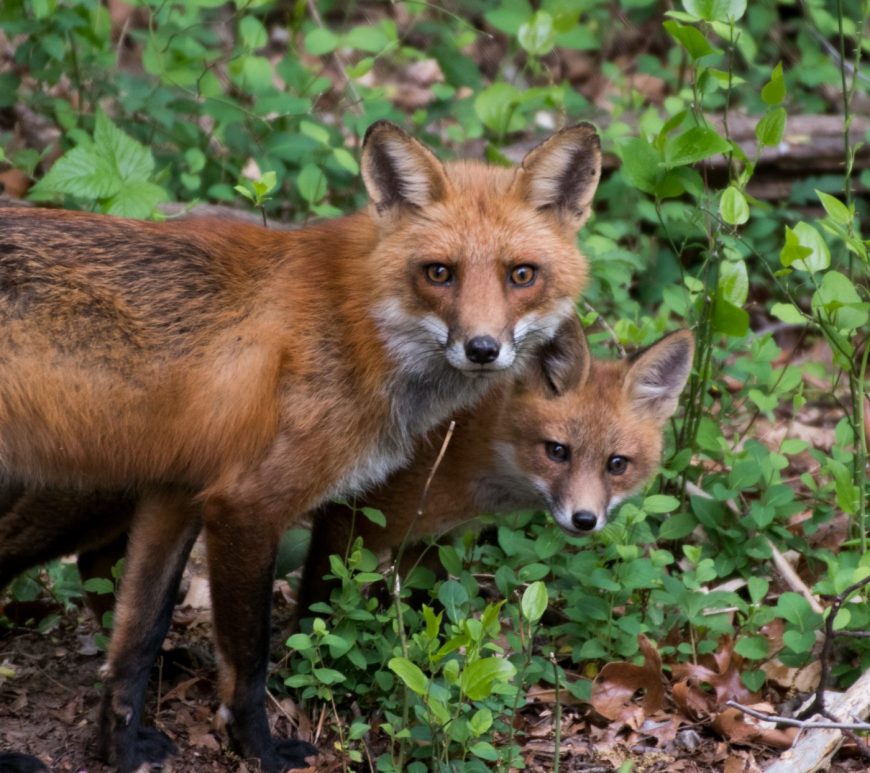
For day six of our 12 Days of Winter Wildlife we are celebrating the world of winter mammals, particularly focusing on those that might be out and about during the colder months of the year. One mammal that is doing pretty well in towns and cities as well as the countryside in the UK is the red fox. We are lucky enough to have a … Continue reading 12 Days of Winter Wildlife: Winter Mammals

12 Days of Winter Wildlife: Hibernation
Here we are on day five, and if you feel like sleeping through the winter months, you are not the only ones. Many animals lower their activity or even fully hibernate over winter. You may know of hedgehogs, dormice and bats doing this, but did you know that there are insects that hibernate too? You can help hibernating wildlife through the winter. Follow the Butterfly … Continue reading 12 Days of Winter Wildlife: Hibernation

12 Days of Winter Wildlife: Life Underground
Above the ground you may be seeing bare branches and fewer flowers, but beneath the ground there is still a lot of activity, particularly in compost heaps. This is the theme for day four of our 12 Days of Winter Wildlife. Here are top tips for creating a compost heap, and how to search for the animals living there, with Dr Ed Turner, Curator of … Continue reading 12 Days of Winter Wildlife: Life Underground
12 Days of Winter Wildlife: Active Insects
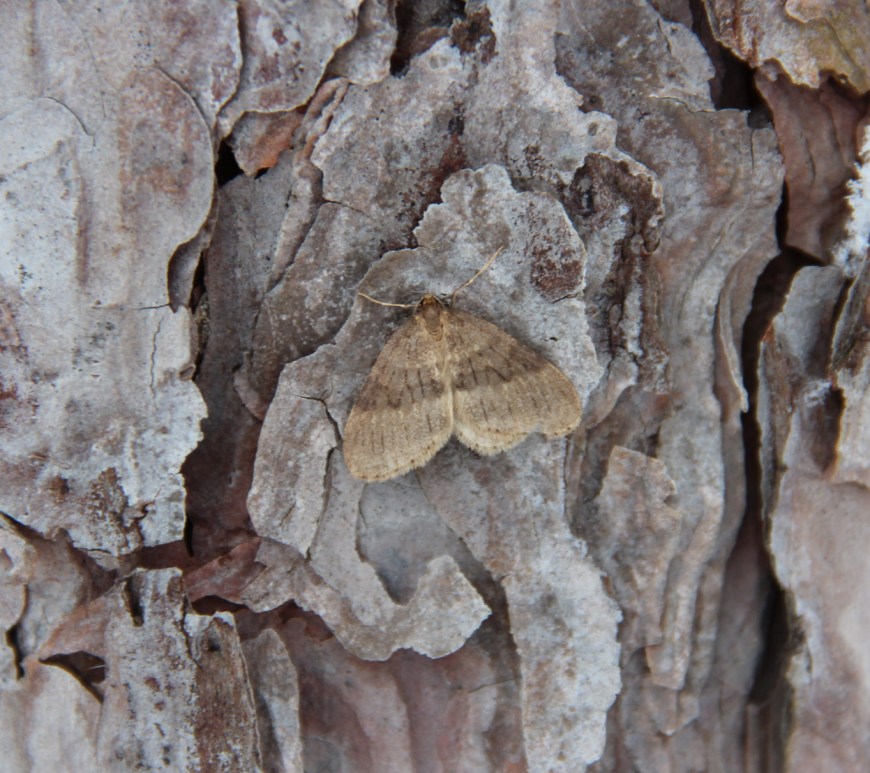
It’s day three of our 12 Days of Winter Wildlife and we are exploring insects that are active in the cold weather, and in particular, winter moths. These are amazing animals, but how do we study moths? Join moth expert Annette Shelford as she shows us why moths are important and how to monitor them with this film from our Zoology Live festival that took … Continue reading 12 Days of Winter Wildlife: Active Insects
12 Days of Winter Wildlife: Garden Birds
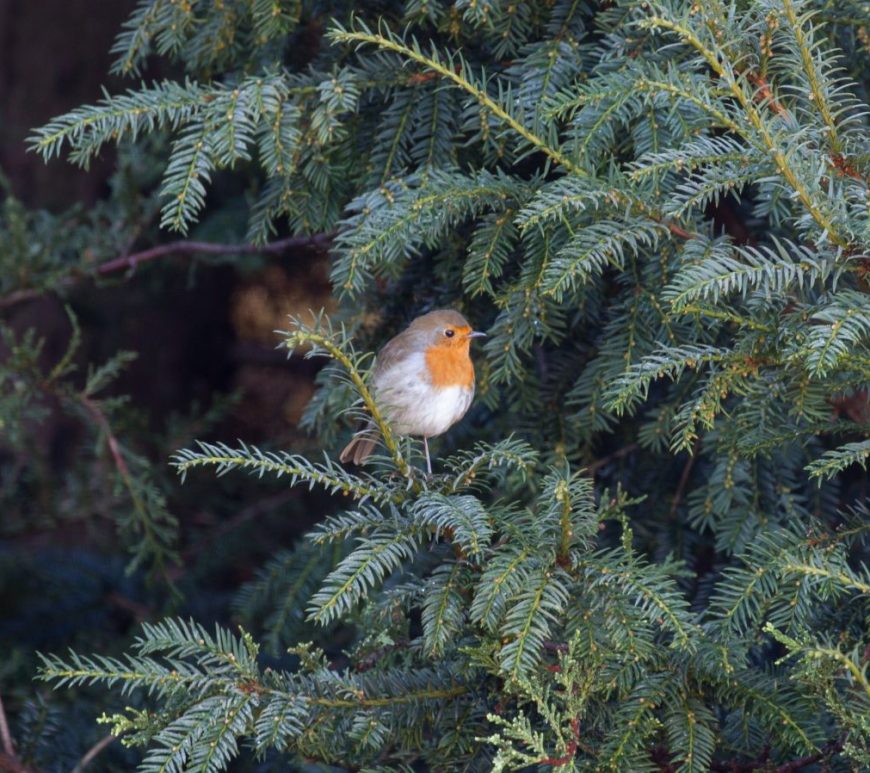
For day two of our 12 Days of Winter Wildlife, we are celebrating our feathered friends. Winter can be tough for birds. As the temperature drops, they need more energy to keep warm. But once the bounty of berries and seeds of the autumn is over, food can be in short supply. Provide birds with food in your garden or outdoor space and you can … Continue reading 12 Days of Winter Wildlife: Garden Birds

12 Days of Winter Wildlife
Take a look out of your window – what wildlife can you see? Over the next 12 days we will be exploring local wildlife over the colder months, giving you some tops tips on how to support it, and also celebrating winter wildlife with sustainable crafts and more. Catch up with our live launch of the 12 Days of Winter Wildlife that took place on … Continue reading 12 Days of Winter Wildlife

Natural History, Extinction, and Storytelling at the Museum of Zoology
In this blog for Lost Species Day 2020, Geography PhD student Anna Guasco explores the question of: How do we tell stories and remember histories about natural history, extinction, and species endangerment in museums – and why does this matter? Today is Remembrance Day for Lost Species, or ‘Lost Species Day’. This label memorialises dodos, thylacines, passenger pigeons, and other icons of extinction – as … Continue reading Natural History, Extinction, and Storytelling at the Museum of Zoology

We know conservation is working, but do we really know what works?
Alec Christie, PhD student in the Conservation Evidence group of the Department of Zoology writes: Go to your doctor and they’ll give you the best treatment based on the scientific evidence. So why can’t we do the same for biodiversity? Recently we’ve seen a flurry of important work highlighting the continuing decline of biodiversity, including David Attenborough’s documentary Extinction: the facts. It’s also very encouraging … Continue reading We know conservation is working, but do we really know what works?

Skeletons: Arms and Legs
Last month in Nature Classroom we went on a guided tour of the skeleton, looking at the all the different bits and what they do. Today we are going to focus in on the arms and legs. Why? We can tell a lot about the animals they belong to, the way they move and sometimes even the way they eat when we look at the … Continue reading Skeletons: Arms and Legs

Puggle Club Counts to 10
Join us as we count animals in the Museum of Zoology. From the one and only Fin Whale, a whopping 21m long, to shells, birds, beetles and more. With fun animal facts along the way. Continue reading Puggle Club Counts to 10
Coming Soon: 12 Days of Winter Wildlife
This year we are taking our Winter Wildlife event online. Join us for the live launch on our YouTube channel at 4.30pm on Tuesday 1 December or catch up here: Get your questions ready for a LIVE Q&A with Rob Jaques from the British Trust for Ornithology, who’ll be talking about birds and other winter wildlife, and ways you can get involved collecting important data … Continue reading Coming Soon: 12 Days of Winter Wildlife

Provide shady spots to protect butterflies from climate change
Researchers have discovered significant variations in the ability of different UK butterfly species to maintain a suitable body temperature. Species that rely most on finding a suitably shady location to keep cool are at the greatest risk of population decline. The results predict how climate change might impact butterfly communities, and will inform conservation strategies to protect them. The results, published in the Journal of … Continue reading Provide shady spots to protect butterflies from climate change


Lantern bugs for a Festival of Lights
At this time of year, people across the world will be celebrating Diwali or Deepawali, also known as the Indian festival of lights. Create a lantern bug light holder to celebrate the festival together. What is a lantern bug? Lantern bugs, Fulgora and Pyrops, (also known as lanternflies) are found across south and south east Asia, and the Americas; mostly in tropical regions. They are part of … Continue reading Lantern bugs for a Festival of Lights
 Museum of Zoology Blog