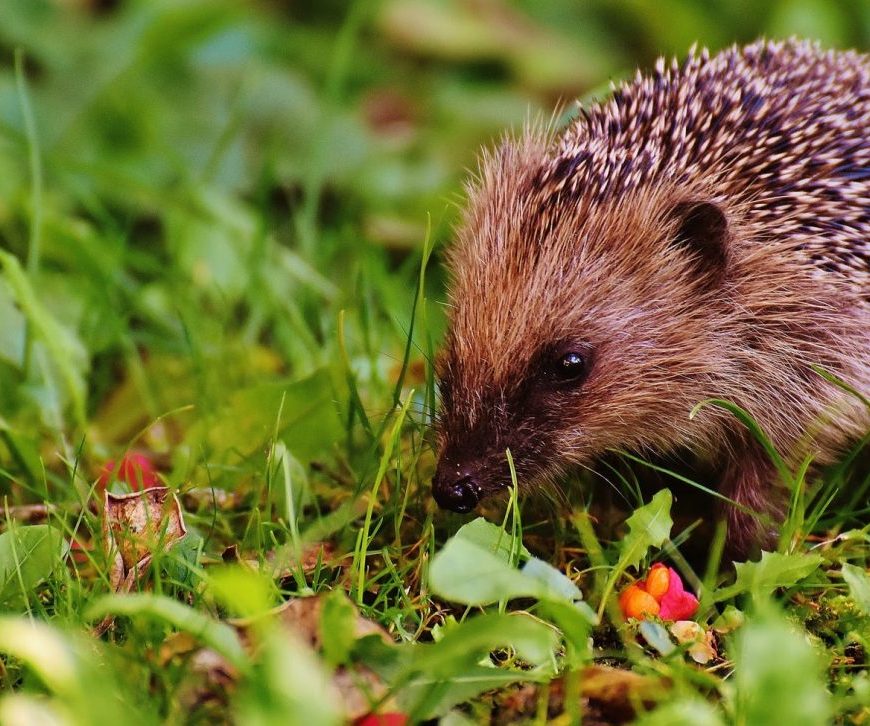
Hedgehog on grass

Become a Helpful Hedgehog Hero

You can provide a safe space for British wildlife right in your garden or local green space. This is especially useful for creatures, including hedgehogs, if you live in an urban environment and can make a real difference to their survival. These unique prickly mammals are a favourite amongst the UK public (especially our ‘over-stuffed’ Museum specimen who has seen leaner days) and if we … Continue reading Become a Helpful Hedgehog Hero

Komodo Island illustration

Here be Dragons!

Explore the real-life world of dragons… Tom Jameson, PhD student says, Dragons do not only populate the myths and legends of the past, but also the world around us. Komodo dragons, Varanus komodoensis, are the world’s largest lizards, so named for reminding early explorers of the beasts of legend. Life as a Komodo dragon Komodo dragon’s skin is rough and durable like other large lizards, … Continue reading Here be Dragons!

Linyphiidae spider on leaf

Your friendly neighbourhood British spiders

Michael Pashkevich, PhD Student, writes: One of my favourite traits of spiders is that they are widespread in distribution. This means that they live nearly everywhere that humans do, including within and around our homes. This is particularly good news for Britons, because none of the 650+ spider species in the UK are dangerous to healthy humans. Right now, many of us are being asked … Continue reading Your friendly neighbourhood British spiders

Shell University Museum of Zoology, copyright University of Cambridge, Jamie Gundry CC

Secrets of the shell

To celebrate International Women’s Day and Women’s History Month the Museum is sharing the stories of 27 inspirational women, alongside the animals they work with the most. Dr Victoria Sleight Department of Zoology “I want to understand how molluscs make their beautiful shells. We know that shells are made from a mixture of mainly calcium carbonate and a few proteins, but there are many questions … Continue reading Secrets of the shell

Coral reef - credit S Steele

Glacial past, genetic science and saving today’s coral reefs

To celebrate International Women’s Day and Women’s History Month the Museum is sharing the stories of 27 inspirational women, alongside the animals they work with the most. Maddie Emms Department of Zoology “I am a Zoology PhD student interested in how environmental change affects coral reef organisms. Coral reefs are incredibly important habitats but are sensitive to environmental change. I am studying how the loss … Continue reading Glacial past, genetic science and saving today’s coral reefs

Hover Fly On Poppy Head - credit Kate Howlett

Insects are animals too: why perceptions matter

Kate Howlett, NERC-funded PhD student says, Thank you to everyone who got involved in our little experiment last week to find out who we think of as the Easter bunny. Whilst questions like this which ask about our perception of animal species are often just a bit of fun, they are also important in building up a larger picture about our relationship with the natural … Continue reading Insects are animals too: why perceptions matter

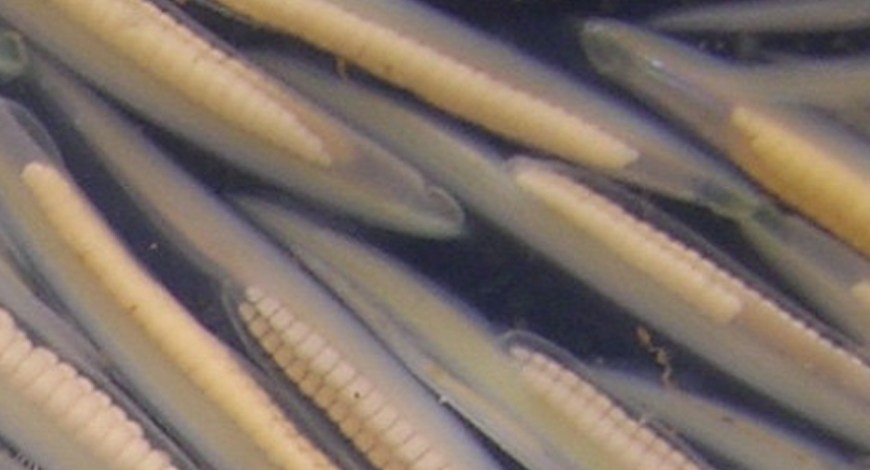
Branchiostoma Image credit Elia Benito Gutierrez

“Not a fish but the ‘making of’ a fish.”

To celebrate International Women’s Day and Women’s History Month the Museum is sharing the stories of 27 inspirational women, alongside the animals they work with the most. Dr Elia Benito-Gutierrez Department of Zoology “I still remember the day I was told about amphioxus in my first year of University. A fish that was not a fish but the ‘making of’ a fish. Hiding in the … Continue reading “Not a fish but the ‘making of’ a fish.”

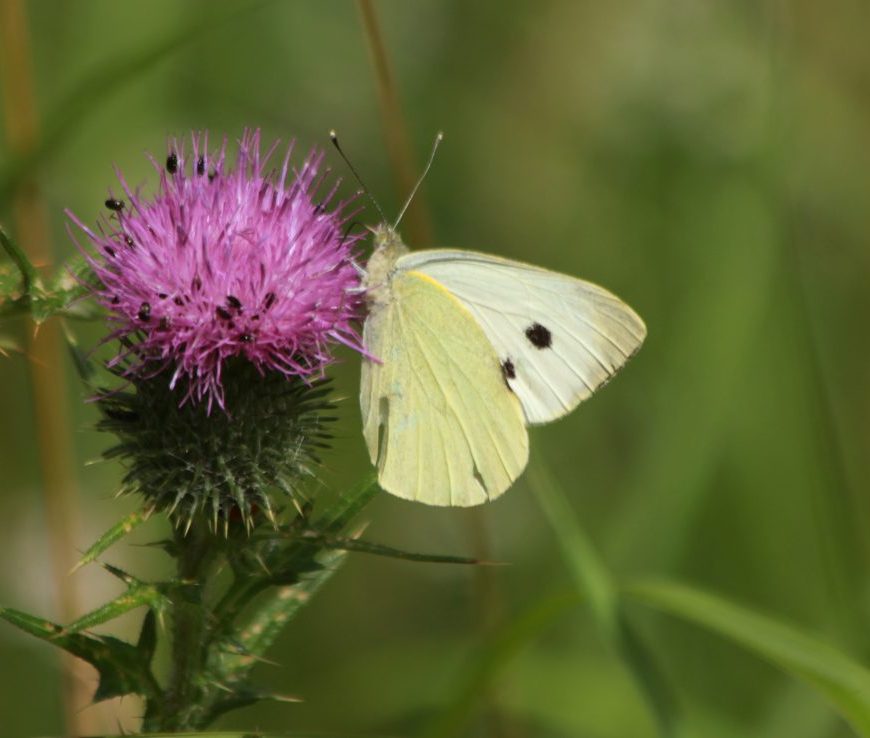
Large white on thistle Wicken Fen. Credit Andrew Bladon

White and yellow butterflies

Matt Hayes, Research Assistant writes: Whilst everyone is being asked to stay at home it’s important that we continue to look outside and engage with the natural world. To help with this, we are going to be blogging about wildlife you can see from your window or in your garden. This set of posts will look at different groups of common butterflies as well as … Continue reading White and yellow butterflies

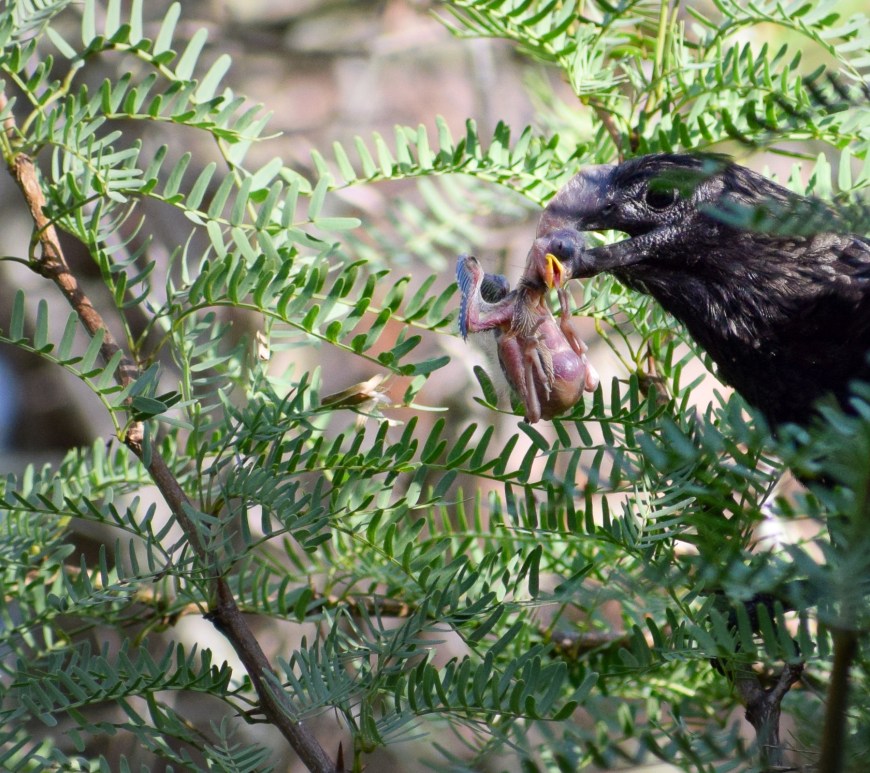
Smooth-billed ani eating chick. Credit J. Lynton-Jenkins

Smooth-billed anis in the Galápagos

To celebrate International Women’s Day and Women’s History Month the Museum is sharing the stories of 27 inspirational women, alongside the animals they work with the most. Sophia Cooke Department of Zoology “Alongside my PhD (looking at the impacts of roads on British birds), for the last few years I have been running a project I set up in the Galápagos, studying the impact of … Continue reading Smooth-billed anis in the Galápagos

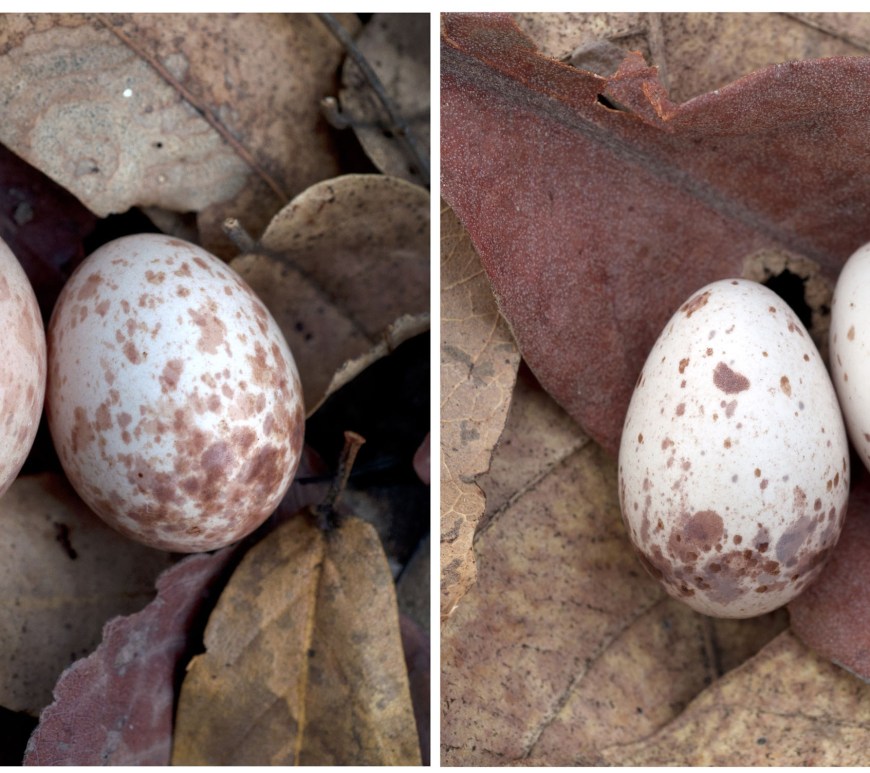
Cuckoo egg in host nest. Credit Claire Spottiswoode

Cryptic Egg Hunt

The Museum of Zoology team has an affinity towards eggs, from Darwin’s egg to platypus eggs, especially around this time of year. Spring offers the chance to see new generations hatching from a variety of eggs and the arrival of the chocolate kind for many of us. This year we are bringing the eggs to you with a virtual cryptic egg hunt. Egg Hunt Dr … Continue reading Cryptic Egg Hunt

Insect hotel with three sections

A warm welcome for minibeasts

Even a small garden can provide a home for several thousand species of insects and other minibeasts. Although a very small minority may not be popular guests, the vast majority will undertake important natural processes and improve the health of your garden. Many will pollinate your plants, break down decaying material to fertilise your soil and even eat the few ‘pests’ that may be causing … Continue reading A warm welcome for minibeasts

Swallowtail caterpillar UMZC collection

Do caterpillars like it hot?

To celebrate International Women’s Day and Women’s History Month the Museum is sharing the stories of 27 inspirational women, alongside the animals they work with the most. Esme Ashe-Jepson Museum of Zoology “My PhD investigates the effect of temperature on British butterflies, focusing on caterpillars, using a mix of both lab and field research. As each life stage of a butterfly varies in both form … Continue reading Do caterpillars like it hot?