
An exhibition by Cambridge Future Museum Voices
Explore the Tangled Planet temporary exhibition at the Museum of Zoology with extended information and images.
This exhibition was co-curated with a group of Year 12 students from schools and colleges across the UK. The title, content and text all came from them, created during a week-long residential at Clare College and the Museum of Zoology in April 2023. This project was delivered in partnership with Clare College, and funded by the Isaac Newton Trust . It is on at the Museum until the end of the year.
Tangled Planet: in the students’ own words
Although Homo sapiens have inhabited the Earth for 300,000 years, it has been in the last 250 years that we have caused significant environmental change. Humans and nature are not distinct opposing forces. We are part of a complicated network of actions and reactions that has the power to change the world, for better or for worse. The balance between us and our world has always been fragile but now it is more one-sided than ever. Human greed cannot come before the millions of other plants and animals that we live with.
The media we consume influences the narrative of certain species. As humans we are more inclined to take action against the extinction of certain cute, socially approved animals. But who are we to choose whether an animal is a foe or a friend? Why do we choose the villains without truly understanding their survival behaviours? Because of interconnectedness it is important to care about ALL ANIMALS.
This exhibition aims to encourage new perspectives on the relationships and interconnectivity between humans and the natural world. We have the power to restore what was lost by our selfishness.
You are the exhibition.
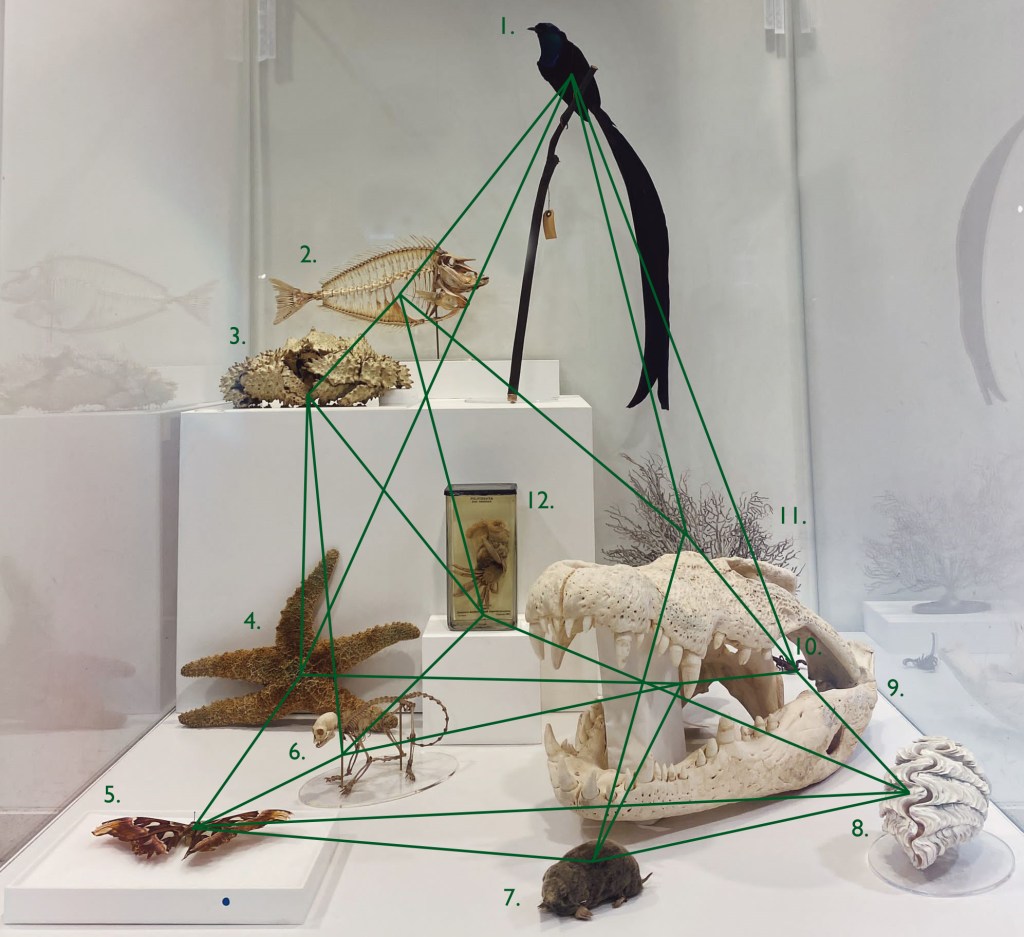
Can Sponges Survive Us?
by Mun
The Neptune’s cup sponge (Cliona patera) is a large species of marine demosponge. They are part of the Phylum Porifera (sponges). They were overharvested as collectors’ items, even as novelty bath tubs for children, and were presumed to be extinct in the 20th century. However, two live specimens were discovered in 2011 around the coast of Singapore.
Sponges may seem uninteresting, but they may be some of the oldest animals ever, with potential fossils dating back 890 million years. Due to their adult sessile lifestyle, some people may not even realise they are animals.
Sponges recycle essential nutrients that are extremely important to marine ecosystems. Sponges have survived almost every type of extinction event on Earth, yet climate and environmental change is one of the biggest threats facing sea sponges today.
Does it make sense that sponges can survive almost all of the Earth’s major extinction events but not us?
Harmony in Nature
by Carys
In coral polyps live millions of tiny, algae-like organisms called zooxanthellae (zoo-zan-THELL-ee). They work with the coral, providing energy from photosynthesis, and in return, the coral protects them and gives them nutrients and minerals.
However, changes in conditions, such as temperature, can stress corals, causing them to get rid of the zooxanthellae. This not only bleaches the coral, turning them from brightly coloured to stark white, but it also means the coral polyps can’t get the energy they need. If they are left for long enough, they will probably die.
Grooved brain corals can live peacefully with zooxanthellae, helping each other, for hundreds of years. Many humans past and present live in harmony with nature – perhaps more people need to follow this example.
Can you be more coral?
Ghost Nets and Turtles
by Freya
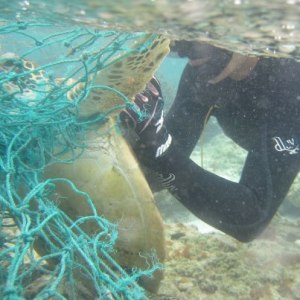
One of the biggest threats facing turtles are ghost nets, which are abandoned nets illegally cut loose by people fishing, or that break away. These nets get concentrated by the prevailing winds and ocean currents. About half of ocean plastic is believed to come from ghost nets and turtles are some of the biggest victims to their deadly entanglement.
In the Torres Strait, these nets regularly wash up on beaches and the local indigenous communities upcycle them to make practical fences or artwork to raise awareness, such as sculptures of turtles or fish.
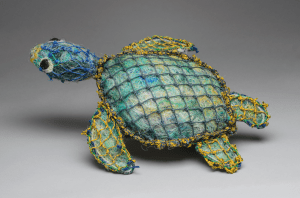
This is important and inspiring to me because all life has intrinsic value and it saddens me that we, as humans, have such a wide-reaching and detrimental impact – no other species has such a damning presence! However, the islanders and their creative work reminds me that there are solutions and we can change how our presence impacts other species.
What solutions can we find for wildlife?
Sharks Keeping the Balance
by Alishia
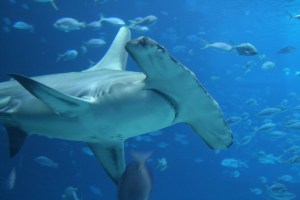
Sharks are essential for maintaining the biodiversity and health of our coral reefs yet are often given a bad name. Through their feeding habits and behaviours, great hammerhead sharks promote the reproduction of healthy fish, and control the use of the reefs by other species. However, finning (removing shark fins and discarding the rest of the fish) presents a huge risk for these sharks and their ability to protect our corals. As sharksnumbers decline, other species like sea turtles and stingraysar free to reproduce uncontrollably, leading to overgrazing of seagrass (which helps to remove and store atmospheric carbon) and the increase of algae which greatly reduces biodiversity and increases coral bleaching. Sharks are slow growing with a low reproductive rate, and so are unable to keep up with commercial demand. Without intervention and conservation of these species, entire ecosystems could collapse, highlighting the increasing importance of great hammerheads and other shark species alike.
Can we act to protect these sharks and their ability to protect our corals?
Hidden Histories
by Iola
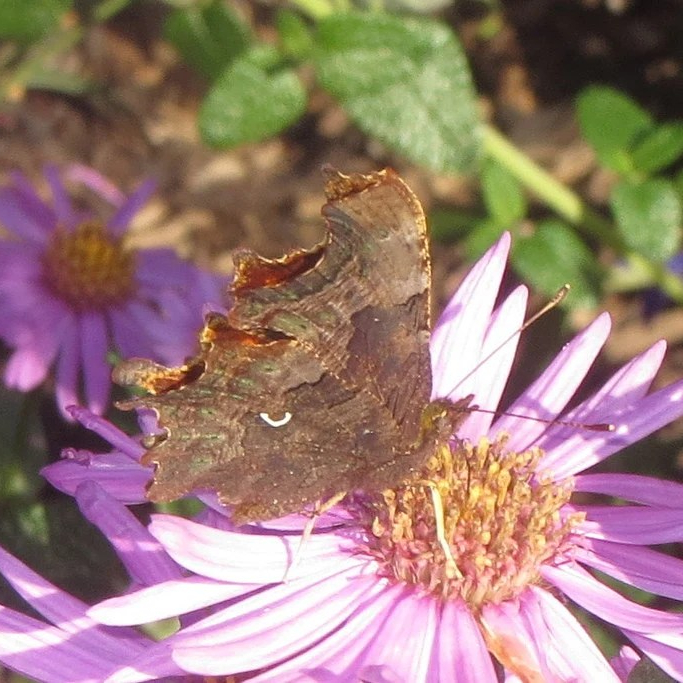
There are two different varieties shown here. The darker variety emerges in the winter and the paler emerges in summer time. The summer variety of Comma butterflies is called the Hutchinson’s comma and is named after Emma Hutchinson who was a Victorian lepidopterist (someone who studies moths and butterflies). She was very skilled at raising butterflies from their eggs and was involved in conservation efforts in Surrey.
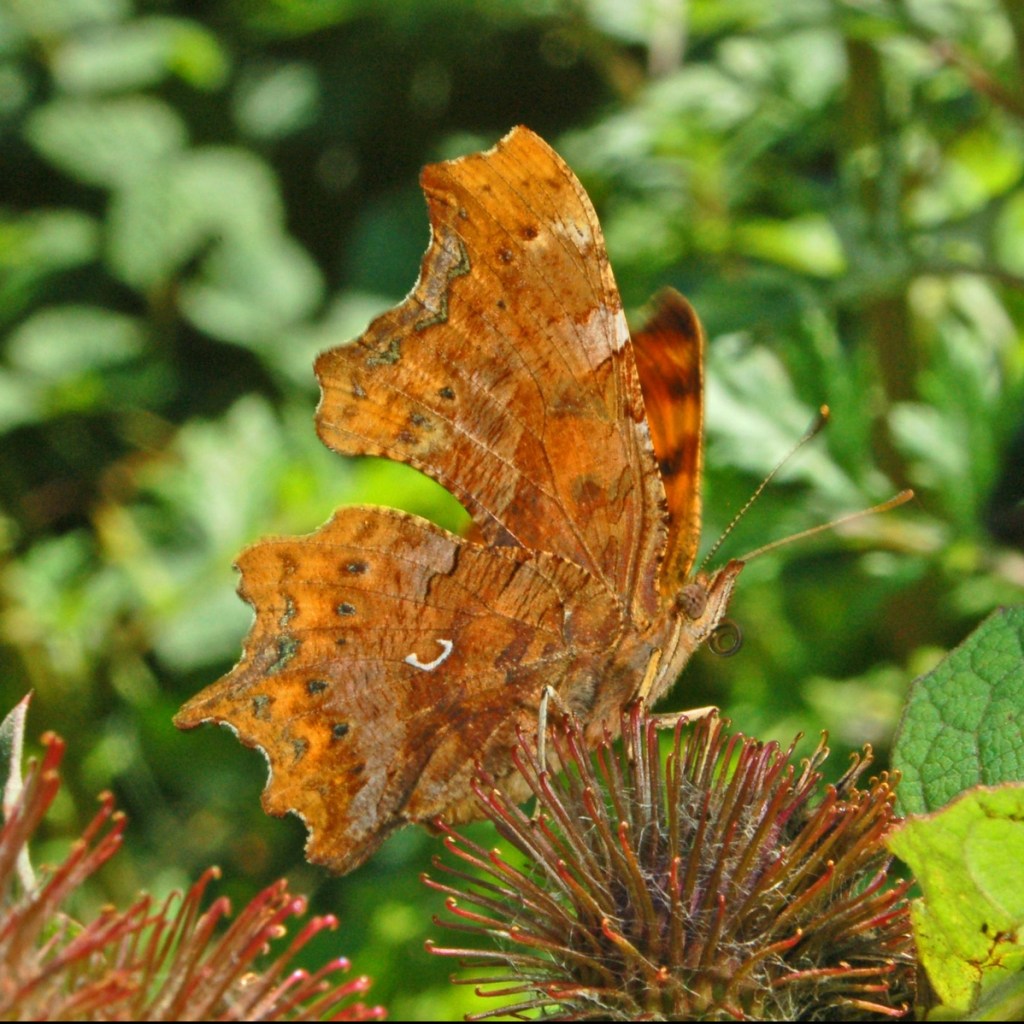
Because she was a woman she wasn’t allowed to join her local scientific society, and some of her scientific articles are only credited to E. Hutchinson. However, she did sign her full name on her collections of butterflies, which means that when her collection of 20,000 specimens were donated to the Natural History Museum after her death she was recognised as an influential scientist.
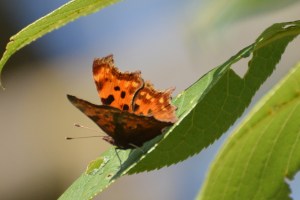
The butterflies here are called comma butterflies because they have a white mark on the underside of their wing which looks like a comma. Both varieties of butterfly use camouflage to survive – when their wings are folded up they look like dead leaves.
Comma butterfly caterpillars used to primarily live on and eat hops plants, which were farmed widely in the UK to produce beer. However, in the 19th century hops farming reduced and the butterfly’s population decreased and the butterfly was limited to the Welsh Marches. The butterflies adapted to this change, and now they also live on elm trees and nettles. Because of this adaptation to be able to use a wide variety of plants, its numbers have recovered and it is now found throughout the UK.
How many women contributed to science in the 19th century that we don’t know of?
The ‘Moth Effect’
by Lola

To many people, butterflies symbolise hope, freedom and beauty. The butterfly effect is the idea that through the interconnectivity of our planet, a butterfly flapping its wings has the potential to cause typhoons: mass change, a world metamorphosis. Moths are renowned as the messengers of death… so what does this make ‘the moth effect’, and how do our societal biases against moths hurt our planet?
Moths aer viewed as pests, their deaths are seen as justified, thus their needs are disregarded. However, both butterflies and moths pollinate our plants and our planet needs both of them. Our lack of compassion should not be through lack of colour. To protect our planet, we need to release our unjust prejudices against moths, to help them and us survive the climate crisis. Like the butterfly effect, small changes in our perceptions have the potential to cause a typhoon of change in protecting our wildlife and stopping climate change.
Can we create a positive ‘moth effect’?
Adapting Damselflies
by Rex
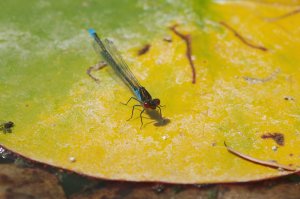
For over 300 million years, damselflies have roamed the Earth; having survived ice ages and predators, they now face the greatest threat to nature – humans.
During the industrial revolution, water pollution increased leading to a decline in the quality of damselfly habitats. This resulted in many species going extinct in the UK. However, damselflies’ ability to adapt is what makes them so special and useful to scientists. Today, rising temperatures mean damselflies can inhabit areas further north than before, with species previously not present in the UK now thriving. This can have both positive and negative impacts: an initial increase in biodiversity can be followed by disruption of the food chain with other animals suffering due to the new competition.
This change in ecosystems is all centred around humans – the catalyst for global warming. Whilst damselflies are very adaptive animals, not all creatures are so lucky and the only way to properly protect them is to stop climate change.
Can you do your part to save our tangled planet?
Bees Good, Wasps Bad?
by Jennifer
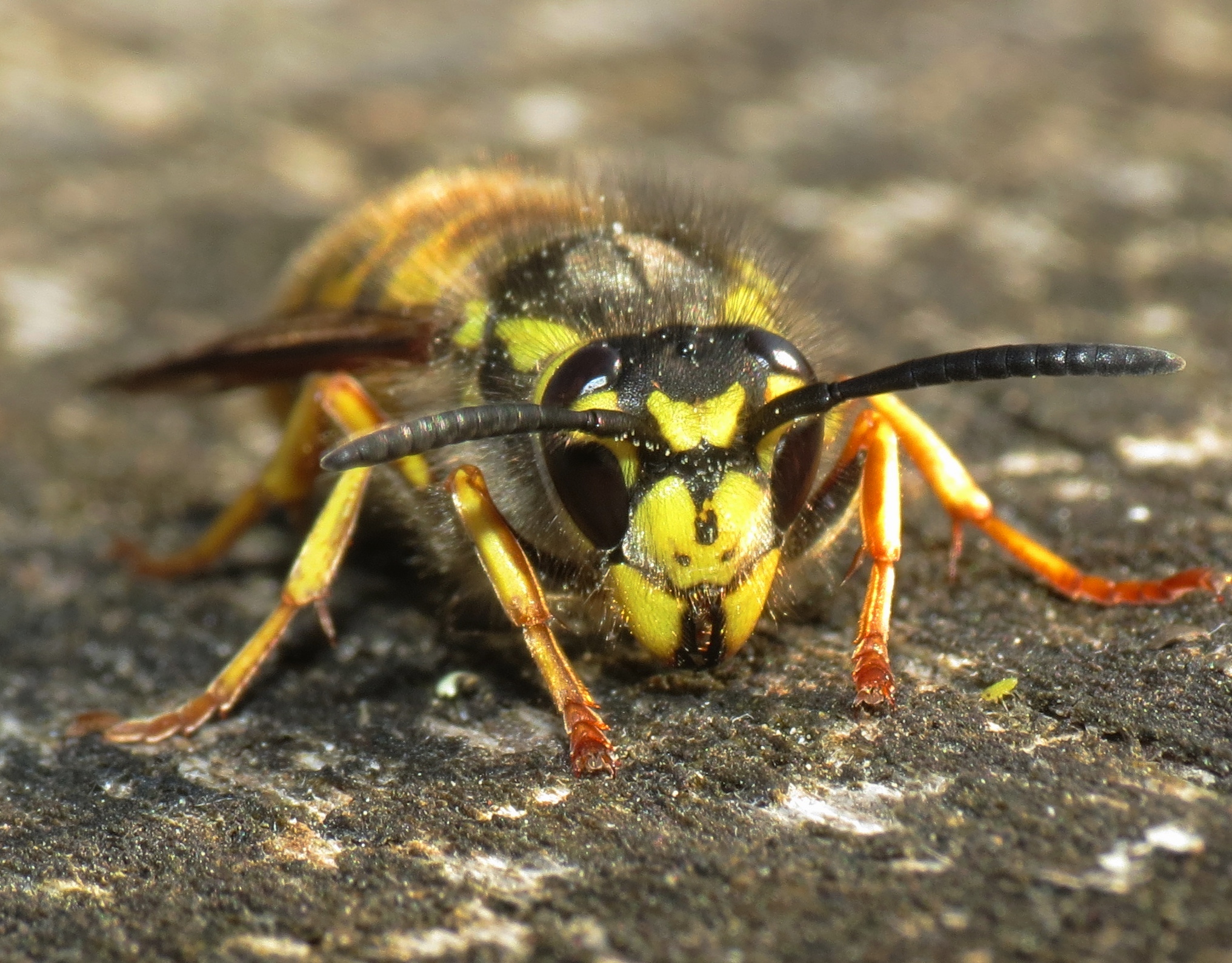
Bees and wasps, despite both make significant ecological contributions, are each perceived in very different lights. Wasps are usually shown as the aggressors with limited value, although only 1% actually sting and usually out of self-defence or protection of colonies. With over 7000 species in the UK of solitary and social varieties, their beneficial qualities are usually overlooked, such as their vital role as pollinators and in controlling pest populations. Alternatively, bees are celebrated by children and adults alike, although our knowledge of their rich diversity is severely limited. We are exposed to honey and bumblebees the most in the media, but more varieties such as mining bees are local and equally wonderful yet less well known. I chose this topic to highlight the wonders of the underappreciated aspects of both bees and wasps and how these media biases can affect our perceptions of the natural world.
How do these biases affect your perception of the natural world?
Bees and Ecosystems
by Luke
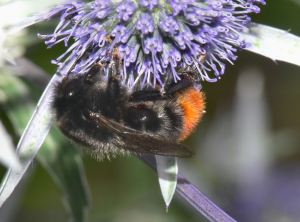
Bees have a major role in ecosystems as they pollinate flowering plants. About a third of the human food supply depends on pollination which is mostly accomplished by bees. However, over the last half century there has been a decline in the individual numbers and species richness of wild bees due to the use of pesticides. This has had a negative impact on pollination and has caused a decrease in the number of wildflowers.
This decline in wild bees has increased the amount of commercially managed hives of honeybees to satisfy the demand for honey.
What can you do to help wild bee populations?
The Stigma about Spiders
by Ria

Spiders. Solitary, poisonous and horrifying creatures. These negative stereotypes mean that spiders are rarely the object of conservation efforts, with people preferring to prioritise more ‘friendly’ animals such as butterflies and pandas. This exclusionary approach damages our ecosystems and threatens an animal group which has been here longer than dinosaurs.
The Nephila species, also known as the golden orb weavers, demonstrate the prospects that spider conservation and research effort could bring. Their silk is reportedly as strong as steel and is completely biodegradable, possessing numerous qualities which could revolutionise the fields of both engineering and medicine.
Spiders still deserve to be appreciated and preserved, and any outdated prejudices we may harbour will only hinder conservation efforts. We can no longer afford to nurture this form of ‘speciesism’; we must change the way we view certain animals. The value of species should no longer be measured by their contribution to humankind, but rather by their own intrinsic value. Destroying these stigmas are not only integral in preserving the natural world, but also ensuring the long-term survival of our species.
Can we afford to nurture these outdated prejudices, and can we change the way we view certain animals?
Sustaining Flamingos
by Emma
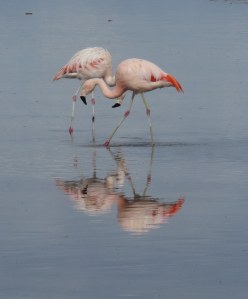
Despite flamingo specialised adaptations, human action is compromising their ability to thrive. Lithium mining is seen as a ‘green technology’, extracting resources for electric vehicles. However, this process involves pumping huge amounts of groundwater in an area where water is scarce. These projects target the Chilean flamingo’s natural habitats in the saltwater lakes of South America. As a result, these bodies of water are shrinking in size and consequently becoming saltier. Chilean flamingos cannot adapt at the same rate as these rapid changes of salinity and increasing reduction in habitat size. I found this recent example of human interaction with the natural world to be eye-opening as even actions we as humans perceive to be ‘green’ can harm one of the world’s favourite birds – the flamingo.
Can we learn to protect wildlife at the same time as developing green technologies?
Rock Doves or Feral Pigeons
by Angelina

Rock doves, more commonly seen as feral pigeons today, were domesticated for thousands of years, having prominent roles in the meat, fertiliser and postal industries, particularly in times of war. Post-war development in technology meant that they were abandoned and such roles for them became obsolete.
As rock doves had evolved to be fully dependent on humans, they lack most of the skills they would need to survive in the wild, which influences our perceptions of pigeons as dirty and invasive – they are near-incapable of building nests or finding food in the wild, therefore they take refuge on building ledges and ear our rubbish – which is also the reason their faeces are manly liquid – malnutrition leads to them excreting mainy acidic contents.
Seeing as their status as inferior and filthy is of our own doing, is it possible to change these misconceptions?
Solomon Island Eyelash Frog
by Ev
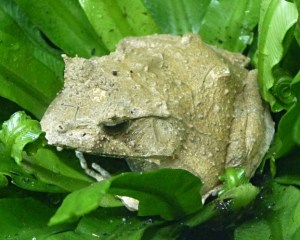
Amphibians are very sensitive to environmental changes, making them ideal bioindicators – as they are one of the first to be affected by degradation of the environment. This makes them prone to becoming endangered by even the slightest disruption of their surrounding ecosystems.
Another concern for most frog species is the global outbreak of Chytridiomycosis, an infection of the skin caused by Chytrid fungus. The fungus grows on the backs of frogs suffocating them as a result. The Solomon Island eyelash frog is one of the only frog species that is still yet to be infected by the disease. This infection is thought to be at least partially spread by researchers, so further safety precautions are needed to protect as many species as possible.
How do we protect species from these infections?
Platypus: A curious concoction of fur, bills and webbed feet
by Stacey
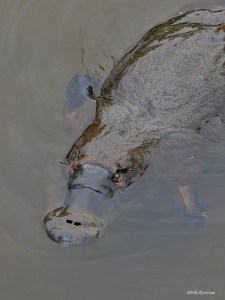
The platypus. A curious concoction of fur, bills and webbed feet. A weird and wonderful creature akin to a unicorn.
Considered a primitive creature by many and a mysterious hybrid between duck and ‘Biggoon’: a water-rat in the stories from Aboriginal Australian people, the platypus is a complex creature that we still research today.
Platypuses are threatened. HUman-introduced foxes and dogs, pollution, wild fires and te destruction of their freshwater habitats are now pushing the platypuses away from their territory. Though biologically distant from humans, the nipple-less and seasonally venomous monotremes are researched today. Probing into the anti-bacterial potential of their milk and the intricate quality of their venom.
Once a hunted species, the mysterious platypus is a creature worthy of preservation, to tell stories about, and to salvage for our future generations.
Can we learn from the stories of the platypus, and protect it and other species for the future?
Extinction of the Thylacine
by Tracy

The extinction of thylacine is considered one of the greatest tragedies in Australian wildlife, and we were the culprits. Perceived as a threat to the sheep farming industry, thylacines were excessively hunted and their habitats forcefully destroyed by European settlers. It was later proved that this had been an incorrect assumption that altered the fate of a whole species. Thylacines were not only robbed of their home but also hunted to extinction.
Who are we to choose which animal lives or dies? To alter the fate of not only that species but also the others that rely on it?
Wolf re-introduction in the UK
by Izzy

In the 18th century, the common wolf was hunted to local extinction in the UK. But following the reintroduction of this species in habitats in mainland Europe and National Parks such as Yellowstone, USA, the conversation of reintroduction in the UK has been sparked and discussion of the effects this may have on local and national wildlife.
Although the return of the wolves is likely to aid in the control of UK deer populations as their primary predator, this effect may also be seen in the endangerment of livestock such as chickens which are already hunted by wild foxes. This is a worry for many people who feel as though this action may cause irreparable damage to the natural environment of the UK as we know it today.
However, it is arguable that the initial removal of the wolves in the UK was morally unjustifiable as removing a species that had as much right to live on their native soil as we do seems fundamentally wrong. Therefore, we have a responsibility to return an animal innocent of anything that we are ourselves haven’t committed to their original and rightful home.
What gives us the right to discern which deserve to survive and which don’t?
Foxes!
by Vanesa
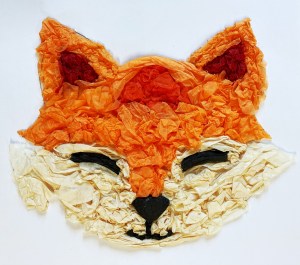
Foxes are very misunderstood
They live near the city as we drove them out of the woods
Many people think they are sly, cunning and bad
Which makes me feel frustrated and mad
Because foxes are incredibly smart
But humans continue to shoot them with darts
Foxes are very misunderstood
In fact they do a world of good
Foxes eat fruits and help us spread seeds
So we should value what the ecosystem needs
Foxes aren’t dangerous, they are just like you
As they have personality and emotions too
Foxes are very misunderstood
Why do we put these negative stereotypes on certain animals?
Hyena: Friend or Foe
by Oliver
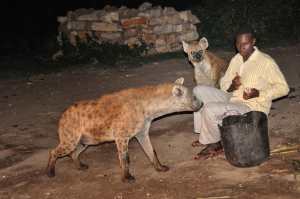
The spotted hyena has often been represented as sly, cunning and cowardly, especially in ‘The Lion King’ (1994).
However, this is far from how they are perceived in some places such as Addis Ababa and Harar in Ethiopia where humans and hyenas coexist peacefully despite a high frequency of encounters. The hyenas’ importance in maintaining a clean environment is heavily respected by many citizens; especially in Harar where they are revered in spiritual terms.
Due to negative stereotypes forced on hyenas, numbers outside of protected areas are in continuous decline due to poisonings and persecution based on misbeliefs. There are very few reports of attacks on livestock, yet blame is unfairly yet commonly placed upon hyenas.
The same hyenas seen as sly, cunning and cowardly can also be seen as witty, intelligent and courageous. These amazing creatures deserve our help and protection from all current and future threats.
Can you see hyenas as witty, intelligent and courageous instead?
Mammoths and People
by Andrew
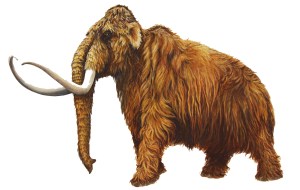
Woolly mammoths are among the most prominent victims of environmental change. They are the third most common animal found in cave paintings. They went extinct around 4000 years ago due to changes in vegetation caused by the end of the ice age. Yet mammoths remained an influence on human life as their frozen carcases were consumed by the indigenous population and tusks were traded through the middle-ages right up to the present day. Their tusks have been used for jewellery, tools and even buildings. There remain around 10 million mammoths found in the melting permafrost of Siberia.
What animals come to mind as victims of today’s environmental change?
Over to you
We would love to hear what you thought of the exhibition. Let us know the answers to these questions in the comments below:
1. Has this exhibition changed the way you think about any of the animals you saw? How?
2. Do you feel differently about how people interact with nature? How?
3. What could you do to help our tangled planet?
 Museum of Zoology Blog