Photograph of a small hoverfly on a flower

An Insect a Day part 6

Prof Bill Amos of the Department of Zoology continues his insect photo diary with whole range of different hoverflies, alongside a dragonfly, some beautiful beetles, and fascinating moth larvae. You can see more of Bill’s photographs on the blog: An Insect A Day for bee fly, orange tip buttefly and parasitic wasp. An Insect A Day continues for scorpion fly, shield bug and click beetle. … Continue reading An Insect a Day part 6

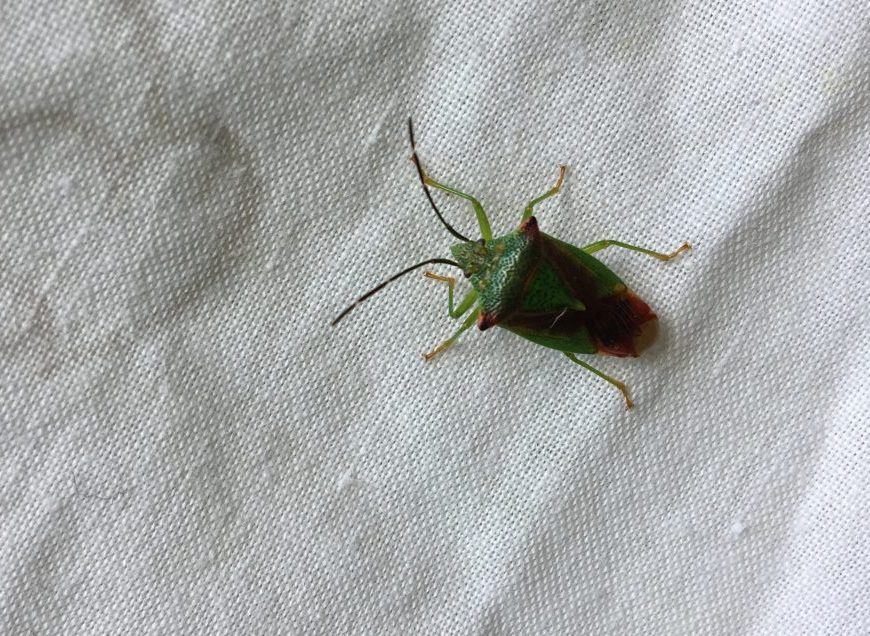
Shieldbug found on beat-net

How to observe wildlife: beat-netting

Matt Hayes, research assistant writes: There are many ways to look for minibeasts that live around you and one easy method is to use a beat net. You don’t need any fancy equipment; a white sheet or tray will work just as well as a store-bought net. An upside-down pale umbrella also makes the perfect substitute. A pale white colour works best as it helps … Continue reading How to observe wildlife: beat-netting

By Bernard DUPONT from FRANCE - Fungus-growing Termites (Macrotermes carbonarius), CC BY-SA 2.0, https://commons.wikimedia.org/w/index.php?curid=40231177

Termite mound-mates create even more questions for scientists

To celebrate International Women’s Day and Women’s History Month the Museum is sharing the stories of 27 inspirational women, alongside the animals they work with the most. Dr Amelia Hood Department of Zoology “I’m an ecologist who loves social insects. For my PhD, I worked in oil palm plantations in Indonesia and studied ants and termites. There is one termite species, Macrotermes gilvus, that is … Continue reading Termite mound-mates create even more questions for scientists

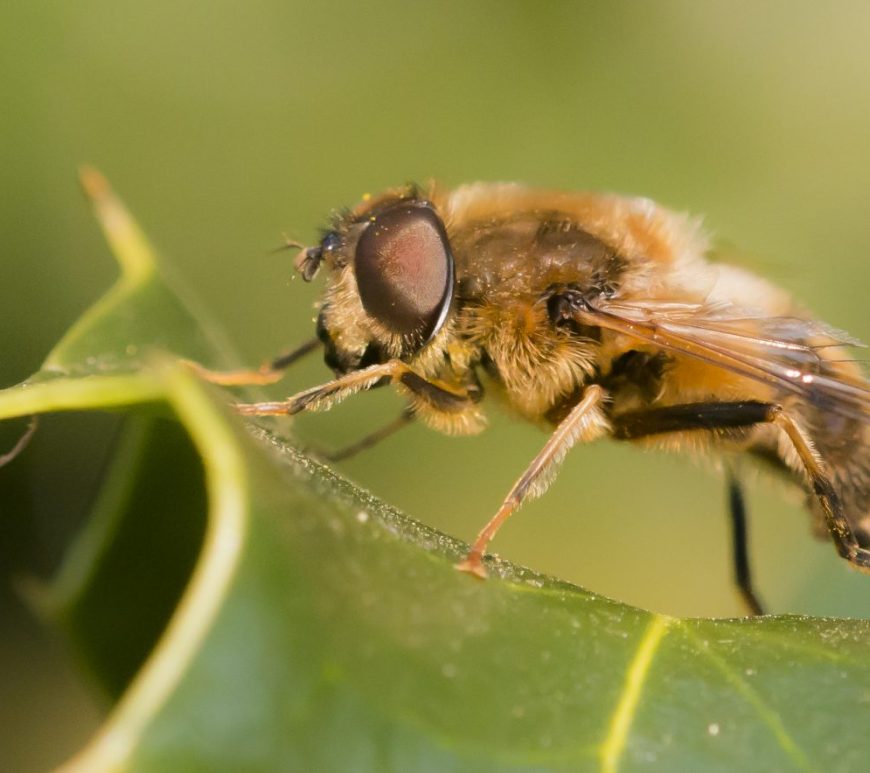
Photograph of a hoverfly resting on a leaf

Zoology Live! 22-27 June

The Museum may be closed, but there is amazing wildlife on your doorstep waiting to be explored. As we can’t celebrate our annual Zoology Live festival at the Museum this year, we are bringing it to you online instead with a week of films, interviews and activities. Every day at 4pm, join us on YouTube Live for wildlife films and live interviews with experts, and … Continue reading Zoology Live! 22-27 June

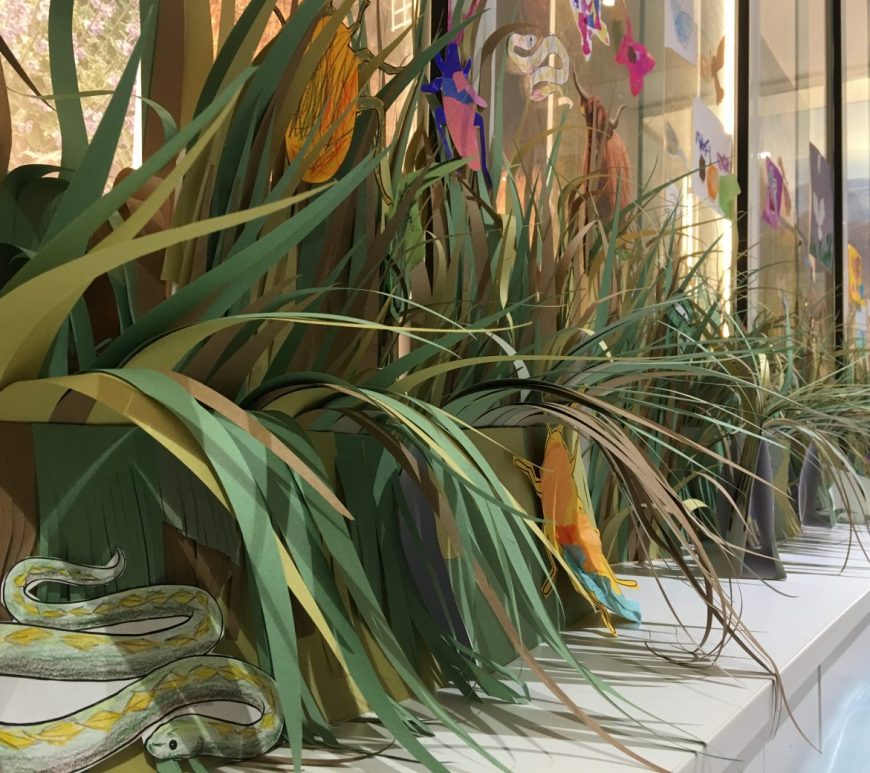
Paper craft of fenland habitat

A Journey through Time and Habitats

All living things have adapted to surviving successfully within their environments. They have adapted to changes in climate and habitat, as well as the other species that live around them. Some even work with other species to benefit themselves. Human impact has caused a lot of environmental change to happen very quickly. Evolution and adaptation are processes that take a long time to occur, and … Continue reading A Journey through Time and Habitats

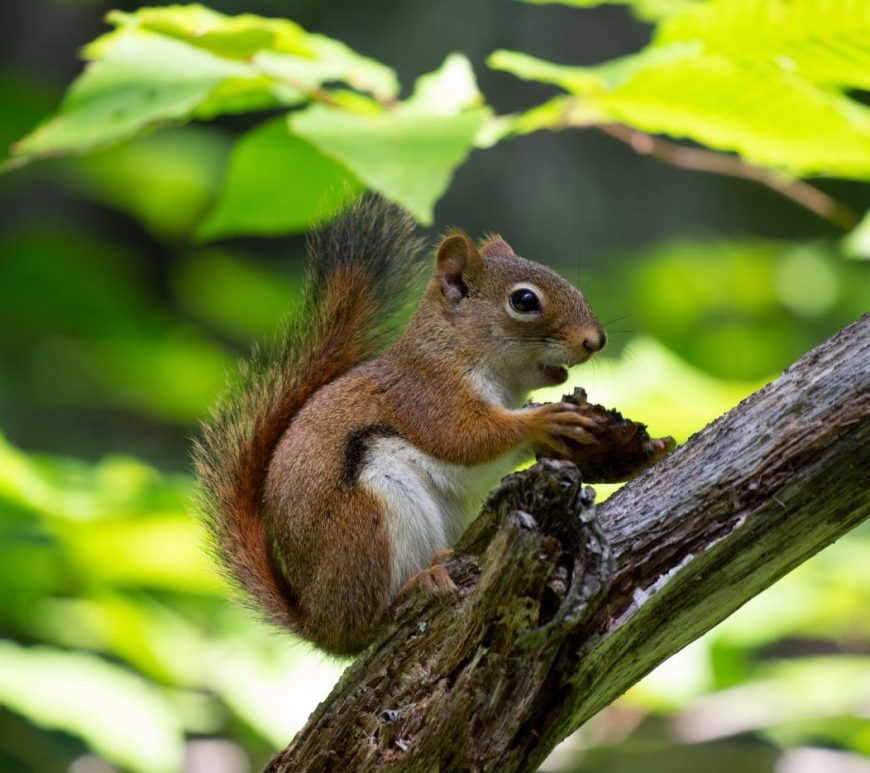
Rodents: small, furry and in a hurry

Aime Rankin, PhD student writes: Anyone with a pet dog, cat or rabbit will know the joy that furry animals can bring. But did you know that there are little fluffy creatures all around us? Britain’s most numerous mammals are shy, very energetic and an important part of the ecosystem. I am of course, talking about rodents! While some rodents get a bad reputation as … Continue reading Rodents: small, furry and in a hurry

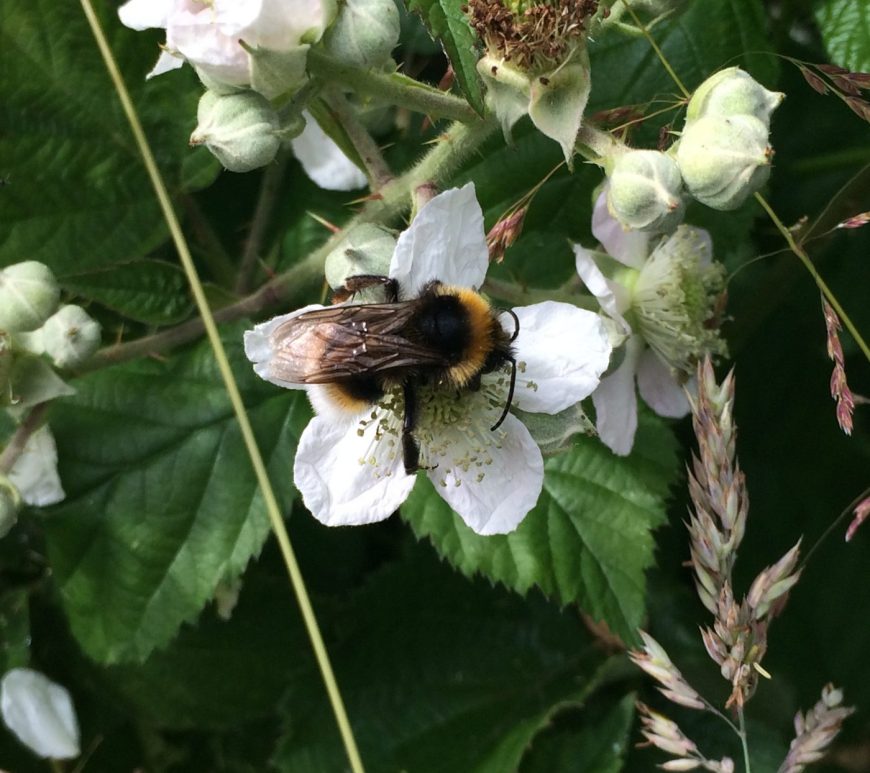
Photograph of a white-tailed bumblebee on a bramble

Early morning bumblebees

Bumblebees are among the best pollinators of any flower-visiting insects. This is for several reasons. Firstly, they are quite large and can fly long distances between flowers, transporting pollen. Secondly, they are covered with long hairs that help the bee to gather pollen but also transfer it from flower to flower. The third reason is because of a special buzzing technique the bees have (sometimes … Continue reading Early morning bumblebees

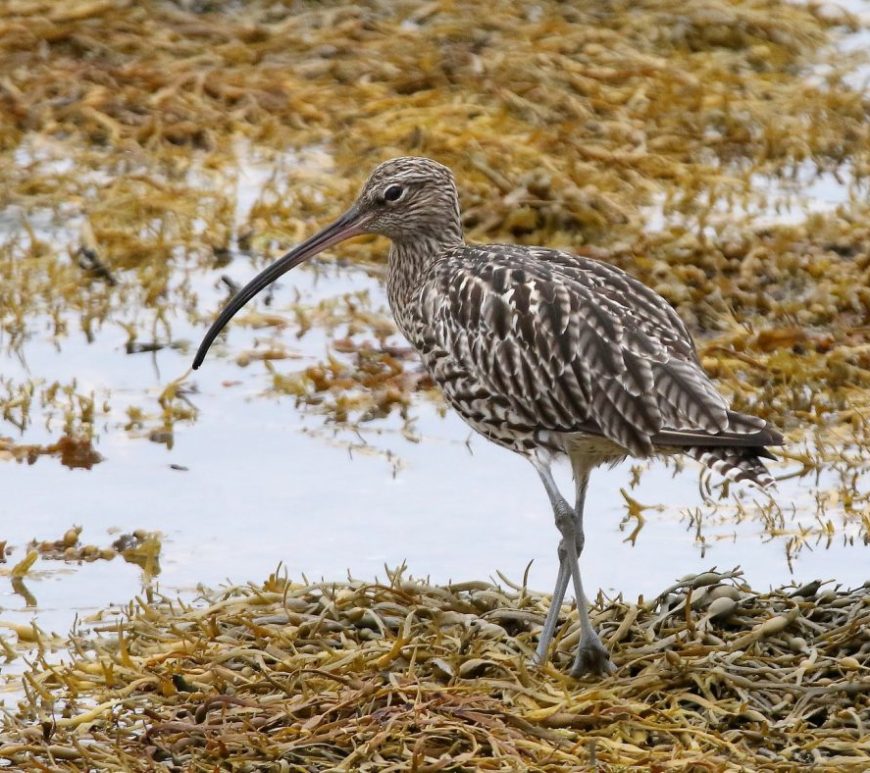
Curlew Copyright billywhiz07 on flickr

Changing environments and wading birds

To celebrate International Women’s Day and Women’s History Month the Museum is sharing the stories of 27 inspirational women, alongside the animals they work with the most. Dr Sam Franks British Trust for Ornithology I didn’t discover a passion for studying birds until I was in my twenties. After a couple of ornithological fieldwork jobs, I undertook my PhD studying the migration patterns of western … Continue reading Changing environments and wading birds