Close up of Darwin's beetle box

Highlights of the Museum of Zoology

The Museum of Zoology is open to the public again, pre-book only and with additional measures in place to keep visitors, staff and volunteers safe. Visit our website for more information and to book your free timed entry slot (tickets are released every Thursday for the following week). The Museum is home to a wonderful collection of animals, with thousands of specimens on display. Download … Continue reading Highlights of the Museum of Zoology

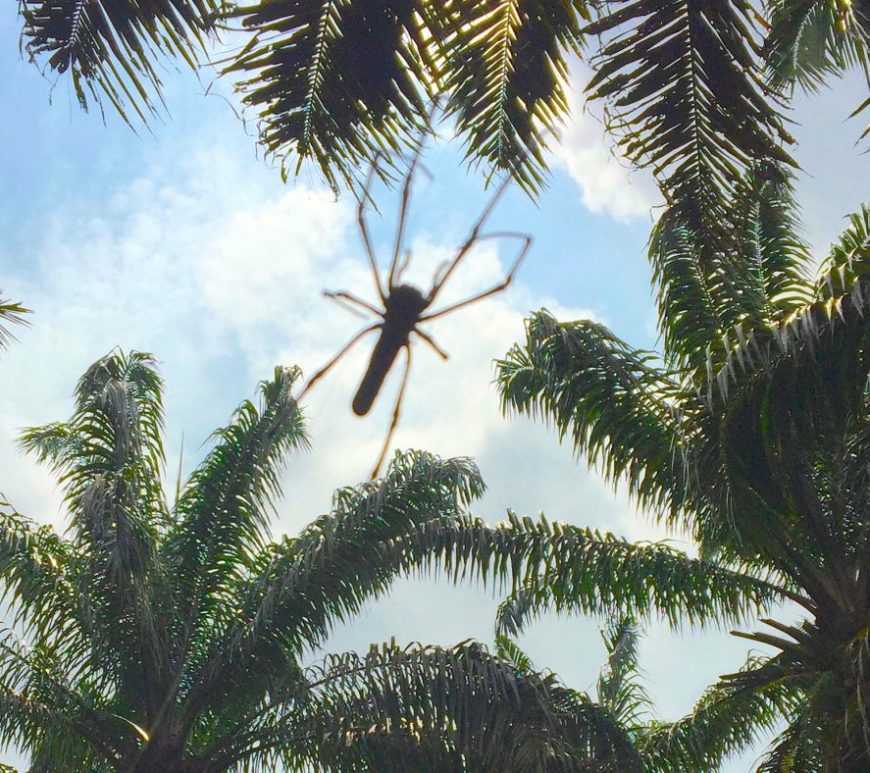
Nephila sp. Golden orb weaver and oil palm

New study assesses the impacts of oil palm replanting on arthropod biodiversity

Michael Pashkevich writes: Palm oil seems to be everywhere:  it’s probably in your shampoo, the instant noodles you ate for lunch and – if you’re wearing it – your lipstick. In fact, palm oil is the most traded vegetable oil worldwide, in part because it can be used in so many products. But the production of palm oil is highly controversial. This is because oil … Continue reading New study assesses the impacts of oil palm replanting on arthropod biodiversity

Amazing Animal Adaptations

To celebrate the Museum reopening on September 24, for pre-booked visits only (for details and how to book, see our website), we have developed a new trail around the galleries taking in some of the amazing adaptations on display. Not able to visit the Museum? You can explore these adaptations here, with some extra ideas on ways you can discover more about animal evolution at … Continue reading Amazing Animal Adaptations

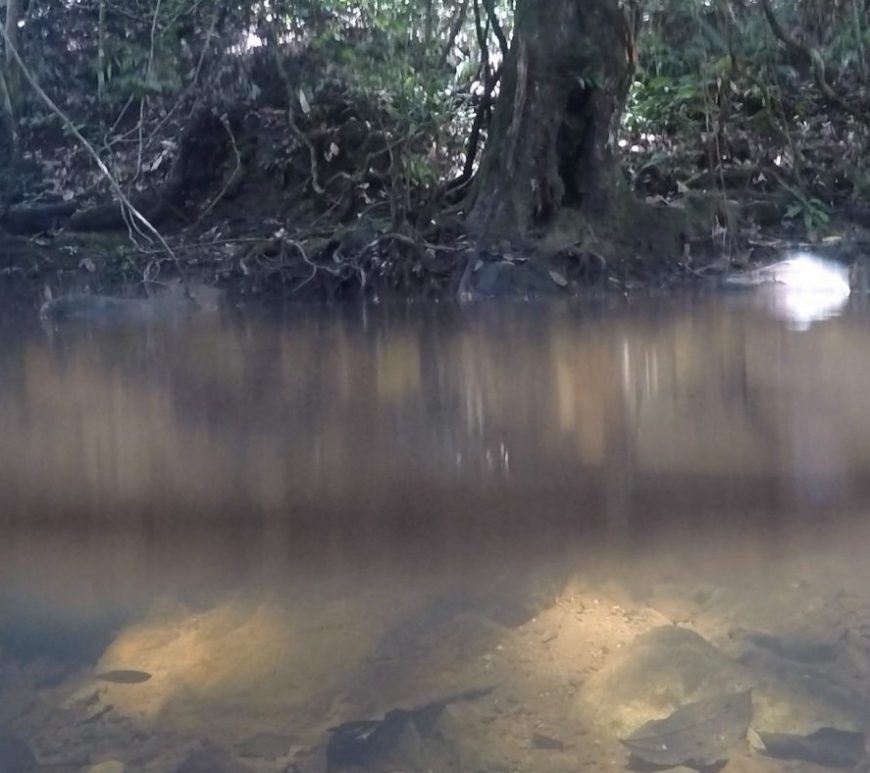
Photograph taken with lense half-way into river water

Can how we manage agriculture’s impact on insects and biodiversity?

Martina Harianja, PhD student, writes: Imagine that you were eight times as big as a grain of sugar, and you live in a fast-flowing stream. To get food, you need to swim against the current. What properties would need to accomplish this?  Semi-aquatic bugs in the genus of Rhagovelia offer a brilliant approach. Their body length ranges from two to four millimetres as an adult, and … Continue reading Can how we manage agriculture’s impact on insects and biodiversity?

Rhino craft collage

A ‘crash’ of rhinoceroses

Rhinos are big herbivores (plant-eaters) that have a huge impact on their habitat, by spreading around seeds and walking through, pushing and shoving the vegetation, which helps other animals in their environments. They have also had a big impact on human culture, appearing in all sorts of art for at least 700 years! There are five species of rhinos alive today, but sadly four of … Continue reading A ‘crash’ of rhinoceroses

Sticky post

Cambridge Urban Safari Trail

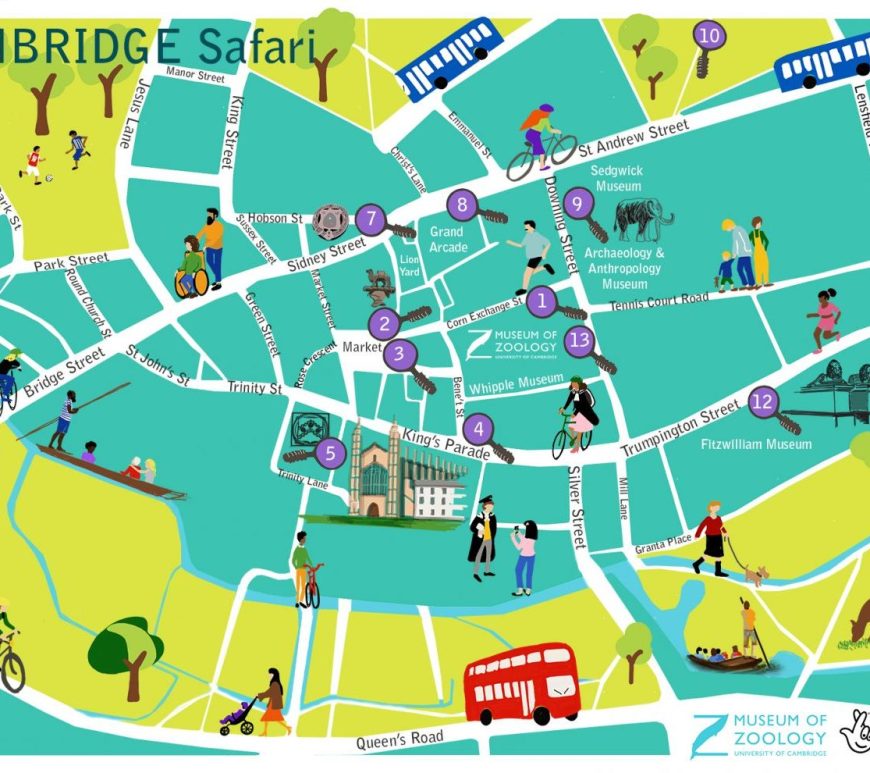
Go on safari in Cambridge’s urban jungle and search for animals of land and sea in the buildings. Follow the map and clues below to discover animals in the architecture of the city’s buildings. Our Urban Safari Trail can be followed on a smartphone here, downloaded to your own device, or printed at home before your expedition: Use the Cambridge Safari map and the clues … Continue reading Cambridge Urban Safari Trail

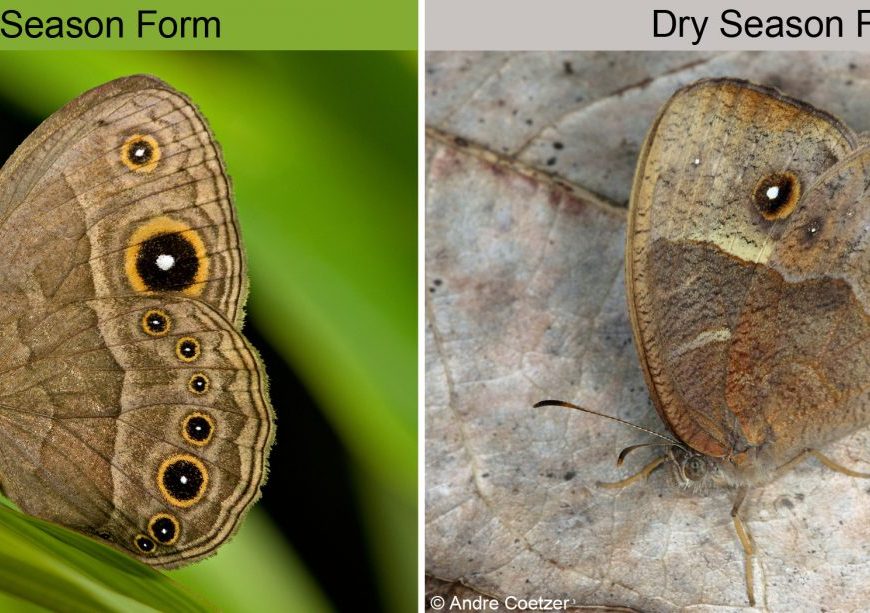
Two images showing the same butterfly species in wet season and dry season

Why do butterflies change their wing pattern with the seasons?

Sridhar Halali, graduate student researcher, writes: “While wandering amid the forests of India, I had always been struck by a few butterfly species, which seemed to exhibit different wing patterns in the wet and dry seasons. This is called ‘seasonal polyphenism’, and I found out subsequently that this phenomenon is one of the adaptations to the seasons experienced in the tropics. The wet season form … Continue reading Why do butterflies change their wing pattern with the seasons?

Animal Alphabet title page

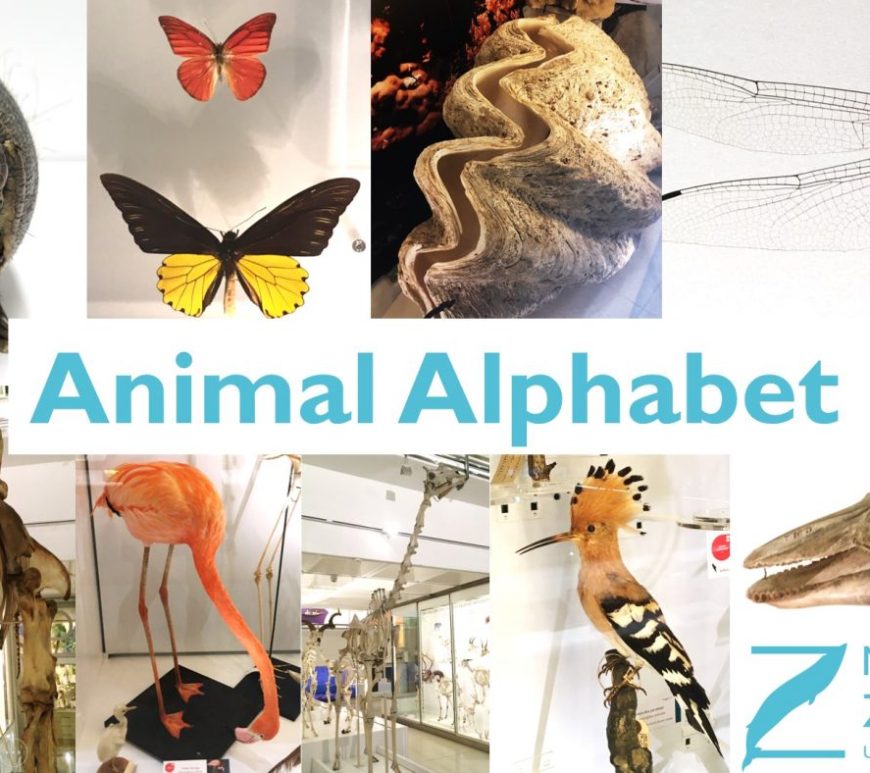
Animal Alphabet: Aardvark to Zebra

Have you been watching our Animal Alphabet virtual tours of the Museum? Each week we have taken a different letter of the alphabet and explored the animals beginning with that letter in the Museum’s displays. We reached the end of the alphabet last week, so here is our final Animal Alphabet post. We have chosen some of our favourites to give you the whole alphabet, … Continue reading Animal Alphabet: Aardvark to Zebra

Conserving Pangolins

Charles Emogor writes: I saw my first live pangolin after almost two decades of being a pangolin enthusiast. This was a special moment especially as the purpose of the field trip in Nigeria’s Cross River National Park was to find and tag white-bellied pangolins to better understand their ranging behaviour and activity patterns. This work is part of my PhD on pangolin ecology and conservation … Continue reading Conserving Pangolins

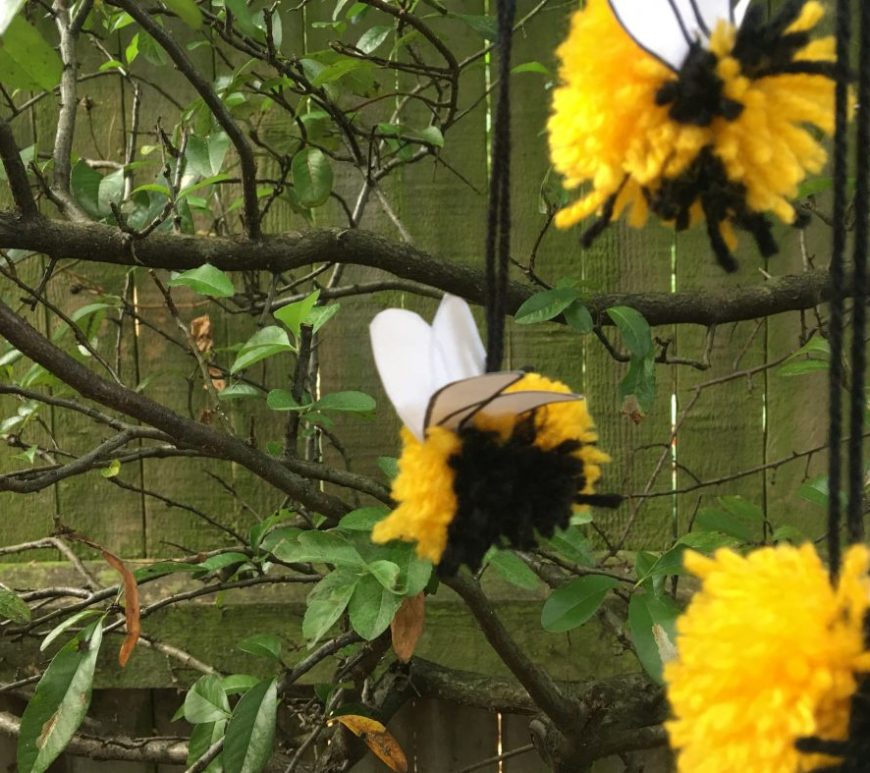
Yellow and black pom poms hanging in front of tree

Create a Bumblebee

Have you seen any bumblebees this summer? They often look more round and furry than other bees. They visit flowers to collect nectar and pollen, helping to pollinate plants as they go! Learn more about bumblebees from Ed Turner in the video below, or scroll down to get started on your Crafty Creature: Creating your bumblebee… You will need: Cardboard Wool or string(we’ve used yellow … Continue reading Create a Bumblebee

Looking over Stave Hill (c) Ella Henry

The lesser known ecological parks of London

Ella Henry, undergraduate student, writes: A concrete jungle. The constant chorus of cars and buses. Streams of artificial light from headlights, street lamps and buildings. Flocks of people everywhere. London, along with many other cities, is probably not the first place you would associate with the word ‘biodiversity’. Nevertheless, returning to London during the lockdown period has led me to appreciate its nature-engagement spaces, which … Continue reading The lesser known ecological parks of London

Photograph of a ramshorn snail and two baby newts in a pond dipping tray

Pondwatch Episode 6: Summer in the Pond

Roz Wade, Learning Officer at the Museum, writes: The garden pond has been thriving over the summer, and I have loved watching the wildlife it is supporting. Since the last episode of Pondwatch I have been pond dipping several times, and found some beautiful animals living in the water. It is wonderful to see so many baby newts, from tiny, almost transparent ones without any … Continue reading Pondwatch Episode 6: Summer in the Pond