

Puggle Club Counts to 10
Join us as we count animals in the Museum of Zoology. From the one and only Fin Whale, a whopping 21m long, to shells, birds, beetles and more. With fun animal facts along the way. Continue reading Puggle Club Counts to 10
Join us as we count animals in the Museum of Zoology. From the one and only Fin Whale, a whopping 21m long, to shells, birds, beetles and more. With fun animal facts along the way. Continue reading Puggle Club Counts to 10

This year we are taking our Winter Wildlife event online. Join us for the live launch on our YouTube channel at 4.30pm on Tuesday 1 December or catch up here: Get your questions ready for a LIVE Q&A with Rob Jaques from the British Trust for Ornithology, who’ll be talking about birds and other winter wildlife, and ways you can get involved collecting important data … Continue reading Coming Soon: 12 Days of Winter Wildlife

Researchers have discovered significant variations in the ability of different UK butterfly species to maintain a suitable body temperature. Species that rely most on finding a suitably shady location to keep cool are at the greatest risk of population decline. The results predict how climate change might impact butterfly communities, and will inform conservation strategies to protect them. The results, published in the Journal of … Continue reading Provide shady spots to protect butterflies from climate change

At this time of year, people across the world will be celebrating Diwali or Deepawali, also known as the Indian festival of lights. Create a lantern bug light holder to celebrate the festival together. What is a lantern bug? Lantern bugs, Fulgora and Pyrops, (also known as lanternflies) are found across south and south east Asia, and the Americas; mostly in tropical regions. They are part of … Continue reading Lantern bugs for a Festival of Lights

Are you missing the Museum of Zoology? We are in lockdown again, but we have the next best thing for you here: a virtual tour with Assistant Director Jack Ashby. See our fabulous fin whale, get up close to specimens collected by Charles Darwin, and discover Diprotodon, the largest ever Australian mammal. You can find more highlights of the Museum in our online Highlights Trail. Continue reading Virtual Museum Tour

Ever wondered how bees communicate with each other to work as a team? Learn about the important job these pollinating insects carry out. Play our ‘Talk like a Bee’ game and discover how bees can ‘smell’ each other when visiting flowers, and find out how we can give these insects a helping hand by building your very own bee-friendly winter refuge. Insect communication Insects can … Continue reading Busy Bee Communication
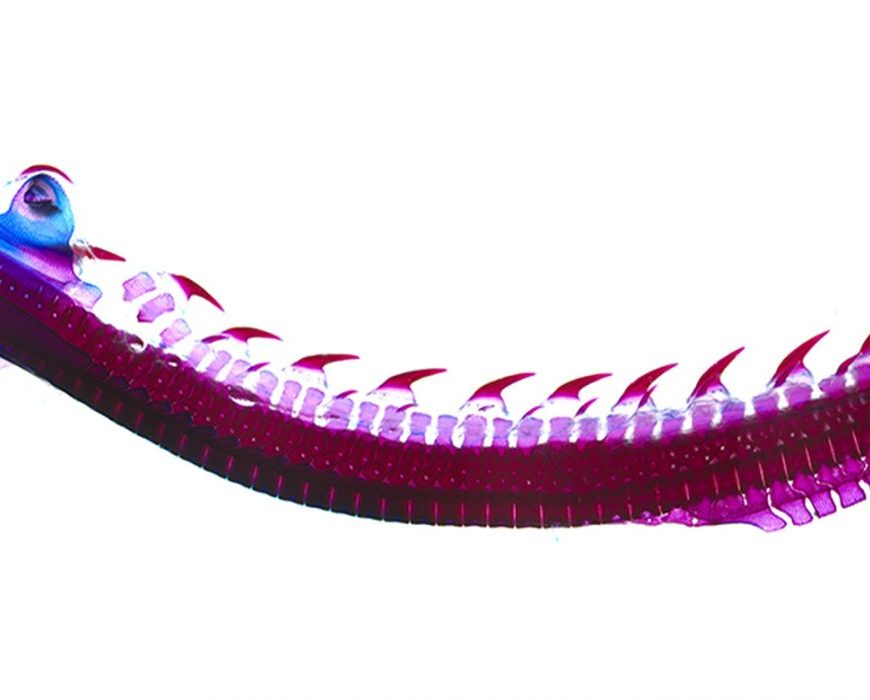
Kate Criswell, Postdoctoral Research Associate, writes: One of the key features that distinguishes vertebrate animals from our invertebrate cousins (such as insects and molluscs) is a backbone, or a series of vertebrae that run the length of the body. These vertebrae can range in number from only nine in frogs to over 300 in elongate animals like snakes and eels! They are important for providing … Continue reading Segmentation of the backbone
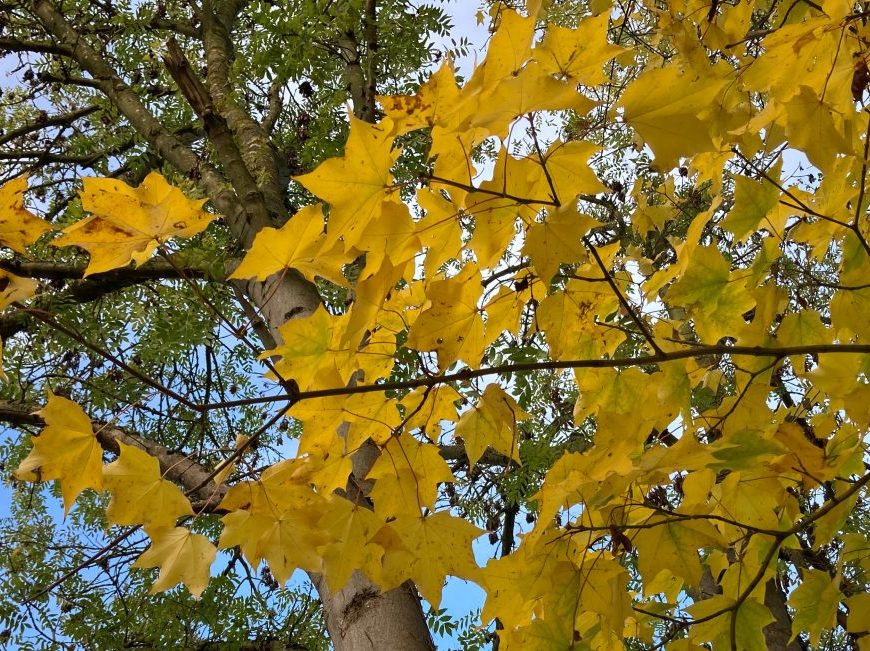
Look out of your window and you are probably seeing some big changes happening in the natural world outside. It is getting dark in the early evening. The leaves on the trees are changing colour from green to orange and yellow then falling to the ground. You might have spotted bunches of berries, or conkers and other nuts. And the temperature is dropping too. It’s … Continue reading The Changing Seasons
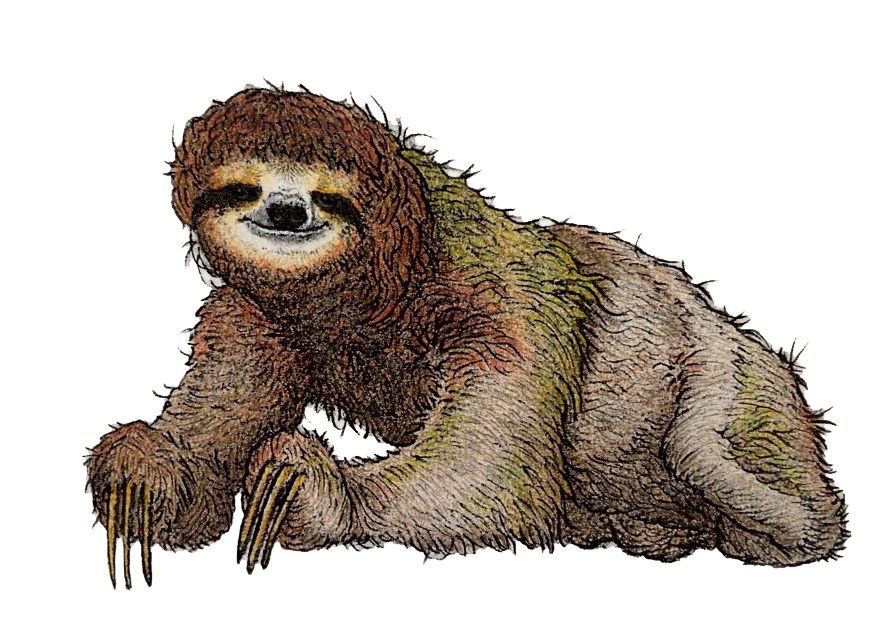
For October half term this year, we hid eight sloths in the displays at the Museum of Zoology. We had planned for these to be up until November 7 for you to find, but circumstances have changed and we have had to close our doors once more. But we can’t leave you without access to our wonderful sloths, so here’s a Puggle Club story all … Continue reading Sleepy Sloths
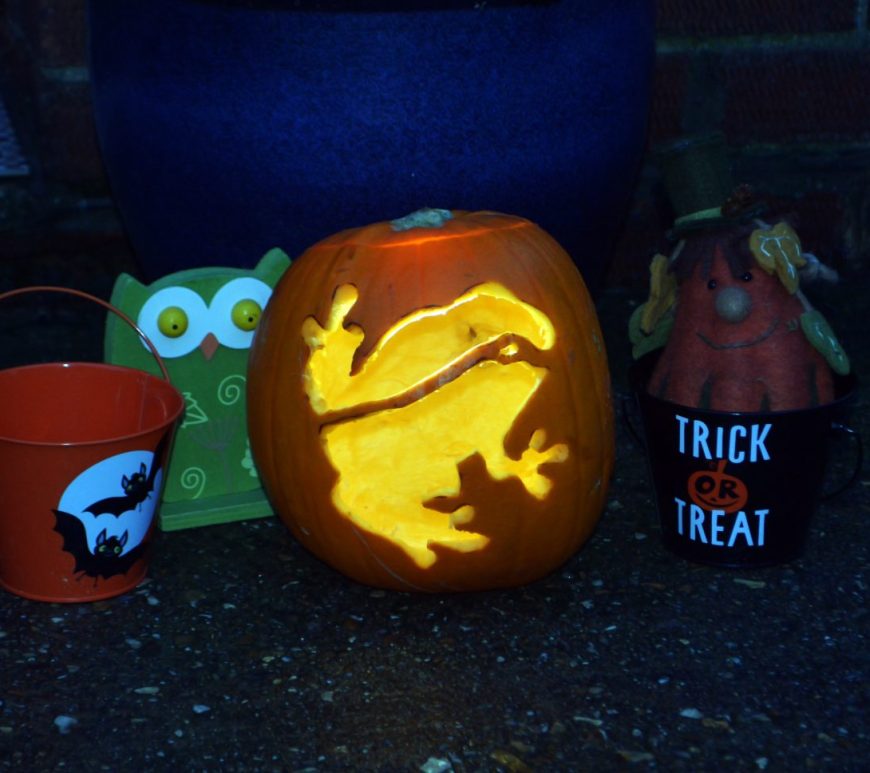
Follow our top tips on how to use and dispose of your pumpkin in a sustainable way; looking after you and the planet. Plus, we’ve got four awesome autumnal animal stencils and a step-by-step guide for carving your own pumpkin lantern. Sustainable pumpkins There’s plenty of things to do with the leftover seeds and fibres after pumpkin carving. Here’s some top tips on where to … Continue reading Proud Pumpkins: making sustainable choices

Valentine Reiss-Woolever, a PhD student in the Insect Ecology Group, writes: Bamboo straws, Nordic flight shame, and reusable tote bags – environmentally minded consumption is increasingly common. A buzzword in recent years, “conscientious consumption” describes our attempts to spend money with an awareness of how our choices affect the world outside of ourselves. At the start of 2020, 64% of Germans said “living more sustainably” … Continue reading Palm oil boycotts may block the path to sustainability

This week we celebrate International Sloth Day (20th October) with a mossy mate that will hang from almost anywhere. Sloths are known for being a laid back mammal; feeding exclusively on leaves and moving rather slowly through the rainforest canopys of South and Central America. What you might not know about sloths is that many species live in symbiosis (mutally beneficial relationship) with mosses and … Continue reading A Slumber of Sloths

If you have ever visited the Museum of Zoology, you will have seen that we have skeletons big and small, from our enormous fin whale greeting you as you come into the Museum, to tiny mice and the exoskeletons of insects. In this Nature Classroom we will be exploring what a skeleton is, why skeletons are important, and taking you on a guided tour of … Continue reading Skeletons!

Amjad Khalaf, undergraduate student, writes: One of my fondest childhood memories is chasing butterflies and ladybirds in the garden and being fascinated by their vibrant colours as they flew around. Thinking back, that was one of the main reasons I became interested in biology; I often found myself wondering why they looked the way they did and how they lived their lives that were so … Continue reading ‘Chasing butterflies’ at the Museum of Zoology

What’s black and white and likes eggs for dinner? The UK’s largest land predator of course! This week we celebrate the European badger; an omnivore that likes to snack on small mammals, birds’ eggs, worms, fruit and plants. Discover more about how scientists are Conserving Britain’s Carnivores here or delve into the details of a badger’s skull with our Exploring Skulls video: Creating your badger … Continue reading National Badger Day Mask


 Museum of Zoology Blog