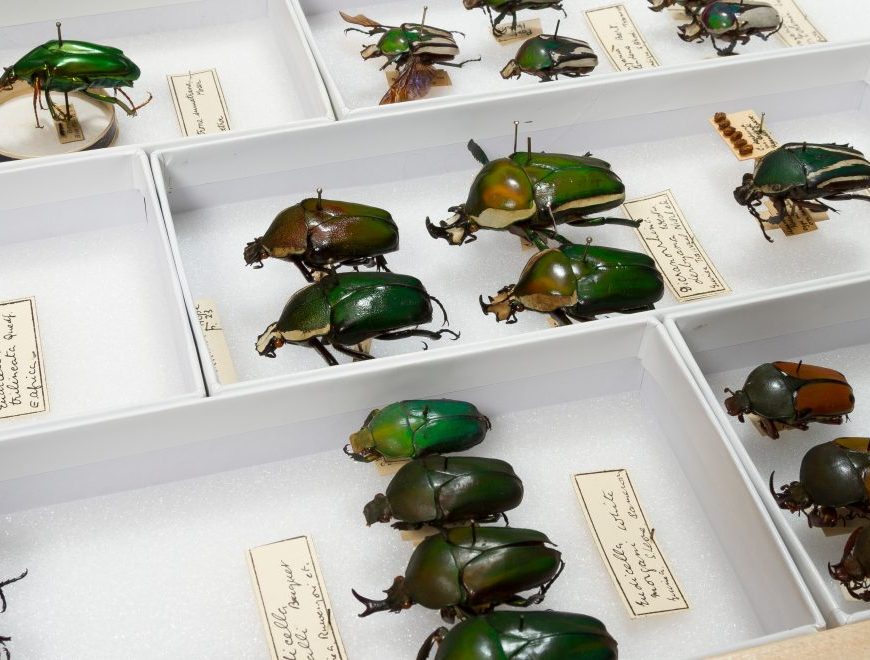
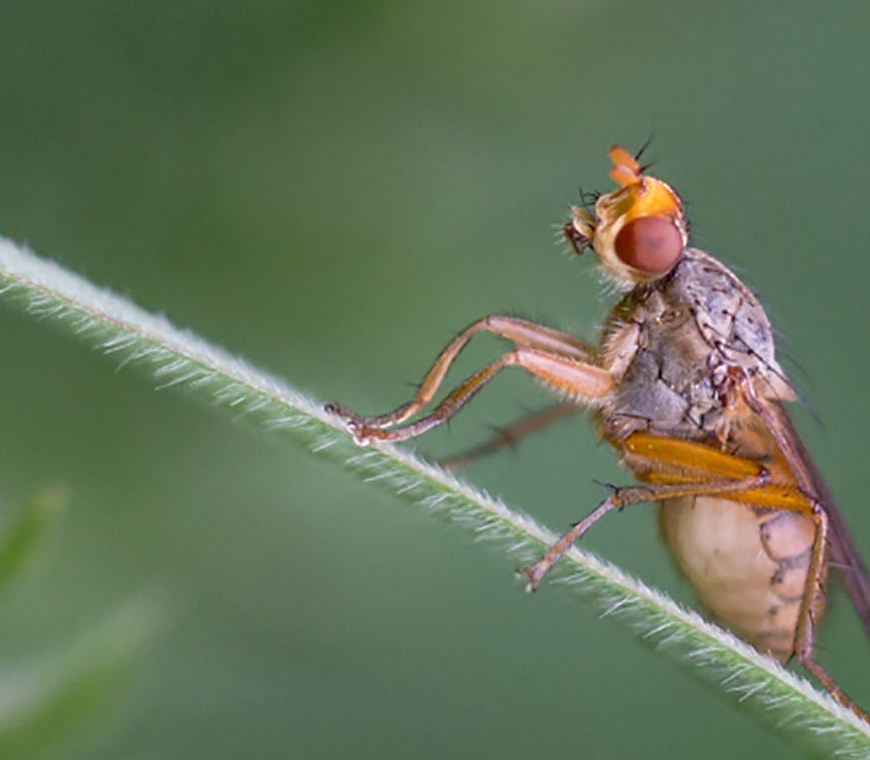
Fly. Image credit Geoff Oliver

True flies: communicating through vibration

To celebrate International Women’s Day and Women’s History Month the Museum is sharing the stories of 27 inspirational women, alongside the animals they work with the most. Dr Caroline Fabre Department of Zoology “Scientists study the courtship of true flies as it helps us understand how nerves and muscles in the body allow behaviours and communication between individuals. I discovered that flies communicate during courtship … Continue reading True flies: communicating through vibration

Goldfinch and great tit on feeder. Image credit John Howlett

The value of gardens for birds

To celebrate International Women’s Day and Women’s History Month the Museum is sharing the stories of 27 inspirational women, alongside the animals they work with the most. Kate Risely British Trust for Ornithology “My work is in monitoring garden wildlife. I’m particularly interested in how birds use the resources in green spaces in our towns and cities, and the benefits to human wellbeing from everyday … Continue reading The value of gardens for birds

Whale tail

The impact of stories on wildlife conservation

To celebrate International Women’s Day and Women’s History Month the Museum is sharing the stories of 27 inspirational women, alongside the animals they work with the most. Anna Guasco Department of Geography “I’m a first-year Geography PhD student studying histories and narratives of grey whales along the North American Pacific Coast. I’m fascinated by the varieties of relationships between people and grey whales, the stories … Continue reading The impact of stories on wildlife conservation

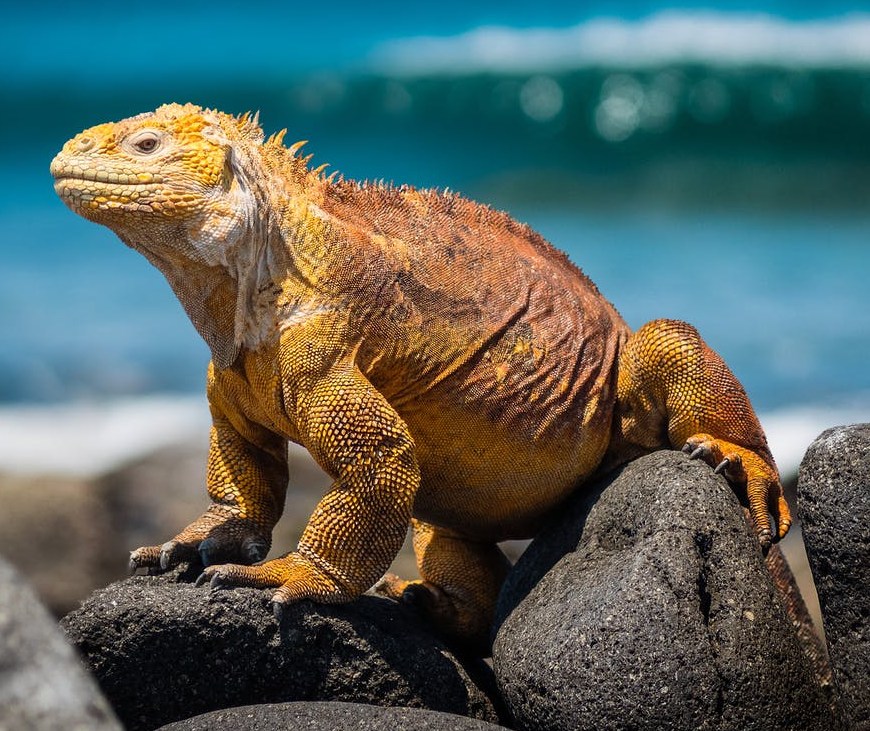
Urbanisation on the Galápagos Islands

To celebrate International Women’s Day and Women’s History Month the Museum is sharing the stories of 27 inspirational women, alongside the animals they work with the most. Dr Kiyoko Gotanda Department of Zoology “My research centres on how animals are adapting to human influences such as urbanisation. Permanent human populations now live on four of the Galápagos Islands. For animals, urbanisation drastically changes the environment … Continue reading Urbanisation on the Galápagos Islands

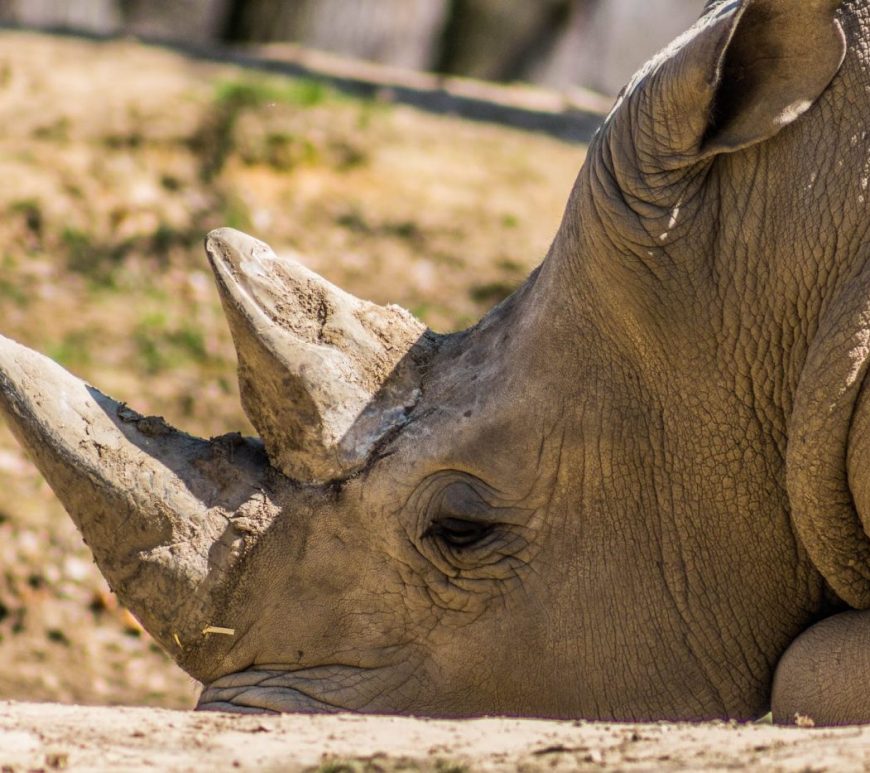
Museum of Zoology Rhino Specimen. Please note that the horn on the specimen is a replica. Credit S Steele.

Rhinos in art: not just a pretty picture

Oscar Wilson, graduate student says, Not being conventionally beautiful, cute or colourful, rhinos might not seem like the obvious choice for most artists. However they have a much more important role in art history than most animals and the importance of art to the five modern rhino species continues to this day. “How did it die?” One of the scariest questions you can be asked … Continue reading Rhinos in art: not just a pretty picture

Climate responses in the absence of humans

To celebrate International Women’s Day and Women’s History Month the Museum is sharing the stories of 27 inspirational women, alongside the animals they work with the most. Dr Michela Leonardi Department of Zoology “If we want to improve conservation strategies in the face of the current climate emergency, we need to understand how climate influences animal  distribution in the absence of human activity. This is … Continue reading Climate responses in the absence of humans

Rhino

Exploring gender in conservation

To celebrate International Women’s Day and Women’s History Month the Museum is sharing the stories of 27 inspirational women, alongside the animals they work with the most. Fleur Nash Department of Geography “For me, when I think of animals, I can’t separate them from humans. That is why I am researching conservation and how humans, in the form of international non-governmental organisations (INGOs), work within … Continue reading Exploring gender in conservation

Coral reef. Credit S Steele

Our Changing Reef Habitats

Just beneath the waves in shallow tropical seas you’ll find a world teeming with life. It’s here that we find coral reefs – colourful habitats where countless creatures live. This Nature Classroom will explore these fascinating ecosystems and how they are being affected by climate change. First we will uncover what corals are, then make a coral reef spinner to explore coral bleaching. We’ll then … Continue reading Our Changing Reef Habitats

Eudyptula minor, University Museum of Zoology collection, copyright University of Cambridge

Protecting penguins

To celebrate International Women’s Day and Women’s History Month the Museum is sharing the stories of 27 inspirational women, alongside the animals they work with the most. Dr Antje Steinfurth RSPB, Centre for Conservation Science “Penguins are one of the most iconic groups of animals, but over half of the world’s penguin species are under threat of extinction. My research has focused on understanding the … Continue reading Protecting penguins

Ana Carneiro looking at albatross

Tracking albatrosses

To celebrate International Women’s Day and Women’s History Month the Museum is sharing the stories of 27 inspirational women, alongside the animals they work with the most. Dr Ana Carneiro and Lizzie Pearmain BirdLife International “The population of wandering albatrosses at South Georgia has declined catastrophically since the 1960s. The major cause of their decline is the birds getting caught on or colliding with fishing … Continue reading Tracking albatrosses

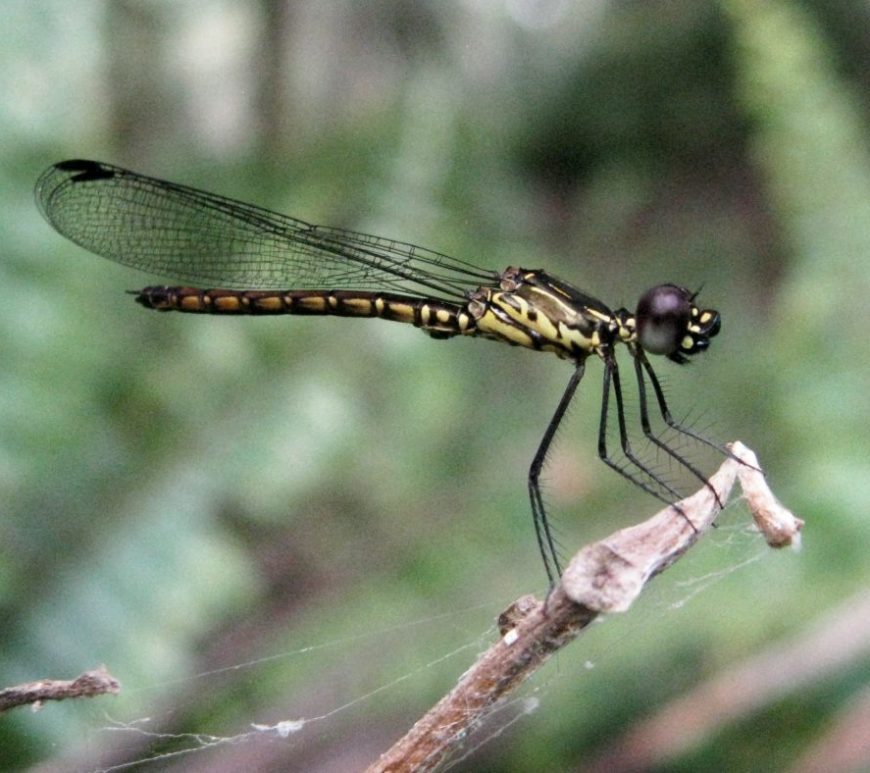
Dragonfly (BEFTA). Credit Ed Turner

A diversity of dragonflies in oil palm plantations

Sarah Luke Museum of Zoology, Insect Ecology Group New research from the Museum of Zoology and collaborators finds a diverse and variable dragonfly community in oil palm plantations in Sumatra, Indonesia. Across the globe, large areas of naturally forested habitats have been converted to agriculture to feed a growing world population. This conversion usually results in dramatic changes in the habitat, including losses of habitat … Continue reading A diversity of dragonflies in oil palm plantations