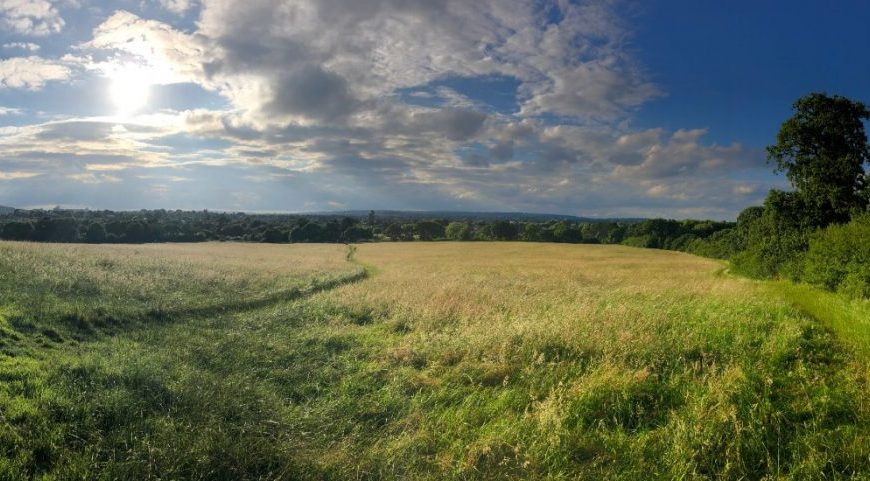
30 days wild, fenland. Credit Kate Howlett

Reflections: Wildlife Trusts’ 30 Days Wild

Kate Howlett, NERC-funded PhD student says: Back at the end of May, I set myself the challenge of taking part in the Wildlife Trusts’ 30 Days Wild initiative, so for every day in June I chose a ‘random act of wildness’ to complete. In a nutshell, I’m happy to report that all the hype and positive effects are true. I’ve spent a beautiful month, over … Continue reading Reflections: Wildlife Trusts’ 30 Days Wild

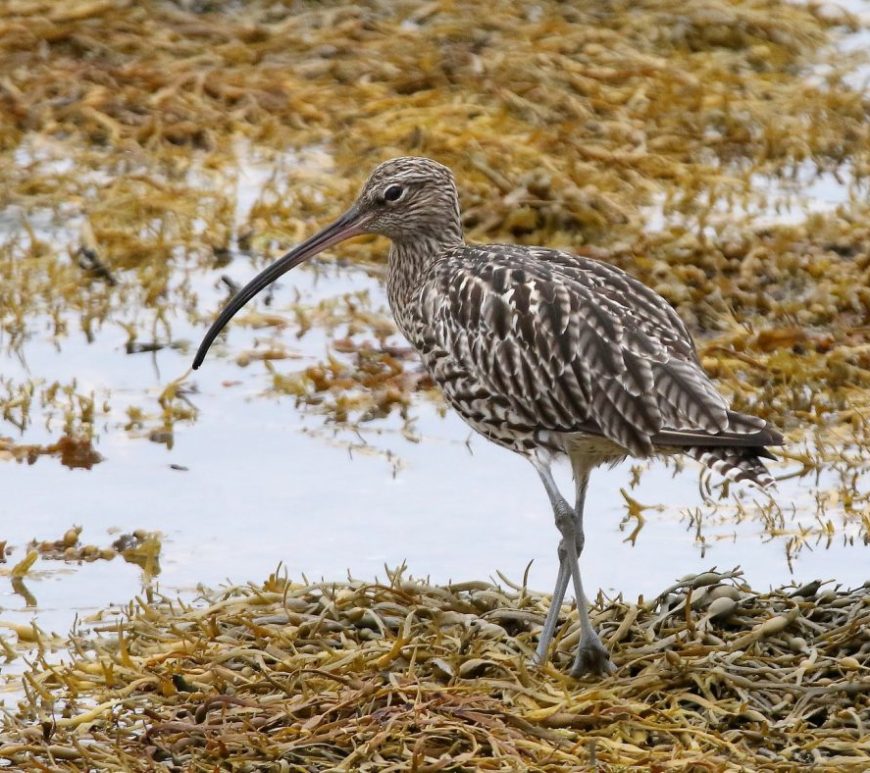
Curlew Copyright billywhiz07 on flickr

Changing environments and wading birds

To celebrate International Women’s Day and Women’s History Month the Museum is sharing the stories of 27 inspirational women, alongside the animals they work with the most. Dr Sam Franks British Trust for Ornithology I didn’t discover a passion for studying birds until I was in my twenties. After a couple of ornithological fieldwork jobs, I undertook my PhD studying the migration patterns of western … Continue reading Changing environments and wading birds

Kate climbing over a fallen tree

Why I’ll be taking part in the Wildlife Trusts’ 30 Days Wild this June

Kate Howlett, NERC-funded PhD student says: Have the lockdown restrictions been changing the way we interact with and value nature? It certainly feels that way at the moment: social media is filled with photos people have snapped on their daily walk, along with captions expressing gratitude for their local green patch; a new-found joy in bird watching or a rekindled appreciation for the beauty of … Continue reading Why I’ll be taking part in the Wildlife Trusts’ 30 Days Wild this June
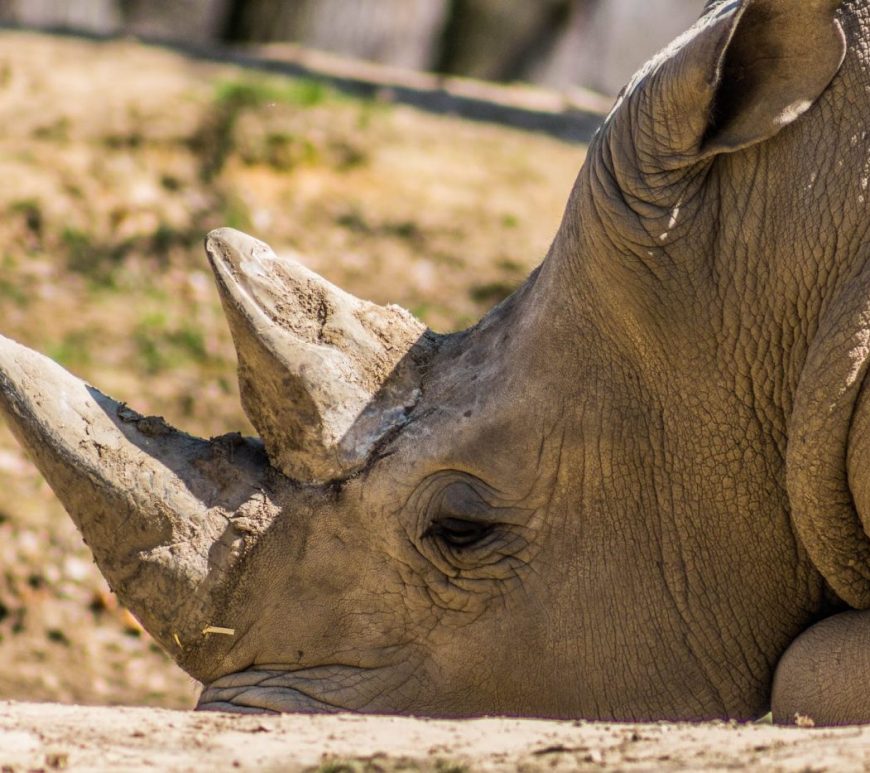
Museum of Zoology Rhino Specimen. Please note that the horn on the specimen is a replica. Credit S Steele.

Rhinos in art: not just a pretty picture

Oscar Wilson, graduate student says, Not being conventionally beautiful, cute or colourful, rhinos might not seem like the obvious choice for most artists. However they have a much more important role in art history than most animals and the importance of art to the five modern rhino species continues to this day. “How did it die?” One of the scariest questions you can be asked … Continue reading Rhinos in art: not just a pretty picture

Common lizard. Image credit John Howlett

Sunshine and Scales: British Reptiles

Alex Howard, PhD Student, writes: While our trademark rainy and cold weather are not always the most conducive to ‘herping’ (going outside to look for reptiles), the UK is in fact home to six different species of reptile. If you’re going on walks early in the morning, you may spot some of our native scaly friends. You’ll be lucky to see them, as all of … Continue reading Sunshine and Scales: British Reptiles

Rhino

Exploring gender in conservation

To celebrate International Women’s Day and Women’s History Month the Museum is sharing the stories of 27 inspirational women, alongside the animals they work with the most. Fleur Nash Department of Geography “For me, when I think of animals, I can’t separate them from humans. That is why I am researching conservation and how humans, in the form of international non-governmental organisations (INGOs), work within … Continue reading Exploring gender in conservation

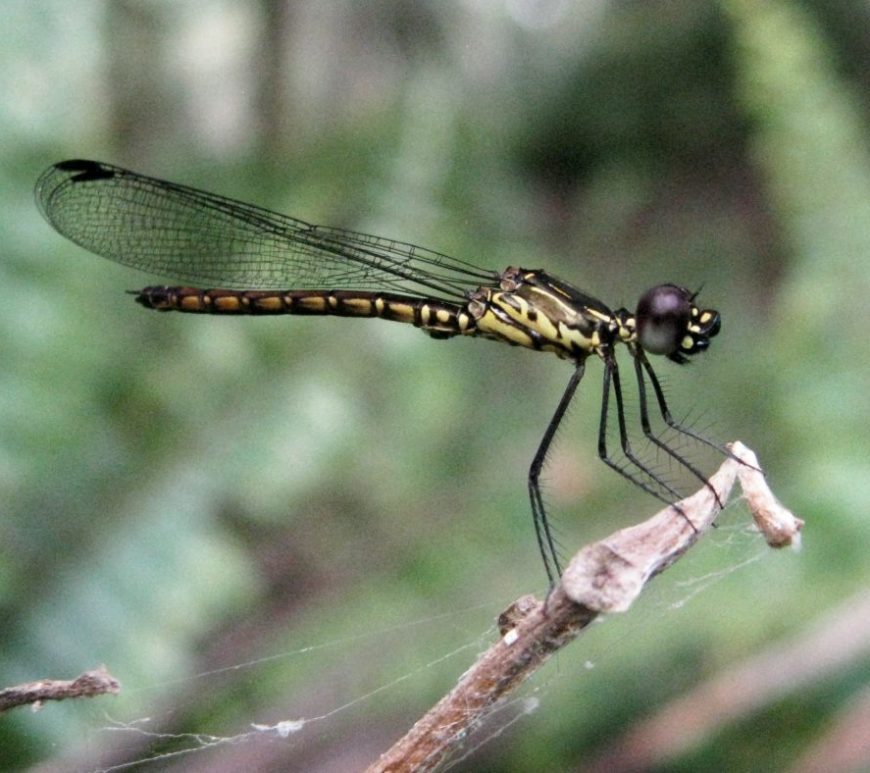
Dragonfly (BEFTA). Credit Ed Turner

A diversity of dragonflies in oil palm plantations

Sarah Luke Museum of Zoology, Insect Ecology Group New research from the Museum of Zoology and collaborators finds a diverse and variable dragonfly community in oil palm plantations in Sumatra, Indonesia. Across the globe, large areas of naturally forested habitats have been converted to agriculture to feed a growing world population. This conversion usually results in dramatic changes in the habitat, including losses of habitat … Continue reading A diversity of dragonflies in oil palm plantations

Linyphiidae spider on leaf

Your friendly neighbourhood British spiders

Michael Pashkevich, PhD Student, writes: One of my favourite traits of spiders is that they are widespread in distribution. This means that they live nearly everywhere that humans do, including within and around our homes. This is particularly good news for Britons, because none of the 650+ spider species in the UK are dangerous to healthy humans. Right now, many of us are being asked … Continue reading Your friendly neighbourhood British spiders

Komodo Island illustration

Here be Dragons!

Explore the real-life world of dragons… Tom Jameson, PhD student says, Dragons do not only populate the myths and legends of the past, but also the world around us. Komodo dragons, Varanus komodoensis, are the world’s largest lizards, so named for reminding early explorers of the beasts of legend. Life as a Komodo dragon Komodo dragon’s skin is rough and durable like other large lizards, … Continue reading Here be Dragons!

Hover Fly On Poppy Head - credit Kate Howlett

Insects are animals too: why perceptions matter

Kate Howlett, NERC-funded PhD student says, Thank you to everyone who got involved in our little experiment last week to find out who we think of as the Easter bunny. Whilst questions like this which ask about our perception of animal species are often just a bit of fun, they are also important in building up a larger picture about our relationship with the natural … Continue reading Insects are animals too: why perceptions matter