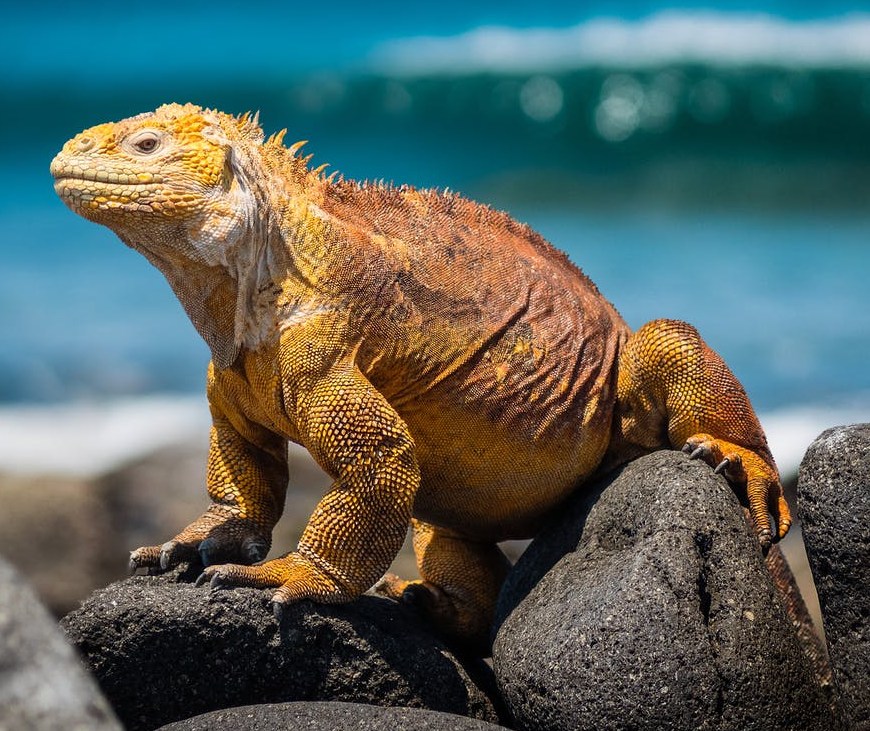
Urbanisation on the Galápagos Islands

To celebrate International Women’s Day and Women’s History Month the Museum is sharing the stories of 27 inspirational women, alongside the animals they work with the most. Dr Kiyoko Gotanda Department of Zoology “My research centres on how animals are adapting to human influences such as urbanisation. Permanent human populations now live on four of the Galápagos Islands. For animals, urbanisation drastically changes the environment … Continue reading Urbanisation on the Galápagos Islands

Photograph of a reed warbler

The Ten Locally Breeding Warblers

Academic in the Department of Zoology, and one of our visitor engagement volunteers in the Museum, Dr Tony Fulford writes: ‘Swallows don’t quite do it for me.  Don’t get me wrong, they are wonderful birds, skimming the ponds and twittering in the sky, but it isn’t they who bring in spring.  They are up there if you look but they don’t fill the air with … Continue reading The Ten Locally Breeding Warblers

Eudyptula minor, University Museum of Zoology collection, copyright University of Cambridge

Protecting penguins

To celebrate International Women’s Day and Women’s History Month the Museum is sharing the stories of 27 inspirational women, alongside the animals they work with the most. Dr Antje Steinfurth RSPB, Centre for Conservation Science “Penguins are one of the most iconic groups of animals, but over half of the world’s penguin species are under threat of extinction. My research has focused on understanding the … Continue reading Protecting penguins

Ana Carneiro looking at albatross

Tracking albatrosses

To celebrate International Women’s Day and Women’s History Month the Museum is sharing the stories of 27 inspirational women, alongside the animals they work with the most. Dr Ana Carneiro and Lizzie Pearmain BirdLife International “The population of wandering albatrosses at South Georgia has declined catastrophically since the 1960s. The major cause of their decline is the birds getting caught on or colliding with fishing … Continue reading Tracking albatrosses

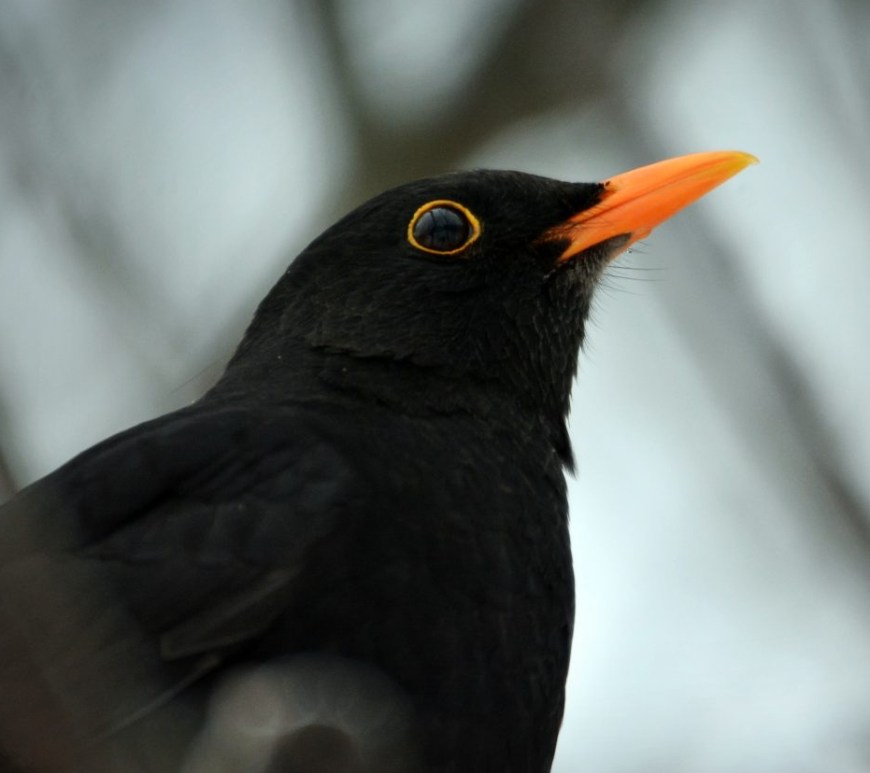
Photograph of a male blackbird

Song of the Blackbird

Academic in the Department of Zoology, and one of our visitor engagement volunteers in the Museum, Dr Tony Fulford writes: ‘How many people don’t recognise one of the nation’s favourite birds?  For those unfamiliar with the blackbird, the male is jet black with a bright yellow bill and yellow ring around his eye.  The female is similar-looking but is dark brown, often with a few … Continue reading Song of the Blackbird

Lesser redpolls University Museum of Zoology collection ©University of Cambridge

Understanding bird populations in a changing world

To celebrate International Women’s Day and Women’s History Month the Museum is sharing the stories of 27 inspirational women, alongside the animals they work with the most. Eleanor Miller Department of Zoology “We live in an era of significant environmental and climatic change. To understand how species might cope with different climates in the future, it is important to explore how they responded to rapid … Continue reading Understanding bird populations in a changing world

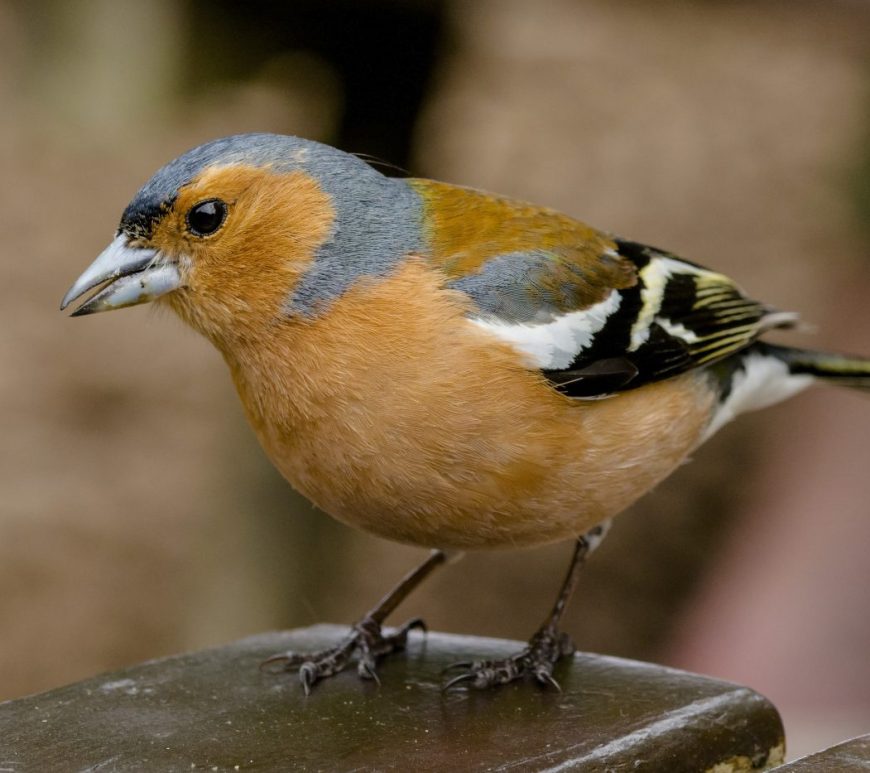
Photograph of a male chaffinch

Nature Postcard from Wicken Fen

We have a treat this week in Wildlife From Your Window: a virtual postcard from a pre-lockdown Wicken Fen, written by Professor Nick Davies of the Department of Zoology. ‘Just before the lockdown, there was a final chance to visit Wicken Fen, still clothed in her winter’s coat of last year’s yellow reeds. Many birds were still in winter flocks. On the floods, there were … Continue reading Nature Postcard from Wicken Fen

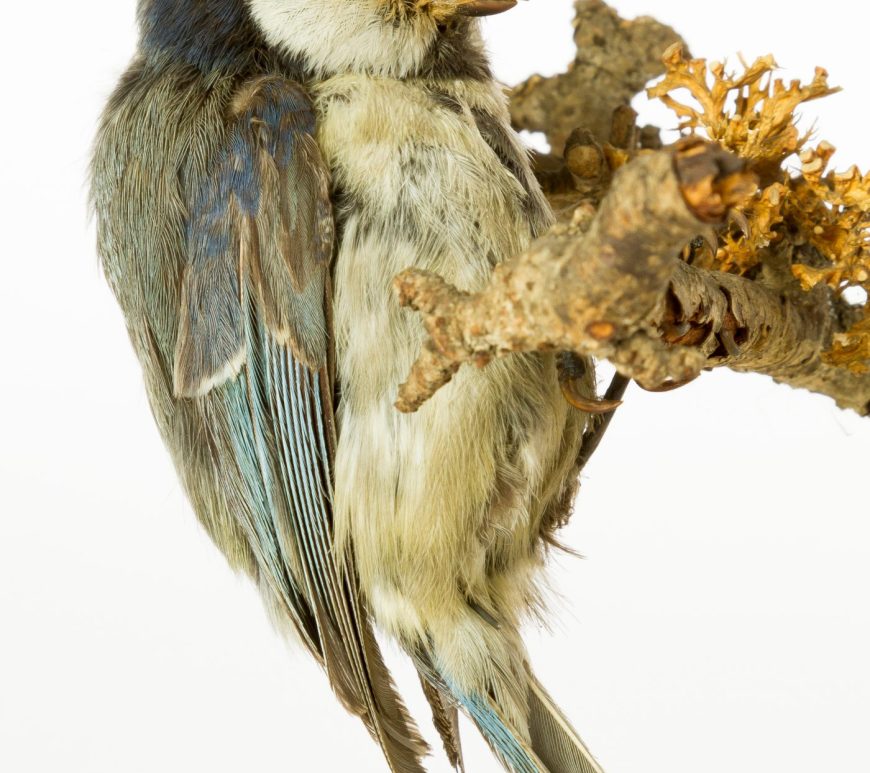
taxidermy blue tit at the Museum of Zoology

Birds: Blue tits and their relatives

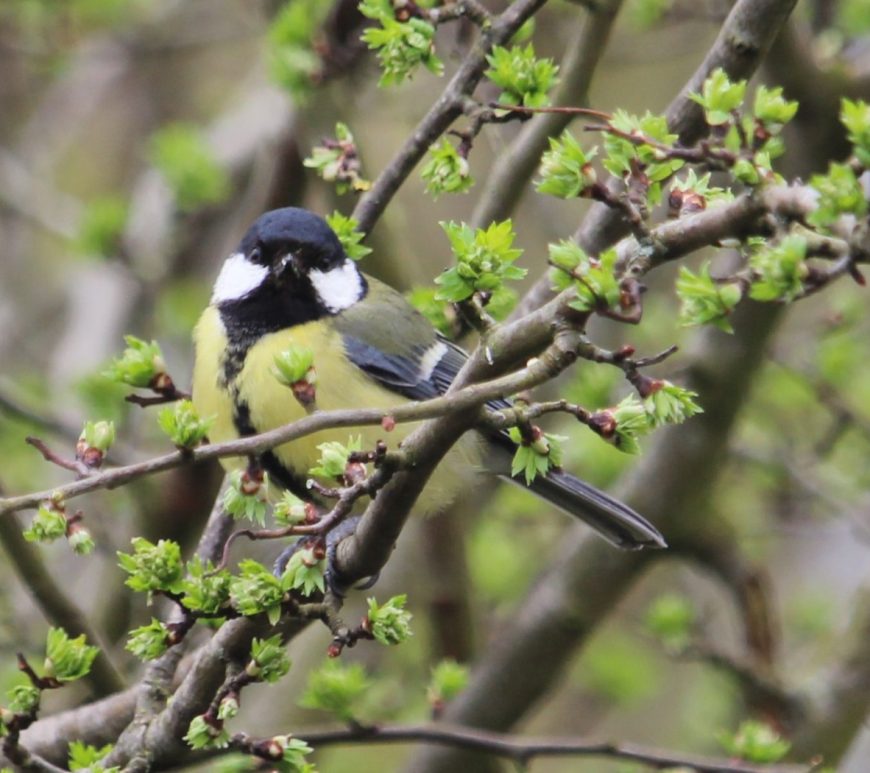
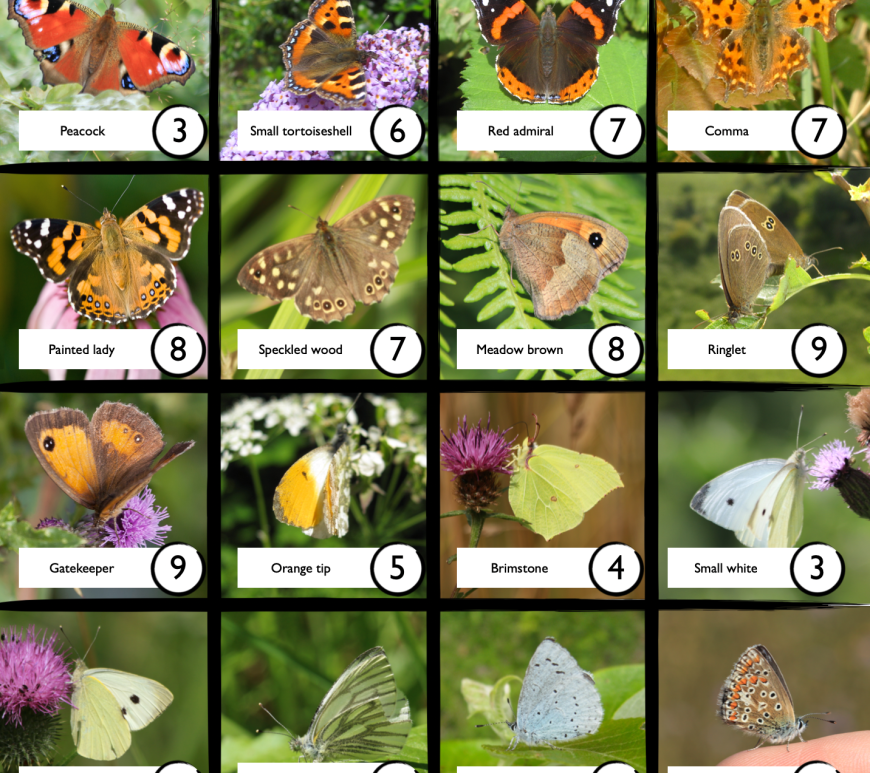
Are you playing our Open Your Window Bingo? Discover more about some of the colourful garden birds that feature on it: blue tits, great tits and long-tailed tits. A flash of yellow, blue and green in the air – blue tits are colourful little birds often seen on bird feeders. They eat insects, caterpillars and seeds. We see bright colours and patterns when we see … Continue reading Birds: Blue tits and their relatives

Robin specimen at the Museum of Zoology

Birds: Meet the Robin

Roz Wade, Learning Officer a the Museum, writes: We are starting our Birdwatch series on the blog with one of our favourite British birds: the robin, Erithacus rubecula. With its cheerful red breast, the robin provides a flash of colour throughout the year. Seen one? It’s worth three points on our Open Your Window Bingo Like many people, a robin was my ‘starter bird’ for … Continue reading Birds: Meet the Robin