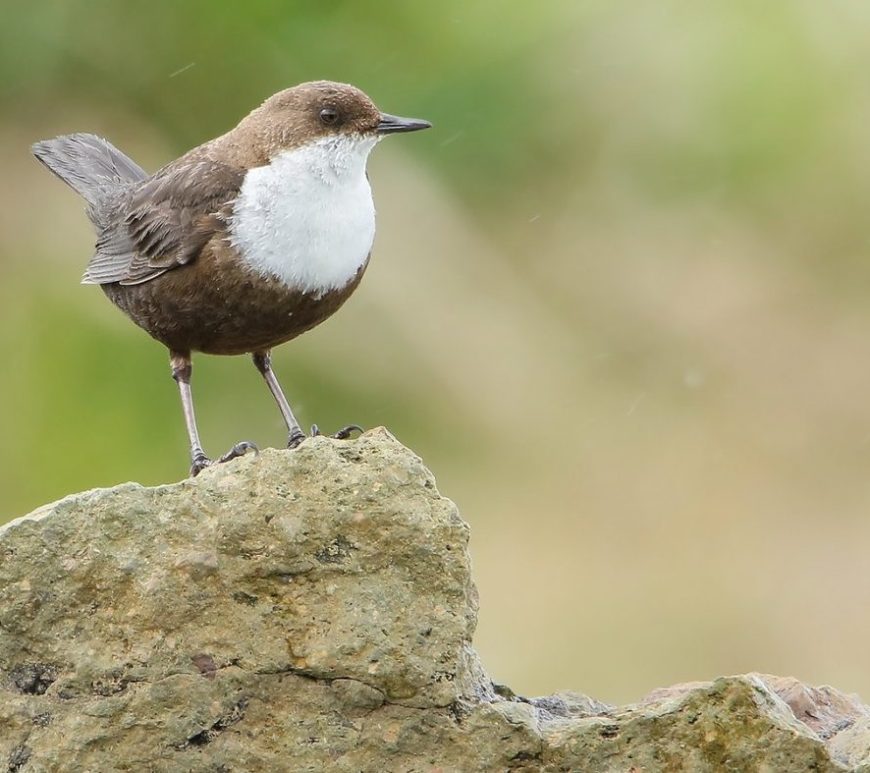
dipper (c) Iman Shah

Understanding dippers, understanding impact

To celebrate International Women’s Day and Women’s History Month the Museum is sharing the stories of 27 inspirational women, alongside the animals they work with the most. Prof Juliet Vickery Head of International Research, Conservation Science RSPB “I firmly believe that effective conservation action should be under-pinned by science. My research has always focussed on understanding the impact of human-related environmental change on the natural … Continue reading Understanding dippers, understanding impact

Girl in classroom with

Teachers: How can we help you?

As schools plan for a very different academic year to begin, we appreciate the new challenges being faced by teachers and pupils, and the amount of extra work and stress being placed on you at this time. The Museum’s learning team would like to support you however we can, and are looking to reimagine our schools programme with digital technologies in mind.To make this the best offer … Continue reading Teachers: How can we help you?

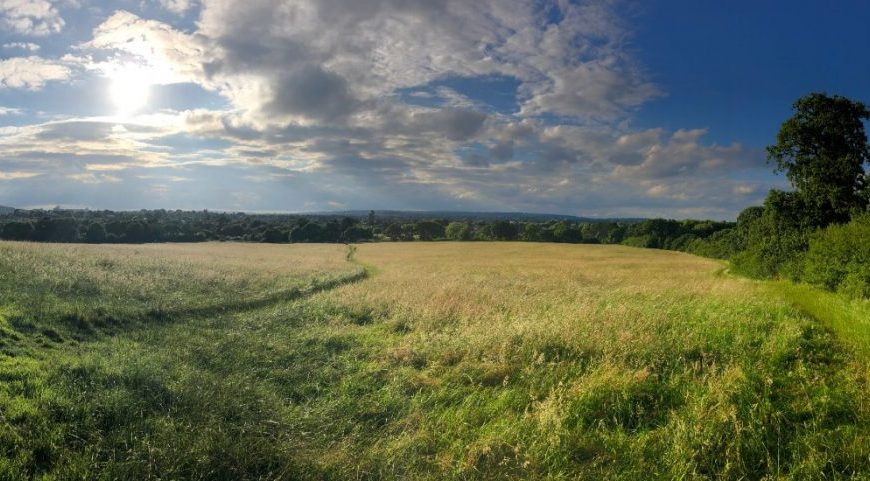
30 days wild, fenland. Credit Kate Howlett

Reflections: Wildlife Trusts’ 30 Days Wild

Kate Howlett, NERC-funded PhD student says: Back at the end of May, I set myself the challenge of taking part in the Wildlife Trusts’ 30 Days Wild initiative, so for every day in June I chose a ‘random act of wildness’ to complete. In a nutshell, I’m happy to report that all the hype and positive effects are true. I’ve spent a beautiful month, over … Continue reading Reflections: Wildlife Trusts’ 30 Days Wild

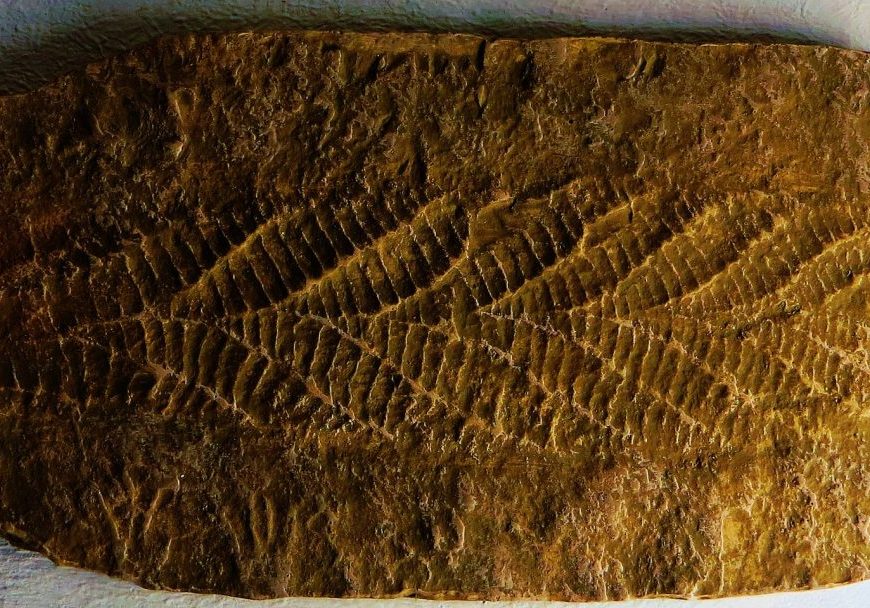
Ghedoghedo / CC BY-SA (https://creativecommons.org/licenses/by-sa/3.0)

Some of the first animals that ever existed

To celebrate International Women’s Day and Women’s History Month the Museum is sharing the stories of 27 inspirational women, alongside the animals they work with the most. Dr. Emily Mitchell Department of Zoology “My research focuses on some of the first animals that ever existed. These first animals are found during the Ediacaran time period, around 580 million years ago. I was totally unaware about … Continue reading Some of the first animals that ever existed

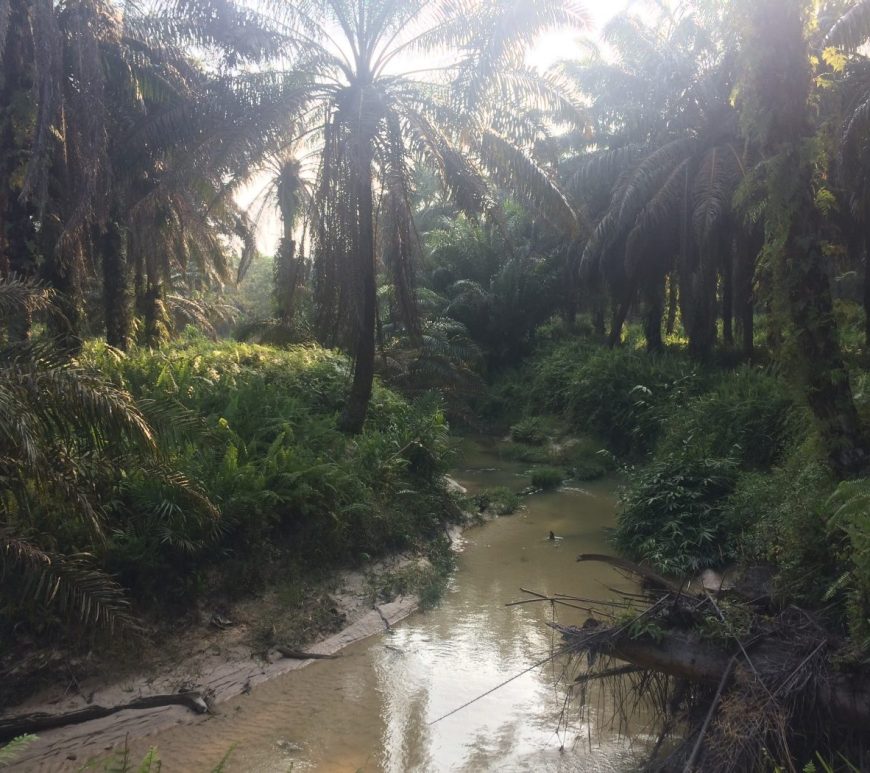
River running through oil palm

Restoring river borders for biodiversity

To celebrate International Women’s Day and Women’s History Month the Museum is sharing the stories of 27 inspirational women, alongside the animals they work with the most. Dr. Sarah Luke Department of Zoology “I am interested in the effects of habitat change on biodiversity, and development of possible strategies for conservation. My current work is based in oil palm plantations in Indonesia where we are … Continue reading Restoring river borders for biodiversity

Lego pieces

LEGO Creature Challenge

For #ZoologyLive 2020 we challenge you to build an animal you have seen using LEGO. LEGO bricks are excellent building materials that allow us to use our creativity, imagination, and observations to create sculptures. The tips below will help you to get started and let you know how to enter our prize draw… #LetsBuildTogether and Create a Lego Creature Top tips: Build a creature you … Continue reading LEGO Creature Challenge

Recycled Make Challenge

Let’s be creative with materials at home For #ZoologyLive we challenge you to use the materials around you to create a creature! There are many materials, containers and items that we put into the recycle bin. While recycling is one way to look after our planet, they can also make excellent crafting materials. The natural world also provides us with some excellent crafting ingredients. Discover … Continue reading Recycled Make Challenge

How to observe wildlife: iRecord

Matt Hayes, research assistant, takes us through how to record the wildlife we see using iRecord: What is iRecord?iRecord is a website for sharing wildlife observations. What does iRecord do?Its goal is to make it easier for wildlife sightings to be collected, checked by experts and made available to support research and decision-making. How do I add my wildlife sightings?You can register for free and … Continue reading How to observe wildlife: iRecord

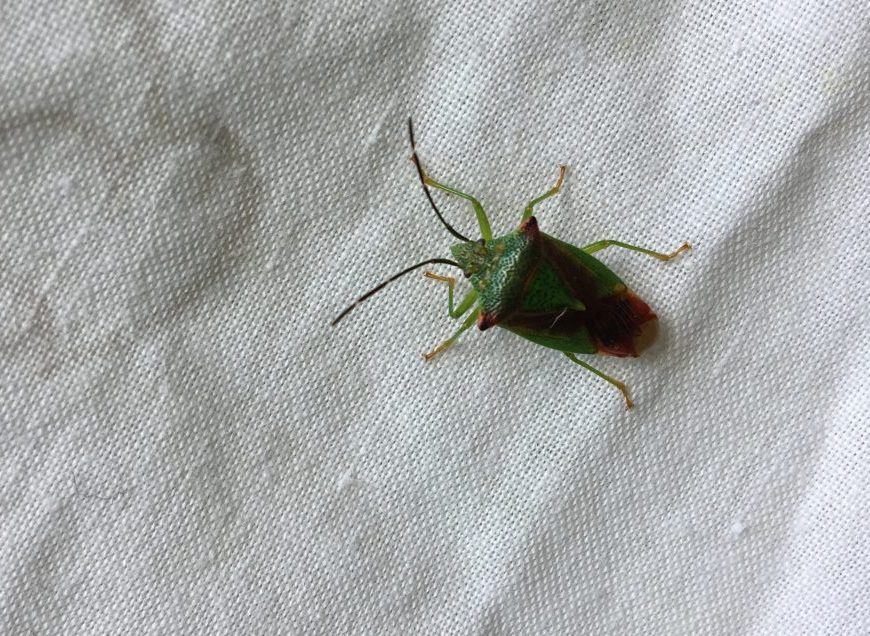
Shieldbug found on beat-net

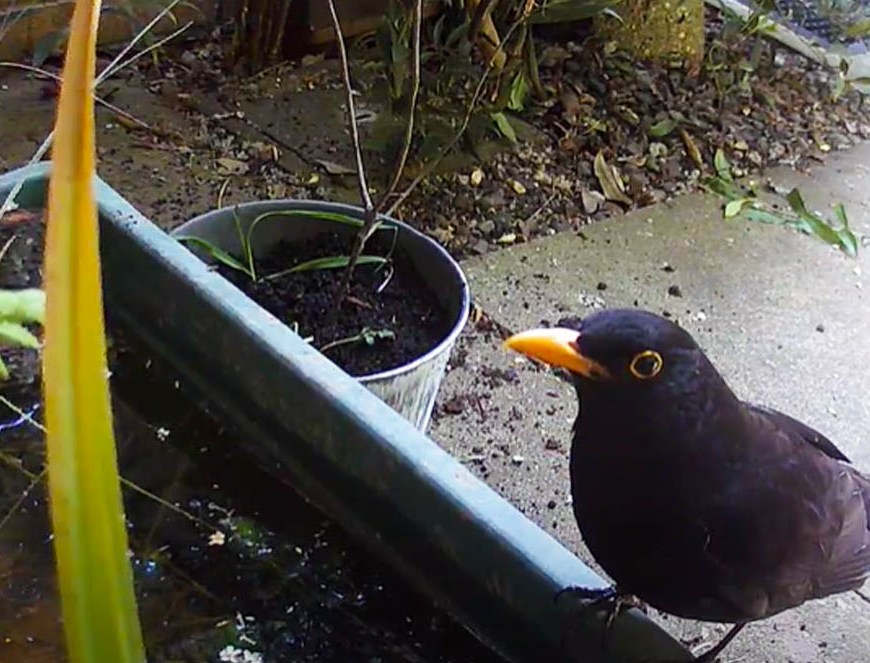
How to observe wildlife: beat-netting

Matt Hayes, research assistant writes: There are many ways to look for minibeasts that live around you and one easy method is to use a beat net. You don’t need any fancy equipment; a white sheet or tray will work just as well as a store-bought net. An upside-down pale umbrella also makes the perfect substitute. A pale white colour works best as it helps … Continue reading How to observe wildlife: beat-netting

By Bernard DUPONT from FRANCE - Fungus-growing Termites (Macrotermes carbonarius), CC BY-SA 2.0, https://commons.wikimedia.org/w/index.php?curid=40231177

Termite mound-mates create even more questions for scientists

To celebrate International Women’s Day and Women’s History Month the Museum is sharing the stories of 27 inspirational women, alongside the animals they work with the most. Dr Amelia Hood Department of Zoology “I’m an ecologist who loves social insects. For my PhD, I worked in oil palm plantations in Indonesia and studied ants and termites. There is one termite species, Macrotermes gilvus, that is … Continue reading Termite mound-mates create even more questions for scientists

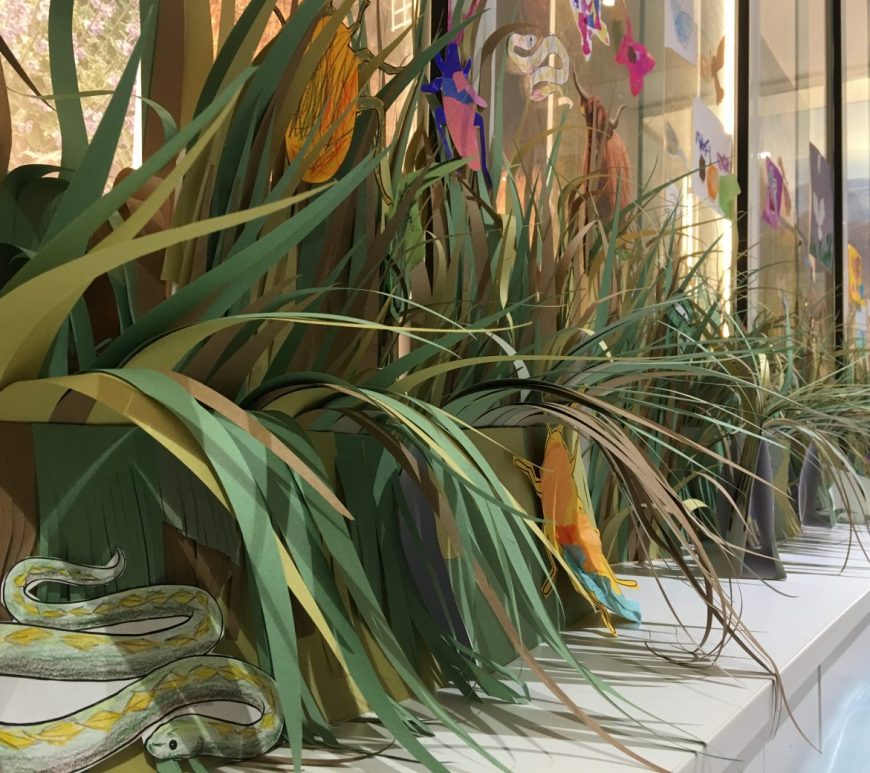
Paper craft of fenland habitat

A Journey through Time and Habitats

All living things have adapted to surviving successfully within their environments. They have adapted to changes in climate and habitat, as well as the other species that live around them. Some even work with other species to benefit themselves. Human impact has caused a lot of environmental change to happen very quickly. Evolution and adaptation are processes that take a long time to occur, and … Continue reading A Journey through Time and Habitats

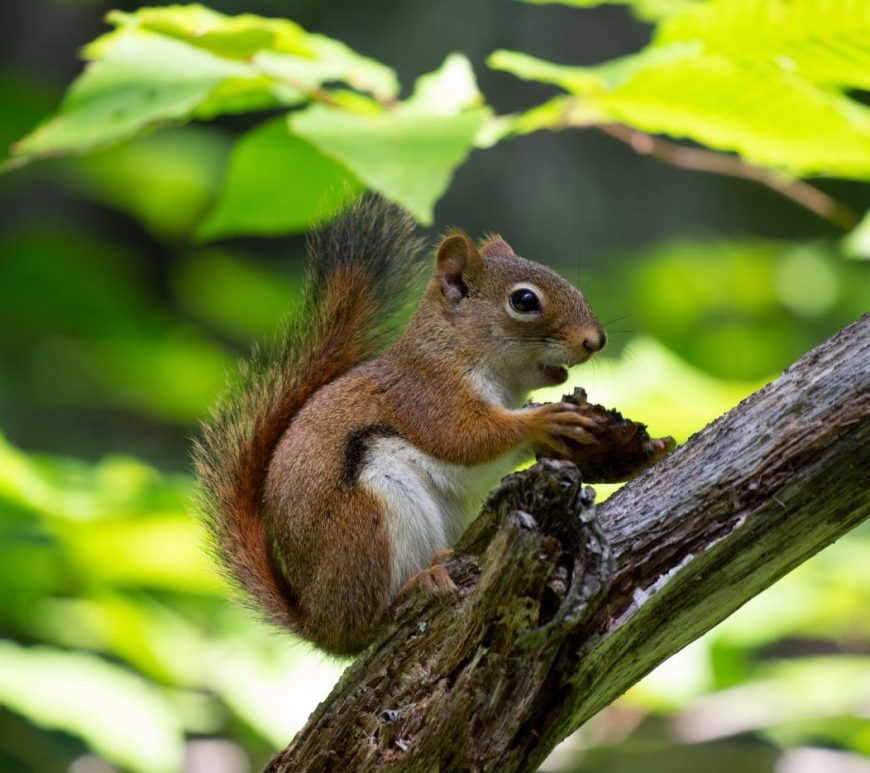
Rodents: small, furry and in a hurry

Aime Rankin, PhD student writes: Anyone with a pet dog, cat or rabbit will know the joy that furry animals can bring. But did you know that there are little fluffy creatures all around us? Britain’s most numerous mammals are shy, very energetic and an important part of the ecosystem. I am of course, talking about rodents! While some rodents get a bad reputation as … Continue reading Rodents: small, furry and in a hurry