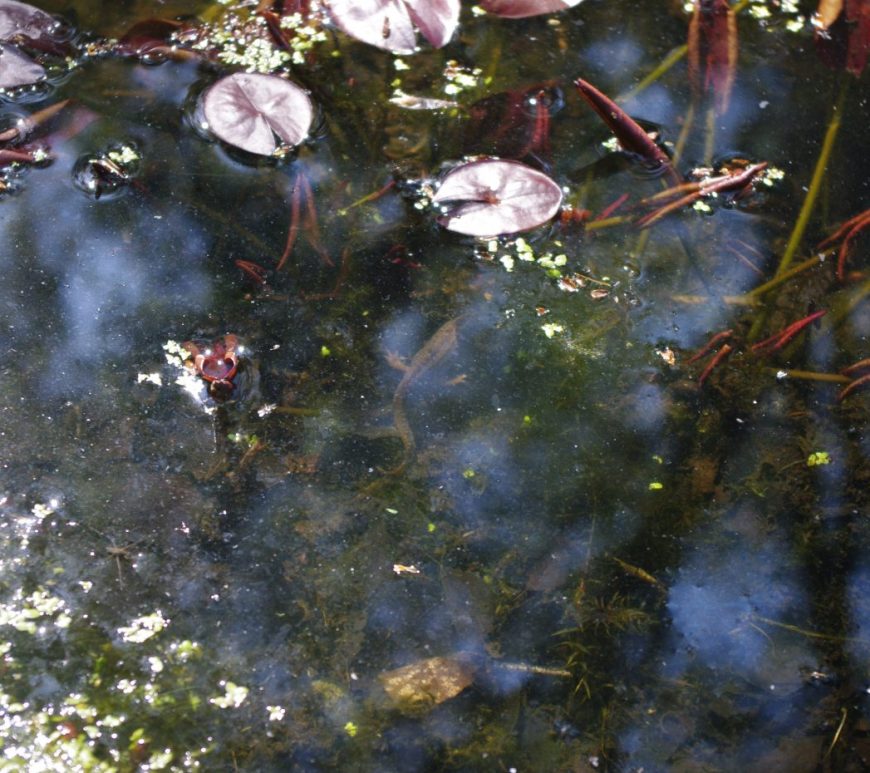
Photograph of a newt swimming up under a waterlily leaf

Pondwatch Episode 4: Dancing Newts

Roz Wade, Learning Officer at the Museum, writes: A couple of weeks ago I found that we had newts living in the garden pond. I have seen that we have at least five if not six living in there, and they have been showing some fascinating behaviour this week. We have some males in their breeding garb, with a wonderful crest along the back. They … Continue reading Pondwatch Episode 4: Dancing Newts

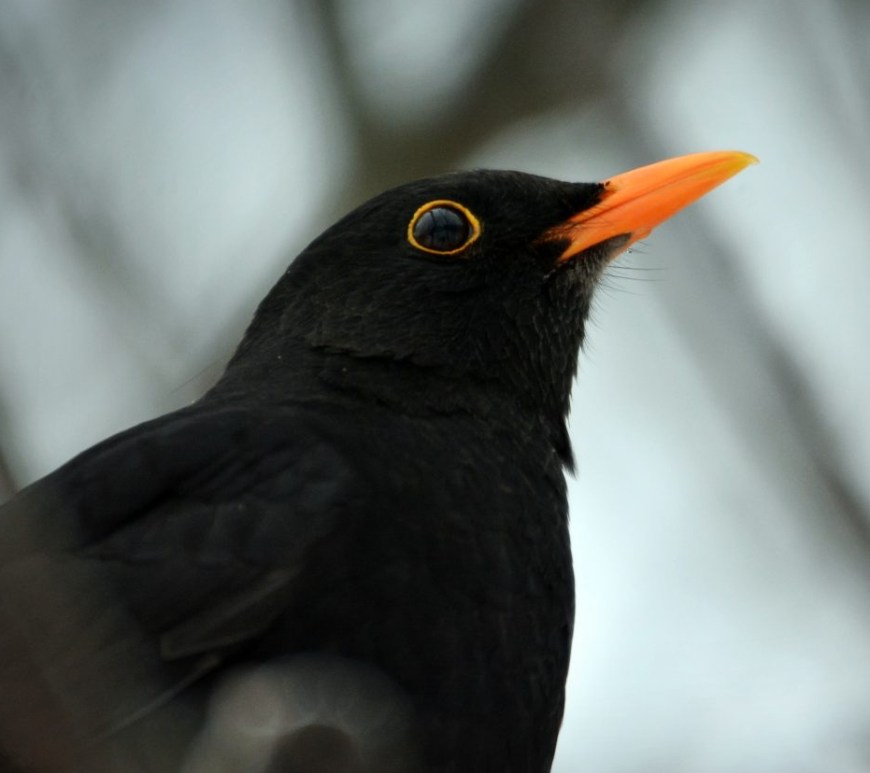
Photograph of a male blackbird

Song of the Blackbird

Academic in the Department of Zoology, and one of our visitor engagement volunteers in the Museum, Dr Tony Fulford writes: ‘How many people don’t recognise one of the nation’s favourite birds?  For those unfamiliar with the blackbird, the male is jet black with a bright yellow bill and yellow ring around his eye.  The female is similar-looking but is dark brown, often with a few … Continue reading Song of the Blackbird

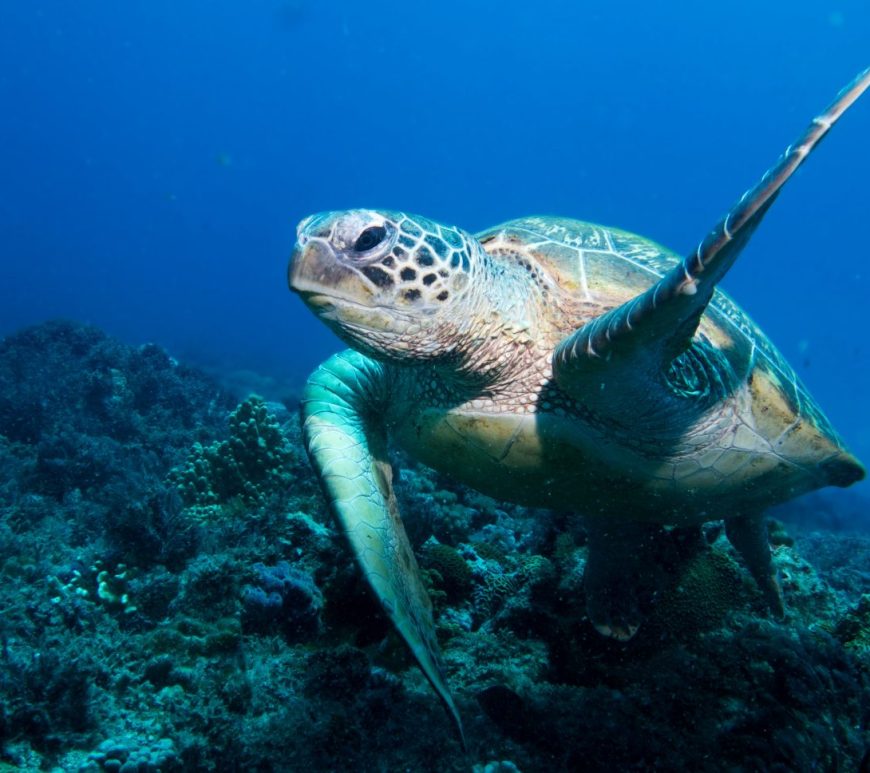
Photograph of a green turtle swimming

Exploring Skulls: Green Turtle

Get ready – our regular Nature Classroom posts will begin on Monday with a post exploring animal lifecycles. Discover the amazing world of amphibians and their larvae. Have a go at being a bird building a nest. Get up close to a tiger skull and see how tigers change as they grow. There’s lots to look forward to. Science caps on and watch for wildlife! … Continue reading Exploring Skulls: Green Turtle

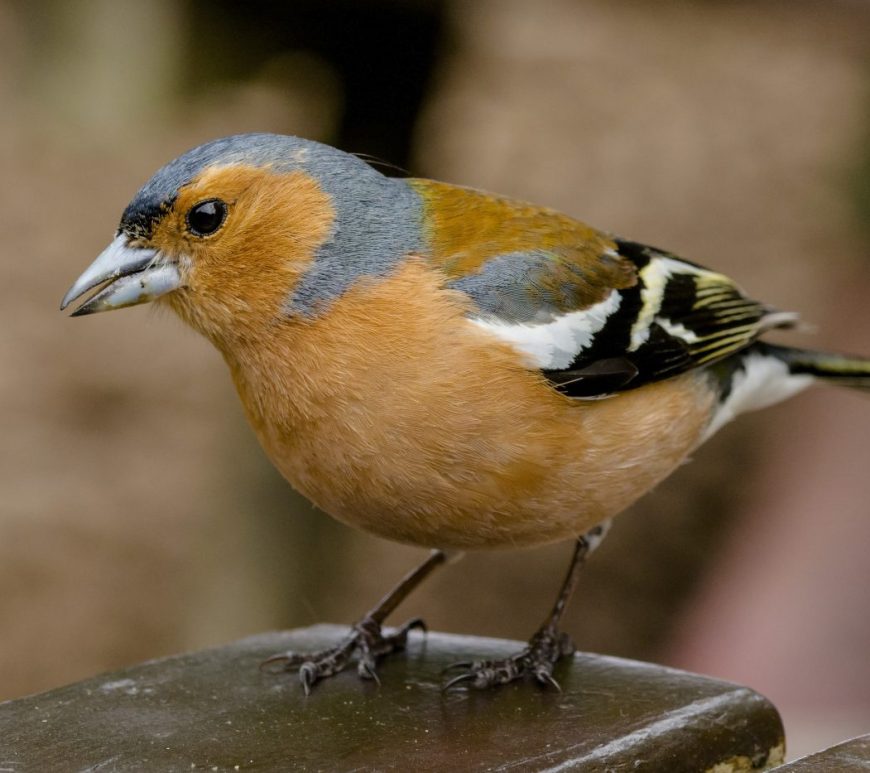
Photograph of a male chaffinch

Nature Postcard from Wicken Fen

We have a treat this week in Wildlife From Your Window: a virtual postcard from a pre-lockdown Wicken Fen, written by Professor Nick Davies of the Department of Zoology. ‘Just before the lockdown, there was a final chance to visit Wicken Fen, still clothed in her winter’s coat of last year’s yellow reeds. Many birds were still in winter flocks. On the floods, there were … Continue reading Nature Postcard from Wicken Fen

Pondwatch Episode 3: Newts!

Roz Wade, Learning Officer at the Museum, writes: We have exciting news on this episode of Pondwatch – newts in the garden pond! I’ve been watching them closely, and managed to capture them on camera when they came out from their hiding places. We also have some of the aquatic finds of other members of the Museum team, so lots to explore this week. There … Continue reading Pondwatch Episode 3: Newts!

Frogspawn Fun

In garden ponds across the country, clumps of jelly-like eggs are hatching into little, wriggling tadpoles. Here at the Puggle Club we are celebrating the amazing world of baby frogs with some fun, froggy activities. Make your own frogspawn Tapioca frogspawn (made from Cassava flour) is safe to eat, although not very tasty. It makes a great tactile experience for all ages and abilities. You … Continue reading Frogspawn Fun

Mammalwatch: Squirrels

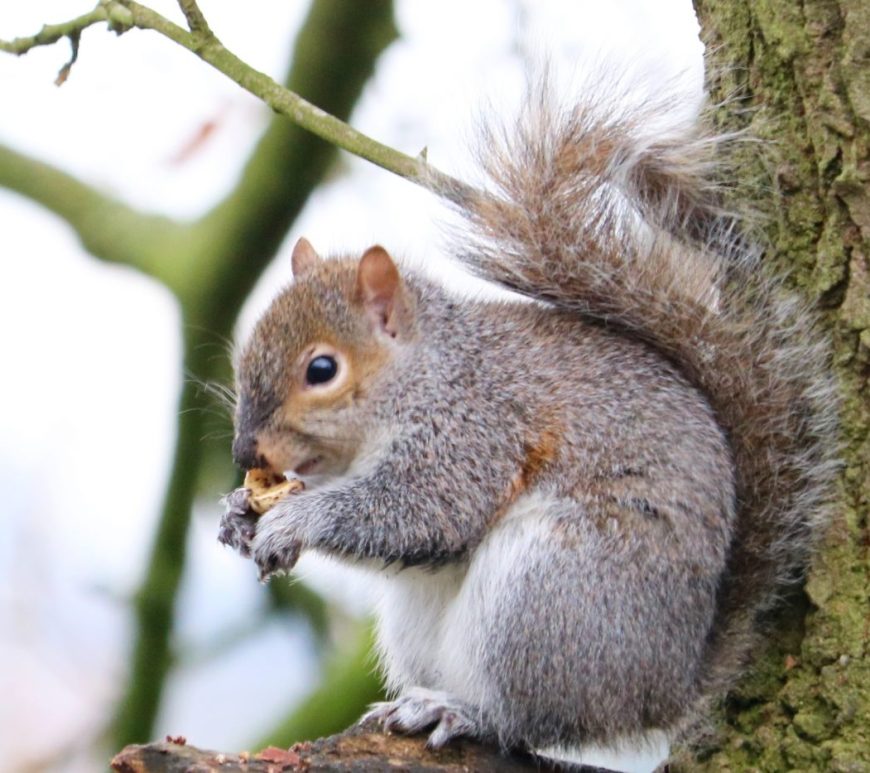
Roz Wade, Learning Officer at the Museum of Zoology, writes: Welcome to our first Mammalwatch post in Wildlife from your Window. We thought what better way to start than with a post about that terror of the bird feeder – the grey squirrel. The grey squirrel, Sciurus carolinensis, is a familiar sight in our gardens. The body is around 25cm long, and the tail is … Continue reading Mammalwatch: Squirrels

Photograph of the head of a frog from above

Jumping for Joy: Frog crafts

At this time of year, ponds around the country are home to jelly-like masses of frogspawn and the small, wriggling tadpoles that have hatched from it. Check out our first pondwatch post and you can see frogspawn and tadpoles up close. We thought we could celebrate with some froggy activities and facts for you. Frog Origami Follow the video to make your own jumping frog … Continue reading Jumping for Joy: Frog crafts

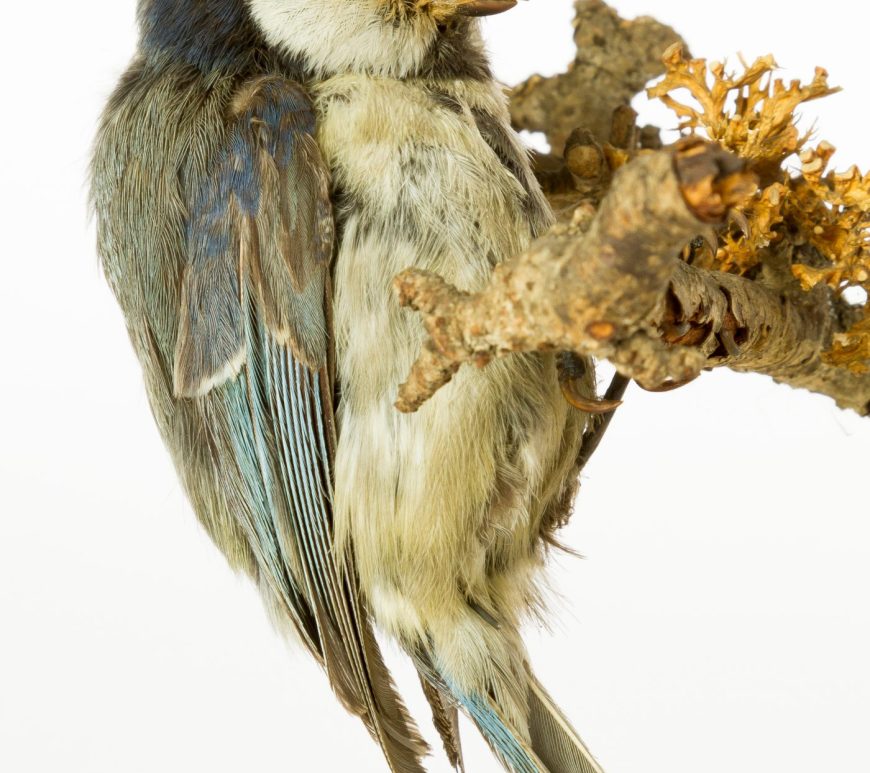
taxidermy blue tit at the Museum of Zoology

Birds: Blue tits and their relatives

Are you playing our Open Your Window Bingo? Discover more about some of the colourful garden birds that feature on it: blue tits, great tits and long-tailed tits. A flash of yellow, blue and green in the air – blue tits are colourful little birds often seen on bird feeders. They eat insects, caterpillars and seeds. We see bright colours and patterns when we see … Continue reading Birds: Blue tits and their relatives