Illustration of a woolly mammoth

Winter Wildlife: Ice Age Earth

Join us as we step back in time to see the changing climate of East Anglia over the years, in fact, over the millenia. That’s right, we are going back into the Pleistocene, sometimes referred to as the Ice Age (but I’m sure you all know that 1. the temperatures went up and down during this time, it wasn’t always cold; and 2. there have … Continue reading Winter Wildlife: Ice Age Earth

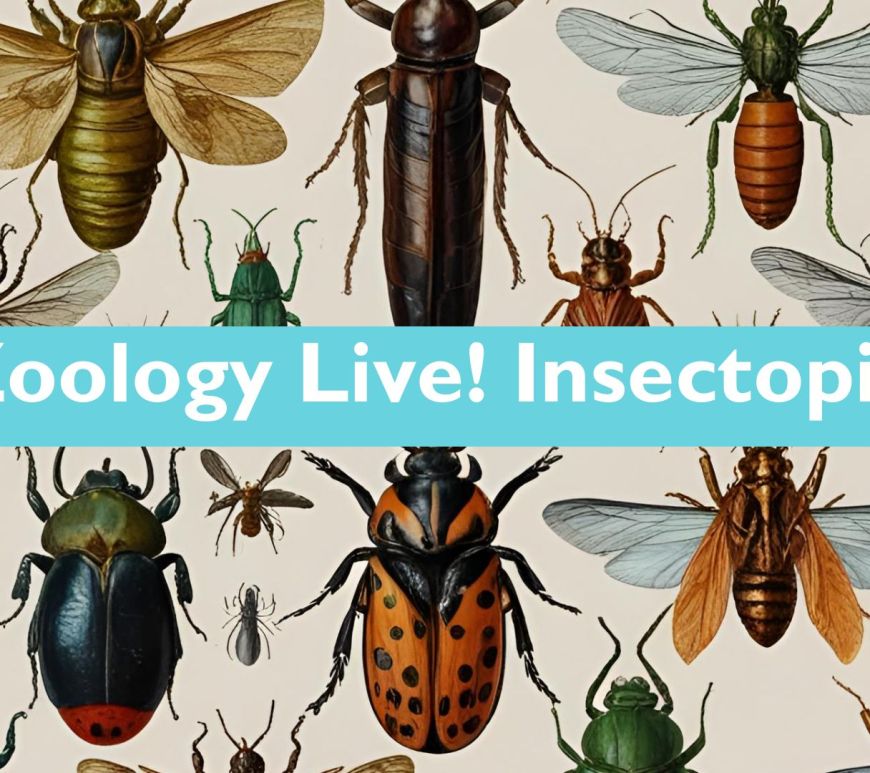
Illustration of insects with the words Zoology Live Insectopia

Zoology Live! Insectopia

It’s that time of year again – time for our Zoology Live! festival. This year we are working in partnership with the Amateur Entomologist’s Society to bring you a livestream and family event all on a theme of insects! Scroll down to catch up on our live interview with Dr Erica McAlister, all about the amazing world of flies, to find out about techniques to … Continue reading Zoology Live! Insectopia

A bumblebee hovering over a yellow flower, with the word Zines in cut out letters, below which are the words for pollinators in bold text

Zines for Pollinators

Earlier this year, we had on display a small exhibition of zines on a theme of pollinators in the Museum. To celebrate World Bee Day on May 20th, we wanted to share these inspiring pieces more widely. Follow the Zines for Pollinators below, and learn how to make your own. This exhibition was curated by Nynke Blömer, PhD student in the Museum of Zoology, and … Continue reading Zines for Pollinators

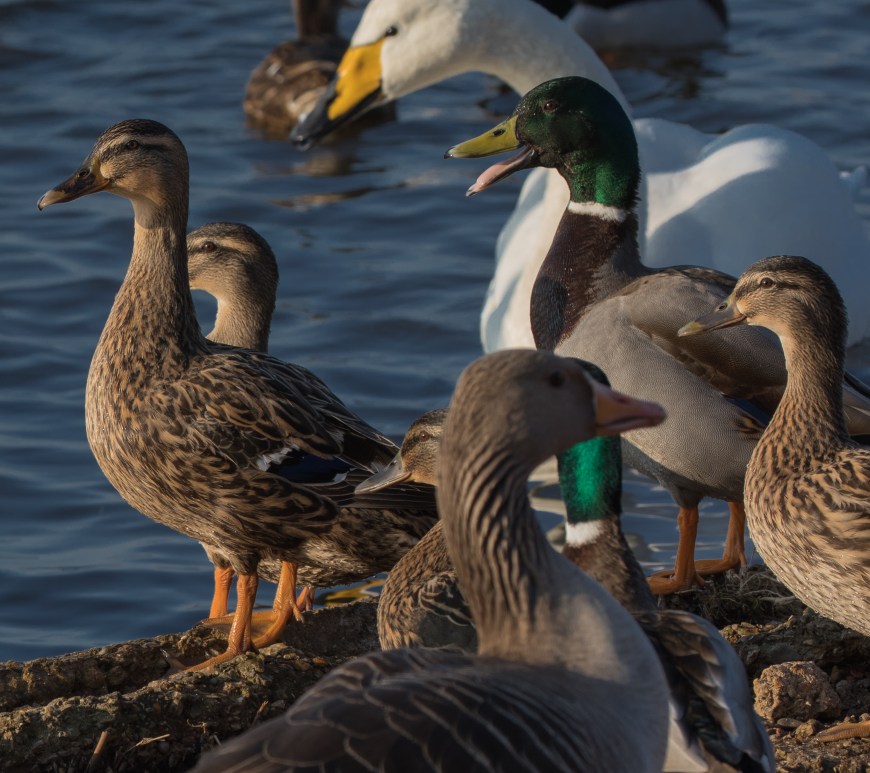
Group of mallards and swans

Bird Palates and Feeding

Dr Olivia Plateau, Department of Earth Sciences, writes: Birds, the only surviving branch of the theropod dinosaurs, are one of the most species-rich extant vertebrate groups with more than 11,000 species. They show great diversity in terms of size, colour, shape and ecology, occupying almost all habitats on the surface of the Earth. I am an evolutionary biologist, and I am particularly interested in the … Continue reading Bird Palates and Feeding

Butterfly Banks and the Public

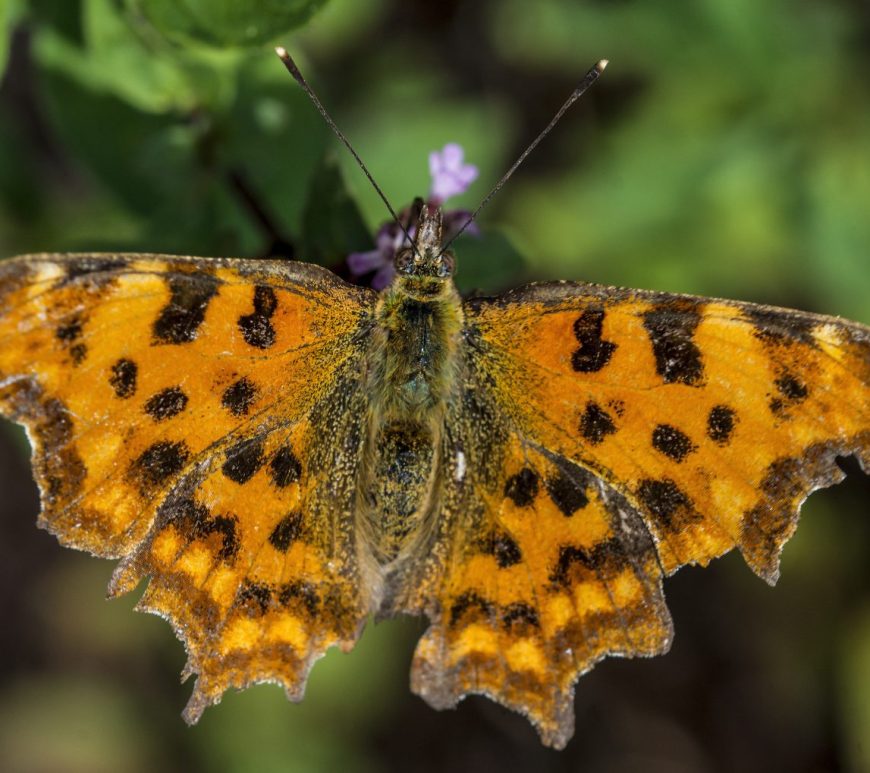
Rosalind Mackay, Museum of Zoology, writes: I am currently studying for a master’s in the Department of Zoology here at the University of Cambridge. My project is about insect conservation and public engagement. These two seemingly disparate aspects are connected by the intervention we’re trialling. Prof Ed Turner, my supervisor, has been collaborating with the Wildlife Trust for Bedfordshire, Cambridgeshire and Northamptonshire for several years … Continue reading Butterfly Banks and the Public

Landscape in Utah, with bare rocks and hills under a blue sky

Imaging Dinosaurs

Annabel Hunt, Department of Earth Sciences, writes: I study dinosaur skull anatomy for my PhD research at the University of Cambridge. I am a member of the Field Palaeobiology Research Group and I am supervised by Professor Daniel Field and co-supervised by Professor Steve Brusatte. Prior to starting my PhD here in Cambridge, I studied a four-year Integrated Master’s degree in Earth Sciences at the … Continue reading Imaging Dinosaurs

coloured image of covid virus particles

Mapping Viruses

Antonia Netzl, Department of Zoology, writes: I research vaccination strategies against SARS-CoV-2, the causative agent of COVID-19. SARS-CoV-2 is a virus that evolves, which means that it changes over time. These changes lead to its escape from immunity that was generated against a previous strain – the evolved strain is too different to be recognized by our immune system.  To keep up with virus evolution … Continue reading Mapping Viruses

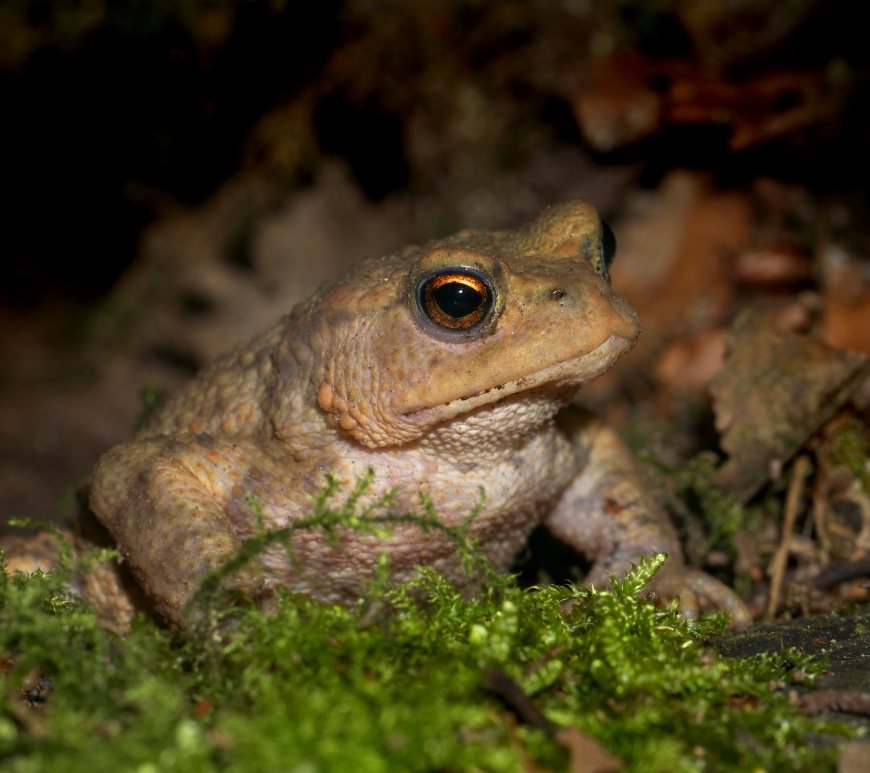
Image of a toad in the undergrowth at night

Conservation Evidence – supporting practitioners to do more of what works and less of what doesn’t

Dr Rebecca Smith, Conservation Evidence Manager, writes: Does helping toads across roads actually help increase their populations, or using different coloured tree guards improve the survival of newly planted trees? Conservation actions are often not as good as they need to be to protect and restore species and habitats because information about which actions work (or don’t) is not used by those deciding what to … Continue reading Conservation Evidence – supporting practitioners to do more of what works and less of what doesn’t

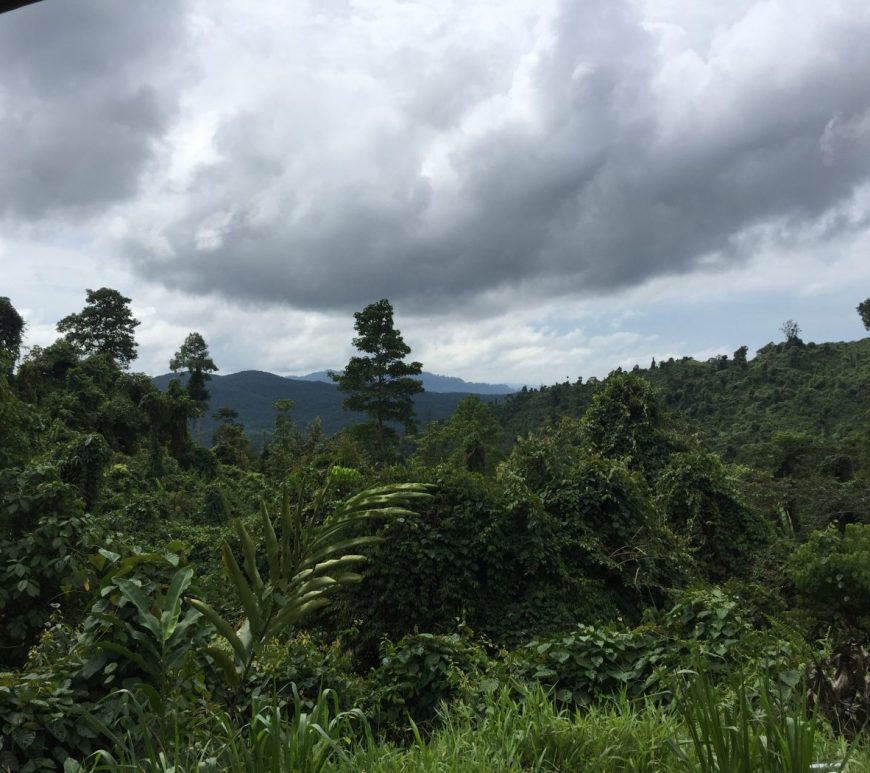
Image of a tropical rainforest with swamp water around the base of the trees

Balancing Agriculture and Conservation: A Journey in Restoration Ecology

Sacchi Shin-Clayton, Museum of Zoology, writes: When we think about conservation, our minds often go to preserving untouched natural forests. While this is undeniably important, we sometimes overlook the pressing need to restore the landscapes we’ve already transformed through human activity. Agriculture, for instance, is one of the biggest drivers of landscape change worldwide, and with the ever-growing demand for food, it’s only intensifying. The … Continue reading Balancing Agriculture and Conservation: A Journey in Restoration Ecology

Altered forest landscape (c) S Steele

Making palm oil sustainable

Dr Becky Heath, Museum of Zoology, writes: In my research, I explore how tropical agriculture can benefit both people and the environment. I focus on oil palm plantations—one of the most important crops in Southeast Asia and a vital source of income for millions of people. My work is all about finding ways to make these landscapes more sustainable without compromising the livelihoods of the … Continue reading Making palm oil sustainable

Three cuckoo bumblebees on a researcher's knee

The life of the cuckoo bumblebee

Sofia Dartnell, PhD student in the Department of Zoology, writes: You’ve heard of honeybees, but who are those big, fluffy bees taking flight as it gets warmer each spring? These are bumblebees, a group of about 260 species that are the larger cousins of honeybees. Bumblebees are known for their ‘buzz pollination’ abilities, physically buzzing flowers at a different frequency than other bee species to … Continue reading The life of the cuckoo bumblebee

Giant ground sloth skeleton and other large skeletons in the lower gallery of the Museum of Zoology

Cambridge Festival at the Museum of Zoology

The Cambridge Festival runs from March 19th to April 4th 2025, and you can find a whole host of events from evening talks to hands on family activities. Here at the Museum of Zoology we have a number of events taking place. Read on to find out more. Honest Histories? Uncovering where Our Tasmanian tigers came from 6:45pm-8:30pm on Wednesday 19 March Today, natural history … Continue reading Cambridge Festival at the Museum of Zoology

Patchwork map of the world

Make Zoo and Mend

Back in November 2024, we ran an event called Make Zoo and Mend, exploring ways to have a more sustainable wardrobe. During this event, we launched a project with textiles artist Stephanie Norwood – to create a new piece of collaborative textile art for the Museum’s learning lab, while at the same time learning techniques such as applique, embroidery and embellishment that can be used … Continue reading Make Zoo and Mend

Group of young weomen studying using microscopes

International Women’s Day

International Women’s Day Exhibition: Meet the Scientists Opening on March 8th will be a special exhibition in the Museum galleries. Explore the Museum and find new labels written by some of the fantastic female scientists in and around the Department of Zoology. Find out about what they study and how, and be inspired by their work. This exhibition will run until the summer. Upper Gallery … Continue reading International Women’s Day