

Dr Rebecca Smith, Conservation Evidence Manager, writes:
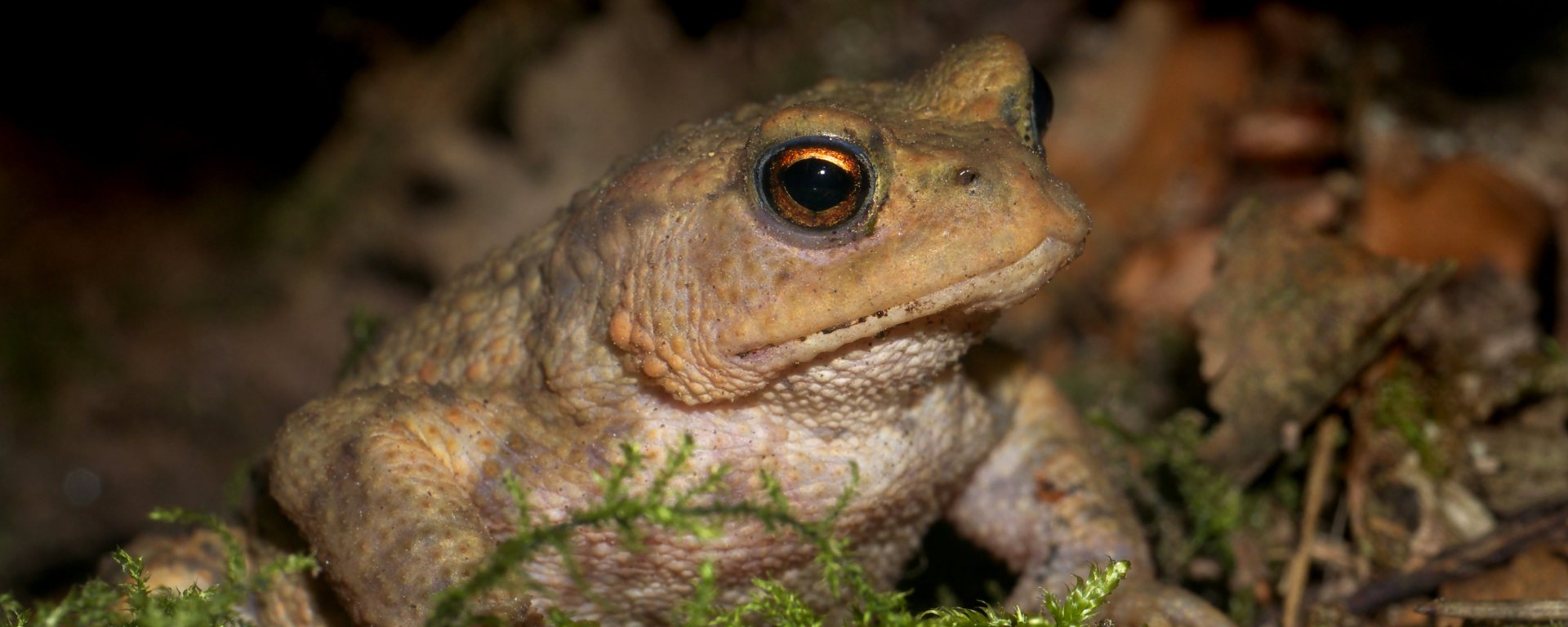
Does helping toads across roads actually help increase their populations, or using different coloured tree guards improve the survival of newly planted trees? Conservation actions are often not as good as they need to be to protect and restore species and habitats because information about which actions work (or don’t) is not used by those deciding what to do. This is for several reasons including that existing evidence is often not accessible, is used poorly or ignored, or no one has actually tested how effective a conservation action is.
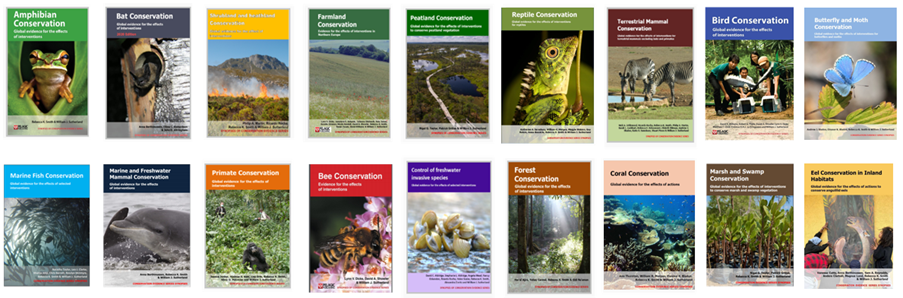
I manage the Conservation Evidence team, and together we search for, summarise and assess scientific information about how effective conservation actions are. We make all that information easily accessible to anyone who needs it on our website: www.conservationevidence.com. So far, we have searched through an impressive 1.2 million articles and summarised nearly 9,000 studies testing 4,000 actions, including 836 actions focused on conserving mammals, 454 for birds, 566 for wetlands and 76 for corals. We haven’t finished yet – our aim is to review the effectiveness of all actions for all species and habitats and regularly update the information with new evidence.
We also work with a wide range of conservation practitioners, policymakers, funders and researchers across the world, including our ‘Evidence Champions’, to identify challenges, come up with solutions and provide support to help them routinely use evidence when planning the best way to conserve species or habitats. Also to encourage more testing of actions to fill gaps in the evidence. Together we have co-designed an Evidence Toolkit, a collection of freely available tools and resources to help the use and generation of evidence for improved conservation practice. At the end of last year, we received the University of Cambridge Vice-Chancellor’s Award for Research Impact and Engagement for our work.
Our Conservation Evidence team is changing how conservationists access and use evidence – our goal is for them to do more of what works and less of what doesn’t! By routinely using evidence, the global conservation community will be more effective at improving the state of nature.

 Museum of Zoology Blog
One thought on “Conservation Evidence – supporting practitioners to do more of what works and less of what doesn’t”